
Neck pain after sleeping wrong is usually caused by poor head and neck alignment during sleep—often due to your pillow, posture, or sleeping position.
‘Oh, that crick in the neck again!’ Does this sound familiar?
We all have experienced those groggy mornings when we wake up with an unexpected guest: pesky neck pain. It’s like an uninvited intruder that barges into our lives, disrupting our day.
Nothing seems to feel right when we wake up with neck pain every morning. It’s as if our body has decided to play a prank when all we’re yearning for is a fresh and energetic start to the day.
If you nod your head (cautiously, of course) in agreement, then you’re in the right space. You’re not alone in this ordeal. In fact, there’s an entire community of people who are constantly wrestling with stiff necks after waking up, just like you.
Are you curious to know how you can reclaim your joyous mornings free from the chains of neck pain? Do you wonder if there’s a secret antidote to this persistent problem? If yes, then get ready for a journey of learning and relief.
We’re here to guide you through simple and effective measures for alleviating neck pain after sleeping wrong and helping you find your way back to peaceful mornings!
Causes of Neck Pain After Sleeping

Do you often find yourself waking up with neck pain every morning? It’s not an uncommon experience and there are a variety of reasons why you might be feeling this discomfort.
One of the most common causes is your sleeping position. If your neck isn’t properly supported while you sleep, it could cause strain on the muscles and tendons, resulting in a stiff neck after waking up.
For instance, sleeping on your stomach often leads to neck pain because it forces your neck to turn to one side for extended periods. Similarly, using a high pillow can cause your neck to bend unnaturally, leading to neck pain on either the left or the right side. Even sleeping on a very soft mattress without proper support can be problematic.
In some cases, people who wake up with neck pain may also have underlying health issues. Conditions such as cervical spondylosis, often associated with aging, can lead to frequent episodes of morning neck pain. If you're experiencing back of the neck pain after sleeping on a regular basis, it's important to consult with a healthcare professional to make sure it's not a symptom of a more serious condition.
How to Relieve Neck Pain After Sleeping Wrong
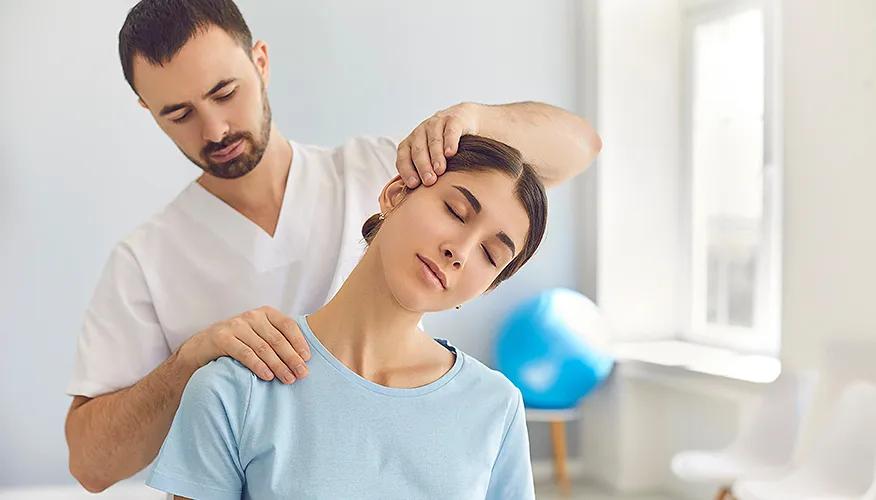
If your morning routine frequently involves dealing with stiff neck pain after sleeping, there are numerous strategies that can help alleviate the discomfort and prevent future occurrences:
Fix Your Sleeping Position
- Experiment with different sleeping positions to find one that minimizes strain on your neck.
- Sleeping on your back or side is generally recommended for individuals with neck pain, as these positions promote spinal alignment and reduce pressure on the neck muscles and joints.
- Avoid sleeping on your stomach, as this can lead to excessive twisting of the neck and contribute to neck pain caused by sleeping position.
Choose the Right Pillow for Neck Support
- Selecting the appropriate pillow is crucial for supporting the natural curvature of your neck and promoting proper alignment while sleeping.
- Opt for a pillow that provides adequate support without being too high or too firm, as this can cause strain on the neck muscles.
- Consider investing in an orthopedic or cervical pillow for neck pain. These pillows are contoured to cradle the neck and maintain proper spinal alignment throughout the night.
Improve Posture Throughout the Day
- Pay attention to your posture both during sleep and throughout the day.
- Avoid slouching or slumping while sitting, and make sure to maintain a neutral spine alignment.
- If you spend long hours in front of a computer or desk, use ergonomic furniture and take frequent breaks to stretch and move around.
- When carrying heavy bags or backpacks, distribute the weight evenly and avoid straining your neck and shoulders.
Gentle Exercises for Neck Pain Relief
- Practice gentle neck stretches and strengthening exercises to improve flexibility and reduce muscle tension in the neck and shoulders.
- Simple exercises such as neck rotations, side bends, and chin tucks can help alleviate stiffness and improve the range of motion.
- Additionally, engage in regular physical activity, such as walking, swimming, or yoga, to promote overall health and reduce the risk of developing neck pain.
- Strengthening the muscles of the neck, shoulders, and upper back can provide added support and stability to the neck region.
When to See a Doctor
- If you experience persistent neck pain, especially on one side, despite implementing these strategies, it’s essential to seek guidance from a healthcare professional.
- A doctor or physical therapist can assess your condition, identify any underlying issues contributing to your neck pain, and recommend targeted treatment options.
- The suggested sleep neck pain remedy may include manual therapy, such as massage or chiropractic adjustments, as well as exercises or stretches tailored to your specific needs.
- In some cases, further diagnostic tests or imaging studies may be necessary to determine the cause of your neck pain and guide appropriate treatment.
- Early intervention and personalized care can help alleviate discomfort and prevent long-term complications associated with neck pain.

Conclusion
Neck pain after sleeping can be a frustrating issue to deal with, but it’s important to know that there are viable solutions available.
By paying attention to your sleeping habits and making necessary adjustments, you can significantly reduce instances of waking up with neck pain every morning. Ultimately, waking up with a stiff neck doesn’t have to be a regular part of your morning routine.
By taking proactive steps towards maintaining a good sleeping posture for neck pain, choosing the right pillow and reaching out for professional advice when needed, you can start each day feeling refreshed and pain-free. Let’s keep prioritizing our health and well-being because we all deserve to wake up feeling our best!
Remember, while these strategies can provide some relief from neck pain caused by the wrong sleeping position, they should never replace professional medical advice. Persistent or severe neck pain could be a sign of a more serious condition that requires prompt medical attention. Therefore, if your neck pain persists or worsens despite trying these remedies, please seek out professional help.
Meet our expert

Meet our expert
Dr. Inna Anatolyivna Kirilyuk graduated from Vinnytsia National Medical University in 2008, marking the inception of her remarkable journey in healthcare. Following her graduation, Dr. Kirilyuk embarked on a path of continuous learning and specialization.



How was the experience with article?
We'd love to know!