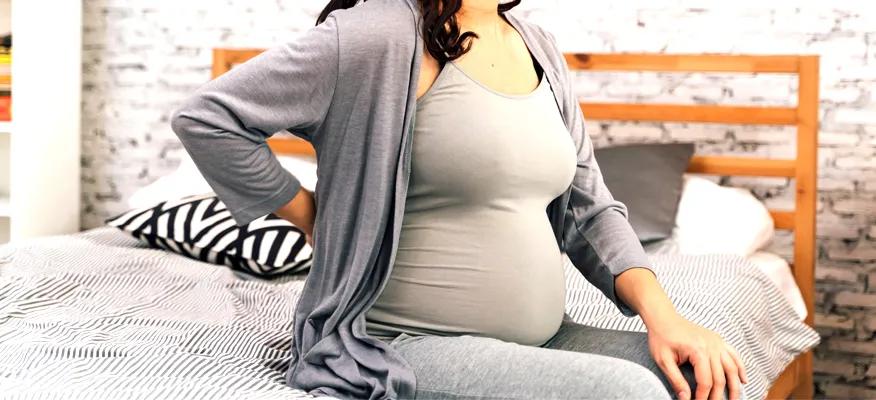
The anticipation of a newborn’s arrival is truly exhilarating! However, as the journey of pregnancy advances, it's common for an expectant mother to encounter various discomforts. Embracing these changes with grace and understanding is part of the maternal bond.
Yet, it's equally important for her to seek relief and manage these discomforts proactively. Maintaining physical comfort and fostering a joyful mindset is not only beneficial for her own well-being but also has a positive influence on the developing baby.
Understanding back pain in pregnancy
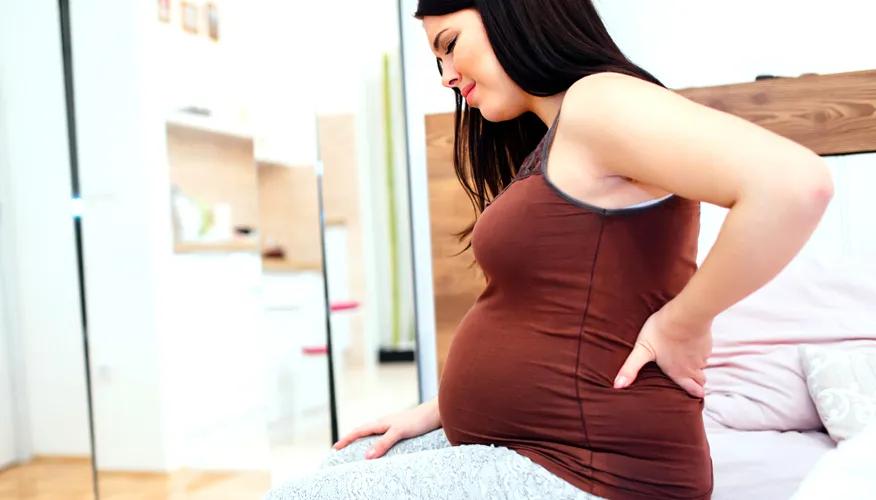
If you’re expecting, you might be among the 50 to 80 percent of women who experience back pain during pregnancy. As your baby grows, your body adapts, carrying the extra weight that your back must support. Typically, you’ll start noticing backache pelvic pain in your lower back early in your journey.
Here’s what’s happening inside your body: Hormonal changes happen during pregnancy, particularly one called relaxin. This hormone works to loosen the ligaments in your pelvic area, preparing your body for childbirth. It's no wonder, then, that back pain during pregnancy first trimester and way forward is a frequent companion.
Consider the weight gain – you might add about 25 to 35 pounds throughout the pregnancy. This additional load isn’t just a number on the scale; it’s a burden your spine has to bear, often leading to lower back pain. Along with the new weight, changes in your pelvic region can alter your posture and shift your center of gravity. These shifts can affect how you move and lead to that nagging back pain.
To combat this discomfort, support pillows can be a game-changer for your back and pelvis. And don’t underestimate the impact of emotional stress—it can cause an increase in back pain. Stress often triggers painful spasms in your lower back, affecting both your physical and mental wellbeing. So it's crucial to find ways to relax and manage stress throughout your pregnancy to alleviate back pain and maintain your peace of mind.
Causes of back pain
As you navigate through pregnancy, it's essential to be mindful of the aches and pains that come with this transformative period. You might experience lumbar pain, centered in your back and possibly extending down to your leg or foot.
However, you're more likely to encounter posterior pelvic pain — a deep discomfort below the waistline, on either side of your back, or across the tailbone. This can range from a dull ache to acute, recurring pain, potentially disrupting your daily activities, especially between the fifth and seventh months.
If you have a history of lower back problems, be aware that your risk for back pain during pregnancy increases.
To alleviate and possibly prevent such discomfort, focus on the following strategies:
Posture: Ensure you are maintaining good posture. When sitting, avoid slouching as it puts extra strain on your spine. Instead, opt for chairs with adequate support, featuring a straight back, armrests, and a firm seat.
Body Mechanics: Be conscious of how you move and engage in activities. Keeping your body's center of gravity aligned helps minimize back strain.
Exercise: Engage your abs by sitting on an exercise ball and gently rocking back and forth to a moderate rhythm. This not only strengthens the muscles that support your back but also helps maintain balance and core stability.
By integrating these practices into your daily routine, you can support your back health and ease the discomforts of pregnancy.
Types of pregnancy-related back pain
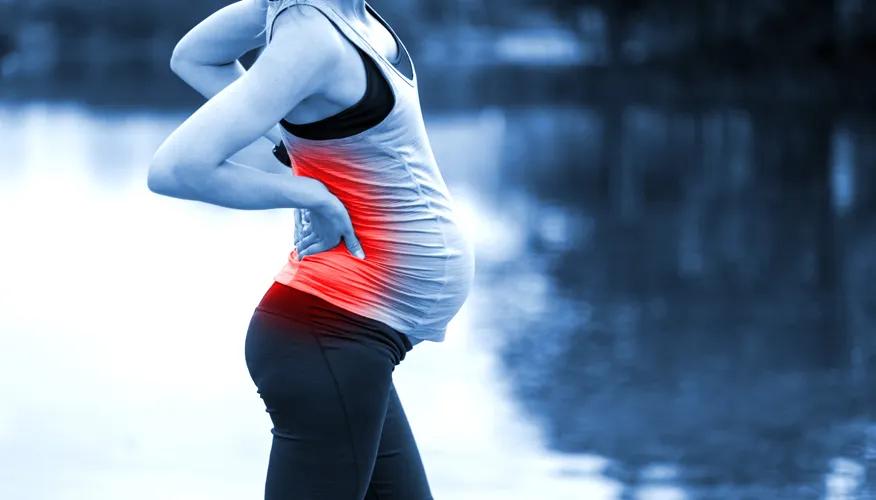
During pregnancy, you may have different experiences as the fetus develops. You'll feel the thrill of your baby's kicks and movements, but you might also encounter less joyful changes. It's common to experience back pain, especially in the final trimester.
Let’s talk about the types of back pain you might encounter and how to alleviate them.
- Lumbar Pain: Lumbar pain during pregnancy emerges in the center of your back and may even extend down to your leg or foot.
- Pelvic Girdle Pain (PGP): Affecting the pelvis and hips, PGP might also present as upper back pain or discomfort around the lower back and pubic area. Challenges may arise when trying to stand up, sit down, or roll over in bed, and you might face issues like bladder dysfunction or pain in your legs and buttocks.
When it comes to diagnosing these pains, a healthcare provider should conduct a thorough physical examination while considering your medical history. Avoid X-rays or CT scans due to their use of radiation, which is not advisable during pregnancy.
To mitigate back pain at home, consider the following strategies:
- Use heating pads or ice packs. Wrap a heating pad in a towel and apply it at a low setting for up to 20 minutes, or alternate with cold compresses every 15 minutes.
- Indulge in a warm bath, utilizing the shower jet for a soothing back massage.
- After the first trimester, seek out prenatal massage from a trained masseuse for additional relief.
It's important to recognize that certain pregnancy symptoms are typically normal and not a cause for concern:
- Expect some swelling in the face, hands, legs, feet, and ankles.
- You may experience stomach upsets, accompanied by nausea, vomiting, or heartburn.
- Occasional mild back aches or leg cramps, particularly at night, are not uncommon.
- Frequent nighttime trips to the bathroom could be due to a leaky bladder.
- Constipation may become a familiar problem.
- You might notice swollen, bleeding gums, a stuffy nose, and shortness of breath.
- Skin changes such as brown spots on your face, varicose veins, and stretch marks are also common.
Remember, while some symptoms of pregnancy can be uncomfortable, they are generally considered normal and not dangerous. However, it's always wise to discuss any concerns with your doctor to ensure the well-being of both you and your baby.
When to seek medical attention
You should stay alert for certain red flags and signs that could signal a serious health issue during pregnancy.

It’s crucial to contact your doctor immediately if you experience any of the following symptoms:
- Back pain in your second or third trimester, as this could indicate early labor.
- Vaginal bleeding or spotting, which can be a sign of preterm labor or other complications.
- Sudden fluid discharge from the vagina, which may suggest premature rupture of membranes.
- Persistent lower abdominal and lower back pain, possibly signifying uterine contractions.
- Painful and sudden abdominal contractions, which could be actual labor contractions.
- Unusual swelling in your face or fingers, severe headaches, or dizziness, which can be symptoms of preeclampsia.
- Intense nausea or vomiting that goes beyond typical morning sickness.
- Any pelvic pressure, as it might indicate the baby is pushing down and could be a sign of labor.
Be aware that sudden and cyclical back pregnancy pains, especially when accompanied by vaginal bleeding or discharge, could mean a placental issue or the early release of amniotic fluid. These conditions, such as preterm labor, may lead to premature birth and potential challenges for your baby.
If you are taking any medications, it's imperative to discuss the risks and benefits with your healthcare provider. You may need to discontinue certain medications or switch to more appropriate ones during your pregnancy. Always prioritize open communication with your doctor to ensure the safety and health of both you and your baby.
Tips for relief and management
- You deserve comfort and support throughout your pregnancy, and choosing the right accessories can make a significant difference in back pain relief during pregnancy.
- Start with supportive footwear; opt for shoes with low heels, ideally around 2 inches, which offer excellent arch support. High heels should be avoided to maintain balance and prevent discomfort.
- For additional abdominal support, consider maternity pants with wide, stretchy elastic bands that sit comfortably under your belly, helping to evenly distribute the weight and alleviate back pain.
- You can also explore maternity support belts, which come in various styles to suit your preference. Belly belts, for instance, are slender and strap-like, designed to be worn over or under your clothes. Often referred to as pregnancy belts, braces, or straps, they target the aches and pains by supporting your belly's weight and promoting proper posture.
- When it comes to sleep support, a firm mattress can be your best friend; if needed, slide a wooden board underneath for extra support. Incorporate a pillow for pregnant women into your bedtime routine for an extra touch of comfort—it's perfect for those seeking a cozy sleeping position, and placing a pillow between your knees or under your belly can significantly improve your sleep quality.
- Always be mindful of your posture. Good posture helps stabilize the body and ensures even weight distribution, which is incredibly beneficial during pregnancy.
Follow these guidelines, and you'll find that maintaining an active and comfortable lifestyle while expecting is entirely achievable.
Comfort measures and lifestyle adjustments

Embarking on the journey of pregnancy involves embracing a multitude of changes, not just physically but also in your daily routines. To ensure comfort and promote a healthy lifestyle during this special time, consider the following adjustments and measures:
When lifting or picking items up from the floor:
- Bend your knees.
- Keep your back straight—avoid bending at the waist.
During pregnancy:
- Refrain from lifting heavy objects.
- Avoid twisting your spine; pivot with your feet when turning.
Footwear:
- Choose pregnancy shoes that provide even weight distribution.
When carrying objects such as shopping bags:
- Balance the load across both arms to prevent strain.
Seating posture:
- Sit with a straight back.
- Use a straight-backed chair with a firm cushion for support.
Rest and relaxation:
- Ensure ample rest, including daytime naps if necessary, particularly in later pregnancy stages.
- Consider using maternity support pillows for additional comfort and body support.
Daily relaxation techniques:
- Indulge in a massage or a warm bath.
Pain management:
- Use paracetamol for back pain relief during pregnancy, unless advised otherwise by a healthcare provider.

Conclusion
It's crucial to heed any increase in back pain during pregnancy and seek medical advice if you notice concerning symptoms such as unusual discharge or pain during urination. Health professionals rely on medical history, physical exams, and sometimes an MRI — avoiding X-rays and CT scans due to the risk to the unborn child — to diagnose the cause of back pain.
Taking good care of yourself and an increased awareness about your changing body during pregnancy not only boosts your energy but also fosters a positive outlook for the arrival of your baby. Embracing this proactive approach ensures that you'll meet your newborn with joy, comforted by the knowledge that your efforts have safeguarded both your well-being and that of your baby.
Meet our expert

Meet our expert
Dr. Pulyk Nataliya Omelanivna is an Internal Medical Expert who is based out of Ukraine. With a special interest in internal medicine Dr Pulyk graduated from the Ternopil National Medical Academy in Ukraine, in the year 2001. Between the years 2002-2009, Dr Pulyk worked as an emergency physician. Her years of work as an emergency physician gave her immense exposure to a range of patients and an opportunity to learn on the job, and gather extensive experience.

How was the experience with article?
We'd love to know!