
Introduction
Pregnancy demands heightened nutritional care to safeguard the health of both mother and child. Prenatal vitamins for pregnancy address this need, supplying essential nutrients like folic acid, iron, and calcium, crucial for preventing birth defects and supporting bodily changes. Proper nutrition and supplementation ensure fetal development, alleviate pregnancy symptoms, and prepare the body for breastfeeding, highlighting their indispensable role in a healthy pregnancy journey.
Essential Nutrients for a Healthy Pregnancy
A balanced diet and prenatal care are key for a healthy pregnancy.
1. Folic Acid: Vital for neural tube development, reducing the risk of defects like spina bifida. Supplements and foods like leafy greens and fortified cereals are recommended.
2. Iron: Increases hemoglobin to prevent anemia, supporting the increased blood volume in pregnancy. Found in meats, fish, and iron-fortified cereals.
3. Calcium: Essential for developing the baby’s bones and teeth, with dairy products and leafy greens as prime sources.
4. Omega-3 Fatty Acids: Crucial for brain and vision development, with fish, walnuts, and flaxseeds being good sources.
5. Vitamin D: Works with calcium for bone health and is also crucial for skin and eyesight. Found in fatty fish, eggs, and fortified dairy, with supplements as an option.
Challenges in Getting Adequate Nutrition
Here are the main challenges in getting adequate nutrition:
1. Changes in Appetite and Food Aversions during Pregnancy:
- Physiological and Emotional Changes: Hormonal fluctuations can alter taste, smell, and appetite, leading to food aversions and inconsistent eating patterns.
- Gastrointestinal Discomfort: Issues like nausea and constipation can further hinder proper nutrition.
- Management Strategies: Eating small, frequent meals and seeking guidance from healthcare professionals can help navigate these challenges.
2. Increased Nutrient Needs for Both Mother and Baby:
- Higher Nutritional Demands: Pregnancy requires more folic acid, iron, calcium, and protein to support the growing fetus and maternal body changes.
- Balancing Nutrient Intake: Managing increased needs can be tough, especially with food aversions. Supplementation might be necessary.
- Potential Consequences of Deficiency: Inadequate nutrient intake can risk developmental issues and preterm birth.
- Role of Prenatal Care: Regular check-ups and nutritional counseling are crucial for identifying and addressing any deficiencies.
Why Prenatal Vitamins Are Important
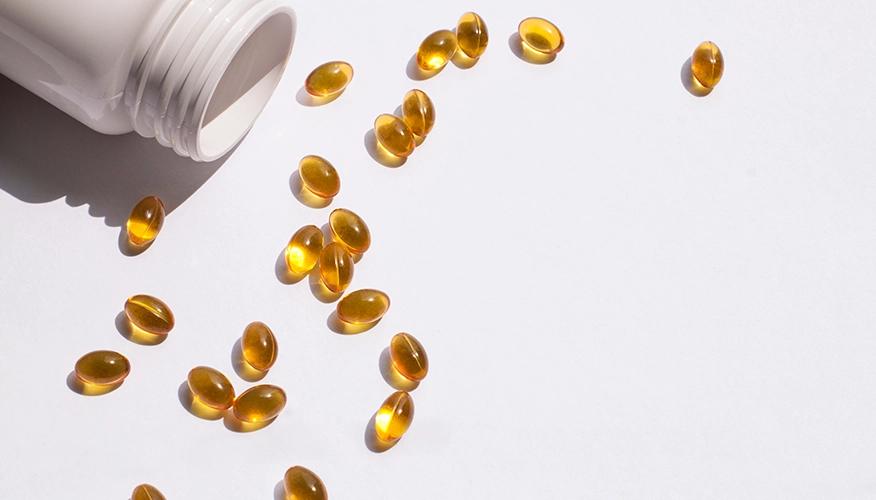
Here’s how prenatal vitamins for pregnancy play a crucial role:
1. Filling Nutritional Gaps in the Diet: Even with a well-balanced diet, some pregnant women might still experience nutritional deficiencies due to the increased demand for certain nutrients during pregnancy. Prenatal vitamins for pregnancy are designed to supplement a pregnant woman’s diet, ensuring that she gets the necessary vitamins and minerals required for a healthy pregnancy.
2. Ensuring Sufficient Levels of Key Nutrients: Pregnancy increases the need for certain key nutrients, including folic acid, iron, calcium, and vitamin D.
3. Folic Acid: It is crucial for preventing neural tube defects in the developing fetus, especially during the early stages of pregnancy when the neural tube is forming.
4. Iron: It supports the increased blood volume in pregnant women and helps in carrying oxygen to the fetus.
5. Calcium: It aids in the development of the baby’s bones and teeth.
6. Vitamin D: It assists in calcium absorption and also plays a role in maintaining healthy bones and teeth.
7. Supporting Fetal Development: Proper intake of prenatal vitamins for pregnancy ensures that the developing fetus receives the necessary nutrients required for healthy growth and development. This includes support for the development of vital organs, bones, and the neural system.
Benefits of Taking Prenatal Vitamins
Prenatal vitamins for pregnancy are crucial for ensuring the health and well-being of both the mother and the baby during pregnancy.
1. Reduces the Risk of Birth Defects and Developmental Issues
- Neural Tube Defects: Prenatal vitamins typically contain folic acid, which is vital for preventing neural tube defects. These defects occur in the brain and spinal cord, and taking sufficient folic acid before and during pregnancy significantly reduces the risk of these conditions.
- Brain and Eye Development: Vitamins such as DHA (an omega-3 fatty acid) are known to support the proper development of the baby’s brain and eyes.
2. Supports the Mother's Overall Health and Well-Being
- Bone Health: Prenatal vitamins contain calcium and vitamin D, which are essential for maintaining the mother’s bone health as the baby uses these minerals for its own bone growth.
- Red Blood Cell Production: Iron is another critical component of prenatal vitamins, as it helps prevent anemia by ensuring that both the mother and baby have enough red blood cells.
3. Helps Prevent Pregnancy-Related Complications
- Preeclampsia: Adequate intake of vitamins and minerals like calcium and vitamin D during pregnancy may help reduce the risk of preeclampsia, a condition characterized by high blood pressure and damage to other organs.
Preterm Birth: Some studies suggest that taking prenatal vitamins can reduce the risk of preterm birth.
FENZA
Choosing the Right Prenatal Vitamin
Here's a guide on choosing the right best prenatal vitamins for twin pregnancy or normal pregnancy:
1. Recommended Dosage and Types of Prenatal Vitamins
Prenatal supplements are specially formulated to meet the increased nutritional needs of pregnant women. Key ingredients typically include:
- Folic Acid: Vital for preventing neural tube defects. Recommended dosage is 400-800 mcg.
- Iron: Vitamin C for pregnant women supports the increase in blood volume. Women should aim for 27 mg per day.
- Calcium: Calcium supplement in pregnancy is essential for the development of baby’s bones and teeth. Aim for 1000 mg daily.
- Vitamin D: Vitamin D in pregnancy works with calcium for bone health and is essential for immune function. 600 IU is the recommended daily amount.
- DHA: An omega-3 fatty acid important for brain development. Look for at least 200 mg per day.
2. Considering Individual Dietary Needs and Restrictions
- Individual needs vary, and certain conditions or dietary restrictions may require special attention:
- Vegetarian/Vegan: Look for plant-based DHA and ensure that the vitamin B12 source is suitable for vegetarians.
- Gluten-Free: If you have celiac disease or a gluten sensitivity, ensure your prenatal vitamin is gluten-free.
- Allergies: Check the label for potential allergens, especially if you have known food allergies.
- Iron Sensitivity: Some women may experience constipation or nausea from iron. If this occurs, speak to your healthcare provider about alternative forms of iron or iron-free options.
When to Start Taking Prenatal Vitamins?
By starting prenatal vitamins for pregnancy in the preconception period and maintaining consistency throughout pregnancy and beyond, women can support their own health and the health of their babies, laying the foundation for a strong start in life.
Start taking the best fertility vitamins before trying to conceive to ensure your body has the necessary nutrients for a healthy pregnancy. Folic acid is crucial in these early stages to prevent neural tube defects and you can also opt for best folic acid tablets for pregnancy.
Maintain a regular intake of prenatal vitamins for pregnancy to support the growing needs of your baby and maintain your health. Consistency ensures a steady supply of essential nutrients like iron, calcium, and DHA, benefiting both prenatal development and postpartum recovery. Consult with a healthcare provider and go for a pregnancy check up for proper guidance.
Possible Side Effects and Precautions

Prenatal vitamins for pregnancy are supplements that are specifically formulated to meet the increased nutritional needs of pregnant women, or women who are planning to become pregnant. They typically contain higher amounts of certain nutrients that are crucial for fetal development, such as folic acid, iron, and calcium. While prenatal vitamins are generally considered safe and beneficial, they can have side effects and there are precautions that should be taken into account when consuming them.
Possible Side Effects
1. Nausea and Upset Stomach: Some women may experience nausea and an upset stomach after taking prenatal vitamins, particularly if taken on an empty stomach.
2. Constipation: The high iron content in prenatal vitamins can lead to constipation in some women.
3. Dark Stools: Iron can also cause the stools to appear darker in color, which is generally harmless but can be alarming.
4. Allergic Reactions: Rarely, some women may experience allergic reactions to ingredients in prenatal vitamins.
5. Interactions with Other Medications: Prenatal vitamins can interact with other medications, reducing their effectiveness or increasing the risk of adverse effects.
Precautions
1. Consult with a Healthcare Provider: Before starting any supplement regimen, it is important to consult with a healthcare provider to ensure that the vitamins are appropriate for your individual health needs.
2. Avoid Excessive Vitamin A: Prenatal vitamins should contain vitamin A during pregnancy in the form of beta-carotene rather than retinol, as excessive amounts of retinol during pregnancy can increase the risk of birth defects.
3. Proper Dosage: It is crucial to take the recommended dosage and not to exceed it, as taking too much of certain vitamins and minerals can be harmful.
4. Storage: Store the vitamins in a cool, dry place and out of reach of children to prevent accidental ingestion.
5. Timing: Some women find that taking prenatal vitamins at a certain time of day, or with food, can help reduce nausea.
6. Consideration of Nutrient Intake from Diet: Prenatal vitamins for pregnancy are not a substitute for a balanced diet. Ensure you are also getting nutrients from a variety of food sources.
7. Regular Check-ups: Have regular check-ups with your healthcare provider to monitor your and your baby’s health and adjust the vitamin regimen if necessary.

Conclusion
Prenatal vitamins for pregnancy are indispensable in safeguarding the health of both the expectant mother and her baby, providing essential nutrients required for fetal development and preventing birth defects. These vitamins are a vital complement to a balanced diet, helping to fill any nutritional gaps and promote optimal health. Expectant mothers are urged to prioritize their nutrition and consult with healthcare providers to tailor a supplementation plan that best suits their needs. By doing so, they are taking a crucial step toward laying a strong foundation for their child’s health and well-being, ensuring a healthy start to life.
Meet our expert

Meet our expert
Dr. Irina Borisovna Stefanenko, a medical doctor based in Ukraine, graduated from Vinnitsa State Medical University in 1995. Between 1995 and 2000, Dr. Stefanenko pursued postgraduate studies and engaged in scientific activities at Vinnytsa Medical University in Ukraine.


How was the experience with article?
We'd love to know!