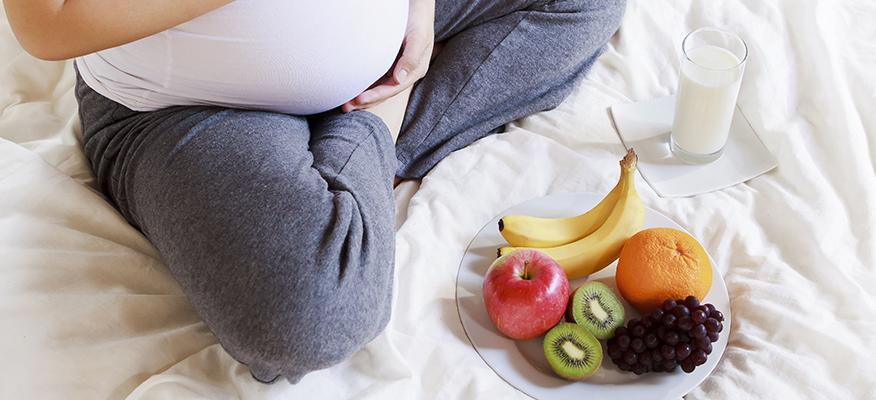
Choline is a vital nutrient that plays a critical role during pregnancy, yet it is often overshadowed by more commonly discussed nutrients like folic acid and iron. This essential component is crucial not only for the health of the pregnant mother but also for the optimal development of the fetus.
Recent studies have highlighted the significance of choline in supporting fetal brain development, reducing the risk of neural tube defects, and enhancing cognitive function. In this blog, we will explore the functions of choline, recommended dietary sources, and practical tips to ensure adequate intake throughout pregnancy.
What is choline for pregnancy?
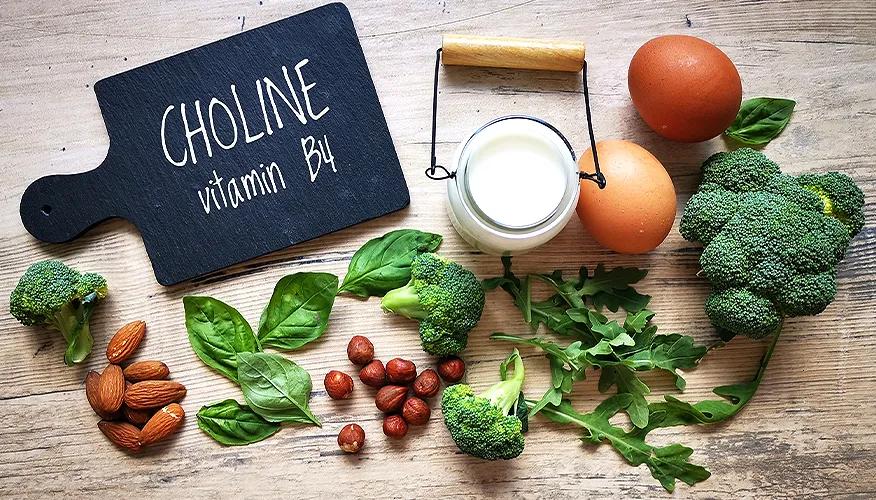
Choline is an essential nutrient that plays a pivotal role in prenatal care due to its numerous benefits for both the mother and the developing fetus.
It is crucial for the formation of the neural tube, which later develops into the baby's brain and spinal cord. Proper neural tube formation is critical in the early stages of pregnancy to prevent birth defects such as spina bifida and anencephaly. Choline also supports brain development, ensuring the growth of the fetal brain and promoting cognitive function and memory formation.
The well-being of expectant mothers is significantly enhanced by adequate choline intake. This nutrient aids in the proper functioning of the placenta, ensuring efficient nutrient transfer from mother to fetus. Additionally, choline plays a role in liver function, helping to metabolize fats and prevent liver complications.
Is choline safe during pregnancy?
Choline is safe and highly beneficial during pregnancy. It is an essential nutrient that plays a critical role in the development of the fetus and the health of the mother.
Pregnant women are encouraged to consume choline-rich foods or consider supplements as recommended by healthcare providers to support their health and the healthy development of their baby.
For expectant mothers, a lack of choline can contribute to health complications.

Choline benefits in pregnancy
Choline offers numerous benefits during pregnancy. Here are some of them:
- Enhanced fetal brain development: Choline is crucial for brain development, particularly in the formation of the hippocampus, which affects memory and overall cognitive function. Higher choline intake during pregnancy is associated with better cognitive outcomes in children.
- Prevention of neural tube defects: Like folic acid, choline is vital for the development of the neural tube, which forms early in pregnancy and becomes the brain and spinal cord. Adequate intake of choline can help reduce the risk of neural tube defects, leading to healthier nervous system development.
- Improved cellular growth and function: As a building block of phospholipids that make up all cell membranes, choline ensures healthy cellular structure and function. This is essential for the rapid growth and development occurring in the fetus.
- Supports placental function: Choline impacts the health and function of the placenta, which nourishes the fetus throughout pregnancy. It may enhance nutrient transport and overall placental efficiency.
- Mood regulation and stress response: Choline contributes to the production of acetylcholine, a neurotransmitter involved in mood regulation and memory. For pregnant individuals, this can mean better stress management and mood stability, which are crucial for both maternal well-being and fetal development.
How much choline do you need during pregnancy?
The recommended intake of choline during pregnancy is higher than at other times due to the crucial role it plays in fetal development and maternal health. The recommended dietary allowance for choline during pregnancy is:
- 450 milligrams per day during the initial phase of pregnancy.
- With progression in pregnancy, it can escalate up to 550 milligrams per day.
When to take choline in pregnancy?
Choline should be consumed throughout pregnancy due to its continuous importance in fetal development and maternal health.
However, there are certain stages when choline’s benefits are especially critical:
First Trimester
- Early pregnancy is a crucial time for neural tube development, and since choline contributes to this process, ensuring adequate intake from the beginning of pregnancy is important.
- This is similar to the critical early intake of folic acid.
Second and Third Trimesters
- As the fetus grows and brain development accelerates, the demand for choline increases.
- During these stages, choline supports the rapid cell division and growth of brain cells.
Choline intake should be consistent throughout pregnancy to support these developmental milestones.

Why is choline important for babies?
Choline is incredibly important for babies due to its essential roles in multiple aspects of development and functioning.
Here are the key reasons why choline is vital for infants:
- Brain development: Choline is critical for the brain's structural integrity and function. It plays a significant role in the development of the hippocampus, the part of the brain responsible for memory and learning. Adequate choline intake is linked to better memory retention and cognitive function.
- Neurological function: Choline is a precursor to acetylcholine, a neurotransmitter involved in many functions, including muscle control, memory, and mood. This makes choline essential for the proper functioning of the nervous system.
- Cell membrane construction: Choline is a key component of phospholipids that make up cell membranes. It helps maintain the structure and integrity of cells, which is crucial during the rapid growth and development in infancy.
- Metabolic health: Choline plays a role in lipid metabolism by transporting cholesterol and triglycerides from the liver. Proper choline levels help prevent fat accumulation in the liver, supporting overall metabolic health.
- Mood and sleep regulation: Through its role in producing acetylcholine, choline influences areas of the brain that regulate mood and sleep, which are crucial for a baby's development and daily functioning.
What is the best way to consume choline?
The best way to consume choline, especially during pregnancy, is through a combination of dietary sources and, if necessary, supplements. Here’s a detailed look:
Best foods with choline for pregnancy
Soy products:
- Tofu: A versatile source of protein and choline, tofu can be used in a variety of dishes.
- Soy Milk: Fortified soy milk provides choline along with other essential nutrients like calcium and vitamin D.
Legumes:
- Chickpeas: These can be used in salads, stews, or made into hummus.
- Lentils: A great addition to soups, stews, and salads, lentils are also rich in fiber and protein.
- Kidney Beans: Useful in chili, soups, and salads.
Nuts and seeds:
- Sunflower Seeds: Can be eaten as a snack, added to salads, or used as a topping for various dishes.
- Almonds: Another good snack option, almonds can also be used in baking and cooking.
Whole grains:
- Quinoa: A versatile grain that can be used in salads, as a side dish, or in main courses.
- Amaranth: Can be used similarly to quinoa, in salads, or as a breakfast porridge.
Vegetables and fruits:
- Broccoli: Can be steamed, roasted, or added to stir-fries and salads.
- Brussels Sprouts: A nutritious side dish, either roasted or steamed.
- Avocado: Can be used in salads, sandwiches, or made into guacamole.
Incorporating these foods into your diet
- Smoothies: Add spinach, sunflower seeds, and a splash of fortified soy milk to your morning smoothie.
- Salads: Create a hearty salad with quinoa, chickpeas, broccoli, and a dressing made from tahini and lemon juice.
- Stir-fries: Combine tofu, broccoli, and bell peppers with a soy-based sauce for a nutritious dinner.
- Snacks: Keep a stash of roasted almonds or sunflower seeds for a quick choline-rich snack.
- Soups and Stews: Incorporate lentils, chickpeas, and various vegetables into soups and stews for a warming meal.
Supplements
While dietary intake is the preferred method to obtain choline, some individuals might find it challenging to meet their needs through food alone, especially during pregnancy. In such cases, choline supplements can be beneficial. The common forms of choline supplements are:
- Choline Bitartrate
- Phosphatidylcholine
It’s essential to consult with a healthcare provider before starting any supplement, especially during pregnancy, to determine the appropriate type and dosage.
Is choline important even after birth? (keep as is from original)
The high demand for choline continues during the postnatal period. In infants, elevated levels of serum-free choline (i.e. 14 mol/L) are maintained through the next 12 to 24 months. Such high choline concentrations enhance the uptake of choline by the brain and other tissues.
Serum-free choline concentrations are also increased (50% to 100% higher) in breastfeeding women, presumably to ensure an adequate supply of choline for uptake by the mammary gland.
Mature human milk contains large amounts of choline, ranging from 104 to 156 mg/L (1 to 1.5 mmol/L). So pregnant women should include a high amount of choline in their diet. That will be also utilized after delivery and during breastfeeding.
You may be able to get enough choline by eating a varied diet, but many pregnant women don't get enough choline from diet alone and may need a supplement. If you worry that you're falling short, ask your healthcare provider whether a choline supplement or a prenatal vitamin that includes choline is in order.
Can choline be harmful? (keep as is from original)
Getting too much choline can cause a fishy body odor, vomiting, heavy sweating and salivation, low blood pressure, and liver damage.
Some research also suggests that high amounts of choline may increase the risk of heart disease.
- There is a daily upper limit for choline intake as follows:
- Children from 1 to 8 years should not taste more than 1000mg of choline.
- Children from 9 to 13 years should not take more than 2000mg of choline.
- Teens from 14 to 18 years should not take more than 3000mg of choline.
- For adults, the upper limit is 3500mg of choline beyond that choline intake can be harmful
Conclusion
Despite its importance, choline is often overlooked in discussions about prenatal nutrition, which traditionally focus on nutrients like folic acid and iron.
However, as research continues to reveal the broad benefits of choline, this nutrient clearly deserves attention in dietary planning for pregnancy.
Pregnant individuals should aim to incorporate choline-rich foods into their diet and consider supplementation if necessary, under the guidance of a healthcare provider. By doing so, they can significantly contribute to the healthy development of their child and their own well-being during this critical time.
Meet our expert

Meet our expert
Dr. Pulyk Nataliya Omelanivna is an Internal Medical Expert who is based out of Ukraine. With a special interest in internal medicine Dr Pulyk graduated from the Ternopil National Medical Academy in Ukraine, in the year 2001. Between the years 2002-2009, Dr Pulyk worked as an emergency physician. Her years of work as an emergency physician gave her immense exposure to a range of patients and an opportunity to learn on the job, and gather extensive experience.


How was the experience with article?
We'd love to know!