
Preeclampsia and eclampsia are among the more serious complications that can occur during pregnancy, affecting both the mother and the unborn baby.
Preeclampsia, a condition characterized by high blood pressure and signs of damage to another organ system, often the kidneys, usually appears after the 20th week of pregnancy. If not properly managed, preeclampsia can lead to eclampsia, a severe progression that includes the onset of seizures.
In this blog, we will shed light on these medical conditions, discussing their causes, symptoms, risk factors, and the critical importance of early detection and management.
What are preeclampsia and eclampsia?

Preeclampsia and eclampsia are serious complications associated with pregnancy, posing significant risks to both the mother and the unborn baby.
Preeclampsia involves high blood pressure that develops after 20 weeks of pregnancy in women whose blood pressure had previously been normal, along with signs of damage to other organs, usually the liver and kidneys. Without treatment, it can lead to severe outcomes, including restricted growth and premature birth of the baby, and serious health risks for the mother.
Eclampsia represents a severe progression of preeclampsia, characterized by the onset of seizures. These seizures are a medical emergency and can be life-threatening, potentially causing permanent damage to the mother’s organs and even death for the mother and baby.
What causes preeclampsia and eclampsia?
Here’s a closer look at the potential causes of preeclampsia and eclampsia:
- Placental development: Preeclampsia begins with problems in the development of the placenta. Specifically, the blood vessels that supply the placenta may not widen enough to deliver sufficient blood. This inadequate blood flow can cause the placenta to release factors into the mother’s bloodstream that lead to the health issues seen in preeclampsia.
- Gestational hypertension: This condition involves high blood pressure that develops after the 20th week of pregnancy. Unlike preeclampsia, it does not result in significant protein levels in the urine.
- Chronic hypertension: This refers to high blood pressure that either precedes pregnancy or begins before the 20th week of pregnancy.
- Chronic hypertension with superimposed preeclampsia: This condition arises when pre-existing chronic hypertension in a pregnant woman deteriorates, leading to escalated blood pressure levels. This exacerbation is accompanied by the presence of increased protein in the urine and other complications, signaling the development of preeclampsia.
Who is at risk for preeclampsia and eclampsia?
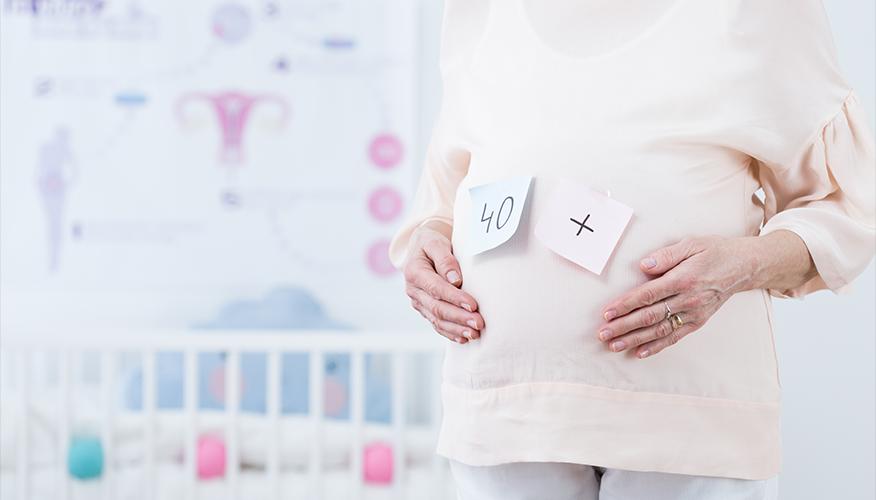
While any pregnant woman can develop these conditions, the risks are higher for those who:
- Are pregnant for the first time: The risk of preeclampsia is generally higher during a woman's first pregnancy.
- Have a history of preeclampsia: Women who have had preeclampsia in a previous pregnancy, especially if severe or early in pregnancy, are at increased risk.
- Have existing health conditions: Conditions like high blood pressure, diabetes, kidney disease, and autoimmune diseases such as lupus increase the risk.
- Are carrying multiple babies: The risk of preeclampsia is higher in pregnancies involving twins, triplets, or more.
- Are over the age of 35: Older maternal age is associated with a higher risk of developing preeclampsia.
- Had IVF treatment: Women who become pregnant through in vitro fertilization may have a higher risk.
- Have a high body mass index (BMI): Obesity increases the risk of developing preeclampsia.
- Have had a long interval between pregnancies: A gap of 10 years or more between pregnancies is associated with an increased risk.
Signs and symptoms of preeclampsia and eclampsia
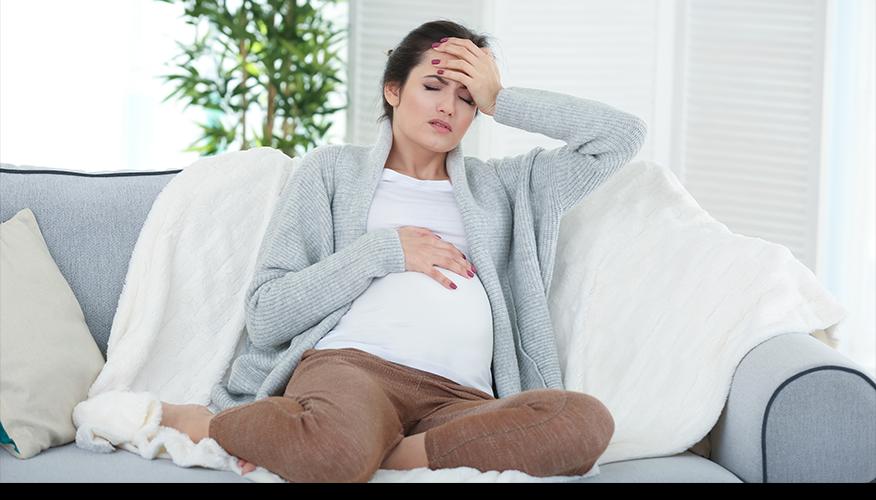
Here are some of the signs and symptoms of preeclampsia:
- High blood pressure: A blood pressure reading of 140/90 mm Hg or higher on two separate occasions at least four hours apart is a primary sign.
- Proteinuria: The detection of an unusually high level of protein in the urine.
- Severe headaches: Persistent or severe headaches that don’t go away with usual treatment can be a symptom.
- Changes in vision: Vision problems such as blurriness, light sensitivity, seeing spots, or temporary loss of vision.
- Upper abdominal pain: Pain, usually under the ribs on the right side, but sometimes more generalized across the upper abdomen.
- Nausea or vomiting: These symptoms can appear new or get worse in the second half of pregnancy, distinct from the usual morning sickness in early pregnancy.
- Decreased urine output: Less urine or infrequent urination than usual can be an indication of kidney problems.
- Sudden weight gain: A sudden increase in body weight over 1-2 days due to a significant increase in bodily fluids.
- Swelling (Edema): Swelling, particularly in the hands and face, can be a sign of preeclampsia
When preeclampsia advances to eclampsia, the major symptom is seizures. Additionally, a woman might experience:
- Severe agitation
- Loss of consciousness
- Muscle pains and cramps
- Severe anxiety
Diagnosis of preeclampsia and eclampsia
Diagnosing preeclampsia and eclampsia involves a combination of clinical assessments, symptom evaluation, and laboratory tests. Here's a typical diagnostic approach:
Preeclampsia
- Blood pressure monitoring: Regular blood pressure checks are essential.
- Urine tests: A urine sample may be analyzed for protein, a condition known as proteinuria, which is another key indicator of preeclampsia.
- Blood tests: These tests can help assess kidney and liver function and include measurements of serum creatinine, liver transaminases, and platelet count.
Eclampsia
- Observation of symptoms: The primary sign of eclampsia is the occurrence of seizures that cannot be attributed to other causes in a woman with preeclampsia.
- Continuous monitoring: Vital signs, including blood pressure and oxygen saturation, are continuously monitored.
Complications of preeclampsia and eclampsia
Preeclampsia and eclampsia can lead to severe complications for both the mother and the baby if not effectively managed. Here are some complications:
For the mother:
- HELLP syndrome: An acronym for Hemolysis, Elevated Liver enzymes, and Low Platelet count, HELLP syndrome is a life-threatening complication associated with severe preeclampsia, leading to multiple organ dysfunction.
- Cerebral hemorrhage: High blood pressure can cause bleeding in the brain, which is a severe and potentially fatal condition.
- Eclampsia: If preeclampsia is not controlled, it can lead to eclampsia, which includes seizures that can be dangerous to both mother and baby.
- Acute kidney injury: Preeclampsia can impair kidney function, leading to reduced urine output and retention of waste products in the blood.
- Liver damage: Elevated blood pressure and impaired liver function can result in severe right-upper-quadrant abdominal pain, elevated liver enzymes, and in severe cases, liver rupture.
- Pulmonary edema: This condition, where fluid accumulates in the lungs, can occur due to excess fluid and capillary leakage, making breathing difficult.
- Placental abruption: Preeclampsia increases the risk of the placenta detaching from the uterine wall before delivery, which can cause severe bleeding and is dangerous for both mother and baby.
For the baby:
- Premature birth: To prevent severe complications or in response to them, it may be necessary to deliver the baby prematurely, which can lead to various health challenges related to being born early, such as respiratory distress syndrome, feeding difficulties, and long-term developmental delays.
- Intrauterine Growth Restriction (IUGR): Poor placental blood flow can restrict the baby’s growth and development, leading to low birth weight.
- Hypoxia: Insufficient oxygen delivery to the baby due to impaired placental function can lead to complications during delivery and potentially long-term neurological damage.
Management and treatment of preeclampsia and eclampsia
Managing and treating preeclampsia and eclampsia involves monitoring, medication, and often careful consideration of delivery timing to ensure the safety of both mother and baby.

Preeclampsia management
- Monitoring: Regular checks of the mother's blood pressure, urine protein, and liver and kidney functions. Fetal health is monitored via ultrasounds and heart rate assessments.
- Medications: Antihypertensives control blood pressure, and corticosteroids may be used to enhance fetal lung maturity and stabilize the mother’s condition.
- Hospitalization: Severe cases may require hospitalization for close monitoring and immediate treatment.
- Delivery: Delivery is the definitive treatment, with the timing dependent on the severity of preeclampsia, gestational age, and fetal condition.
Eclampsia management
- Seizure control: Immediate administration of magnesium sulfate to prevent further seizures.
- Blood pressure control: Rapid management with IV antihypertensives to lower dangerously high blood pressure.
- Emergency delivery: Often necessitates the immediate delivery of the baby once the mother is stabilized, regardless of the pregnancy stage.
Prevention of preeclampsia and eclampsia

Preventing preeclampsia and eclampsia is challenging. However, there are strategies that can help reduce the risk and manage the conditions effectively if they develop. Here’s a guide on prevention:
- Frequent Check-ups
- Proper diet and Nutrition
- Moderate Physical Activity
- Medical Assessment
- Calcium Supplementation
- Manage Pre-existing Conditions.
- Age and Weight Considerations

Conclusion
Preeclampsia and eclampsia are significant health challenges during pregnancy, posing risks to both mother and baby. Early recognition and management are crucial for mitigating these risks. Regular prenatal care, lifestyle modifications, and appropriate medical interventions are essential for managing these conditions effectively.
Pregnant women should maintain regular communication with their healthcare providers and follow recommended guidelines to ensure a healthy pregnancy outcome. As research advances, it is hoped that more effective strategies for prevention and treatment will be developed, further enhancing maternal and fetal health.
Meet our expert
.webp&w=1920&q=75)
Meet our expert
Dr. Kulyk Alexander Petrovich is a Ukraine-based gynecologist, with extensive experience in women's health. In 1995, he graduated from the Kyiv Medical University, and specialized in gynecology. He then went on to work as a gynecologist in the Institute of Pediatric, Obstetrics and Gynecology in Kyiv, where he worked until the year 2000.


How was the experience with article?
We'd love to know!