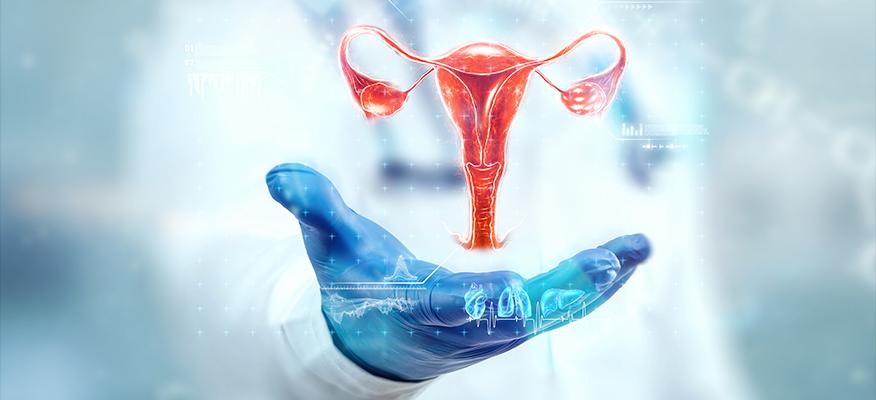
Whether you plan on getting pregnant, or just find it out as a happy accident, you wish for nothing but the safe and healthy growth of your unborn child in your womb. However, sometimes, your baby can settle itself in the wrong place and this can be problematic. This is an ectopic pregnancy.
An ectopic pregnancy, where a pregnancy develops outside the uterus, most commonly in a fallopian tube, is a complex and potentially life-threatening condition that affects approximately 1-2% of all pregnancies. This medical anomaly, often called a "tubal pregnancy," not only poses serious health risks but also presents emotional and psychological challenges for those affected. Understanding the signs, symptoms, and treatment options for an ectopic pregnancy is crucial for early detection and effective management. In this blog, we will delve into the intricacies of ectopic pregnancies.
What is ectopic pregnancy?
An ectopic pregnancy is a condition when a fertilized egg implants and grows outside the main cavity of the uterus. Most often, this growth happens in a fallopian tube. Thus, it is also called a "tubal pregnancy." However, in rare cases, the egg may also implant in the ovary, abdominal cavity, or cervix.
Ectopic pregnancy causes
Ectopic pregnancy occurs due to various factors that interfere with the egg's movement through the fallopian tube to the uterus.
Here are some common causes of ectopic pregnancy:
- Fallopian tube damage or abnormality: Any damage or structural abnormality in the fallopian tubes can hinder the egg's ability to travel to the uterus. This damage can be due to inflammation, previous surgery, or infection like pelvic inflammatory disease (PID), often caused by sexually transmitted infections such as chlamydia or gonorrhea.
- Previous ectopic pregnancy: Having a history of one ectopic pregnancy increases the risk of having another.
- Surgical history: Surgeries on the fallopian tubes or pelvic area can lead to scar tissue that may block or slow down the movement of the egg.
- Fertility treatments: Women undergoing fertility treatments such as in vitro fertilization (IVF) may have a slightly increased risk of ectopic pregnancy.
- Age: Ectopic pregnancies are more common in women aged 35-44 years.
- Endometriosis: This condition, which involves the growth of uterine lining tissue outside the uterus, can affect the function of the fallopian tubes and ovaries.
Signs and symptoms of ectopic pregnancy

The signs and symptoms of an ectopic pregnancy can be similar to those of a normal early pregnancy.
Here are some symptoms:
- Abdominal or pelvic pain: Often sharp and stabbing, this pain may be felt mainly on one side. It can vary significantly in intensity and may come and go or be constant.
- Vaginal bleeding: This bleeding might be different from a regular menstrual period. It could be lighter or heavier, or have a different color, often darker—brownish or even with a watery discharge.
- Shoulder pain: The pain is usually felt in the tip of the shoulder and might worsen when lying down or breathing deeply.
- Gastrointestinal symptoms: These may include nausea, vomiting, or diarrhea, which are also common in normal early pregnancy, making diagnosis based on these symptoms alone challenging.
- Dizziness or weakness: If the ectopic pregnancy causes internal bleeding, it may lead to symptoms of shock, including feeling faint, dizziness, or fainting.
- Pain during physical activities: Pain may intensify during physical activities or even while moving certain ways, like going up stairs or making sudden movements.
Risk factors of ectopic pregnancy

The risk factors for ectopic pregnancy are:
- Pelvic inflammatory disease (PID): PID often results from sexually transmitted infections like chlamydia and gonorrhea. It can result in scarring and damage to the fallopian tubes.
- Intrauterine device (IUD): While IUDs are highly effective at preventing intrauterine pregnancies, if pregnancy does occur, there's a higher likelihood it could be ectopic.
- Smoking: Tobacco use at the time of conception increases the risk. Smoking affects the fallopian tubes' ability to move the embryo toward the uterus.
- History of sexually transmitted infections (STIs): STIs can cause inflammation and scarring of the fallopian tubes.
- Contraceptive choice: While rare with hormonal contraceptives, pregnancies that occur despite the use of certain hormonal birth control methods (like the pill) can have a higher risk of being ectopic.

What are the complications of an ectopic pregnancy?
Here are the primary complications associated with ectopic pregnancies:
- Tubal rupture: As the fertilized egg grows in the fallopian tube, it can cause the tube to stretch and eventually rupture. This can lead to significant internal bleeding, which is a medical emergency.
- Infertility: Damage to the fallopian tubes from an ectopic pregnancy, particularly if there has been a rupture, can affect fertility. In some cases, the fallopian tube may need to be removed, which could impact the ability to conceive naturally in the future.
- Recurrent ectopic pregnancy: Once a woman has had an ectopic pregnancy, the risk of having another increases. This risk is compounded if the underlying cause that led to the first ectopic pregnancy, such as damaged fallopian tubes, remains unresolved.
Ectopic pregnancy diagnosis
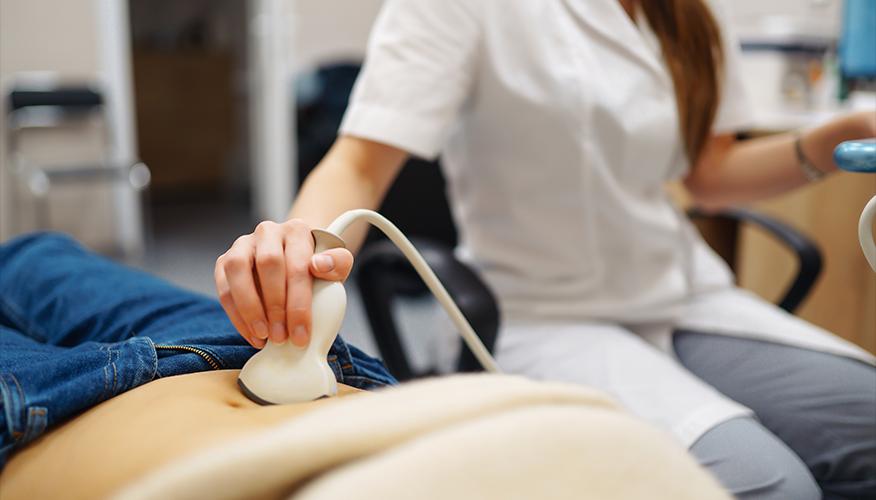
Here are the key steps in diagnosing an ectopic pregnancy:
- Medical history: The doctor checks medical history, symptoms, menstrual cycle, and any previous pregnancies or health conditions that might affect pregnancy.
- Physical exam: A pelvic exam is conducted to check for pain, tenderness, or a mass in the pelvic area.
- Pregnancy test: A urine or blood test is done to check for the presence of hCG (human chorionic gonadotropin), which is a hormone produced during pregnancy. An ectopic pregnancy can produce lower and slower rises in hCG levels compared to a normal pregnancy.
- Ultrasound: This is a critical test for diagnosing ectopic pregnancy. A transvaginal ultrasound (where a probe is inserted into the vagina) allows the doctor to see where the pregnancy is located.
- Laparoscopy: If the diagnosis is still uncertain after these tests, a laparoscopy may be performed. This is a surgical procedure in which a small incision is made near the navel and a small camera is inserted to look directly at the fallopian tubes and other pelvic organs.
Management of ectopic pregnancy

Here are the primary methods used to manage ectopic pregnancies:
- Expectant management: In cases where the ectopic pregnancy is small and not causing severe symptoms, and if hCG levels are decreasing on their own, expectant management may be an option. This approach involves close monitoring of hCG levels and patient symptoms to allow the ectopic pregnancy to resolve naturally without intervention.
- Surgery: Surgery is often necessary if the ectopic pregnancy has ruptured or is at risk of rupturing, or if the patient has significant symptoms or high hCG levels. The most common surgical procedure is laparoscopy, a minimally invasive surgery where small incisions are made and a camera and instruments are inserted to remove the ectopic pregnancy. If the fallopian tube is damaged, part or all of it may need to be removed.
Ectopic pregnancy treatment
The treatment for ectopic pregnancy is crucial to prevent severe complications and preserve the health of the individual. It typically involves one of the following approaches based on the specific circumstances of the pregnancy:
- Methotrexate Therapy: Methotrexate is a medication used to treat early, unruptured ectopic pregnancies where the embryo has no cardiac activity. It works by inhibiting cell division, effectively stopping the growth of the embryo.
- Laparoscopy: This is the most common surgical procedure for an ectopic pregnancy, especially when it's causing significant symptoms or if there's concern about rupture. During laparoscopy, a small incision is made in the abdomen, and a camera is used to guide the removal of the ectopic pregnancy.
- Laparotomy: In more severe cases, such as a ruptured ectopic pregnancy with significant internal bleeding, a more extensive surgical procedure called laparotomy might be required.
Prevention of ectopic pregnancy
Preventing an ectopic pregnancy can be challenging. However, there are some steps that can be taken to reduce the risk of an ectopic pregnancy:
- Reduce risk of pelvic inflammatory disease (PID): Since PID is a significant risk factor for ectopic pregnancy, preventing sexually transmitted infections (STIs) is crucial. This can be achieved through:
- Safe sexual practices: Using condoms during sexual intercourse to prevent STIs.
- Regular STI screenings: Especially important for those who are sexually active with multiple partners or have a new partner.
- Quit smoking: Smoking has been linked to an increased risk of ectopic pregnancies. Quitting smoking helps to improve reproductive health and reduce the risk.
- Manage existing health conditions: Conditions like endometriosis or previous pelvic surgeries can increase the risk of ectopic pregnancy. Managing these conditions with the help of healthcare providers can help reduce risks.

Conclusion
Ectopic pregnancies present a serious health challenge that requires awareness, early detection, and appropriate intervention. It is important for women to be proactive about their reproductive health by engaging in preventative measures and seeking timely medical advice when symptoms arise.
By doing so, they can significantly mitigate the risks associated with ectopic pregnancies. Always consult healthcare professionals for guidance and support throughout the journey of managing and overcoming an ectopic pregnancy.
Meet our expert
.webp&w=1920&q=75)
Meet our expert
Dr. Kulyk Alexander Petrovich is a Ukraine-based gynecologist, with extensive experience in women's health. In 1995, he graduated from the Kyiv Medical University, and specialized in gynecology. He then went on to work as a gynecologist in the Institute of Pediatric, Obstetrics and Gynecology in Kyiv, where he worked until the year 2000.



How was the experience with article?
We'd love to know!