
Are you a mother-to-be? If yes, congratulations, you are in for a wonderful ride! These nine months will be truly transformative for you.
Your maternal instincts might start to kick in right from the time of conception. Which is how you tend to be extra careful, taking every precaution to ensure your child’s safety. This includes being warned and aware of complications like gestational diabetes and being aware of gestational diabetes menu ideas to tackle the condition if need be.
But first, we need to understand what exactly is gestational diabetes? Let's take a closer look.
What is gestational diabetes?
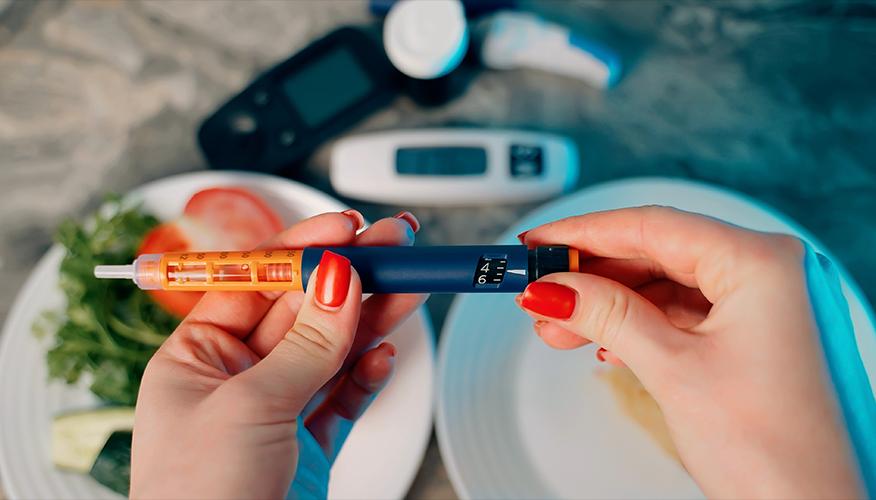
Gestational diabetes (GD) is a condition where high blood sugar develops during pregnancy and usually disappears after giving birth. It can occur at any stage but most commonly occurs between 24 and 28 weeks.
Between 2% and 10% of pregnant people in the United States develop gestational diabetes. Gestational diabetes often doesn't have any symptoms. You may experience mild symptoms like being thirstier than normal or having to urinate more often.
Gestational diabetes can cause problems for you and your baby during pregnancy and after birth. However, if the condition is detected early and managed, the risks can be reduced. You can control gestational diabetes by eating healthy foods, exercising, and taking medication.
What causes gestational diabetes?
Every woman is unique, and so is pregnancy. Researchers don't yet know why some women get gestational diabetes and others don't. You may not have diabetes previously, still, you may get gestational diabetes.
The possible causes are listed below:
- Gestational diabetes occurs when the body can't make enough insulin during pregnancy. Insulin acts like a key to letting blood sugar into the cells in your body for energy use. The absence of insulin causes sugar spikes in the blood leading to GD.
- During pregnancy, the body makes hormones and goes through other changes, such as weight gain. These changes cause the use of insulin less well and develop a condition called insulin resistance, which increases your body's need for insulin. Some women have insulin resistance even before they get pregnant and are likely to develop insulin resistance.
- Genes and being overweight (a BMI greater than 25) may also play a role.
Facts about gestational diabetes
As we said, gestational diabetes is more common than you think. So, if you are suspected of having gestational diabetes, worry not. You aren't alone.
- 20 million women had some form of hyperglycemia in pregnancy. An estimated 84% were due to gestational diabetes.
- Approximately 50% of women with a history of GDM go on to develop type 2 diabetes within five to ten years after delivery.
- 1 in 6 births is affected by gestational diabetes.
- Most of the global burden of gestational diabetes comes from low- and middle-income countries. This could be credited to the lack of access to sufficient maternal care in these countries.
These statistics also make it clear that gestational diabetes is an important issue that pregnant women need to be aware of and take necessary actions to prevent and control gestational diabetes.
Gestational diabetes is similar to type 2 diabetes in that the body does produce insulin; however, the cells are not able to utilize it. Your pancreas works overtime to produce insulin, however, this insulin cannot effectively lower your blood sugar levels, thus making you diabetic during your pregnancy.
Signs and symptoms of gestational diabetes
Gestational diabetes doesn’t usually cause any symptoms. Symptoms are mild and often go unnoticed until you’re tested for diabetes in the second trimester of pregnancy.
But some people experience:
- Increased thirst
- Frequent urination
- Dry mouth
- Tiredness
- Blurred eyesight
- Genital itching or thrush
However, some of these symptoms are common during pregnancy and are not necessarily a sign of gestational diabetes.
You'll need to be tested to know for sure if you have gestational diabetes.
Risk factors for gestational Diabetes
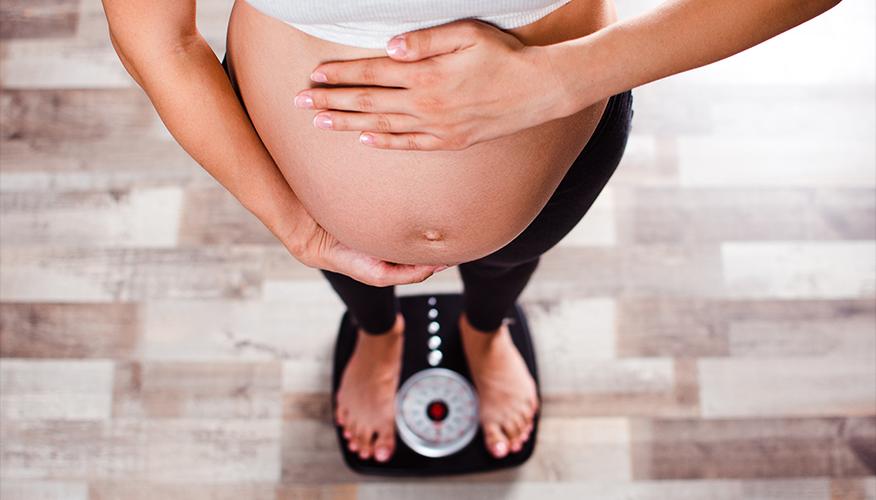
Gestational diabetes can happen to any pregnant woman. But people over the age of 25 of South and East Asian, Hispanic, Native American, or Pacific Island descent are at a higher risk.
Common risk factors for gestational diabetes include:
- Being overweight or obese is a risk for GD. A BMI of 30 or higher before pregnancy significantly increases the risk.
- Not being physically active
- Having prediabetes
- Heart disease
- Gestational diabetes during a previous pregnancy
- Women with PCOS are at a higher risk due to the hormonal imbalances associated with the condition.
- Have a family history (a close relative like a parent or sibling ) of type 2 diabetes and GD.
- Having delivered a baby weighing more than 9 pounds (4.1 kilograms)
- Being of a certain race or ethnicity, such as African American, Hispanic or Latino, American Indian, Alaska Native, Native Hawaiian, or Pacific Islander person.
Gestational diabetes complications
Women with gestational diabetes, have otherwise normal pregnancies with healthy babies. However, if not properly managed, it can lead to several complications for both the mother and the baby.
- Your baby is growing larger and has excessive birth weight. This may lead to difficulties during the delivery and increase the likelihood of induced labor or a cesarean section. Babies weighing 9 pounds or more may become wedged in the birth canal and have birth injuries.
- High blood sugar levels may increase the risk of early labor and preterm birth before the 37th week of pregnancy.
- It also causes polyhydramnios, too much amniotic fluid (the fluid that surrounds the baby) in the womb, which can cause premature labor or delivery complications.
- Babies born early or to mothers with poorly controlled diabetes may have underdeveloped lungs, and develop respiratory distress syndrome- a condition that makes breathing difficult.
- Newborns can develop low blood sugar(hypoglycemia) shortly after birth, which may cause seizures if not promptly treated.
- Babies may be at an increased risk of jaundice, a condition where the skin and eyes turn yellow due to elevated bilirubin levels.
- Children born to mothers with gestational diabetes are at a higher risk of developing obesity and type 2 diabetes later in life.
- Untreated gestational diabetes can result in a baby's death either before or shortly after birth.
- Gestational diabetes increases your risk of high blood pressure and preeclampsia-a serious complication of pregnancy that causes high blood pressure and other symptoms that can threaten both your life and your baby's life.
- As there is weight gain in the baby, it can lead to complications during delivery, such as the need for a cesarean section or birth injuries.
- You also have a higher risk of developing type 2 diabetes as you get older and there is a high chance that you will get gestational diabetes in your future pregnancy.
Screening for gestational diabetes
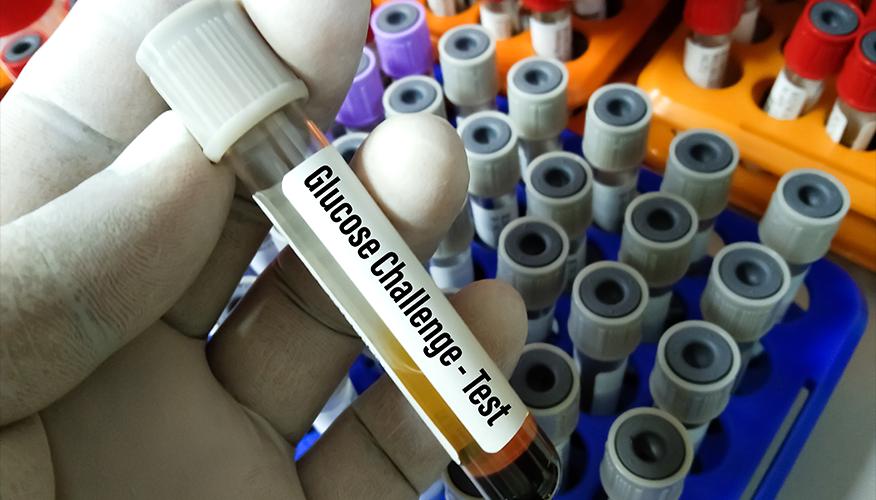
Screening for gestational diabetes is important to mitigate its complications. It typically occurs between the 24th and 28th weeks of pregnancy, but it may be done earlier if you have risk factors.
Glucose Challenge Test (GCT)
- At the initial visit, your doctor will ask you some questions to determine whether you're at an increased risk of gestational diabetes.
- If you have 1 or more risk factors for gestational diabetes you will be asked to do a screening test- glucose challenge test (GCT).
- You will drink a glucose solution containing a specific amount of sugar and after one hour of drinking the solution, a blood sample is taken to measure your blood sugar level.
- If your blood sugar is high, your healthcare provider will do a glucose tolerance test.
Oral Glucose Tolerance Test (OGTT)
- If your GCT results are abnormal, OGTT will be done, in which fasting is required.
- You need to fast for eight hours before the tolerance test, so it's usually done in the morning.
- You will drink a glucose solution containing 75 or 100 grams of sugar.
- Your healthcare provider draws your blood at multiple intervals one, two, and three-hour intervals.
If two or more of these blood sugar readings are above the established thresholds, you will be diagnosed with gestational diabetes.
FENZA
Treatments for gestational diabetes
Managing gestational diabetes involves lifestyle changes, regular monitoring, and medication if needed. You can have healthy pregnancies and reduce the risk of complications if you adhere to the treatment plan and never miss out on your prenatal appointments.
- Blood sugar levels should be checked several times-fasting in the morning and 1-2 hours after meals. You may need to monitor your blood sugar at home with a glucose meter.
- Being active lowers your blood sugar and makes you more sensitive to insulin. Engage in moderate physical activity that suits you, such as walking, swimming, or prenatal yoga, for at least 30 minutes most days of the week after consulting your doctor.
- Eating healthy food in the right amounts at the right times or a balanced diet is crucial in managing gestational diabetes. Include whole grains, legumes, and vegetables with low glycemic index over sugary snacks and white bread. The meal should be balanced with carbohydrates, proteins, and fats to help maintain steady blood sugar levels.
- Monitor portion sizes to avoid excessive calorie intake.
- Eating smaller, more frequent meals spread over a day can help prevent blood sugar spikes.
- Avoid junk food, processed foods, and sugary drinks.
- If healthy eating and being active aren't enough to manage your blood sugar, your doctor may prescribe insulin, metformin, or other medication.
Most individuals can control blood sugar levels with diet changes and exercise. Regular prenatal visits can confirm if your condition is under control and the baby’s growth can be monitored by conducting ultrasounds and other tests.
Long-term effects of gestational diabetes

Gestational diabetes brings long-term effects to both mom and baby. Therefore, you must be aware of its implications and take measures to control it.
- Your blood sugar levels should normalize after giving birth and your hormone levels return to normal. However, about 50% of those with gestational diabetes develop Type 2 diabetes later in life.
- Healthcare providers advise taking blood glucose tests every six to 12 weeks after pregnancy to watch for diabetes.
- You are also likely to develop gestational diabetes again in future pregnancies.
- You also may develop poor metabolic rates, obesity, heart disease, etc.
- The baby also likely develops obesity, type 2 diabetes, poor metabolism, and other health issues later in life.
How can gestational diabetes be prevented?
Before you get pregnant, you may be able to prevent gestational diabetes with lifestyle changes.
However, there are no guarantees as some may have strong genetic or other risk factors.
A few tips that may help you to prevent gestational diabetes are:
- If planning to get pregnant, maintain a healthy weight before becoming pregnant. Obesity is one of the risk factors for gestational diabetes. If already conceived, you should gain the appropriate weight as suggested by the doctor.
- Choose foods high in fiber and low in fat and calories like fruits, vegetables, and whole grains. Always watch the portion size.
- Exercising before and during pregnancy can help protect you from developing gestational diabetes. 30 minutes of moderate activity on most days of the week will save you from risks.
- Regular check-ups allow your healthcare provider to monitor your health and provide guidance on maintaining a healthy pregnancy. Screenings are the best way to monitor and manage gestational diabetes.
- Minimize intake of processed and junk foods and sugary and fizzy drinks.
- Practice stress-reduction techniques like mindfulness, meditation, deep breathing exercises, or prenatal yoga to maintain overall well-being.
- Ensure you get enough sleep, as poor sleep can affect blood sugar levels and overall health.
- Manage any other medical condition you have like PCOS, as it can increase the risk of developing GD.
- Drink plenty of water throughout the day. Proper hydration helps maintain healthy blood sugar levels and overall well-being.

Conclusion
Women who have had gestational diabetes are at higher risk of developing type 2 diabetes later in life and should be regularly monitored for changes in blood sugar levels. It requires careful management to ensure the health and well-being of the mother and baby.
The care plan should include a balanced diet, regular physical activity, blood sugar monitoring, and stress management. With proper treatment and lifestyle changes, most women with gestational diabetes can have healthy pregnancies and deliveries.
The pregnancy period is to be happy and filled with dreams about your little one. Never let any condition get in the way of your happiness.
Meet our expert
.webp&w=1920&q=75)
Meet our expert
Dr. Kulyk Alexander Petrovich is a Ukraine-based gynecologist, with extensive experience in women's health. In 1995, he graduated from the Kyiv Medical University, and specialized in gynecology. He then went on to work as a gynecologist in the Institute of Pediatric, Obstetrics and Gynecology in Kyiv, where he worked until the year 2000.



How was the experience with article?
We'd love to know!