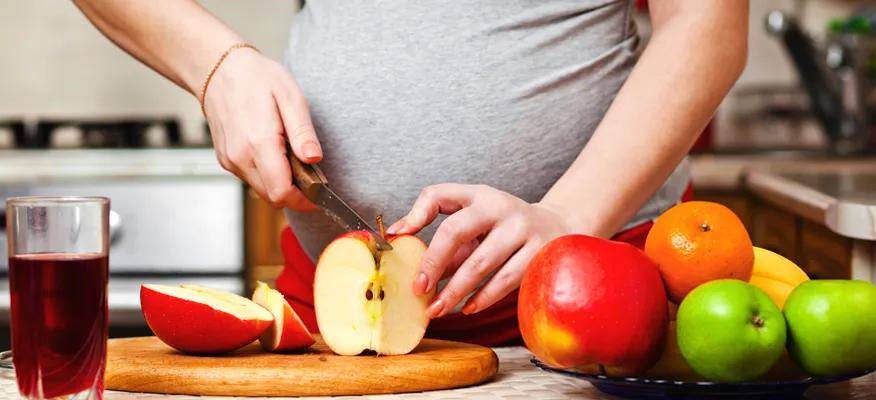
Pregnancy demands special attention to diet, as what an expectant mother eats becomes the primary source of nutrients for her growing baby. A balanced diet is non-negotiable during these critical nine months, with the aim to support all aspects of fetal development and maternal health.
Fruits, in particular, are a powerhouse of essential nutrients, providing vitamins, minerals, and fibers necessary for both the mother and the developing child. In this blog, we’ll explore why integrating the best fruits for pregnancy is vital and how it can impact the health outcomes for mother and baby alike.
Nutritional Benefits of Fruits During Pregnancy
Fruits are considered nutritional powerhouses due to their high content of essential nutrients. They provide a substantial amount of vitamins, such as vitamin C, which is important for the immune system, and vitamin A, which is vital for vision and skin health.
Minerals like potassium, found in bananas, help regulate blood pressure, and magnesium, present in avocados, is crucial for muscle and nerve function. The dietary fiber found in fruits like apples and pears promotes digestive health and can aid in maintaining a healthy weight.
Antioxidants, such as flavonoids and carotenoids, are abundant in fruits like berries and citrus; these compounds combat oxidative stress and may reduce the risk of chronic diseases.
During pregnancy, the intake of fruits is especially important as they contribute to the health of both the mother and the developing fetus. Vitamins such as folic acid, found in citrus fruits, are essential in preventing neural tube defects in the fetus.
The fiber in fruits helps in managing blood sugar levels and reducing the risk of gestational diabetes, while the antioxidants protect cells from damage. The hydration and the natural sugars in fruits also provide an energy boost, which can be beneficial as the energy needs of a pregnant woman increase.
Eating a variety of the best fruits for pregnancy ensures a wide range of nutrients, supporting a healthy pregnancy and promoting optimal fetal development.
1st Trimester: Fruits for Early Pregnancy
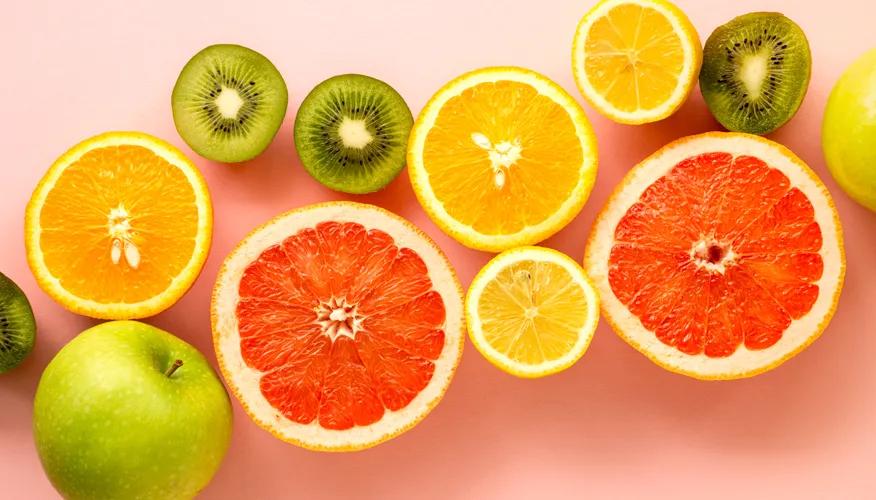
In the early stages of pregnancy, certain fruits are particularly beneficial due to their nutrient profiles:
- Citrus fruits like oranges and grapefruits are high in vitamin C and folic acid, crucial for the development of the placenta and for preventing neural tube defects.
- Bananas are rich in potassium and vitamin B6, which can help with nausea that often accompanies pregnancy.
- Avocados offer healthy fats, folate, and vitamin E, supporting the neural and brain development of the fetus.
- Berries, including strawberries, blueberries, and raspberries, are packed with antioxidants, vitamin C, and fiber, which aid in cell protection and overall health.
The specific nutrients in the best fruits for pregnancy support the initial phases of fetal development in several ways:
- Foods high in folic acid are essential for the formation of the neural tube and can prevent major birth defects of the baby's brain and spine.
- Vitamin C contributes to the development of a healthy immune system and is also important for the absorption of iron, which is crucial for the baby's blood cell production.
- Vitamin B6 is involved in the development of the baby's brain and nervous system.
- Potassium helps to maintain fluid balance, muscle function, and nerve function.
- The healthy fats in avocados are important for the development of the baby's brain, and vitamin E protects cell membranes.
- Antioxidants help in protecting both the mother and fetus from cellular damage and stress, which is especially important during the rapid development in the early stages of pregnancy.
2nd Trimester: Fruits for Mid-Pregnancy Nourishment
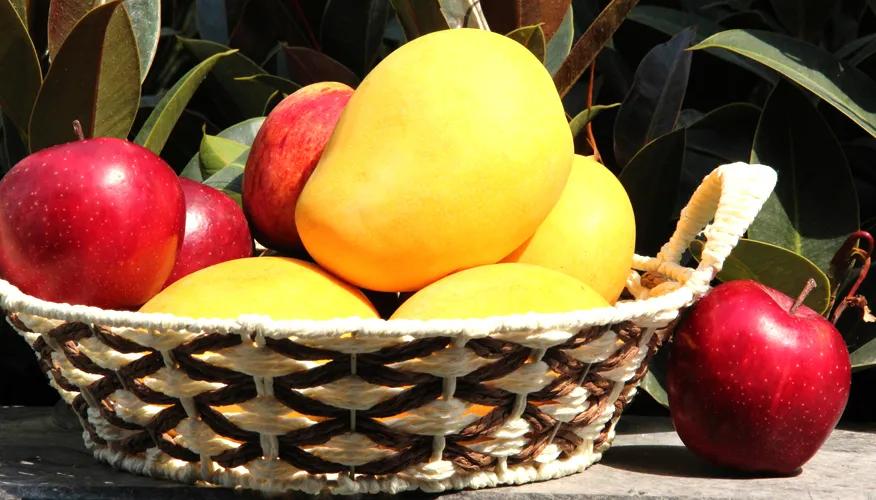
During the second trimester, the baby's development continues to be quite rapid, and the following fruits can be particularly nourishing:
- Apples provide a good source of fiber and vitamin C.
- Mangoes are rich in vitamins A and C, which are crucial for the development of the baby’s eyes, skin, and immune system.
- Pears are high in fiber, which can help with the digestive issues often experienced during pregnancy.
- Kiwifruit is packed with vitamin C, E, and K, as well as folate, fiber, and other essential nutrients.
- Peaches offer a good supply of vitamin C, fiber, and potassium.
Let's see how these best fruits for pregnancy aid development during the second trimester:
- Vitamin C from fruits like kiwi fruit and mangoes is vital for the formation of collagen, which forms part of the structure of bones and skin.
- The fiber in apples and pears can aid digestion, helping to relieve constipation, which is common in pregnancy, and ensuring the mother's body absorbs the maximum amount of nutrients from the food she eats.
- The high content of vitamin A in mangoes supports the development of the baby's heart, lungs, kidneys, eyes, and bones, as well as the circulatory, respiratory, and central nervous systems.
- Folate, found in kiwifruit, continues to be important for preventing neural tube defects and is essential for the rapid cell growth of the placenta and the baby during this stage.
- Potassium is crucial for fluid balance, muscle control, and nerve function, which is particularly important as the mother's blood volume expands.
Incorporating a variety of the best fruits for pregnancy into the diet can help ensure that both the mother and the developing baby receive an array of important nutrients for optimal health during this stage of pregnancy.
3rd Trimester: Fruits for Late Pregnancy and Preparation for Birth
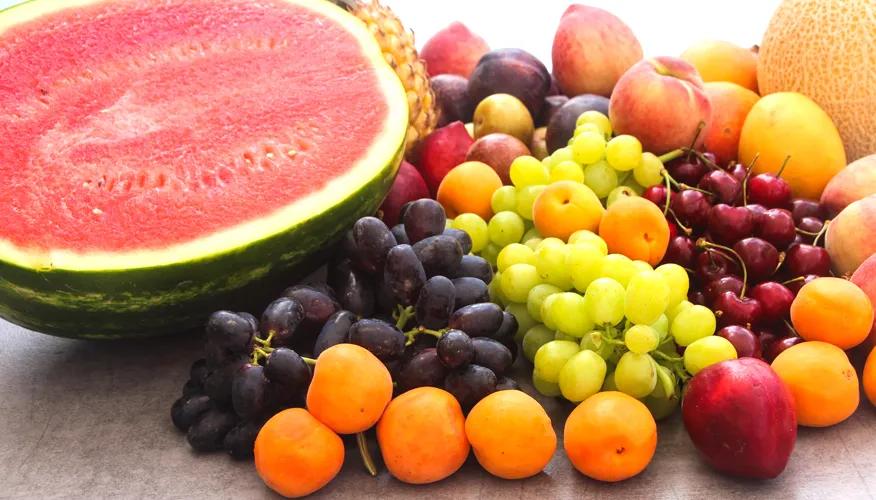
In the final stages of pregnancy, it's important to focus on the best fruits for pregnancy that provide energy, boost hydration, and support the final developments of the fetus:
- Dates are often recommended towards the end of pregnancy as they are believed to facilitate cervical dilation and decrease the need for induced labor.
- Pineapple in pregnancy is important as it contains manganese and also bromelain, which is thought to have labor-inducing properties, although scientific evidence is mixed on this point.
- Grapes are a good source of vitamins C and K, energy-providing natural sugars, and antioxidants.
- Watermelon is hydrating and provides vitamins A, C, and B6, as well as magnesium and potassium.
- Lemons are high in vitamin C and can help with water intake if infused in water, which can aid in hydration and reduce swelling.

Here is how these best fruits for pregnancy support late pregnancy and birth preparation:
- Dates provide a natural source of sugar for energy, which can be helpful for labor. They also offer potassium, magnesium, and fiber.
- The manganese in pineapple plays a role in the baby’s bone health and in the development of connective tissue.
- Grapes provide quick energy from natural sugars, which can be beneficial during the longer, more tiring days of the third trimester.
- The hydration from watermelon is key, as staying hydrated is essential for amniotic fluid levels and for reducing the risk of preterm contractions and potentially preterm labor.
- The magnesium in watermelon and other fruits can also contribute to preventing leg cramps, which are common as pregnancy progresses.
- Lemons and other citrus fruits, with their high vitamin C content, can help the body absorb iron, a crucial mineral as the demand for blood volume increases in the last trimester.

Conclusion
Fruits are a vital part of the diet throughout pregnancy, offering a rich supply of vitamins, minerals, fiber, and antioxidants that support the health of both the mother and the developing baby.
During the first trimester, great harvest fruits like citrus, bananas, and avocados provide folate and other key nutrients essential for early development. The second trimester benefits from the inclusion of vitamin-rich fruits such as apples, mangoes, and kiwifruit to support the baby's rapid growth and the mother's health. In the final trimester, fruits like dates, pineapple, grapes, and watermelon can offer energy, support fetal development, and aid in the mother's hydration and preparation for birth.
Expectant mothers should remember that while the best fruits for pregnancy are beneficial, the right balance and variety are crucial, and individual needs can vary significantly. Consulting healthcare providers is essential to ensure that the diet is tailored to meet the specific nutritional needs of both mother and baby during this special time.
How was the experience with article?
We'd love to know!