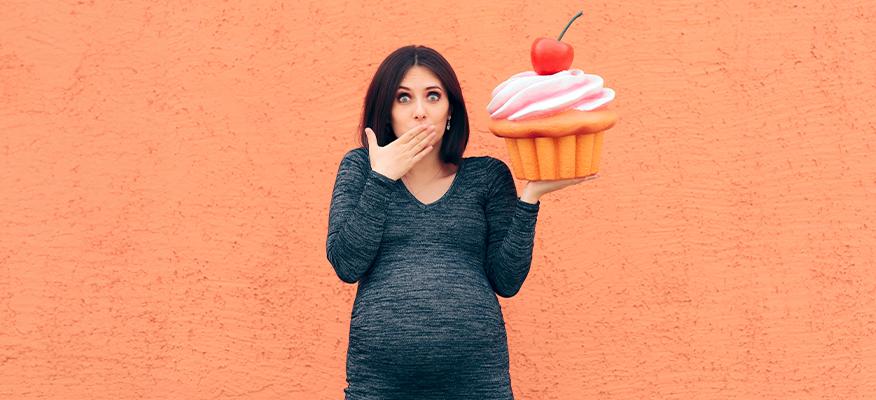
Pregnancy is a literal roller coaster ride. Not only does your body change, but many of your likings and habits change too. It may be attributed to the hormonal play, that changes your body to house a new life. A huge part of such changes includes the ‘pregnancy cravings’.
Even before you get a positive pregnancy test you will notice that your appetite changes, quite dramatically. There can be food items or weird combinations of foods you suddenly crave and some of your favorite foods hit your ‘food aversion list’.
As of now, experts don’t know for sure why pregnancy makes you crave certain foods and hate others. According to one research study, as many as 50% to 90% of pregnant people in the U.S. experience food cravings at some point in their pregnancy.
Let’s look at pregnancy cravings, when they start, possible causes, and the most common pregnancy cravings. Understanding these may help you to manage these odd cravings, some of which may cause harm to your health too.

What are pregnancy cravings?
Pregnancy cravings are intense desires for specific foods that women experience during pregnancy. They are not exactly hunger pangs, but you drool over thinking of certain foods, and upon eating you get immense pleasure and comfort.
No woman is the same and the same goes for pregnancy and pregnancy cravings. You may have varying cravings for salt, spicy, or sweet foods. While some crave normal foods, others yearn for an ‘ice-cream sundae with salty potato chips’ or ‘pickle with peanut butter’.
Cravings can be intense, making it difficult for the expectant mother to think about anything else until the craving is satisfied. They can be for specific foods, which may not be available in your pantry.
When do pregnancy cravings start?
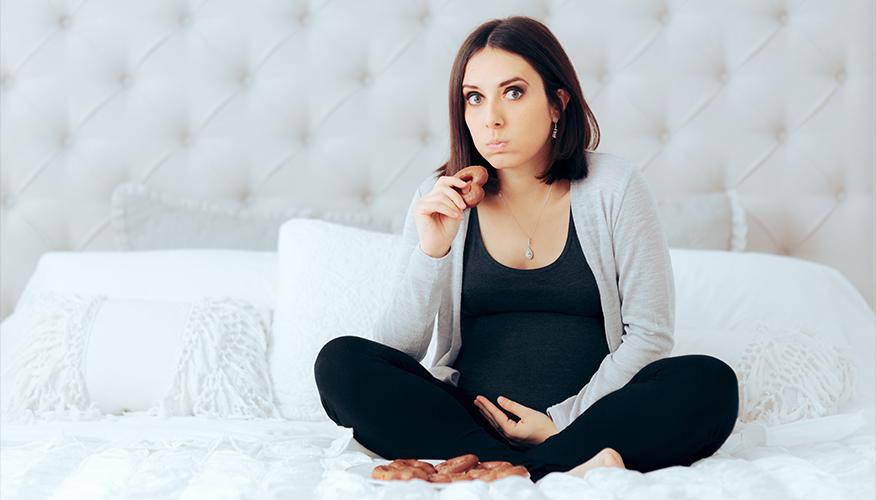
- Pregnancy cravings can start at different times for different women and often start when hormonal changes begin to take effect. The body’s changing nutritional requirements as the baby grows can trigger specific cravings at stages of pregnancy.
- For some women, pregnancy food cravings could start as early as five weeks into pregnancy.
- Pregnancy cravings are likely to kick in by the end of the first trimester, peak in the second trimester, and then tend to decline as the third trimester ends.
- Cravings during the second trimester tend to be more specific and intense. This is when unusual combinations or strong desires for certain foods are most common.
- As the body prepares for labor and delivery in the third trimester, cravings might shift towards comfort foods or high-energy snacks to support the increased physical demands.
As said, the cravings are unique and distinct to each woman. Some women might not experience significant cravings at all, while others might have strong cravings throughout their entire pregnancy. So if you do not crave crazily, there’s no need to worry.
What causes pregnancy cravings?

Pregnancy cravings are a common experience in many women, but researchers don’t know the exact reason behind it. However, there are a few proposed theories that are listed below:
Hormonal changes
- The hormonal role is the most popular theory proposed for pregnancy cravings. There is a huge change happening in the body and in the first trimester, the pregnancy hormones might change the types of cravings you experience.
- The pregnancy hormones- estrogen, progesterone, and Human Chorionic Gonadotropin (hCG) fluctuate significantly during pregnancy, affecting taste and smell, which can lead to specific food cravings.
- Morning sickness and food aversions in the first trimester can also influence cravings for bland foods, and crackers to ease nausea.
Sensory changes
- The sensory perception is heightened during this period and mostly women are overwhelmed by smells.
- This increased sensory perception can drive cravings for specific flavors or textures.
- Foods with pleasant, fragrant smells may be appealing and foods with strong aromas or flavors may cause food aversion.
Nutritional needs of the Body
- Another theory is that the cravings are also indicators of nutrient deficiency in the body. The growing fetus demands a lot of nutrients and draws them from the mother’s body. As a result, the mother’s body lacks certain nutrients such as calcium and iron, and this causes a craving to replenish the nutrients.
- But these cravings are misunderstood and you easily fall for junk like vanilla ice cream.
- Craving pickles and other salty foods during pregnancy may be your body’s way of regulating your fluid balance.
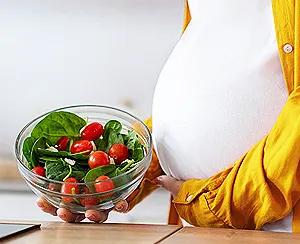
- Eating a well-balanced diet can reduce the cravings to an extent.
Protective mechanism
- Some theory says that the cravings ensure that the mother and fetus receive adequate nutrition and protect you and your growing baby from harm.
- Certain food items like coffee, alcohol, meat, etc. are avoided by many as they may cause harm to the baby.
A warm hug of comfort
- During pregnancy, women undergo a lot of physical and emotional turmoil and often turn to food that can bring some solace.
- You turn to the foods that provide emotional satisfaction or nostalgia to relieve the stress and anxiety associated with pregnancy.
- Sweets, fats, and carbs are the commonly consumed comfort foods as they provide an instant high or mood lift.
Cultural and social influences
- Your culture and society hugely influence your eating habits. What you eat from childhood and what is readily available in your neighborhood also impacts your cravings.
- Chocolate is one of the most commonly craved foods in the US. A separate study noted that women in Japan are more likely to crave rice, which highlights the influence of a region’s culinary customs on people’s food-related preferences.
What is the Most Common Pregnancy Craving?
According to one study on pregnancy cravings among U.S. women, the most common pregnancy cravings include:
- Sweets-Chocolate, candies, cakes, and ice cream.
- Salty- Chips, pretzels, and pickles.
- Spicy food- Hot peppers, spicy sauces, and curries.
- High-calorie, savory food- Bread, pasta, baked goods, pizza, or French fries.
- Sour Foods- Lemons, limes, and sour candies.
- Fruits- Oranges, lemons, and other citrus fruits are often craved for their refreshing and tangy taste, as well as berries like strawberries blueberries, and fruit juices.
- Ice.
- Milk and other dairy products.
Other unusual and weird combinations of foods pregnant women crave might have to do with their altered smell and taste buds.
“Weird” pregnancy cravings are also common such as:
- Brownies with mustard.
- Mac and cheese mixed with noodles.
- Rice with brown sugar.
- Barbecue sauce and butter.
- Pickles with ice cream.
- Banana and mayo.
Managing pregnancy cravings
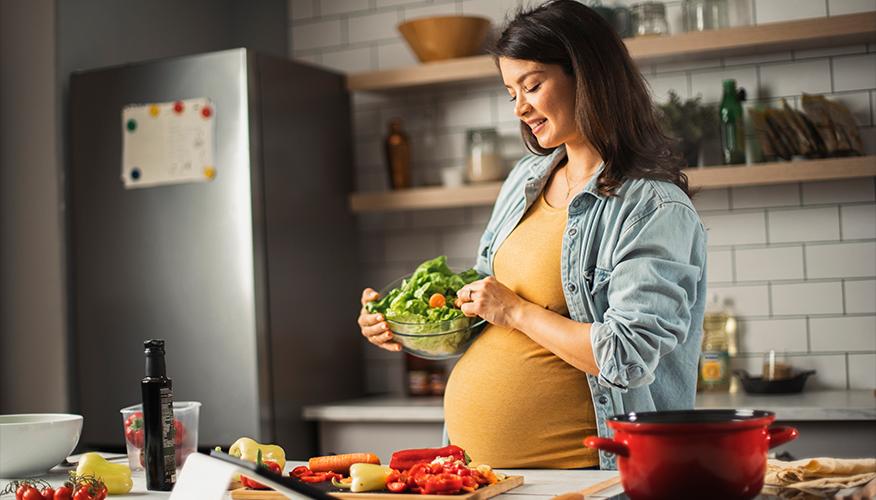
Managing pregnancy cravings can be challenging, but it is important to maintain a healthy diet and to ensure both the mother and baby receive the necessary nutrients.
Most of the cravings will be for junk items, which can cause harm. Eating less nutritious foods in moderation and keeping your overall diet varied and nutrient-rich is the right way.
Here are some practical tips for managing your pregnancy cravings:
Healthy eating with enough protein, healthy fats, and quality carbs ensures you are strong for delivery and postpartum.
According to the American Pregnancy Association, in your second and third trimesters, you only need an additional 300 calories a day. So, eat only when you’re hungry, not necessarily when having a sudden craving.
Eat regular, balanced meals and healthy snacks to maintain the blood sugar level and prevent extreme hunger, which can trigger cravings.
Always opt for healthier substitutes according to your cravings. You can manage your sweet cravings with fruits, yogurt, or a small piece of dark chocolate, and opt for healthier salty snacks like air-popped popcorn, nuts, or whole-grain crackers.
Always prepare food with seasonings of your choice to increase the palatability.
Keep yourself hydrated to minimize the hunger pangs.
Take a long walk, read a good book, or chat with a friend on the phone to keep your mind off such cravings.
Plan your meals to avoid searching your fridge or pantry and indulging in unhealthy foods. Also, stock the pantry with healthy snacks and alternatives.
Mood swings can also cause stress eating. You can manage stress, by trying meditation or light exercise.
Never munch on things while watching TV or in between work as it takes away your attention from your hunger and fullness cues.
Consult your doctor and take nutritional supplements, if you suspect your cravings are due to nutrient deficiency.
Conclusion
Changes in the body’s nutritional needs and hormonal fluctuations can cause bizarre pregnancy cravings. Understanding pregnancy cravings can help expectant mothers to manage them healthily.
While craving occasionally is fine, craving non-food substances such as dirt, clay, or chalk can be harmful and may indicate a nutritional deficiency that needs medical attention. Overindulging in high-calorie cravings can lead to excessive weight gain, which can pose risks for both mother and baby.
Partners are the ones who need to step up here. Be supportive and understanding of the expectant mother's cravings. Get involved in meal planning and preparation of balanced meals and stock up on mommy’s favorite healthy snacks to ensure a healthy and happy pregnancy phase.
Meet our expert
GHBY Team
GHBY TeamMeet our expert
GHBY Team comprises content writers and content editors who specialise in health and lifestyle writing. Always on the lookout for new trends in the health and lifestyle space, Team GHBY follows an audience-first approach. This ensures they bring the latest in the health space to your fingertips, so you can stay ahead in your wellness game.


How was the experience with article?
We'd love to know!