
What Are Pregnancy Stretch Marks?
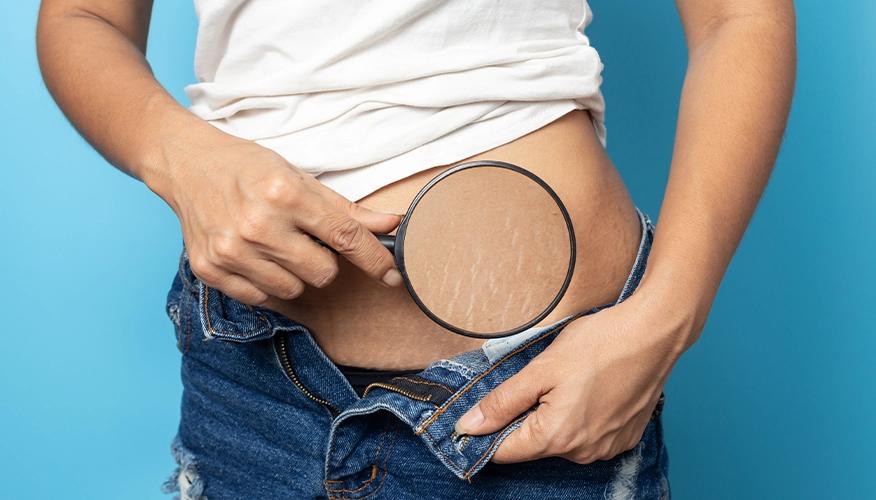
During pregnancy, stretch marks often develop due to several factors. One of the primary reasons for the development of stretch marks during pregnancy is the rapid expansion of the abdomen and breasts as the baby grows. This sudden stretching of the skin can lead to the formation of stretch marks.
Hormones, particularly estrogen and progesterone, can affect the elasticity of the skin, making it more susceptible to stretching as well. Similarly, a person's genetic predisposition plays a significant role in whether or not they are prone to developing stretch marks. Different skin types also have varying levels of elasticity, and previous mark history leads to a higher chance of them happening again especially in the case of stretch marks during second pregnancy.
When Do Pregnancy Stretch Marks Typically Appear?
Itchy stretch marks during pregnancy can develop at various stages, varying from person to person. They are most common in the later stages of pregnancy when the skin undergoes the most significant stretching. However, they can also form during earlier trimesters and may even appear after childbirth.
Stretch marks often become more prominent in the third trimester as the baby continues to grow and put pressure on the abdominal area, with the lower abdomen, hips, and breasts being common areas.
Painful stretch marks after pregnancy can become more noticeable as the skin contracts and the body returns to its pre-pregnancy state. While stretch marks are most common during pregnancy, they can develop or become more prominent post-pregnancy, influenced by genetics, skin type, and the rate of skin stretching. Embracing these natural changes is an important part of post-pregnancy self-care.

Where Do Pregnancy Stretch Marks Usually Appear?
Marks can develop in various areas of the body where the skin is subjected to significant stretching due to the growing baby and the changes in your body.
There are many common areas for stretch marks during pregnancy that we’ve compiled below.
Areas like the lower back, calves, and arms may also develop marks during your home stretch pregnancy journey owing to rapid growth and swelling at this time of weight gain.
Abdomen
- This is one of the most common areas for stretch marks to develop during pregnancy, as the skin on the belly stretches to accommodate the growing uterus and baby.
- This is especially the case with stretch marks during second pregnancy.
Breasts
As the breasts increase in size and weight during pregnancy, the skin on the breasts may stretch, leading to the development of stretch marks.
Hips
The hip area, particularly the sides, may be prone to stretch marks as your body expands to make room for the growing baby.
Thighs
Stretch marks can appear on the thighs, especially the inner thighs, as the skin stretches to accommodate changes in your body's shape and weight distribution.
Buttocks
Some women may develop stretch marks on the buttocks as the skin stretches during pregnancy. This is also a result of weight gain.
What Causes Stretch Marks During Pregnancy?
Striae often results from the skin's inability to cope with rapid growth or stretching. In pregnancy, hormonal shifts play a crucial role in this process.
Elevated levels of hormones like estrogen and progesterone reduce skin elasticity, weakening the collagen and elastin proteins that maintain skin strength and causing increased blood flow that contributes to the red or purplish hue of fresh stretch marks. Additionally, hormones can impact skin pigmentation, initially giving stretch marks their characteristic color
Although hormonal changes during pregnancy are a key factor, other elements such as rapid weight gain, genetics, and skin type also influence the development of stretch marks. The extent to which stretch marks occur varies widely among individuals and practicing the best stretch mark prevention during pregnancy helps get rid of the same.
How To Prevent Stretch Marks During Pregnancy?
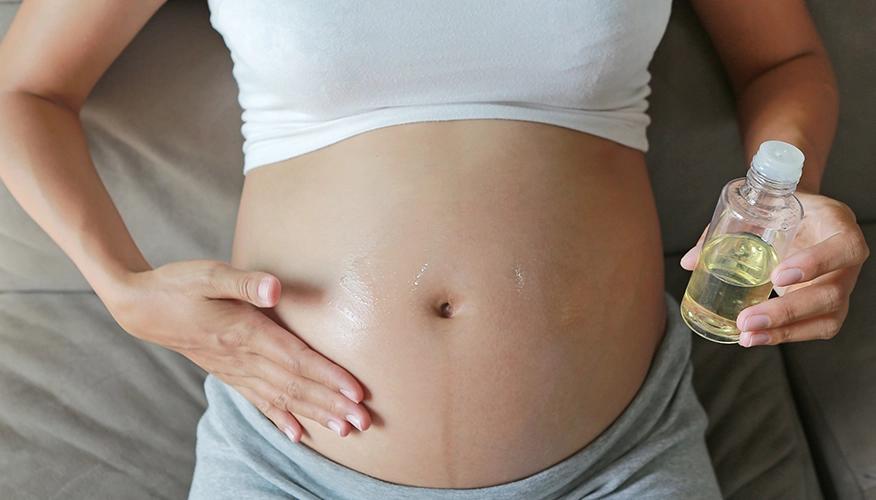
Maintain a gradual, healthy weight gain, follow your healthcare professional’s recommendations, and stay well-hydrated.
A balanced diet with essential vitamins and minerals, regular moisturizing with pregnancy stretch mark cream, gentle skin massage, and moderate exercise can enhance skin elasticity. Avoid rapid weight changes, manage stress, and consult a dermatologist for guidance on skincare products and treatments.
It's important to accept that, despite your best efforts, some factors may lead to the development of stretch marks. Embracing the natural changes of pregnancy is also vital for self-care and body acceptance.
Stretch Marks After Pregnancy: Is It Possible To Get Rid Of Them?
Reducing the appearance of stretch marks after pregnancy is achievable with various treatments and strategies.
- Topical treatments, such as over-the-counter creams and lotions containing ingredients like retinoids and vitamin E, can provide some benefit.
- Aloe vera on pregnancy stretch marks also works wonders and is a tried and tested home remedy. Some dermatologists may also prescribe more potent options like tretinoin.
- Laser therapy, like fractional laser and pulsed dye laser, stimulates collagen production and reduces redness in stretch marks. Additionally, microdermabrasion, chemical peels, and microneedling can enhance skin texture as well.
- Maintaining a healthy weight and gradual weight loss, staying well-hydrated, and consuming a balanced diet rich in vitamins and minerals contribute to overall skin health.
- Regular exercise improves blood circulation and skin health, while proper moisturizing and hydration enhance elasticity.
However, it's essential to consult with a healthcare provider or dermatologist before pursuing any treatments, especially post-pregnancy or during breastfeeding.
Conclusion
Although complete elimination of stretch marks is often not possible, methods and products like moisturizing with pregnancy stretch mark oil can significantly improve their appearance.
In conclusion, pregnancy stretch marks are a natural and common occurrence during the journey of motherhood. While they may be a source of concern for some, it's crucial to understand that their development is influenced by multiple factors.
Although it can be challenging to prevent them entirely, there are steps you can take to reduce their likelihood and improve skin health during pregnancy, from maintaining a healthy weight to staying well-hydrated and engaging in regular exercise.
Meet our expert

Meet our expert
Dr. Pakanich Maria Petrivna graduated from Ukraine's Uzhhorod National Medical University, Faculty of Medicine, in 1999. She further pursued her post graduation studies at Lviv National Medical University between 1999-2000. She then spent 16 years (2000-2016) at the same university as the resident doctor neurologist. Since 2016,Dr. Pakanich Maria Petrivna has been associated as a medical representative with Mega We Care.


How was the experience with article?
We'd love to know!