
Prenatal Screening And Diagnostic Tests For Trimester 2

Prenatal screening tests during the second trimester

Key takeaways

  • Prenatal tests in trimester two include physical exams, blood tests, ultrasounds, and more.
  • These tests determine health risks and genetic conditions in the baby.
  • While generally safe, some tests can carry risks and cause anxiety.
  • Results are not always 100% accurate but provide important health insights.
  • The decision to undergo prenatal testing is personal and should be discussed with a healthcare provider.

Tests Are Important

Prenatal testing, such as screening and diagnostic examinations, can provide important details about the health of the baby you are expecting. These laboratory test help to identify the advantages and risk factors.

There is a lot of anticipation throughout pregnancy, and you might experience pressure, tension, and anxiety occasionally. You could be concerned about the health of the child you are expecting.

Although many babies are healthy at birth, it's important to be aware of your options for learning more about the condition of your newborn. Let us discuss the importance of the different Prenatal testing.

Prenatal
Prenatal

Prenatal Tests

These tests are performed during pregnancy to evaluate your health and to judge the possibility of a genetic problem in the baby.

Types Of Prenatal Tests

Prenatal tests are categorized as:

  • Screening tests: These tests measure the likelihood of a problem.
  • Diagnostic tests: These tests confirm the problem in the baby.

What Tests Are Done During The Second Trimester?

The news of being pregnant gives immense joy to you and your partner. The tests may give you clues regarding any health concern you or your baby might have, or they may even diagnose a problem. Different tests that are done during the second trimester of pregnancy, from week 13 to week 26 are:
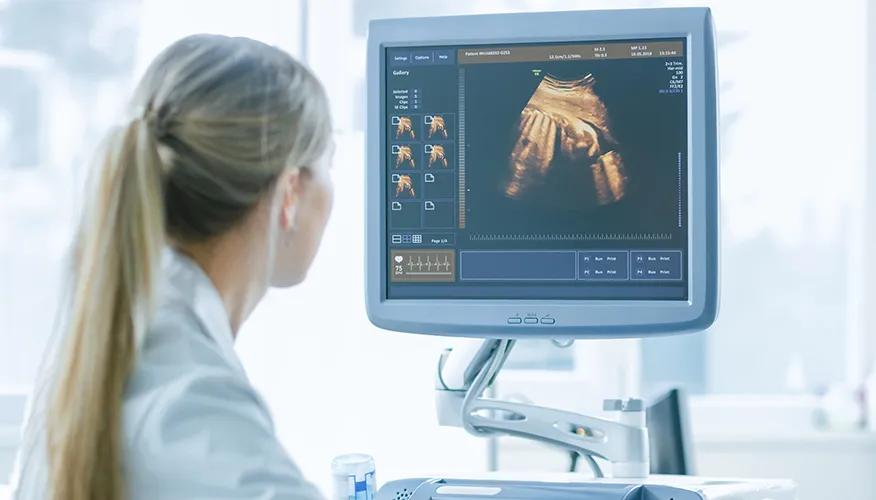
What Tests Are Done During The Second Trimester?
  • Physical examination: This includes breast and pelvic examination, measurement of blood pressure, and monitoring your weight.
  • Complete blood count: To check the count of blood cells and anaemia.
  • Blood group and Rh factor: The doctor estimates your blood type and if you are Rh-positive or Negative. If you are Rh-negative and your partner is Rh-positive, your blood may develop antibodies against the foetal blood.
  • Ultrasound: An ultrasound is done between 18 to 22 weeks of gestation, to estimate any major defect in the abdomen, limbs, heart, face, or brain or to ensure proper development of the baby.
  • Quad or Quadruple blood test or multiple marker test or AFP test: your doctor may perform this test between 15-22 weeks. It screens for Down’s syndrome, neural tube defects (NTDs) such as Spina Bifida, Down Syndrome, or any other genetic or chromosomal defect in the infant. This test measures the level of AFP in the mother’s blood. Alpha-fetoprotein or AFP is a protein formed by the liver of a foetus, and travels across the placenta into the mother’s blood.
  • Glucose Test: This is done to diagnose if you have gestational diabetes. Some women are at an increased risk of diabetes during pregnancy, which usually resolves after delivery, but may harm the baby during pregnancy. You will be made to drink a sugary drink and your blood glucose levels will be tested after an hour. Abnormal Levels of blood sugar indicate that you have gestational diabetes. The high glucose levels in the blood cause deleterious effects on the baby. Consult your doctor regarding the treatment required in that case.
  • Chorionic Villus Sampling (CVS): In this method, small sample of cells is taken from the placenta and investigated.
  • Amniocentesis or Percutaneous umbilical cord sampling (PUBS) or foetal Blood Sampling Umbilical Vein Sampling or Cordocentesis: This test evaluates foetal blood from the umbilical cord and is usually done after 18 weeks of gestation.
  • Combined first and second-trimester screening: The results of the tests of both trimesters are combined for more accurate screening.

Ferrovit
Ferrovit

Is There Any Risk Associated With The Screening Tests?

Usually, these screening tests are not risky. However, if the tests are performed late, it might affect the results. This can bother you and your partner. Sometimes the tests or the results can make you anxious or can even lead to miscarriage. A few tests may cause pain and discomfort.

Accuracy Of The Prenatal Tests

The tests are not 100% accurate. The results may vary from test to test. Your doctor advises you these tests to monitor your pregnancy and to estimate whether your child has a genetic defect.

How Test Results Can Affect You?

These tests evaluate your and your baby’s health during pregnancy. The test results can make you calm and assured about your pregnancy journey. However, if the results of the test detect a birth defect in the baby, you might be distressed. You can be confused, about whether to continue the pregnancy or not. On the positive side, the result can prepare you to welcome your little one into the world.

How Test Results Can Affect You?

In conclusion, prenatal screening may be recommended by your healthcare provider to evaluate your health and to assess whether the baby is growing well. Consult your healthcare provider to know which tests are suitable for you. It is your decision to go for these tests or not.

Conclusion

Prenatal tests during the second trimester are crucial for assessing the health of both mother and baby. They provide valuable information that can guide expectant parents in preparing for the birth of their child. Although the tests come with certain risks and are not foolproof, they are a significant aspect of prenatal care. Ultimately, the choice to proceed with these tests rests with the parents, in consultation with their healthcare provider.

Meet our expert

Reshma Pathare

Reshma Pathare

Journalist

India

Reshma Pathare

Meet our expert

Reshma Kulkarni-Pathare is a senior Indian media professional since 1999. She has written for over 45 national and international publications, including The Times of India, Femina, and BBC Good Homes.


Rate our article

We'd love to know!

  • 0
  • 0
  • 0
  • 0

How was the experience with article?

We'd love to know!

Related articles

See All

Frequently asked questions

In the second trimester, common prenatal tests include the quad screen blood test, the 20-week anomaly scan (detailed ultrasound), maternal serum alpha-fetoprotein (AFP) testing, and the glucose tolerance test for gestational diabetes. In some cases, doctors may also recommend amniocentesis if screening results show higher risk for genetic conditions. These tests help monitor the baby’s growth, screen for abnormalities, and assess the mother’s health.

These tests are important because they provide crucial information about the baby’s development and help detect potential genetic or structural abnormalities early. They also evaluate the risk of conditions like Down syndrome, neural tube defects, and gestational diabetes. Early detection allows doctors to manage risks, offer further diagnostic testing, and plan proper care for the mother and baby.

The quad screen is a blood test done between 15–22 weeks of pregnancy. It measures four substances in the mother’s blood to estimate the baby’s risk for certain conditions. It helps detect risks of Down syndrome, trisomy 18, and neural tube defects such as spina bifida. It does not confirm a condition but identifies whether further testing is needed.

The second trimester ultrasound, commonly called the anomaly scan, is typically done between 18–22 weeks of pregnancy. This scan provides a detailed look at the baby’s organs, bones, and overall development.

Yes, the anomaly scan is another name for the second trimester ultrasound. It is a detailed scan that examines the baby’s organs, spine, brain, heart, limbs, placenta, and amniotic fluid to ensure everything is developing normally.

The 20-week scan checks for the baby’s structural development. It looks at the brain, heart, spine, kidneys, stomach, limbs, and facial structures. It also examines the placenta’s position, amniotic fluid levels, and blood flow. The scan helps identify any physical abnormalities or growth concerns.

A normal result means the tests did not show signs of increased risk for genetic or structural abnormalities. It suggests that the baby’s development, organ formation, and growth markers are within expected ranges. However, normal results do not guarantee that the baby has no health issues—only that major risks appear low.

Second trimester screening tests are fairly accurate but not perfect. The quad screen has around 70–80% detection accuracy for Down syndrome and about 80% accuracy for neural tube defects. Ultrasound accuracy varies depending on fetal position and equipment quality. Diagnostic tests like amniocentesis are nearly 99% accurate.

A positive quad screen does not mean your baby definitely has a problem—it only indicates a higher risk. Your doctor may recommend more detailed ultrasound evaluation, additional blood tests, or diagnostic procedures like amniocentesis to confirm the result. Many positive screens turn out normal after further testing.

Yes, tests such as the quad screen and the anomaly scan can identify the risk of Down syndrome. For confirmation, diagnostic tests like amniocentesis may be offered, as they provide nearly 100% accuracy in detecting chromosomal abnormalities.

Amniocentesis is a diagnostic procedure in which a small amount of amniotic fluid is collected using a thin needle through the abdomen. It is usually done between 15–20 weeks of pregnancy to confirm genetic or chromosomal abnormalities such as Down syndrome, trisomy 18, and neural tube defects.

Amniocentesis is generally safe when performed by experienced doctors. However, like any procedure, it carries small risks such as infection, cramping, leakage of fluid, or miscarriage. The overall risk of miscarriage is low—typically less than 1%.

Yes. The quad screen includes AFP testing, which specifically helps detect neural tube defects like spina bifida. The 20-week anomaly scan also checks the baby’s spine and brain structures, making it a key tool for identifying these conditions.

Screening tests estimate the risk of certain conditions but cannot confirm them. Examples include the quad screen and routine ultrasounds. Diagnostic tests, such as amniocentesis, directly examine the baby’s chromosomes or genetic material and provide definitive answers.

While not mandatory, having both screenings provides a more complete picture of the baby’s health. Combined results improve accuracy for detecting chromosomal abnormalities and help identify risks earlier.

Yes, many genetic conditions can be detected or suspected early through quad screening, ultrasounds, or diagnostic tests like amniocentesis. While screening offers risk estimates, diagnostic tests provide confirmation.

The glucose tolerance test (GTT) checks how your body handles sugar and helps diagnose gestational diabetes. It is usually performed between 24–28 weeks. Early diagnosis helps protect both mother and baby from complications such as high birth weight, preeclampsia, and premature birth.

All pregnant women are recommended to undergo glucose testing. However, it is especially important for those with risk factors such as obesity, PCOS, previous gestational diabetes, family history of diabetes, or high blood sugar in early pregnancy.

Routine screening tests like blood work and ultrasounds are completely safe for the baby. Diagnostic tests like amniocentesis carry a very small risk but are considered safe when performed by specialists. Doctors only recommend invasive tests when medically necessary.

Most tests require little preparation. For blood tests, you may be asked to fast only if doing certain versions of the glucose test. For ultrasounds, it helps to wear comfortable clothing. Stay hydrated and bring previous medical records so your doctor can compare results.

No, these tests are recommended but not compulsory. Doctors suggest them to ensure the baby's healthy development and detect potential issues early. Parents can decide whether to proceed after understanding the benefits and limitations.

Quad screen results usually take a few days to a week. Glucose test results are often available within 24–48 hours. Timing may vary depending on the laboratory and healthcare provider.

Anxiety does not affect the accuracy of blood tests or ultrasounds. However, stress can influence blood sugar levels in some cases, which may impact glucose tolerance test results. Staying calm can help make the process easier and more comfortable.

If the scan shows abnormalities, your doctor may recommend more detailed ultrasounds, fetal echo, genetic testing, or amniocentesis. Specialists such as maternal-fetal medicine doctors may also be consulted. Early detection helps plan the right care and treatment options.

Yes, consulting a genetic counselor is highly recommended if any test shows abnormal or unclear results. They help explain the findings, discuss possible outcomes, guide you through further testing options, and support you in making informed decisions.