
Proper Nutrition Is Very Important During Pregnancy
Pregnancy is the most prominent stage for a woman. During pregnancy, the best thing you can do is take a proper diet for the growth of the baby. As your pregnancy continues, higher demands on your body can be managed with good nutrition.
The objective is to strike a balance between keeping a healthy weight and consuming enough nutrients to promote the growth of your baby. Let us discuss what kind of vitamins need to be taken during pregnancy.
Why Nutrition During Pregnancy Is Important?

Nutrient deficiency can lead to poor health and development of the infant. It can also impair the growth and functioning of the foetus. So, it is advisable for a mother-to-be to maintain a healthy diet throughout the pregnancy.
Sometimes, it might not be possible to meet the nutritional requirements through diet alone. Prenatal supplements are an adjunct to diet to complete your body’s nutritional needs.
Pregnancy And Diet
You should have a balanced diet containing all the nutrients such as proteins, carbohydrates, fatty acids, vitamins, and minerals.
- Increase the intake of calories.
- Drink plenty of fluids.
- Avoid alcohol intake and smoking. The body requirements for folate are increased during this period.
- Make sure to include food sources rich in folate. The micronutrients are critical to prevent birth defects in the baby and the adverse effects of malnutrition on the mother.

Am I Getting Enough Nutrition During Pregnancy?
Despite having a well-nourished diet, nutritional deficiency can occur in pregnancy because your body needs more than usual. Nutrients provided to the mother, through dietary supplementation, support maternal and foetal health and help in overcoming the complications associated with pregnancy.
What Are Prenatal Vitamins?
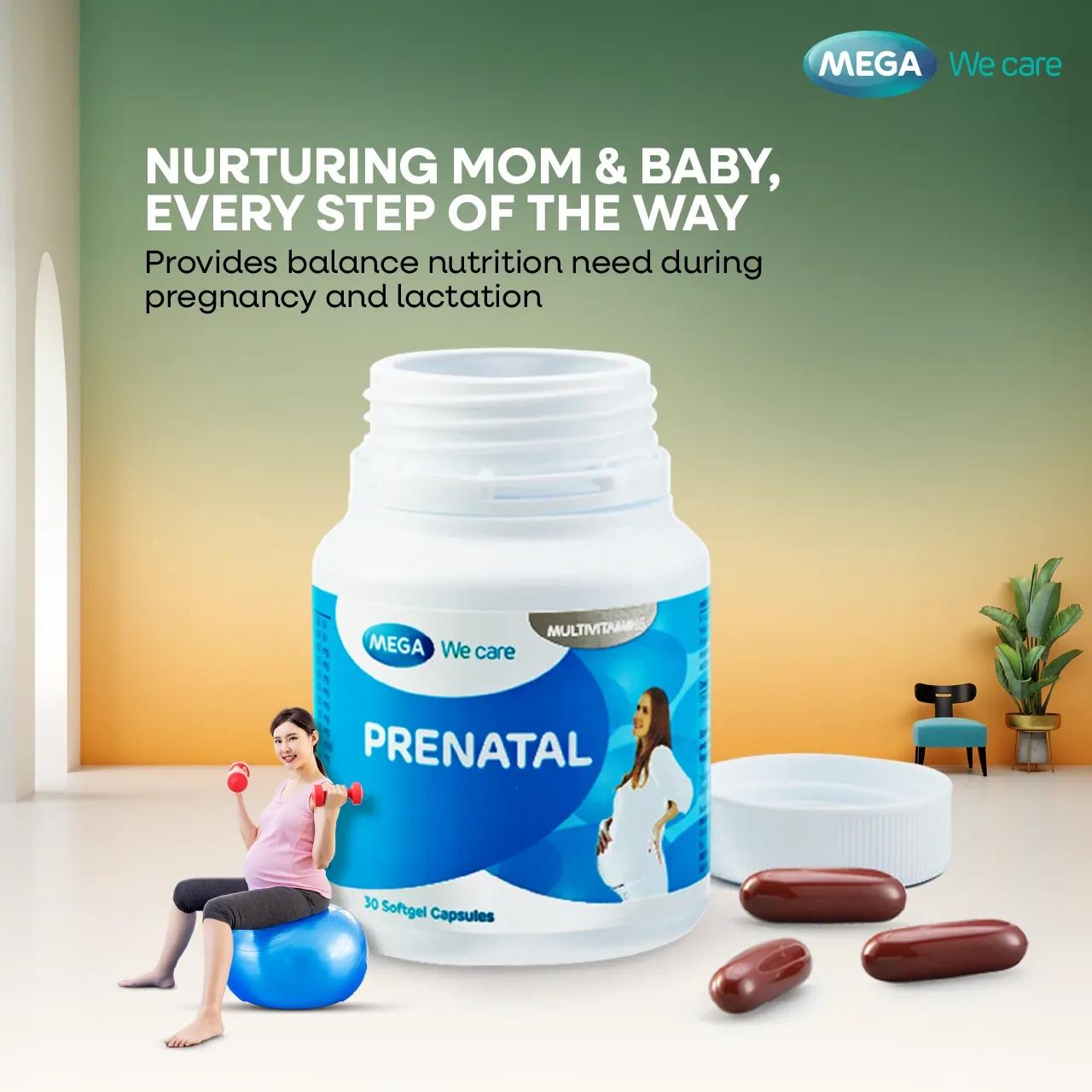
Prenatal vitamins are supplements that incorporate all the essential vitamins and minerals, your body requires before or during pregnancy. These are specially designed for use in pregnancy.

The nutrient composition of prenatal vitamins is:
- Folic Acid or Folate: It is the most important vitamin required by a pregnant woman. Folic acid prevents birth defects in the baby. It is critical for the adequate development and functioning of the brain and spinal cord of the foetus. At least 400 micro gram of folic acid is needed by the body during pregnancy. It is recommended to take supplements containing folic acid, even before pregnancy, when you plan on conceiving. A woman, who has a risk of NTDs (Neural Tube Defects) in the baby may need more folic acid.
- Iron: Increased amount of iron, about 27 mg is needed by a woman during her pregnancy. The prenatal vitamins tend to satisfy the iron requirement of an expectant mother. This is crucial to prevent Iron-deficiency anaemia in a pregnant lady. Additionally, you should include foods rich in iron in your diet such as beans, lentils, meat, and green leafy vegetables.
- Calcium: your body needs calcium to build strong bones and teeth in the baby. Women who are 19 and crossed 19 need to consume 1000 mg/day.
- Choline: It is often overlooked but is very important. Choline is a nutrient that can benefit you in many ways. Firstly, it prevents neural tube defects in the infant. So, it is vital for the development of the functions of the brain of the baby. Secondly, for the mother, it reduces the risk of pregnancy complications. The prenatal vitamins contain 450 mg of choline, which is the dose required by you while you are expecting a baby. Egg yolk, beef, and salmon are food sources rich in choline.
- DHA: DHA is an Omega-3 fatty acid. A minimum of 300 mg DHA per day is required by a pregnant woman. Most prenatal vitamins do not contain DHA, so it is advisable to obtain them from the diet. A dietary intake of fish may provide you with enough DHA. Pregnant women should avoid fish as it may contain mercury, which can pose a threat to the baby. Although, consuming fish oil capsules can complete your requirement for DHA if your prenatal vitamin is lacking in it.
- Vitamin D: Vitamin D assists in keeping up a healthy pregnancy by reducing the risk of complications of pregnancy like premature birth, high blood pressure, and diabetes. Your body’s requirement for vitamin D depends on your vitamin D levels. Always get them checked for the required dose of vitamin D.
- Vitamin C: This vitamin is also important for you during pregnancy. Vitamin C increases immunity and bone health. 85mg is needed during pregnancy time for a woman.
Conclusion
In conclusion, to maintain a healthy pregnancy, a healthy diet is crucial. Your doctor may recommend prenatal vitamins and supplements to make sure all your nutritional needs are met. However, they do not replace a healthy diet.
Before taking any vitamins consult your doctor and the doctor will suggest the best vitamins for you.
Meet our expert

Meet our expert
Dr. Pulyk Nataliya Omelanivna is an Internal Medical Expert who is based out of Ukraine. With a special interest in internal medicine Dr Pulyk graduated from the Ternopil National Medical Academy in Ukraine, in the year 2001. Between the years 2002-2009, Dr Pulyk worked as an emergency physician. Her years of work as an emergency physician gave her immense exposure to a range of patients and an opportunity to learn on the job, and gather extensive experience.


How was the experience with article?
We'd love to know!