
Did you ever have one of those mornings where you just can’t remember where you left your keys? Maybe you forgot an important meeting at work. Or perhaps you’re struggling to remember a dear friend’s birthday.
Everyone has occasional memory slips, and it’s a normal part of life. However, if you’re finding these memory lapses are happening more frequently than they used to, it may not be just age or stress taking its toll. In fact, the culprit could be lurking in your bedroom while you sleep.
Yeah, you read that right! It’s something called ‘sleep apnea’. A somewhat silent condition that many of us unknowingly might be living with. And recent studies suggest sleep apnea could be associated with a 50% higher risk of memory problems.
So, how about we get into the details and understand this little-known connection between our sleeping patterns and memory? Buckle up as we begin this enlightening journey through the mind and body!
Understanding sleep apnea
Sleep apnea is a common sleep disorder characterized by repeated pauses in breathing during sleep. These pauses, known as apneas, can last from a few seconds to minutes and occur multiple times throughout the night.
The most common type of sleep apnea is obstructive sleep apnea (OSA), where the airway becomes partially or completely blocked, leading to disruptions in breathing.
Central sleep apnea (CSA) is less common and occurs when the brain fails to send signals to the muscles responsible for breathing.
Sleep apnea can result in fragmented sleep, daytime fatigue, irritability, and difficulty concentrating. It is associated with an increased risk of various health problems, including high blood pressure, heart disease, stroke, and diabetes.

Sleep apnea and its impact on memory
Sleep apnea not only disrupts your sleep but also has a significant impact on your memory function. This is primarily because snoring, a common symptom of sleep apnea, causes you to wake up many times throughout the night.
This frequent interruption of the sleeping cycle can lead to a reduction in the time spent in REM (Rapid Eye Movement) sleep, which is an essential stage of sleep for memory consolidation.
Moreover, untreated sleep apnea can deprive your body and brain of oxygen for short periods throughout the night. This lack of oxygen can lead to cognitive problems such as difficulties with concentration, decision-making processes, and yes - memory issues.
Studies supporting the connection
Numerous studies over recent years have supported the connection between snoring caused by sleep apnea and memory problems. For instance, one study published in the Journal of Geriatric Psychiatry and Neurology found that people with untreated sleep apnea had significantly smaller amounts of gray matter in their brains - specifically in areas related to memory storage.
Another study found that individuals with sleep apnea symptoms had a 50% higher chance of experiencing memory and thinking issues compared to those without these symptoms. These studies clearly underline the need to address sleep apnea not just for better sleep, but for overall cognitive health as well.
Addressing sleep apnea for better memory health
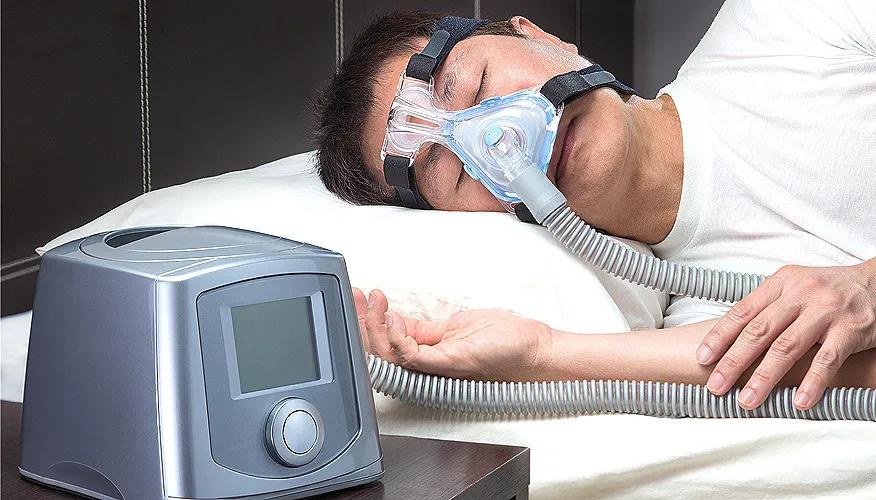
Treatment options for sleep apnea fall into two main categories - lifestyle changes and medical interventions.
- Lifestyle changes may involve modifications to diet and weight management practices.
- Regular physical activity, maintaining a healthy weight, decreasing alcohol consumption, quitting smoking, and avoiding sleeping on your back can all contribute to the management of this condition.
- On the other hand, medical interventions may include Continuous Positive Airway Pressure (CPAP) therapy or surgery to widen the airway. CPAP therapy involves wearing a mask over your nose while you sleep. The mask is connected to a machine that delivers air pressure into your throat to keep your airway open.
- Alternatively, surgery may be considered if lifestyle changes or other non-surgical treatments aren’t effective or are not an option.
Preventive measures for sleep apnea
Given the potential complications of untreated sleep apnea - including heart disease, high blood pressure, stroke, diabetes, depression, and notably, memory problems - taking preventative steps is crucial.
Here are some recommendations:
- Engage in regular physical activity to maintain a healthy weight.
- Follow a balanced diet to support overall health.
- Limit alcohol intake and avoid smoking.
- Maintain regular sleep patterns and ensure adequate hours of sleep each night.
- Avoid sleeping on your back to prevent your tongue and soft palate from resting against the back of your throat, blocking your airway.

Conclusion
Sleep apnea is far from a benign condition. Its ties to severe health complications, including memory problems, make it a health issue that deserves immediate attention and management. By recognizing the symptoms early, addressing the condition with appropriate treatment options, and adopting preventive measures, we can reduce the risk associated with sleep apnea.
Remember, early screening for sleep apnea is essential. If you’re experiencing symptoms like loud snoring, interrupted sleep, or excessive daytime sleepiness, it's time to talk to your healthcare provider. With awareness and proactive care, we can all breathe easier at night and protect our precious memories for years to come.
Meet our expert

Meet our expert
Dr. Lynda Odoh-Anikwe, holding a Bachelor of Medicine and Bachelor of Surgery (M.B.B.S) degree, she pursued her Master of Public Health (MPH) at the University of Manchester. Actively engaged in advancing preventive healthcare, she is a member of the Society of Lifestyle Medicine Nigeria. Dr. Odoh-Anikwe aims to attain certification as a Lifestyle Medicine Physician from the International Board of Lifestyle Medicine by the final quarter of 2022.



How was the experience with article?
We'd love to know!