
Left or right, which side should I sleep on? Sounds so simple, right? Ah, if only it were! For many of us, choosing the correct sleeping position may seem like a minor detail in the grand scheme of our often-hectic lives.
But did you know that your preferred sleeping position can significantly impact your overall health and well-being?
Sleeping is when our bodies get a chance to rest, recharge, and rejuvenate. It's akin to hitting the 'reset' button. And just like any other part of our health regimen, we need to pay attention to how we do it. The way you position yourself while you slumber can influence anything from digestive issues to back pain.
You might be a side sleeper, some of us prefer the fetal sleep position, and others may find sleeping on our stomach comfortable - each has its pros and cons. But the question remains: Is it best to sleep on your left side or right? If you're curious about whether the side you sleep on matters, stick around.
Benefits of side sleeping

Sleeping on the side, or as a side sleeper, is often touted as the best sleeping position due to several commendable benefits it offers.
Here's why:
- Improved spine alignment: Side sleeping helps maintain the natural curve of the spine, reducing pressure on the back and neck. This position supports better posture and minimizes discomfort associated with poor alignment.
- Reduced snoring and sleep apnea: Sleeping on your side can prevent the tongue from blocking the airway, reducing snoring and symptoms of sleep apnea, and promoting more restful breathing.
- Better digestion: Side sleeping, particularly on the left side, aids digestion by allowing food to move more efficiently through the stomach and intestines, reducing acid reflux and heartburn.
- Improved brain health: Side sleeping enhances the brain’s ability to clear out toxins, potentially reducing the risk of neurodegenerative diseases like Alzheimer's.
Sleeping on the left side
Sleeping on the left side is a popular sleep position known for its numerous health benefits.
These include:
- Improved digestion: Sleeping on the left side helps the stomach and pancreas function more effectively, promoting better digestion. It also prevents acid reflux by positioning the esophagus above stomach acid.
- Reduced heartburn: This position minimizes acid reflux by keeping the lower esophageal sphincter (LES) above stomach contents, reducing the likelihood of heartburn and GERD symptoms.
- Enhanced lymphatic drainage: Left-side sleeping promotes the drainage of toxins and waste through the lymphatic system, supporting immune function and detoxification processes.
While left-side sleeping has its advantages, there are some potential drawbacks to consider, such as:
- Potential pressure on the heart: For some individuals, sleeping on the left side can put extra pressure on the heart, potentially causing discomfort, especially for those with existing heart conditions.
- Possible shoulder and hip pain: Consistently sleeping on the left side may lead to increased pressure on the left shoulder and hip, causing discomfort over time, especially for individuals with joint issues.
Sleeping on the right side
Sleeping on the right side is another common sleep position, offering its own set of benefits and potential drawbacks.
These include:
- Improved heart health: Right-side sleeping can be beneficial for those with heart conditions as it may reduce pressure on the heart, helping to promote better circulation.
- Reduced acid reflux: For some people, right-side sleeping may help alleviate symptoms of acid reflux and GERD, as the position prevents stomach acid from moving up into the esophagus.
- Relieved pressure on the liver: This position places less pressure on the liver compared to left-side sleeping, which may be beneficial for individuals with liver conditions or discomfort.
However, sleeping on the right side also comes with some potential downsides that are worth considering.
- Increased risk of heartburn: For some individuals, right-side sleeping can worsen acid reflux and heartburn symptoms, as it may cause the stomach to be positioned in a way that allows acid to flow back into the esophagus.
- Potential strain on the spine: Sleeping on the right side can sometimes misalign the spine, especially if proper pillow support isn’t used. This can lead to discomfort in the back or neck over time.
- Pressure on the stomach: Right-side sleeping may put additional pressure on the stomach, leading to discomfort for people with digestive issues or those prone to bloating.
Key differences between left and right side sleeping
When deciding which side to sleep on, it's worth considering these differences:
- Heart health: Left-side sleeping may have negative effects on those with heart conditions but can be beneficial for others. In contrast, right-side sleepers generally avoid this issue.
- Pressure on internal organs: Compared to right-side sleeping, which spreads out pressure more evenly, left-side sleeping exerts more pressure on your internal organs.
Should I sleep on the right or left side?
The best sleeping position truly depends on your personal comfort and health conditions. If you're grappling with heart conditions or concerns, favoring the right side might be beneficial for you as it allows you to avoid additional cardiac pressure.
Conversely, if you deal with acid reflux or heartburn, consider trying out left-side sleeping.

What about back or stomach sleeping?
If you prefer lying flat on your back or stomach, here's what you need to know:
- Back sleeping: Although back sleeping can help align your spine correctly, it can increase the risk of snoring and sleep apnea. If you have breathing difficulties, this position might not be ideal for you.
- Stomach sleeping: Stomach sleeping, however, can lead to neck and spinal misalignment and is often correlated with poor sleep quality because of the discomfort and health issues it can induce.
Factors to consider when choosing a sleeping position
When choosing the best sleeping position, consider these key factors:
- Health conditions: Take into account any existing health issues, such as back pain, acid reflux, sleep apnea, or heart conditions. These can influence whether side, back or stomach sleeping is most beneficial.
- Comfort and support: Ensure your mattress and pillows provide adequate support for your chosen position. Proper alignment of the neck, spine, and hips is crucial for minimizing pain and discomfort.
- Age and weight: Your age and weight may impact your sleeping position. For example, side sleeping may be more comfortable as you age, while heavier individuals might need extra support to maintain spinal alignment.
Tips for optimizing your sleep position
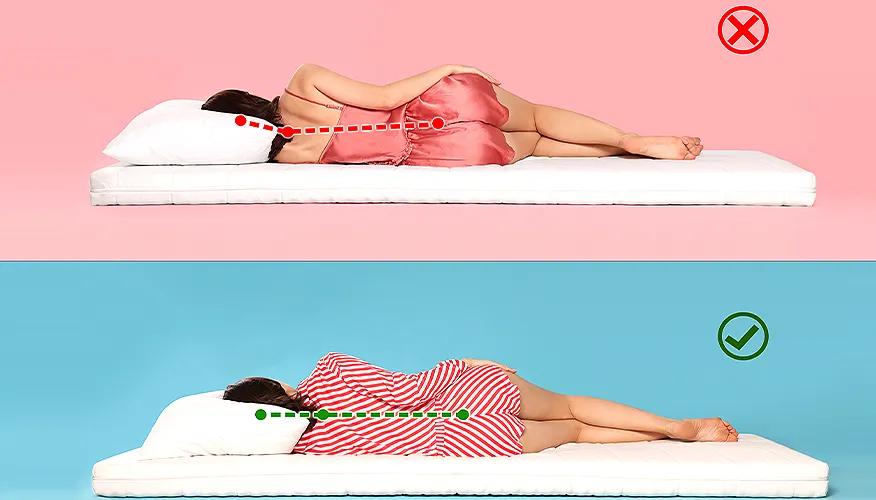
For optimal sleep and comfort, consider these tips:
- Use body pillows: They can maintain proper spinal alignment and reduce pressure on the shoulders and hips for side sleepers.
- Choose the right pillow: A firm pillow that keeps your head in line with your shoulders is crucial for avoiding neck pain.
- Maintain proper posture: Ensure that your chin is not tucked towards your chest and that your body feels relaxed to avoid bad posture and associated pains.
Drawbacks of sleeping on your side
Like all sleeping positions, side sleeping has potential drawbacks:
- Neck pain: Improper chin placement may lead to neck pain.
- Shoulder pain: The risk of shoulder collapse into the bed can result in misalignment and pain.
- Pressure on hips and spine: If your mattress or pillows lack support, side sleeping may exert pressure on your hips and spine.
- Risk of acne: Facial compression against the pillow while sleeping on your side can sometimes lead to acne.
Side sleeping best practices
To reap the most benefits of side sleeping, consider these practices:
- Maintain spinal alignment: Ensure your head, shoulders, and hips are aligned to prevent strain on your neck, shoulders, and spine.
- Use supportive pillows: Use pillows that keep your head and body in a neutral position.
- Adjust mattress firmness: Choose a mattress firmness that supports your body without causing misalignment.
Conclusion
In conclusion, deciding between sleeping on your left side or right side can have more significance than you might think.
While both positions have their own benefits, research suggests that left-side sleeping might offer unique advantages, such as improved digestion, better circulation, and reduced acid reflux.
On the other hand, sleeping on your right side can be more comfortable for some individuals, especially those with certain health conditions. Ultimately, the best side to sleep on depends on your personal comfort and specific health needs.
By understanding the pros and cons of each side and consulting with a healthcare professional if necessary, you can make an informed choice that promotes restful, rejuvenating sleep.
After all, quality sleep is essential, and finding the right sleeping position can be a simple yet powerful way to support your overall health and well-being.
Meet our expert

Meet our expert
Dr. Inna Anatolyivna Kirilyuk graduated from Vinnytsia National Medical University in 2008, marking the inception of her remarkable journey in healthcare. Following her graduation, Dr. Kirilyuk embarked on a path of continuous learning and specialization.



How was the experience with article?
We'd love to know!