
Tiredness is often because of poor sleep quality, stress, excessive screen exposure, or medical conditions. If you’re still feeling tired despite 8 hours of sleep, then it’s time to start asking questions.
Sleep is crucial to well-being, and restores energy levels. The 8 hours of sleep myth is definitely true. It helps with physical and mental health, and bodily functioning, leading to a better quality of life. The constant “I am tired” and “Why am I always sleepy?” can be mitigated with good sleep.
Sleep Duration Vs. Sleep Quality

Sleep duration and sleep quality are often mistaken for the same, but they are two distinct aspects of sleep. You’ll understand this when you still feel sleepy after 8 hours of sleep.
Sleep duration is the total amount of time we sleep, influencing our overall sleep needs. For example, adults require 7-9 hours of sleep, while infants need more. Shorter durations can lead to mood disturbances and increased risk of chronic diseases. It makes you always sleepy no matter how much sleep you get.
Alternatively, sleep quality refers to how well we sleep while in bed, affecting factors like overall rest. Poor sleep quality makes us feel lethargic and unrefreshed. Good sleep offers restorative benefits. If you’re sleepy but can’t sleep, better sleep quality can help.
Both aspects are essential. Without a good quality of sleep, the duration isn't enough alone, and vice versa.
Possible Reasons For Continued Fatigue
Still sleepy after 8 hours of sleep and feeling fatigued? This can be due to multiple underlying factors.
1. Sleep Disorders And Medical Conditions
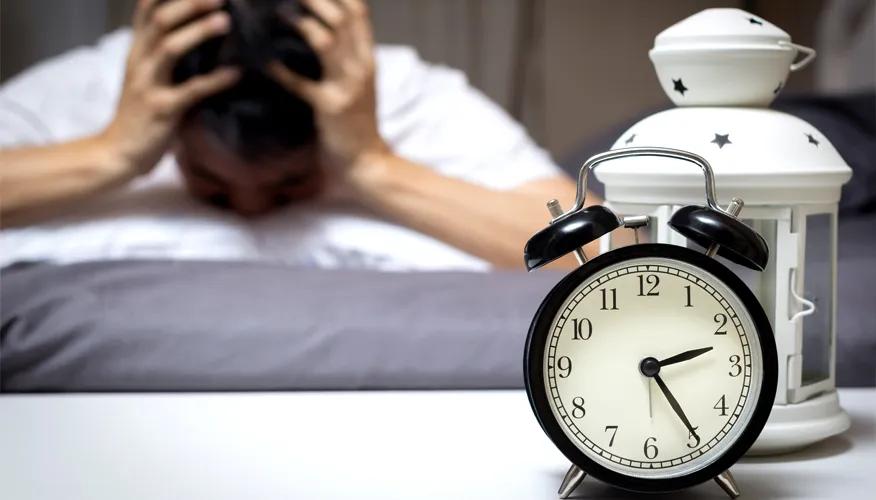
Sleep apnea, restless legs syndrome, and periodic limb movement disorder can cause frequent awakenings during the night, leading to disrupted sleep and fatigue. This makes one feel “I’m always sleepy no matter how much sleep I get”. Medication with side effects like insomnia or conditions like thyroid disorders, anemia, or chronic fatigue syndrome also cause the same.
2. Anxiety Or Stress
Excessive stress or anxiety can cause night-time awakenings and make it challenging to fall back asleep, resulting in feeling tired all the time.
3. Pain Or Discomfort
Physical discomfort from conditions like chronic pain, acid reflux, or injuries can interrupt your sleep and may lead to 8 hours of interrupted sleep instead of maximum rest.
4. Sleep Deprivation And Irregular Schedule
Consistently not getting enough sleep, and inconsistent sleep patterns can result in cumulative sleep debt, leading to morning fatigue. This is why 8 hours of sleep is extremely crucial.
5. Alcohol And Substance Use
Excessive alcohol or substance use, especially close to bedtime, can interfere with sleep quality and reduce the benefits of 8 hours of sleep altogether.
Sleep Architecture And Sleep Cycles
Sleep architecture and sleep cycles refer to the organization and pattern of sleep stages.
Sleep architecture refers to the structure of sleep, including stages, cycles, duration and proportion of each cycle, and total sleep duration. It's simply how your sleep is ordered.
Sleep cycles, a part of sleep architecture, involve light sleep transitioning to wakefulness and deeper sleep, and so on. Any disturbances can cause many issues, resulting in feeling always sleepy at work or irritability and crankiness.

External Influences On Sleep
Why am I always sleepy? Does it only have to do with possible internal issues? You may ask these questions when trying to recognise the causes behind feeling tired after 8 hours of sleep. The reasons are not just internal, but external as well.
Let’s look at some of these.
1. Environmental Factors
Temperature, humidity, and our immediate environment heavily influence our sleep.
Uncomfortably warm or cold rooms make it difficult to fall asleep. Untidy rooms may increase anxiety and make it difficult to achieve good levels of sleep. Often, it's also difficult to maintain a consistent sleep time due to work or social obligations. While you may believe ‘tired but worth it’ is the way to go, it can have damaging effects on your system.
2. Noise And Disturbances
Loud or continuous noises disrupt one’s ability to fall asleep or stay asleep. Even if you're not fully awake, noise can lead to a fragmented 8 hours of sleep. Noise causes irritability and isn’t suited to the sensitive nature of one’s mind when trying to sleep.
3. Light Exposure
Another reason you’re feeling tired all the time is light.
Light exposure, particularly from screens or electronic devices, disrupts the body's natural cycle, suppressing melatonin production. This leads to disturbance, anxiety, and nightmarish awakenings. You’re always sleepy even with enough sleep. Avoid screens, dim lights, and use thick curtains to block out external light.
Lifestyle Factors

Incorporate healthy sleep habits into your lifestyle to improve the quality and duration of your sleep. Here are some lifestyle factors that may be impacting you:
1. Sleep Schedule
Inconsistent bedtime and wake-up times can disrupt your circadian rhythm, which is the body’s internal clock that regulates the sleep-wake cycle through light cues. This makes it challenging to fall asleep and wake up at desired times. Plan ahead and commit to a routine, and you will ensure quality sleep.
2. Physical Activity
A sedentary lifestyle can cause sleep issues, while regular physical activity can improve it. Balance physical activity with your body's needs. This does away with thoughts of “I am tired” and replaces them with healthier energy levels that can take on everyday challenges better.
3. Diet And Nutrition
Even 8 hours of sleep cannot undo the effects of spicy meals, caffeine, and alcohol on your body. Choose light, sleep-friendly snacks before bedtime and incorporate a healthy, balanced diet for your everyday needs.

4. Stress And Anxiety
High-stress levels and anxiety can lead to sleep disturbances and insomnia, creating a state where you feel sleepy but can’t sleep. Practice stress management to improve sleep quality - deep breathing, yoga, and meditation.
5. Napping Habits
Excessive daytime napping can interfere with night-time sleep. There are several disadvantages of sleeping more than 8 hours as well. Try sleeping for only the required amount of hours - no more, and no less.
Technology And Blue Light

Electronic devices like smartphones, computers, and televisions significantly affect sleep by exposing the body to blue light. This suppresses melatonin production and disrupts the sleep-wake cycle.
Blue light also disrupts your circadian rhythm, making it difficult to wake up in the morning and leads to feeling tired all the time. Other effects include reduced sleep duration, poor sleep quality, and multiple chronic health issues.
Limit screen time before bed and only use ‘night mode’ settings. Establish a sleep routine, and consider keeping your devices outside the bedroom to avoid temptation.
Medical Conditions
Conditions like thyroid disorders, diabetes, and autoimmune disorders can impact sleep. They disrupt sleep patterns and contribute to sleep-related problems.
1. Thyroid Disorders
Thyroid disorders can lead to fatigue and daytime sleepiness. Individuals with this condition may find it difficult to stay awake during the day, while also experiencing poor sleep quality at night. They often risk oversleeping which invites the many disadvantages of sleeping more than 8 hours. Restless legs syndrome, sleep apnea, and insomnia are common effects of this condition. One may also experience an increased heart rate, anxiety, and sweating during sleep which causes further disruptions.
2. Diabetes
Diabetes can affect sleep in several ways. Frequent urination during the night (nocturia) is a common symptom that can interrupt sleep. Diabetics are also at a higher risk of obstructive sleep apnea, which can result in frequently waking up during the night, as well as restless legs syndrome, and nightmares caused by fluctuations in blood sugar levels.
3. Autoimmune Disorders
Autoimmune disorders, such as rheumatoid arthritis and lupus, can cause sleep disturbances. Feeling fatigued is a common symptom of many autoimmune disorders, which can lead to excessive daytime sleepiness. Medications used to manage these disorders can also cause nightmares, disturbed sleep, and fatigue.
Seeking Professional Help
If you’re always sleepy at work, or dealing with questions like “Why am I always sleepy despite getting enough sleep?” or recognise that there might be a problem, then it’s time to look for help.
Similarly, if you experience excessive daytime sleepiness and fatigue, or suspect that you have disorders like sleep apnea, it's time to seek help. Behaviors like snoring, gasping for air, persistent nightmares, and sweating also warrant a check-up.
You can consult your primary physician, go to a sleep specialist or therapist, or even participate in sleep studies that analyze brain activity and sleeping patterns in order to diagnose disorders.
Improving Sleep Quality
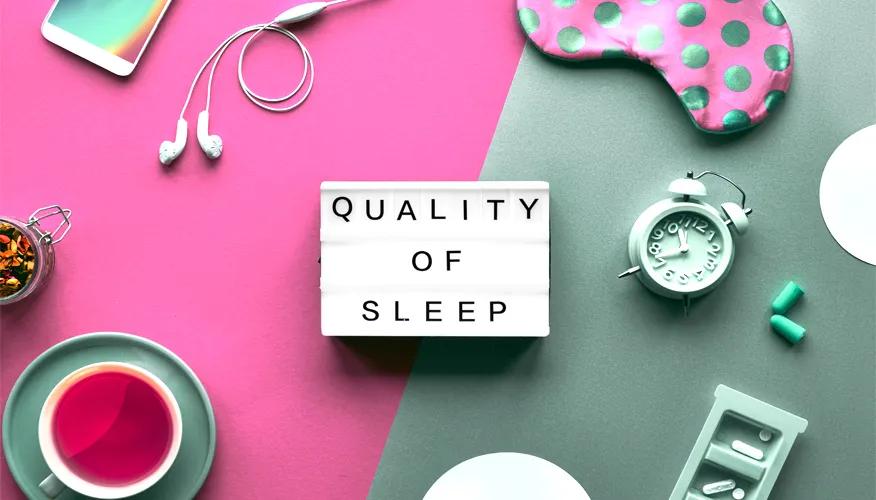
- Improving sleep quality is the main solution to all your problems. It effectively deals with feeling tired all the time despite 8 hours of sleep.
- Create a consistent sleep schedule, invest in a good mattress, use thick curtains, and block out noise.
- Prioritize going to bed and waking up at the same time every day.
- Limit screen time.
- Watch your food and limit caffeine, alcohol, and nicotine.
- Incorporate physical exercise into your routine, manage stress and anxiety, and limit naps throughout the day.
Conclusion
8 hours of uninterrupted sleep can perform miracles. It directly impacts your health, and makes you better equipped to take on a new day.
If you’re still tired after 8 hours of sleep, it’s time to turn things around. Don’t hesitate to approach a professional and chart out a plan that works best for you.
Meet our expert

Meet our expert
Dr. Pulyk Nataliya Omelanivna is an Internal Medical Expert who is based out of Ukraine. With a special interest in internal medicine Dr Pulyk graduated from the Ternopil National Medical Academy in Ukraine, in the year 2001. Between the years 2002-2009, Dr Pulyk worked as an emergency physician. Her years of work as an emergency physician gave her immense exposure to a range of patients and an opportunity to learn on the job, and gather extensive experience.



How was the experience with article?
We'd love to know!