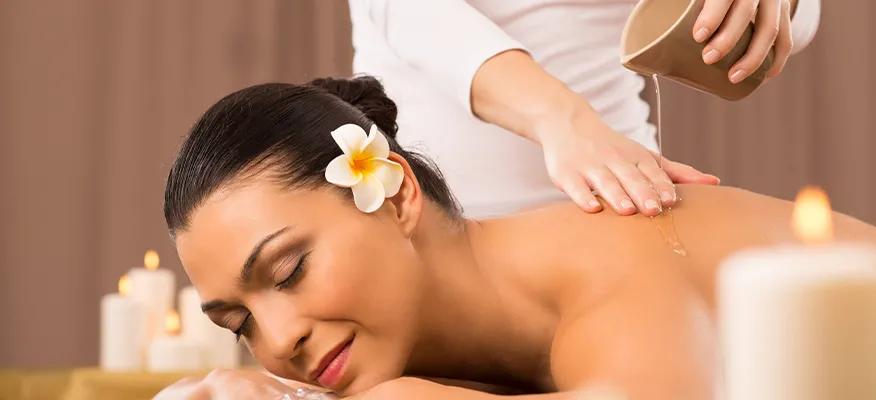
Stress cannot always be avoided, but simple habits such as exercise, relaxation, meditation and therapy may help you manage it better.
Stress is a natural response to pressure or change, but long-term stress can affect your sleep, mood, energy and overall health. Simple lifestyle habits, relaxation techniques and professional support may help reduce stress and improve daily wellbeing.
Finding it difficult to sleep due to the next week's mega event in your organization? Last-minute change in work plans giving you major headaches after you have burnt the midnight oil all along? Family problems reaching a crescendo causing you to forget everyday things?
You are understandably under stress, and you are not an exception. Almost all of us have fallen prey to stress at least once in our entire life.
What Is Stress and How Does It Affect the Body?
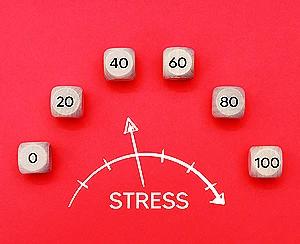
Stress is the body's response to a challenge or a change. When you go through changes or some kind of stressors like a new job or personal responsibilities like marriage, loss of a loved one, etc., your body produces physical and mental responses. That's stress. Stress responses help your body adjust to new situations.
Some amount of stress is good for you since it prepares you for important events, for example, exam stress can help you study more, but prolonged stress is detrimental to your health.
Long-term stress can give rise to numerous responses in your body like headaches, muscle tension, high blood pressure, anxiety, depression, anger, sorrow, and so on. It may trigger unhealthy habits like smoking, alcohol, and substance abuse.
Signs and symptoms of stress
Signs of stress can be challenging to identify. Symptoms of stress and anxiety may go unnoticed since short-term and long-term stress produce more or less the same signs and symptoms.
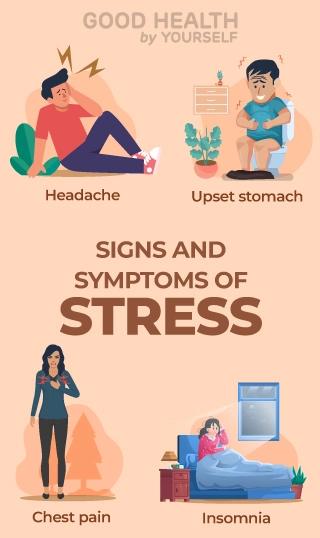
Many times, stress produces various symptoms that we misunderstand for some illnesses, but the symptoms may persist even when you recover.
Stress symptoms can affect your body, your thoughts and feelings, and your behavior. Some of the most common symptoms of stress are:
- Headache
- Fatigue
- Chest pain
- Changes in sex drive
- Upset stomach
- Insomnia
People under stress may experience any one or a combination of these symptoms.
How Is Stress Treated?
Stress treatment depends on symptoms and severity. Lifestyle changes, relaxation techniques, counselling and medical care may be recommended. Medicines should only be used under guidance from a healthcare professional.
There are no specific treatments for stress. However, medical treatments are available to tackle the symptoms of stress and their resulting health disorders. Sleeping pills and minor tranquilizers are sedatives prescribed for severe anxiety and insomnia. These medications slow down your brain's functions and can help to relax your heartbeat and breathing.
Other types of medicines include antidepressants, beta-blockers, and antihistamines. Antidepressants affect the balance of certain chemicals in the brain known as neurotransmitters. Beta-blockers and other drugs are used to address the physical symptoms that may accompany an anxiety attack. First-generation antihistamines are also used to help with anxiety symptoms because they have a sedating effect.
However, most of these medicines accompany various side effects and drawbacks. All antidepressants may increase the risk of suicide in children, adolescents, and young adults up to the age of 24. Also, using other antidepressants with Monoamine oxidase inhibitors (MAO), a type of antidepressant, poses the serious risk of developing severe, possibly fatal side effects. A space of 14 days needs to be allowed between the use of the two types of drugs.
Abrupt withdrawal of selective serotonin reuptake inhibitors (SSRIs) and serotonin-norepinephrine reuptake inhibitors (SNRIs) may result in anxiety, confusion, dizziness, and agitation. Other drugs that interfere with coagulation, including aspirin and other nonsteroidal anti-inflammatory medications, should be avoided when using SSRIs and SNRIs.
Anticholinergic side effects commonly occur with tricyclic antidepressants (TCAs). These include dry mouth, urinary retention, blurry vision, and constipation. TCAs also interact with a wide array of drugs, sometimes with fatal results.
MAOIs interact with a wide array of prescription and nonprescription drugs. Patients should make sure doctors and other health care professionals know they are using these medications. Other side effects of MAOIs include weight gain, sexual dysfunction, constipation, and other gastrointestinal problems. Many other side-effects of such medications include weight gain, erectile dysfunction, gastrointestinal problems, etc. Long-term use of these drugs can also lead to serious health issues like obesity, cancer, and diabetes. There are ways in which you can manage your stress and may not need medications.
How Can You Manage Stress by Yourself?
You may manage everyday stress through regular exercise, breathing exercises, meditation, time with loved ones, hobbies, good sleep and healthy routines. If stress feels constant or severe, professional support is important.
You cannot avoid stress, but you can stop it from piling up and negatively affecting your health by routinely practicing some strategies:
- Exercise - Exercises for stress include aerobic exercises that improve your body's ability to use oxygen and blood flow to all your organs. Try stress relief exercises like walking and jogging
- Practicing relaxation techniques, such as deep breathing exercises for stress, meditation, Yoga, Tai chi, or massage
- Keeping a sense of humor
- Spending time with family and friends
- Setting aside time for hobbies, such as reading a book or listening to music
What Is the Difference Between Stress Relief and Stress Management?
Stress relief usually means short-term actions that help you feel calmer, such as deep breathing, walking or listening to music. Stress management is a longer-term approach that helps you understand triggers, build healthy routines and cope better with future pressure.
What Are Natural Ways to Reduce Stress?
Natural stress-relief methods may include exercise, meditation, massage, breathing exercises, CBT, social support and healthy daily habits. The best method depends on your symptoms, lifestyle and comfort level.
Nigerians may be one of the most stressed people out there. But, Nigeria is home to exceptional biodiversity and has abundant flora and fauna.
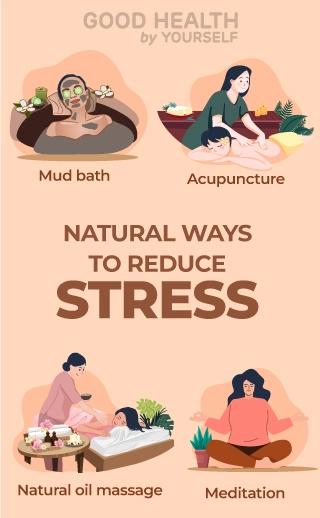
There are many natural ways in which you can relieve your stress and relax. The following are some natural ways to reduce stress:
1. Can a Mud Bath Help You Relax?
This is a popular natural method to relax and rejuvenate. Traditionally taken using 'Moor mud' or peat which is dug below groundwater level, the mud helps to detoxify the body which is constantly attacked by toxins from the environment and the food.
The mud bath helps cleanse the body of toxic waste build-up, helps relieve pain, and fights skin disorders. It delivers various nutrients through the skin, improves circulation, and immune function, and relaxes you.
This technique has been used for the past 200 years and is one of the most loved relaxation methods for people. A mud bath facility is easily available in the state of Lagos.
2. Can Massage Help Reduce Stress?
Massage may help relax tense muscles, reduce physical discomfort and create a sense of calm. It works best as part of a wider stress-management routine.
Massage is a great tool for relaxation, pain relief, and easing muscle tension. Massage therapy involves using different pressures, movements, and techniques to manipulate muscles and other soft tissues in the body.
To slow down your nervous system, massage therapy can be used to release stress and tension, provide relief from symptoms, heal injuries, and support wellness. It also improves muscle tone and imparts flexibility to the body.
The oil helps to get rid of dirt and dead skin cells, especially in those areas that are prone to its buildup. A natural oil massage using various essential oils can act as aromatherapy for you where the distinct scents relax you while benefitting your body. Many spa centers in Nigeria offer this.
3. Can Acupuncture Help with Stress Relief?
Acupuncture may help some people feel relaxed and manage stress-related tension. It should be done by a qualified practitioner and is not a replacement for medical care.
Acupuncture involves the insertion of very thin needles through your skin at strategic points on your body. It works to ease stress by releasing endorphins, which are natural pain-killing chemicals in the brain.
Additionally, acupuncture improves the circulation of blood throughout the body, and flushes the stress hormone, cortisol, out of the body. Many centers like Kumi healing in Lagos offer acupuncture.
4. How Does Meditation Help Reduce Stress?
Meditation can help calm racing thoughts, improve focus and support relaxation. Even a few minutes of quiet breathing or guided meditation may help reduce daily stress.
Meditation can produce a deep state of relaxation and a peaceful, quiet mind. It helps you focus your attention and eliminate the constant mind chatter in your head and helps you beat stress.
When meditating, you can truly feel at peace without the distractions of a normal life. If you meditate regularly, you may start becoming less stressed or worried.
There are several natural places in Nigeria where meditation can be practiced. The tranquil Awhum cave in Enugu offers a prayer atmosphere that facilitates spiritual uplifting and the renewal of mind and body.
5. Can Cognitive Behavioural Therapy Help with Stress?
CBT can help people identify stressful thought patterns and develop healthier coping habits. It may be especially useful when stress is linked to anxiety, low mood, work pressure or difficult life events.
It is well-planned psychotherapy where psychologists, therapists, and counselors, speak to you and treat your mental health conditions and emotional concerns.
Through CBT, you can learn to let go of negative thoughts and behaviors and learn to adopt healthier thinking patterns and habits. It has been proven to be effective in anxiety, depression, obsessive-compulsive disorder (OCD), and other mental challenges.
CBT can help you sail smoothly through tough life situations like marital conflicts, divorce, problems at work, grief, etc. Finding the right therapist for you is often a time-consuming task.
Nigeria is blessed with various health and wellness centers to facilitate the correct therapy for you. The Olive Prime centers situated in Abuja and Lekki cities provide CBT services along with other relaxation services.
When Should You Seek Help for Stress?
Speak to a healthcare professional if stress feels constant, affects sleep, work, relationships or appetite, causes panic symptoms, or leads to persistent sadness, hopelessness or thoughts of self-harm. Stress can be managed, but ongoing symptoms should not be ignored.
Conclusion
Stress is a major part of our lives. We cannot escape it but let us try to cope with it better. You can make a conscious effort to improve your diet and lifestyle by eating healthy food, exercising, drinking lots of water, and sleeping on time.
It is also great to share your thoughts and feelings with a trusted person. Natural ways to reduce stress are a better option than artificial ways like anti-stress medications.
Natural ways like a mud bath, oil massage, acupuncture, meditation, and cognitive behavioral therapy benefit you in more than one way. Their soothing and relaxing feel makes you forget all your worries and cuts off worldly distractions. They help you destress, relax, and rejuvenate completely.
Meet our expert
Meet our expert
Dr. Iunis Galina Ivanovna is a Neurologist from Ukraine. She graduated from the Luhansk State Medical University in 1998, and has been in the medical profession since then. In the course of her career as a neurologist, Dr. Ivanovna has gathered extensive experience and expertise having handled a wide variety of cases.
How was the experience with article?
We'd love to know!