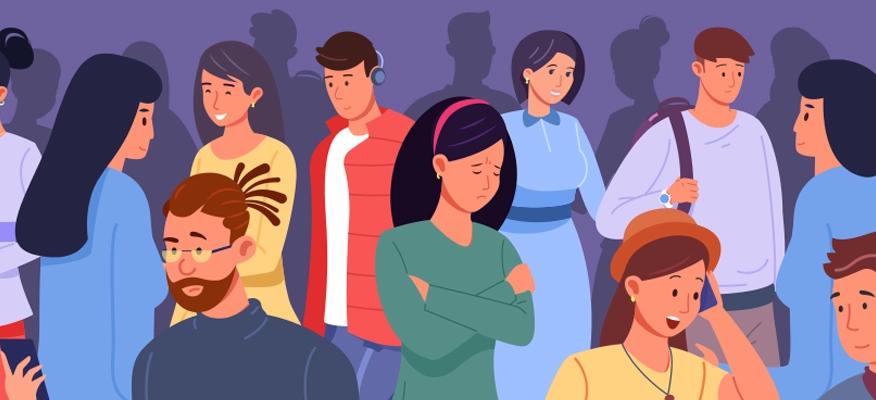
Chronic stress may affect mood, sleep, appetite and daily functioning, and over time it can increase the risk of depression in some people.
Chronic stress can increase the risk of depression by affecting mood, sleep, energy, appetite and the way the brain responds to pressure. Not everyone who experiences stress develops depression, but ongoing stress without support or healthy coping can make a person more vulnerable.
Chronic stress may increase the risk of depression by affecting sleep, appetite, motivation, mood and the body’s stress-response system. Stress does not always lead to depression, but ongoing pressure without support can make symptoms worse and may require professional help.
You and your family are ready to enjoy the horse riding festival. Costumes are ready, and you are looking forward to tomorrow being a great day. But your sister has somehow not been feeling well.
She is not excited about the festival and does not talk to anyone in the family. She does not look physically ill, but does look visibly stressed and somewhat sad. Could she be having an issue with her fiancé, you wonder?
Stop, do not judge her. Think how and what you can do to help her. But first, read below to know about depression and how stress may lead to depression.
What Is Depression?
Depression is a mood disorder that can cause persistent sadness, loss of interest, low energy and changes in sleep, appetite and daily functioning. It is more than feeling sad for a short time and may need professional care.
Depression is a medical condition that affects mood and causes a constant feeling of sadness and loss of interest.
Depression may affect how you feel, and behave and can lead to emotional and physical issues. You might feel doing nothing affects your productivity at work, a change in appetite, sometimes people may feel life isn't worth living.
What Are the Different Types of Depression?
Depression is not something that comes and snaps out the other day. It gets worse and lasts longer sometimes. According to patient experience and causes, there is a different types of depression, such as
- Major depressive disorder (MDD)
- Bipolar depression
- Perinatal and postpartum depression
- Persistent depressive disorder (PDD)
- Premenstrual dysphoric disorder (PMDD)
- Psychotic depression
- Seasonal affective disorder (SAD)
What Are the Symptoms of Depression?
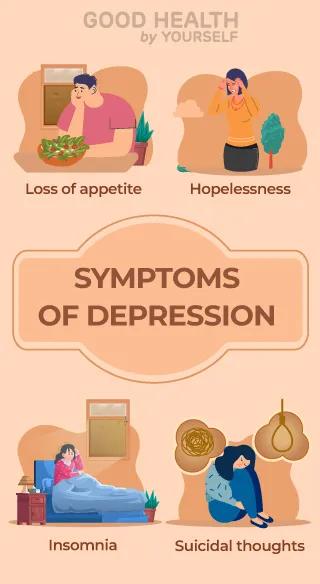
Symptoms of depression may include persistent sadness, hopelessness, sleep problems, appetite changes, poor concentration, loss of interest, low energy and thoughts of self-harm. These symptoms should not be ignored.
- Depression affects your emotions, mind, and body.
- Symptoms included in depression are:
- Feeling stressed on a single condition
- Constant Sadness, hopelessness
- Frustrated with life and the current situation
- Loss of appetite
- Sleep disturbance (insomnia)
- Difficulty in concentrating, remembering, and focusing on important things
- Thinking about hurting or killing yourself
What Causes Depression?
Depression can have many causes, including genetics, trauma, chronic stress, brain chemistry, medical conditions and personality-related factors. Often, more than one factor is involved.
Depression is a chronic condition that can be caused by various factors, such as genetics, childhood trauma, chronic stress, brain chemistry, ongoing medical condition, and personality.
- Genetics: If your parents or direct relatives have depression, you may be more likely to get depression.
- Childhood trauma: Child abuse, child labor, and violence against a child can put a significant effect on the child's mind and behavior. The loss of a loved one in childhood may also put a child in trauma and these events accumulate and cause depression later in life.
- Chronic stress: A major cause of depression is stress. Getting over-stressed by traumatic situations, isolation or lack of support from family causes depression.
- Medical conditions: Ongoing medical illness can cause depression. Diabetes, hypertension, Parkinson's disease, infection, and lack of medical support may cause depression.
- Personality: Soft-hearted, sensitive, overthinkers, and easily overwhelmed people may be prone to depression.
How Does Chronic Stress Affect Mental Health?
Chronic stress can affect mental health by disturbing sleep, mood, appetite, concentration and energy levels. When stress continues for a long time, the body may stay in a constant state of pressure, making a person feel more anxious, tired, irritable or emotionally overwhelmed. Over time, unmanaged stress may increase the risk of depression in some people.
The worst kind of sadness is you are not able to explain it. In your day-to-day life, you might experience various kinds of stress, forgetting the gas stove on, getting late for office, having financial problems, health issues, rejections, work pressure, lack of understanding in family, extramarital affairs, miscarriage, and so on.
A person juggling so many things in a day makes him stressed, and stress has a direct effect on the mood. Early symptoms of stress may include irritation, sleep disturbance, and cognitive change. The indirect effects of stress on the body often can cause depression to take place.
When a person experiences stress, he stops thinking about healthy coping strategies and gets stuck in one thought of stress. Lack of interest holds him back and he cannot start an exercise or any productive activities. This makes him more inactive and lethargic. chronic stress may affect the mood, behavior, and body of a person, this may lead to early depression.
Constant stress and sadness have adverse effects on mental health. anxiety attacks, palpitation, sexual dysfunction, and suicidal thoughts all are leads to clinical depression.
During stressful conditions, our brain goes through so many changes, including increased availability of corticotropin-releasing hormones, cortisol, hyperactivity of the amygdala, and hypoactivity of the hippocampus all these together result in increased vulnerability to stress.
The presence of this vulnerability develops depression in response to stressful events.
What Is the Difference Between Stress and Depression?
Stress is often a response to pressure or difficult situations, while depression is a mental health condition that may cause persistent sadness, loss of interest and difficulty functioning. Stress may improve when the situation changes, but depression can continue even when the stressor is gone.
| Factor | Stress | Depression |
| Main cause | Pressure, workload or life events | Multiple factors, including biology and life experiences |
| Duration | Often improves when stressor reduces | Can persist even without a clear trigger |
| Mood impact | Irritability, worry or tension | Persistent sadness, hopelessness or emptiness |
| Energy | Tiredness during pressure | Ongoing fatigue and loss of motivation |
| Interest | May still enjoy activities | Loss of interest is common |
| Support needed | Lifestyle changes may help | Professional care may be needed |
How Can You Manage Stress and Reduce Depression Risk?
Stress management may include regular exercise, healthy sleep, balanced meals, deep breathing, reduced social media use, social support and counselling. These steps can support wellbeing, but depression may still require professional treatment.
A person with clinical depression may need medications, such as antidepressants, to treat depression. But there are various natural methods that can help you to manage symptoms and reduce the risk of further experience.
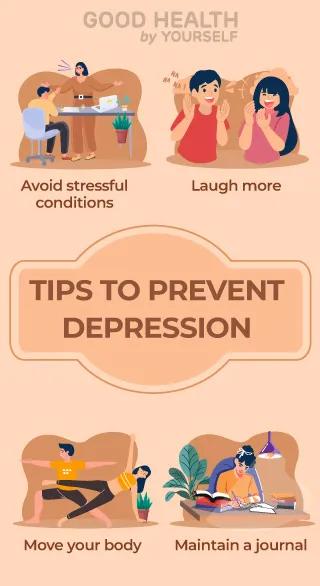
Some effective strategies to prevent depression and its leading cause of STRESS.
1. Can Reducing Stress Triggers Help?
People who have chronic stress are more susceptible to developing depression. By avoiding stress, like reading books that engage you and help you with overthinking, saying no to stressful events, saying back to over workload, taking a break from work, doing more of your favorite activities, getting yourself involved in creative thinking, relaxing for some moment when you feel stressed out.
Avoiding stress and putting yourself in creative things help you avoid the risk of depression.
2. How Does Physical Activity Support Mood?
Nowadays, people who do not have access to the gym and any workout training, just stay back at home. But instead of that, you may start some with some easy stretches, yoga poses, and exercise at your home by yourself.
People who have stress are more likely to be inactive. Don't do this, if you are not feeling to do something, push yourself. This will help you to prevent any further damage to your body.
Do exercise, do yoga, dance, do Zumba, or do a traditional dance. The main motive is to move and relax your body from stress and be active.
3. Can Healthy Eating Support Mental Wellbeing?
Food has a direct effect on your physical and mental health. Do not indulge in processed food items to be healthy. Processed food is very harmful to your body and mind. It induces laziness and reduces your mental productivity.
Include all healthy fruits, vegetables, proteins, complex carbs, fats, vitamins, nuts, and home-cooked food in your daily diet.
You can try to make your boring food more interesting by adding some spices and herbs, trying new recipes, and making it more presentable so that you can't resist eating healthy food. Eat healthy and yummy food to reduce depression.
4. Why Is Sleep Important for Stress and Depression?
Stress, anxiety, and depression may hit you at night time, and you start worrying about things that will affect your goodnight's sleep.
Do not let your anxiety affect your sleep. You can include a healthy nighttime routine where you can have a good bath and relax your body, apply some moisturizer, add some scented candles in your room for a pleasant fragrance, and write down your thoughts in a gratitude journal.
Also, dim your lights, and do 10 minutes of meditation to completely relax.
5. How Can You Identify Common Stress Triggers?
If you are aware of your depression and anxiety, you should start avoiding all the common things that trigger your anxiety.
Set a particular routine to avoid getting late to the office, complete your targets on time, maintain your expenses to avoid financial issues, maintain a loving healthy relationship with your loved one, get enough sleep and live a healthy life.
6. Can Deep Breathing Calm Stress?
Deep breathing can calm your nerves and improve your mood. If you are stressed a quick 5 to 6 deep breaths can make you calm and relaxed.
7. Can Limiting Social Media Reduce Stress?
Social media has a good opportunity to connect with people from different countries.
But social media also has negative effects. Very often, by watching everyone having fun you tend to feel bad; social media also reduces face-to-face communication and that leads to misunderstanding.
Mindless scrolling can also make you lazier and you waste most of your precious time on it. So take up the charge and watch your time spent on social media.
8. Can Laughter Help with Stress Relief?
Laughing is the ultimate medicine for our body. As we laugh, we open up our lungs and heart for more oxygen. And as you get more oxygen, your body and mind too will heal faster.
Even if you are stressed and not feeling happy about anything, trying to laugh makes some difference in your condition.
9. Why Is Social Support Important?
Sharing is caring, this not only goes with food but also with feeling. As much as you share your problems and thoughts with others, you will feel lighter.
If you feel anxious and depressed often, consider talking to your family and friends or consult a healthcare provider.
10. When Should You Seek Counselling?
Do not hesitate to seek help for your mental condition, there is a stigma around depression. You should break this stigma and get help. Go to a therapist or psychiatrist for counseling; talk with them and figure out what is bothering you. Seeking help does not make you weak it will make you more stronger and self-confident.
When Should You Seek Help for Depression?
Seek professional help if sadness, hopelessness, anxiety, sleep problems, appetite changes or loss of interest continue for more than two weeks or affect daily life. Urgent help is needed if someone has thoughts of self-harm or suicide.
Conclusion
Some times, chronic stress and depression go hand in hand. Overstress may alter the pattern of working in your brain. That may lead to depression.
Depression is a chronic mood disorder, where constant sadness cover you from all side and you feel vulnerable, isolated, and having suicidal thoughts.
If you are feeling any symptoms related to stress, try to manage it as a priority to prevent depression. You can use some strategic good habits to overcome the symptoms of depression, consult with your doctor as soon as possible.
Meet our expert

Meet our expert
Dr. Iunis Galina Ivanovna is a Neurologist from Ukraine. She graduated from the Luhansk State Medical University in 1998, and has been in the medical profession since then. In the course of her career as a neurologist, Dr. Ivanovna has gathered extensive experience and expertise having handled a wide variety of cases.


How was the experience with article?
We'd love to know!