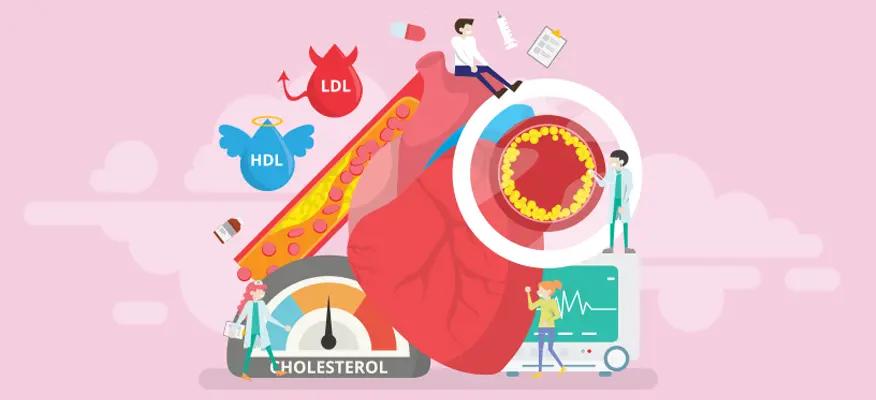
In today’s health-conscious world, managing cholesterol levels has become a significant priority. Cholesterol, often linked with heart health, plays an essential role in our bodies.
However, high cholesterol levels can increase the risk of heart disease, stroke, and other cardiovascular issues. Many people seek natural ways to lower cholesterol without relying solely on medication, and fortunately, several lifestyle changes can help.
This guide will explore what cholesterol is, why managing it matters, and the best way to lower cholesterol naturally.
What is cholesterol?
Cholesterol is a waxy, fat-like substance that the body needs to build cells and produce vitamins and hormones.
It travels through the bloodstream attached to proteins, forming “lipoproteins.”
While cholesterol is essential, excess levels in the blood can lead to health issues, especially when it builds up in artery walls, leading to hardening or narrowing of these arteries.
What are the main types of cholesterol?
There are two primary types of cholesterol:
- Low-Density Lipoprotein (LDL): Often referred to as "bad" cholesterol, LDL can build up in the walls of arteries, increasing the risk of heart disease.
- High-Density Lipoprotein (HDL): Known as "good" cholesterol, HDL helps remove excess cholesterol from the bloodstream, transporting it to the liver for disposal.
A healthy balance between LDL and HDL is vital for optimal heart health.
Why is it important to manage cholesterol?
Managing cholesterol is essential because high levels of LDL cholesterol can lead to plaque buildup in the arteries.
This buildup, known as atherosclerosis, can cause narrowing of the arteries, restricting blood flow to the heart and other organs.
High cholesterol levels can increase the risk of severe conditions, including heart attacks and strokes, which are among the leading causes of death globally.
What causes high cholesterol?
High cholesterol can result from several factors:
- Diet: Consuming high amounts of saturated fats, trans fats, and cholesterol-rich foods can raise cholesterol levels.
- Lifestyle: A sedentary lifestyle, lack of exercise, smoking, and excessive alcohol intake can elevate cholesterol.
- Genetics: Family history can also influence cholesterol levels, as certain genetic conditions lead to high cholesterol.
- Age and Gender: Cholesterol levels tend to increase with age. Women often experience higher cholesterol levels after menopause.
Best ways to lower cholesterol naturally
Here are the fastest way to lower cholesterol:
1. Adopt a Heart-Healthy Diet
A diet focused on heart health can effectively reduce cholesterol levels:
- Eat more fiber: Soluble fiber found in oats, beans, lentils, fruits, and vegetables can lower LDL levels by preventing cholesterol absorption.
- Include healthy fats: Opt for unsaturated fats from sources like olive oil, avocados, and nuts, which can help reduce LDL cholesterol.
- Limit saturated and trans fats: Avoid red meat, dairy products, and processed foods high in trans fats and saturated fats.
2. Increase Physical Activity
The easiest way to lower cholesterol is regular exercise as it can boost HDL cholesterol while lowering LDL cholesterol. Engaging in 150 minutes of moderate-intensity exercise each week, such as brisk walking, cycling, or swimming, can make a significant impact. High-intensity workouts are even more effective for improving cholesterol levels.
3. Lose Weight if Necessary
Excess weight can contribute to high cholesterol. Losing even a modest amount, like 5-10% of your body weight, can improve your cholesterol profile. A healthy diet combined with regular exercise is an effective way to achieve and maintain a healthy weight.
4. Avoid Smoking
Smoking lowers HDL cholesterol and increases the risk of plaque buildup in the arteries. Quitting smoking can improve HDL levels and reduce the risk of heart disease, especially when combined with other cholesterol-lowering lifestyle changes.
5. Reduce Alcohol Consumption
While moderate alcohol consumption has been associated with higher HDL cholesterol levels, excessive drinking can lead to high cholesterol and blood pressure. For those who drink, it’s best to limit alcohol to one drink per day for women and two for men.
6. Add Plant Sterols and Stanols to Your Diet
Plant sterols and stanols are compounds found in certain plants that prevent cholesterol absorption in the intestines. Foods fortified with these compounds, such as certain margarines, orange juice, and yogurt drinks, can help reduce LDL cholesterol levels.
7. Use Herbs and Natural Supplements
Some natural supplements and herbs have shown promise in reducing cholesterol. These include:
- Garlic: Known for its heart-protective properties, garlic can help reduce total and LDL cholesterol levels.
- Omega-3 Fatty Acids: Can reduce triglycerides and improve HDL cholesterol.
Here are some excellent sources of omega-3 fatty acids:
- Chia Seeds: High in alpha-linolenic acid (ALA), chia seeds are a fantastic plant-based source of omega-3s. Just one ounce (about 2 tablespoons) provides over 4,900 mg of ALA.
- Flaxseeds: Another rich source of ALA, flaxseeds also offer fiber and lignans, which support heart health. Ground flaxseeds are best for nutrient absorption.
- Hemp Seeds: These seeds contain a good amount of omega-3s and are also high in protein, making them a great addition to salads, smoothies, or snacks.
- Walnuts: Walnuts are one of the few nuts that provide a substantial amount of omega-3s. A small handful of walnuts daily can help support heart health.
- Algal Oil: Derived from algae, algal oil is one of the few plant-based sources of the same omega-3s (DHA and EPA) found in fish oil. It's often available in supplement form and is ideal for those looking to avoid fish products.
- Brussels Sprouts: Though lower in omega-3s than seeds or nuts, Brussels sprouts provide a modest amount and are a nutritious vegetable to include in a heart-healthy diet.
- Perilla Oil: Common in Asian cooking, perilla oil contains ALA and can be used in salad dressings or as a finishing oil.
- Seaweed and Spirulina: Various types of seaweed, like nori, wakame, and chlorella, offer omega-3s, especially in diets that limit other sources. Spirulina and other algae-based supplements can also contribute to omega-3 intake.
- Psyllium Husk: The fastest way to lower cholesterol without drugs is by having a soluble fiber, psyllium husk, which can effectively reduce cholesterol levels.

Benefits of lowering cholesterol levels
Lowering cholesterol offers numerous benefits beyond reducing the risk of heart disease. These include:
- Improved Heart Health: A balanced cholesterol profile reduces the risk of plaque buildup and blood clots.
- Better Circulation: With clear arteries, blood flows more efficiently, benefiting overall organ health.
- Reduced Risk of Stroke: Lowering cholesterol minimizes the chance of artery blockages that can cause strokes.
Conclusion
Managing cholesterol naturally is achievable through lifestyle changes and dietary adjustments. While medications are sometimes necessary, many individuals can benefit from adopting healthier habits to reduce cholesterol levels. Taking steps to maintain a balanced cholesterol profile can improve heart health, enhance quality of life, and reduce the risk of serious health conditions.
Meet our expert

Meet our expert
Dr Sintayehu Abebe is a Consultant Internist and Interventional Cardiologist at the Addis Ababa University. The young and energetic Dr Abebe who is always keen on learning new things is also President of the Ethiopian Society of Cardiac Professionals (ESCP).


How was the experience with article?
We'd love to know!