
Well, well, well! What a day it has been!
Have you ever had one of those days when you felt like everything was on your shoulders? Your work, family, friends, social commitments, and even your own personal time - everything wants a piece of you! All these demands can be overwhelming and can lead to stress and fatigue.
So how do we maintain balance in this whirlwind of responsibilities? The answer lies in setting boundaries. But what does it mean to set boundaries? And more importantly, why is it crucial for our well-being?
Stay tuned as we dive into the concept of setting boundaries for your well-being, highlighting its importance, and offering tips on how to implement it in your daily life.
Let’s embark on this journey to achieve better health and happiness. Buckle up!
The concept of personal boundaries
Have you ever wondered what personal boundaries are? Personal boundaries refer to the invisible lines or limits that we establish around ourselves to protect our mental, emotional, and physical well-being.
These boundaries are guidelines, rules, or limitations that we create to identify safe, permissible ways for other people to behave toward us. They are crucial in defining who we are in relation to others and in helping us maintain control over our personal space, feelings, and needs.

How do we define these boundaries? Well, every person will have unique personal boundaries based on their individual experiences, values, and perceptions. These might include physical boundaries (like personal space and touch), emotional boundaries (like feelings and emotions), mental boundaries (like thoughts and ideas), and spiritual boundaries (like beliefs and values).
Importantly, maintaining these boundaries is not about isolating ourselves but about creating a balanced relationship with the world around us.
How boundaries impact mental health
Personal boundaries play a significant role in our mental health. When our boundaries are respected, we feel secure, confident, and valued. However, when these boundaries are violated, it can lead to feelings of disrespect or being taken advantage of, which could impact our self-esteem and well-being.
Let’s understand further:
- Boundary violations: When our personal boundaries are constantly violated, it can create stress and anxiety. This could manifest as feeling uncomfortable or offended by someone's comments or actions.
- Lack of boundaries: On the other hand, having no personal boundaries can make us vulnerable to manipulation or abuse. It could also lead to feelings of being overwhelmed or overextended because we're unable to say no to requests or demands.
- Healthy boundaries: Healthy boundaries can foster confidence, independence, high self-esteem, and positive mental health. They allow us to communicate our needs effectively and maintain good relationships.
The process of setting healthy boundaries
Setting healthy personal boundaries is a fundamental aspect of maintaining well-being and fostering healthy relationships. It is a continuous process that requires self-awareness, clear communication, and consistency.
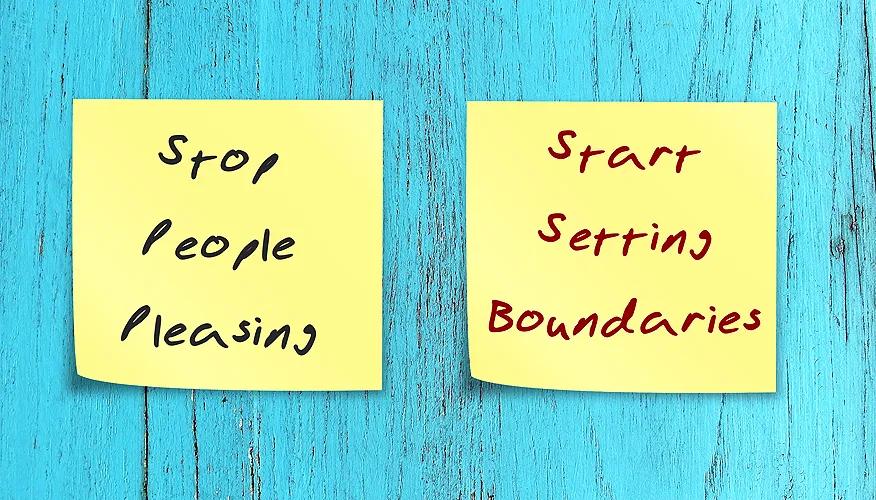
Here’s a step-by-step guide to help you establish and maintain boundaries effectively:
1. Self-awareness
Begin by taking the time to reflect on your own needs, values, and limits.
Identify your physical, emotional, mental, and spiritual boundaries.
Consider what situations or behaviors make you feel comfortable or uncomfortable.
Understanding your own boundaries is essential for setting clear expectations with others and ensuring that your needs are respected.
2. Clear communication
- Once you have identified your boundaries, it’s crucial to communicate them effectively to those around you.
- Be assertive in expressing your limits and preferences but avoid being aggressive or confrontational.
- Use ‘I’ statements to express your needs and feelings, focusing on how specific behaviors impact you personally. For example, instead of saying, ‘You always make me feel overwhelmed’, try saying, ‘I feel overwhelmed when there’s too much on my plate.
3. Consistency
- Consistently enforcing your boundaries is key to maintaining their effectiveness over time.
- It’s normal to encounter resistance or pushback from others, especially if they are accustomed to disregarding your boundaries.
- Stay firm and assertive in upholding your limits, even if it feels uncomfortable initially.
- Remember that setting boundaries is an act of self-care and self-respect, and you deserve to have your needs respected.
4. Practice self-care
- Prioritize self-care practices that support your overall well-being and reinforce your boundaries.
- Engage in activities that bring you joy, relaxation, and fulfillment. Set aside time for yourself to recharge and replenish your energy reserves.
- Taking care of your physical, emotional, and mental health is essential for maintaining strong and resilient boundaries.
5. Seek support
- If you’re struggling to establish or maintain boundaries, don’t hesitate to seek support from trusted friends, family members, or mental health professionals.
- Discussing your boundaries with supportive individuals can provide validation and encouragement as you navigate this process.
- Additionally, therapy can be a valuable resource for exploring boundary-setting techniques and addressing underlying issues that may be affecting your ability to assert your needs confidently.

Nurturing emotional balance through boundaries
Setting personal boundaries is a vital component of nurturing emotional balance. Well-defined boundaries can help us manage our emotions and reduce stress by setting clear expectations for ourselves and others.
Here’s how:
- By asserting our needs and rights, we can avoid feelings of resentment or guilt.
- Setting boundaries can prevent us from feeling overwhelmed by limiting our exposure to potentially distressing situations.
- Boundaries can help us maintain our emotional energy by defining what we will and will not accept from others.
Reaping the benefits of well-set boundaries
Respecting personal boundaries has many benefits. These include improved self-confidence and self-esteem, better relationships with others, increased independence, and healthier mental and emotional well-being.
Here are some more benefits:
- Having well-defined boundaries can help us feel more in control of our lives.
- Boundaries can enhance our ability to make decisions that align with our values and beliefs.
- They can also make it easier for us to advocate for ourselves in difficult situations.
Conclusion
Setting healthy personal boundaries is an integral part of maintaining our mental and emotional well-being. By defining what is acceptable to us and learning to express this assertively, we can create a supportive environment for ourselves where we feel valued and respected.
However, establishing these boundaries is not a one-time event; it’s a lifelong journey that requires patience and practice. By setting and enforcing our boundaries consistently, we can nurture our emotional balance and reap the benefits of well-set boundaries.
So, let’s respect our limits, communicate them effectively, and remember that it's okay to say no when we need to. After all, our well-being comes first.
Meet our expert

Meet our expert
Dr. Pakanich Maria Petrivna graduated from Ukraine's Uzhhorod National Medical University, Faculty of Medicine, in 1999. She further pursued her post graduation studies at Lviv National Medical University between 1999-2000. She then spent 16 years (2000-2016) at the same university as the resident doctor neurologist. Since 2016,Dr. Pakanich Maria Petrivna has been associated as a medical representative with Mega We Care.



How was the experience with article?
We'd love to know!