Doesn’t it seem like when life gets busy, that’s when our bodies start sending us little signals?
An unexpected headache, an unwelcome bout of bloating, or that nagging feeling of stress that just won’t quit.
We know we need to listen to our bodies and take care of ourselves, but with our bustling routines and constant responsibilities, finding the right remedy can feel like an overwhelming task.
So, you ask yourself, what can I do to soothe these everyday health hiccups while still tending to my daily duties? There are so many wellness products out there; how do I find the one that’s right for me?
Well, let us introduce you to a potential new ally in your wellness journey: evening primrose oil. This powerful natural remedy holds a treasure trove of benefits that can help support your health and well-being.
Ready to learn more about what this wonder oil can do for you? Stay tuned as we dive into the captivating world of primrose oil!
What is primrose oil?
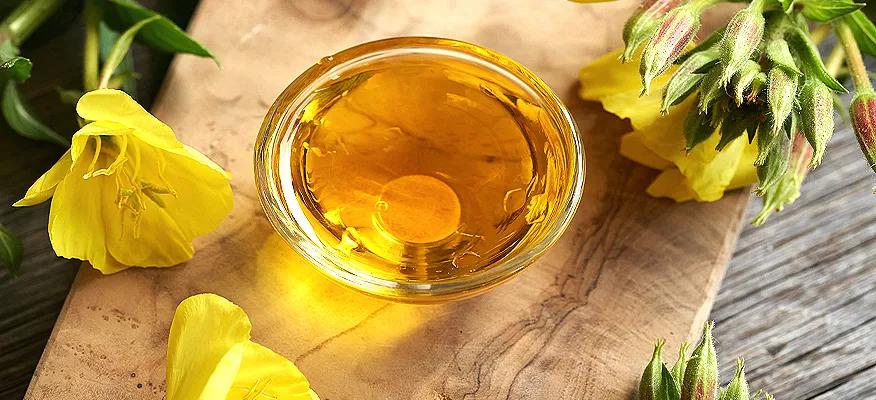
Primrose oil, also known as evening primrose oil, comes from the seeds of the evening primrose plant.
This flowering plant is native to North America but has spread to parts of Europe and the Southern Hemisphere. The oil extracted from its seeds is rich in fatty acids, particularly gamma-linolenic acid (GLA), a type of omega-6 fatty acid that's linked with numerous health benefits.

Evening primrose oil has a long history of medicinal use. Native Americans used it to treat bruises, hemorrhoids, and sore throats.
Today, it’s found in many supplements and natural health products aimed at improving women's health, skin health, heart health, and more. It’s a clear, light yellow oil with a slightly nutty flavor that can be consumed orally or applied topically.
Health benefits of primrose oil
The primary health benefits of evening primrose oil are largely attributed to its high GLA content. GLA is an essential fatty acid that our bodies need for optimal health but cannot produce on their own.
As such, it must be obtained through diet or supplements. Evening primrose oil is a rich source of GLA and has been studied for its various health benefits.
Here’s a closer look at some of its notable effects:
1. Women’s health
- Evening primrose oil is particularly well-known for its benefits related to women’s health.
- It has been widely used to alleviate symptoms associated with premenstrual syndrome (PMS), such as mood swings, bloating, and irritability.
- The GLA in primrose oil may help regulate hormonal imbalances that contribute to PMS symptoms, providing relief and improving the quality of life for many women.
- Additionally, evening primrose oil has been used to address breast pain, also known as mastalgia. It is thought that the anti-inflammatory properties of GLA can help reduce the pain and discomfort associated with this condition. For women experiencing menopause, primrose oil may offer some relief from symptoms such as hot flashes and night sweats, although more research is needed to fully understand its efficacy in this area.

2. Skin health
- Primrose oil’s benefits extend to skin health due to its anti-inflammatory and moisturizing properties.
- GLA can help manage skin conditions such as eczema and acne by reducing inflammation and supporting the skin’s barrier function. This can result in less irritation and flare-ups for those suffering from these conditions.
- Furthermore, primrose oil is believed to improve skin elasticity and hydration, which can help reduce the appearance of fine lines and wrinkles.
- By enhancing the skin’s moisture levels and supporting its natural repair processes, primrose oil can contribute to a more youthful and radiant complexion.
- Regular use of primrose oil, either topically or through supplements, may help maintain healthy skin and combat signs of aging.
3. Heart health
- The benefits of evening primrose oil also extend to cardiovascular health. GLA has been shown to potentially lower levels of bad cholesterol (LDL) and triglycerides, which are risk factors for heart disease.
- Primrose oil may help support heart health and reduce the risk of cardiovascular events by improving lipid profiles and reducing inflammation within the blood vessels.
- Moreover, GLA’s anti-inflammatory properties can contribute to overall cardiovascular well-being by preventing inflammation-related damage to blood vessels. This can further support healthy blood pressure levels and improve circulation, which are important aspects of maintaining heart health.
4. Joint health
- For individuals suffering from joint pain and inflammation, particularly due to rheumatoid arthritis, evening primrose oil may offer some relief.
- The anti-inflammatory effects of GLA can help reduce joint swelling and pain, potentially improving mobility and comfort. Many people use primrose oil as a complementary treatment to manage symptoms associated with rheumatoid arthritis and other inflammatory joint conditions.
- While primrose oil may not replace conventional treatments, it can be a valuable addition to a comprehensive approach to managing joint health.
- As always, it is important to consult with a healthcare provider before starting any new supplement regimen, especially for managing chronic conditions.
How to use primrose oil
- Primrose oil can be taken orally or applied topically, depending on your specific needs. For oral consumption, follow the manufacturer’s instructions on dosage, which usually ranges between 500mg and 1300mg a day. It’s often recommended to take it with food to aid absorption.
- When applied topically, it can be used directly on the skin or mixed with other oils for added benefits. Always test a small amount first to ensure you’re not allergic.
- If no adverse reactions occur, you can apply it to affected areas once or twice a day as needed.
Risks and precautions
While evening primrose oil offers numerous health benefits, it’s important to be aware of potential risks and precautions associated with its use.
As with any supplement, individual responses can vary, and certain considerations should be taken into account to ensure safe and effective use.
1. Allergic reactions
- One of the primary risks associated with evening primrose oil is the possibility of allergic reactions. Some individuals may experience skin irritation, rash, or itching when using primrose oil, either topically or in supplement form.
- If you have a known allergy to plants or oils, it's advisable to perform a patch test before applying primrose oil to larger areas of the skin. If any adverse reactions occur, discontinue use and consult a healthcare provider.
2. Interaction with medications
- Evening primrose oil can interact with certain medications, potentially affecting their efficacy or increasing the risk of side effects. For example, primrose oil may interact with anticoagulants or blood-thinning medications, potentially increasing the risk of bleeding.
- It is important to consult with a healthcare professional before starting primrose oil, especially if you are on medication or have underlying health conditions.
3. Gastrointestinal issues
- Some individuals may experience gastrointestinal discomfort when taking evening primrose oil supplements.
- Symptoms such as nausea, diarrhea, or abdominal cramps can occur, particularly if the supplement is taken in high doses.
- To minimize the risk of gastrointestinal issues, start with a lower dose and gradually increase as tolerated. Taking the supplement with food may also help reduce digestive discomfort.
4. Hormonal effects
- Evening primrose oil has been reported to influence hormone levels, which may have implications for individuals with hormone-sensitive conditions, such as breast cancer or endometriosis.
- It is essential to consult a healthcare provider before using primrose oil if you have any conditions related to hormone balance.
Integrating primrose oil into your wellness routine
Incorporating evening primrose oil into your wellness routine can be a beneficial addition, given its array of potential health benefits.
Here are some practical tips for incorporating this supplement effectively:
1. Choosing the right form
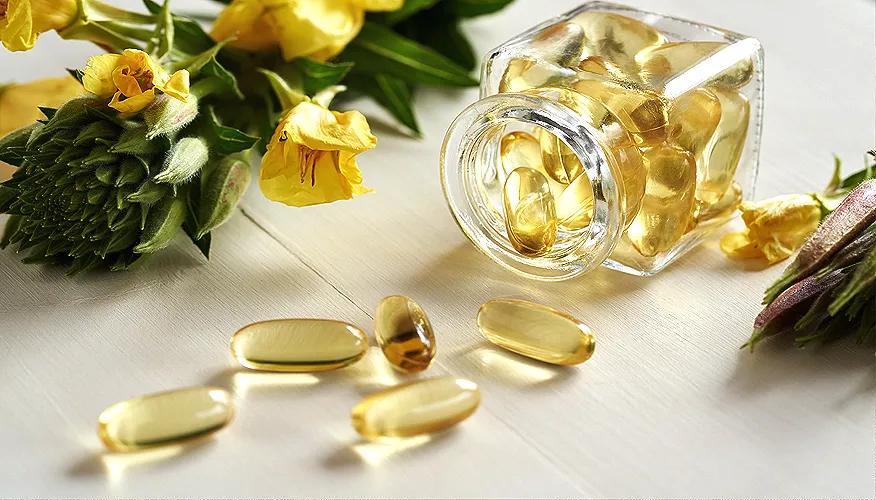
- Evening primrose oil is available in various forms, including capsules, liquid oils, and topical preparations.
- Capsules are a convenient option for internal use as they provide a controlled dosage and are easy to incorporate into your daily routine.
- If you prefer liquid oil, it can be taken directly or added to smoothies and other beverages.
- Topical primrose oil can be applied to the skin to address specific conditions such as eczema or dryness.
2. Dosage and frequency
- When starting with evening primrose oil, it is important to follow recommended dosage guidelines.
- Typical dosages range from 500 mg to 1000 mg per day, but individual needs may vary.
- It is advisable to start with a lower dose and gradually increase based on your response and the advice of a healthcare professional.
- Consistency is key, so incorporate the supplement into your daily routine to achieve optimal results.
3. Combining with a balanced diet
- To maximize the benefits of evening primrose oil, combine it with a balanced diet rich in fruits, vegetables, whole grains, and legumes.
- A well-rounded diet supports overall health and enhances the effects of supplements.
- Including foods high in essential fatty acids, such as flaxseeds, chia seeds, and walnuts, can complement the benefits of primrose oil and support overall well-being.
4. Monitoring and adjustments
- Monitor your health and any changes you experience after starting evening primrose oil regularly.
- Track any improvements or side effects and discuss them with your healthcare provider. Based on your feedback and professional guidance, adjust the dosage or discontinue use if necessary.
Conclusion
Now that we’ve explored the world of primrose oil, it’s important to understand that while it might be a potent tool for enhancing overall wellness, it isn’t a cure-all solution. It’s always best to incorporate such supplements under the guidance of a healthcare professional.
Remember that sustainable health and well-being are about more than just single supplements. It’s about a holistic approach that includes balanced eating, regular exercise, sufficient sleep, and stress management.
Primrose oil can undoubtedly be an excellent addition to your routine, but it must be part of a comprehensive plan for optimal health and happiness.
Meet our expert

Meet our expert
Dr. Lynda Odoh-Anikwe, holding a Bachelor of Medicine and Bachelor of Surgery (M.B.B.S) degree, she pursued her Master of Public Health (MPH) at the University of Manchester. Actively engaged in advancing preventive healthcare, she is a member of the Society of Lifestyle Medicine Nigeria. Dr. Odoh-Anikwe aims to attain certification as a Lifestyle Medicine Physician from the International Board of Lifestyle Medicine by the final quarter of 2022.



How was the experience with article?
We'd love to know!