
Probiotics have become a buzz in the realm of health and wellness, but many of us may have limited knowledge of their usage and benefits to improve well-being.
The usage of probiotics in Asian and African countries is notable and expanding. In the Asia-Pacific region, the probiotics market is substantial and growing rapidly, driven by consumer demand for functional foods to enhance digestive health, manage skin conditions, and potentially prevent chronic diseases. Major markets include Japan, China, and India - projected to exceed $2.5 billion by 2032.
So, let us understand the fascinating world of probiotics, exploring their benefits, uses, and the best time to take them.
Probiotics are live microorganisms that offer various health benefits, including improved gut health, enhanced immune function, and prevention of gastrointestinal disorders. They help maintain a balanced gut microbiota, support digestion, and contribute to overall well-being.
These beneficial bacteria and yeasts naturally reside in our gut, playing a crucial role in maintaining the balance of our gut microbiome. The most common types of probiotics belong to the genera Lactobacillus and Bifidobacterium, but other types like Saccharomyces boulardii, a type of yeast, are also considered probiotics.
The multi-faceted use of probiotics
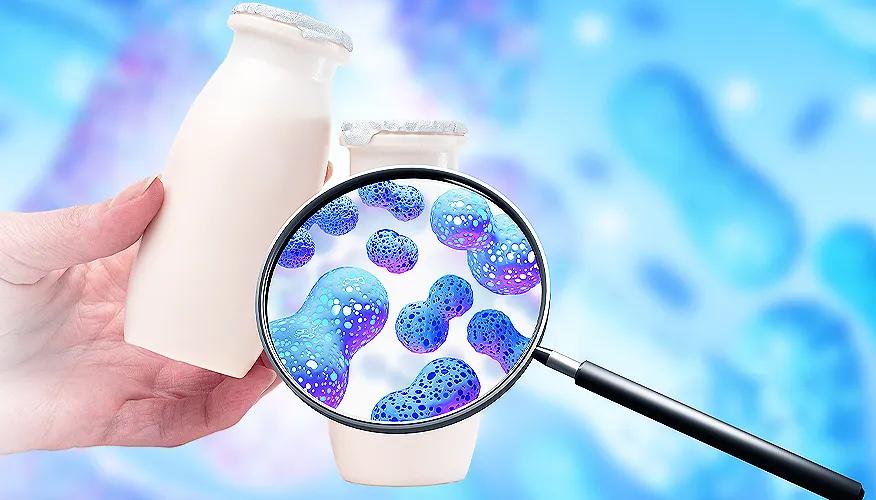
Probiotics are used for a variety of health purposes, including:
Digestive health
- Probiotics maintain digestive health by balancing gut microbiota and increasing beneficial bacteria.
- They improve digestion, fortify the gut barrier, and enhance immune response.
- Probiotics produce short-chain fatty acids, small molecules that nourish colon cells and support overall gut health.
Immune support
- Probiotics fortify the gut barrier, preventing harmful pathogens from entering the bloodstream.
- Probiotics modulate immune cell activity, enhancing the body's defense against infections.
- Additionally, they reduce inflammation, contributing to overall immune health.
Mental health
- Probiotics influence the connection between your gut and brain, by reducing inflammation and producing neurotransmitters like serotonin, enhancing mood.
- They alleviate symptoms of anxiety and depression by improving gut health.
- Additionally, they support cognitive function through their impact on brain chemistry and stress response.
Skin health
- Probiotics improve skin barrier function and can help manage skin conditions like acne, eczema, and rosacea by promoting beneficial bacteria and reducing harmful ones.
- They enhance hydration and protect against environmental damage. Additionally, they support overall skin immunity, contributing to a healthier complexion.
Metabolic health
- Probiotics aid in nutrient absorption and digestion. They lower the risk of metabolic disorders by improving insulin sensitivity that helps lower blood sugar.
- Probiotics can also reduce inflammation and support weight management.
- Additionally, they contribute to lipid metabolism, promoting cardiovascular health.
Diarrhea and constipation
- Probiotics can be effective in managing both diarrhea and constipation.
- For diarrhea, especially those caused by antibiotics, probiotics such as Saccharomyces boulardii and specific Lactobacillus strains can help re-establish a healthy balance of gut bacteria.
- For constipation, probiotics like Bifidobacterium lactis have been shown to increase stool frequency and improve consistency.
Fight colds
- Probiotics may help reduce the duration and severity of common colds. They enhance immune cell activity by promoting antibody function.
- Certain strains like Lactobacillus rhamnosus GG and Bifidobacterium animalis have been particularly noted for their immune-boosting properties.
Ease out gas
- Probiotics can help alleviate gas and bloating by improving gut health and reducing the presence of harmful bacteria that produce gas.
- Strains such as Lactobacillus acidophilus and Bifidobacterium bifidum are often recommended for managing gas and bloating.
Constipation in infants
- While probiotics are generally considered safe and beneficial for most infants, they can occasionally cause side effects, including constipation. However, this is not common.
- Probiotics are typically used to improve digestive health and can help alleviate conditions like diarrhea and colic in infants.
- If an infant experiences constipation after starting probiotics, it Is essential to consider other factors that might be contributing to the issue, such as changes in diet, hydration levels, or underlying medical conditions.
Timing is important
Generally, it is recommended to take probiotics, either 30 minutes before a meal or alongside a meal, containing some fat.
The stomach’s acidic environment can destroy many probiotics; however, taking them with food can help buffer the acid, allowing more beneficial bacteria to survive and reach the gut.
Getting the right probiotic-rich foods

Probiotics are present in many foods that are naturally fermented. These include:
Yogurt: Made from milk fermented by friendly bacteria, primarily Lactobacillus bulgaricus and Streptococcus thermophilus.
Kefir: A fermented milk drink containing a variety of probiotic bacteria and yeasts.
Sauerkraut: Fermented cabbage rich in probiotics, particularly Lactobacillus.
Kimchi: A spicy Korean side dish made from fermented vegetables; kimchi includes beneficial bacteria such as Lactobacillus kimchi.
Miso: A traditional Japanese seasoning produced by fermenting soybean with Aspergillus oryzae.
Tempeh: A fermented soybean product containing Rhizopus oligosporus.
Kombucha: A fermented tea beverage made from a symbiotic culture of bacteria and yeast (SCOBY).
Certain cheeses: Gouda, mozzarella, cheddar, and cottage - may contain probiotics.
Probiotics for IBS
Probiotic drinks can be beneficial for individuals with IBS, a common digestive disorder causing stomach pain, bloating, and changes in bowel habits like diarrhea or constipation.
These drinks, often containing strains like Bifidobacterium infantis and Lactobacillus plantarum, can help reduce symptoms of IBS such as bloating, gas, and abdominal pain by balancing the gut microbiome.
Getting convenient with yogurt
Probiotic yogurt contains live and active cultures, specifically beneficial bacteria that support gut health.
These yogurts are typically labeled with the strains they contain, such as Lactobacillus acidophilus and Bifidobacterium lactis, and are a convenient way to incorporate probiotics into your diet.
Choosing the right probiotic
Look out for the following factors while choosing a probiotic:
Strain diversity: Look for supplements that contain multiple strains of probiotics to support different aspects of gut health.
CFU count: CFUs indicate the number of live bacteria (should be at least 1 billion CFUs/serve) in a supplement.
Quality and purity: Choose reputable brands that ensure their products are free from harmful contaminants and properly labeled.
Storage requirements: Some probiotics have a stable shelf life while others may require refrigeration to maintain their potency.
Role of Saccharomyces boulardii
Saccharomyces boulardii is a yeast with probiotic properties.
It is particularly effective in preventing and treating diarrhea, including traveler’s diarrhea and antibiotic-associated diarrhea.
It works by maintaining and restoring the natural flora in the gut, inhibiting the growth of pathogenic bacteria, and modulating the immune response.
Probiotics for dogs
Probiotics for dogs function similarly to those for humans, helping to maintain a healthy balance of gut bacteria.
They can improve digestion, reduce gas and diarrhea, and support the immune system. Probiotic supplements for dogs often contain strains like Enterococcus faecium and Bifidobacterium animalis.

Conclusion
When taken in the right quantity, probiotics can go a long way in maintaining a healthy gut and supporting overall well-being.
By understanding the best time to take them, their various uses, and how to choose the right supplements, you can harness the power of probiotics to improve your health.
Whether through foods or supplements, incorporating probiotics into your daily routine can be a beneficial step towards better digestive and immune health.
Meet our expert

Meet our expert
Dr Bright is a member of the Fellowship of Christian Optometrist international and a Clinical Research supervisor.



How was the experience with article?
We'd love to know!