
Key takeaways
- The blog highlights how herbs support both the emotional and physical aspects of heart health, offering a holistic approach to well-being.
- Various herbs have specific roles: hawthorn energizes the heart, garlic maintains circulation, and turmeric minimizes inflammation, each providing a specific remedy for heart well-being.
- Ancient herbal remedies are intertwined with modern scientific knowledge, creating a bridge between traditional healing practices and contemporary cardiovascular care.
- Practical advice on incorporating herbs into daily life, from teas to smoothies, makes heart health simple, accessible, and part of a regular wellness routine.
Your heartbeat is more than a sound. It is a pulse of memory, emotion, and energy.
In the spice markets of Zanzibar and the village kitchens of Vietnam, herbs have long been more than just flavor — they’ve been medicine. For generations, people across Southeast Asia and East Africa have turned to nature to keep the heart strong and the blood flowing.
These plants offer protection, strength, and balance. Some work on blood flow. Others ease the weight of stress or grief. Each one is part of an ancient language of healing that goes beyond symptoms and touches the deeper rhythms of the body.

And now, science is catching up to what our grandmothers always knew: certain herbs can help lower blood pressure, improve circulation, reduce cholesterol, and calm inflammation — all without a prescription.
Whether it’s the fragrant tulsi steeping in Kenyan tea or a pinch of turmeric added to a Thai curry, these time-honoured plants offer powerful protection for the heart. Curious to know which ones to keep close in your kitchen or garden?
If you are ready to care for your heart in a way that feels both grounded and meaningful, these are the herbs for the heart to explore.

Top herbs for heart health
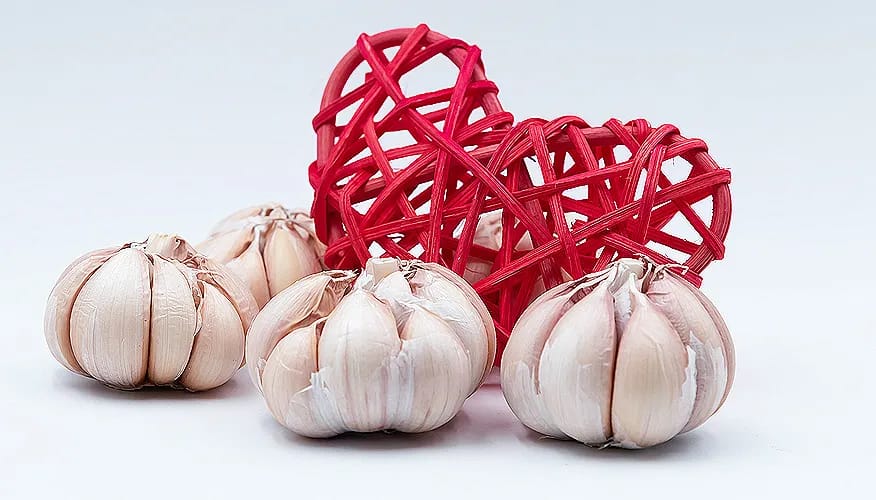
Nature has provided us ample ways to take care of ourselves.
Here are some herbs good for the heart for you to go through and make an informed decision:
Hawthorn
- A flowering shrub in the rose family, it is traditionally used as a symbol of love and heart-centered healing.
- It is a major part of herbal treatment for heart disease since it improves coronary blood flow, strengthens heart muscles, and offers antioxidant support.
Garlic
- Surely one of the most populous medicinal herbs for the heart, garlic has antibacterial properties.
- It has numerous advantages like it contributes to better heart health by lowering cholesterol and triglycerides, decreasing blood pressure, preventing clots, and enhancing circulation.
Turmeric
- Turmeric, available in almost all the kitchen’s in India, has a noticeable curcumin content.
- Curcumin reduces inflammation and supports heart health. It is considered one of the home remedies for heart attack since it reduces bad cholesterol as well.
Olive Leaf
- Many are aware of these leaves' presence on olive trees but don’t know the beneficial components it has, which are oleuropein and hydroxytyrosol.
- It's commonly used in home remedies for enlarged heart since it has a positive effect on arterial health besides protecting against radical damage.
Arjuna
- Arjuna is one of the top herbs for the heart in Ayurveda, especially when it comes to cardiovascular health.
- It strengthens the heart muscle, improves cardiac output, and supports circulation, all without any negative impact of allopathic medicines.
Fennel
- Usually fennel is used to address digestive issues, but that is not the only perk it offers.
- It is surely one of the best herbs for heart since it works on reducing blood pressure while decreasing cholesterol levels.
Berberine
- A basic part of a herbal medicine for heart is berberine.
- Berberine supports healthy cholesterol, reduces triglycerides, and improves blood sugar regulation—key factors in cardiovascular wellness.
Cinnamon
- If you want to work on our cholesterol, have a pinch of cinnamon daily.
- It also reduces blood sugar, helping to guard against diabetes that raises the risk of heart attacks and strokes, thereby acting as a natural cure for heart enlargement.
Ginger
- With compounds like gingerols and shogaols, ginger proves to be one of the easily accessible herbs for the heart.
- It is surely one of its kind by working on many aspects simultaneously like healthy immune response, digestive and cardiovascular health, and circulation.
Hibiscus
- Cardiovascular health is directly affected by blood pressure and cholesterol levels.
- This is what hibiscus takes care of, acting as the home remedies for heart attack.
How to incorporate these herbs into your diet
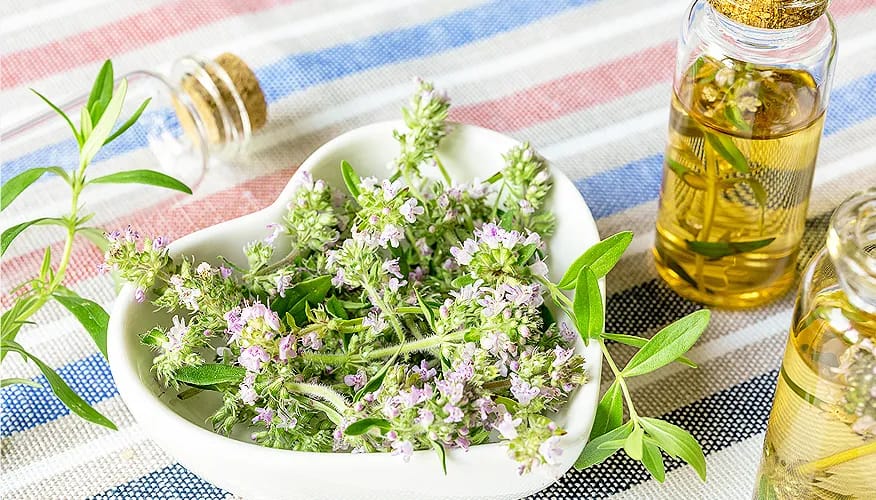
The herbs for heart problems are many, each with its benefits and the distinctive ways to get the most of the results. Let us discuss the ways you may incorporate with the method most feasible to you.
1. Hawthorn
- Tea: Make tea with hawthorn berries or leaves in hot water.
- Syrup: Combine herbs for the heart with honey.
- Smoothies: Add powdered hawthorn berries.
2. Garlic
- Raw: Mixed fresh garlic with olive oil/honey.
- Roasted: Roast garlic bulbs and spread them on toast or add to salads.
- Cooking: Add minced form of it to soups, stews, and stir-fries.
3. Turmeric
- Milk: Just add turmeric and black pepper to milk.
- Smoothies: Stir the powdered form into your smoothie.
- Curry: Stir turmeric into curries, soups, or rice dishes.
4. Olive Leaf
- Tea: Brew dried olive leaves in water.
- Olive Oil Infusion: Infuse olive leaves in olive oil and use in salads or as a cooking base.
- Capsules: Take herbs for the heart as a supplement for easy, consistent intake.
5. Arjuna
- Decoction: Boil arjuna bark in water.
- Capsules: Take it as a supplement.
- Milk or Ghee: Mix arjuna with milk or ghee.
6. Fennel
- Tea: Steep fennel seeds in hot water.
- Smoothies: Add fennel seeds or fennel bulb to your smoothies.
- Cooking: Roast fennel bulb or add seeds to salads for a crunchy touch.
7. Berberine
- Capsules: For accurate heart and metabolic support, use berberine supplements.
- Powder: Mix berberine powder into smoothies or herbal teas.
- Tinctures: Take berberine in liquid form for faster absorption as herbs for the heart.
8. Cinnamon
- Smoothies: Sprinkle cinnamon into your morning smoothie or oatmeal.
- Baking: Add cinnamon to muffins, cookies, or granola.
- Tea: Steep cinnamon sticks in hot water for a comforting tea that helps lower cholesterol.
9. Ginger
- Tea: Make a tea using just ginger, water and honey(for taste).
- Cooking: Add ginger to stir-fries, soups, or curries for a spicy kick.
- Smoothies: Grate ginger into your smoothies for added flavor and circulation benefits.
10. Hibiscus
- Tea: For herbal treatment for heart disease, brew dried hibiscus flowers into a vibrant tea (hot or iced).
- Smoothies: Add hibiscus powder to smoothies for a tangy, antioxidant-packed addition.
- Kombucha: Brew hibiscus into your homemade kombucha.
Conclusion
Heart health doesn’t need to be complicated. These herbs make it real and accessible. Start with one.
Add it to your tea, your plate, your routine. Stay consistent, feel the change. Whether you're protecting, preventing, or healing, this is your reminder: you’ve got options, and nature is one of them. Your heart deserves the support.
How was the experience with the article?
We'd love to know