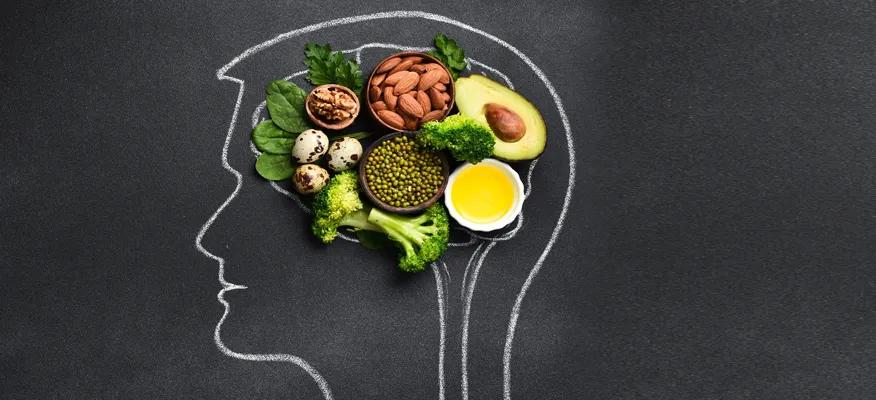
We’ve all been there, a feeling of lost authority when our brain just refuses to cooperate. We reread the same line three times, forget why we opened a new tab, or lose track of our thought mid-sentence. While a huge part of it could be burnout, your brain could simply be running low on the nutrients it needs to function properly.
The foods you choose daily decide how well you focus, how easily you recall details, and how long your cognitive sharpness lasts throughout life. While we’ve long known about the specific nutrients that fuel memory, protect neurons, and ultimately prevent decline, what’s more striking is how quickly the right diet can improve mental clarity.
Within weeks of eating foods to increase brain power, your brain begins to repair damage from stress, inflammation, and nutrient deficiencies that quietly build up over time. So, let’s see how you can benefit from embracing the right diet:
Why nutrition matters for brain health
Your brain is an extremely demanding organ that consumes over one-fifth of your body’s total energy expenditure, despite only being about three pounds in weight. This high metabolic demand is fulfilled by the nutrition you feed it. Since nearly two-thirds of the brain’s structure is fat, and much of it is made up of omega-3 fatty acids, when these healthy fats are missing from your diet, the brain’s signaling starts to falter.
Nutrition influences everything from how you think to how you feel. Each bite affects neurotransmitter production, oxidative balance, and even the way your genes express proteins related to learning and memory. Poor dietary habits, particularly processed foods high in sugars and trans fats, disrupt this balance, leading to gradual erosion of brain tissues and alzheimer’s.
Long-term studies on dietary patterns like the Mediterranean and MIND diets reveal that those who follow these nutrient-rich patterns perform better on memory and attention tests and are far less likely to develop dementia later in life.
Top 9 best foods to increase brain power and memory
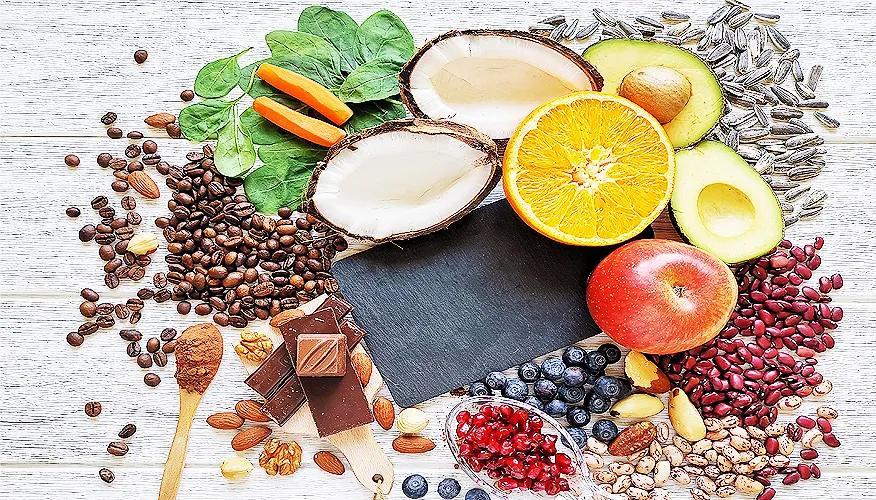
Here are the best foods to increase brain power and memory:
Berries
Blueberries in particular have gained attention as a brain superfood for their anthocyanins, plant compounds that combat oxidative stress. A large Harvard study found that women who ate two servings of berries, any berries, weekly delayed memory decline by over two years. Berries improve how neurons communicate, which may explain their popularity as foods that help focus. A bowl of mixed berries, blueberries, strawberries, and blackberries, can truly act as nature’s brain tonic.
Walnuts
Nuts are already considered top brain food by multiple studies, but walnuts demonstrate the most impressive protective properties. They supply plant-based omega-3s, vitamin E, and antioxidants that together enhance neuron protection. If you eat a handful of walnuts daily, research shows that you’re more likely to react faster to mental tasks and show improved memory scores only after eight weeks.
Dark Chocolate
High-cocoa dark chocolate, preferably 70% or higher, contains flavanols that boost blood flow to the brain. A clinical trial from Japan revealed that daily dark chocolate intake improved mental fatigue and memory within a month. Besides antioxidants, cocoa contains small doses of caffeine and theobromine, compounds that lift mood and sharpen attention without overstimulation.
Green Tea
Rarely does any good study food demonstrate as wide a range of nutrients as green tea. Caffeine for alertness, L-theanine for calm focus, and catechins for antioxidant defense. This combination supports both immediate mental clarity and long-term neuroprotection. Research using brain imaging found that regular green tea drinkers show stronger connections in brain regions linked to memory and decision-making. Even one or two cups daily can sustain concentration and reduce anxiety throughout the day.
Eggs
Eggs are rich in choline, which forms acetylcholine. This is essential for memory and communication between neurons. Have two eggs at breakfast to supply most of your daily choline requirement. Moreover, the yolks also contain lutein and zeaxanthin, antioxidants that accumulate in brain tissue and correlate with improved cognitive performance.
Leafy Greens
Spinach, kale, broccoli, and other leafy greens provide folate, vitamin K, and beta-carotene to the brain. In one long-term research of over a thousand older persons, those who ate leafy greens on a regular basis had cognitive ability similar to being more than ten years younger.
Turmeric
The golden spice, turmeric, directly protects neurons through its active compound curcumin. It reduces inflammation and boosts brain-derived neurotrophic factor (BDNF). In simpler words, it’s essential for forming new neural connections. You may include turmeric in daily cooking, especially alongside black pepper to enhance absorption.
Avocados
Healthy fats in avocado support circulation and help maintain consistent oxygen delivery to the brain. Adding half an avocado to lunch can help you get better working memory and problem-solving abilities. Avocados also contain lutein, folate, and vitamin E, nutrients that together protect against oxidative stress and inflammation.
Whole Grains
Finally, whole grains provide the brain with steady glucose, the most critical nutrient your brain needs. The fiber in oats, quinoa, and brown rice slows digestion, keeping blood sugar stable, so your brain receives a constant energy supply.
How to include these brain foods in your daily diet
You don’t need elaborate recipes to eat for brain health, and even a partial adherence to a healthier diet can enhance cognitive performance within months.
- Start your morning with whole grain toast topped with mashed avocado and a poached egg. Add blueberries or walnuts to oatmeal or yogurt.
- Lunch can feature leafy greens tossed with salmon or sardines and a drizzle of olive oil.
- For dinner, try baked trout with quinoa and steamed broccoli. Keep dark chocolate and green tea within reach when you need an afternoon lift.
The Mediterranean and MIND diets provide excellent models, emphasizing vegetables, fruits, fish, nuts, and whole grains while minimizing processed foods and sugar.
Lifestyle tips to support brain power

Your brain depends on more than nutrition alone. The habits that shape your days determine how well it performs and how long it stays sharp. Here’s how to strengthen that foundation:
- Regular physical activity boosts blood flow, increases BDNF, and encourages new brain cell growth. Aim for at least thirty minutes of brisk walking, swimming, or cycling most days.
- Deep, consistent rest clears toxins and strengthens memory. Seven to nine hours each night with reduced screen time and steady routines makes all the difference.
- Reading, learning new skills, or playing instruments strengthens neural connections and builds cognitive resilience at any age.
- Drink around eight cups of water daily, and limit alcohol or smoking since both impair brain health over time.
Conclusion
Feeding your brain is about consistent choices that build up over time. Fatty fish, berries, walnuts, dark chocolate, green tea, eggs, leafy greens, turmeric, avocados, and whole grains each bring something essential to the table.
Movement, rest, social engagement, and learning all strengthen the brain’s architecture further and its ability to adapt. You don’t need to overhaul your life overnight. Begin with one new habit every day and see these choices layer upon each other, promoting a healthier brain.
Meet our expert

GHBY Team
GHBY TeamMeet our expert
GHBY Team comprises content writers and content editors who specialise in health and lifestyle writing. Always on the lookout for new trends in the health and lifestyle space, Team GHBY follows an audience-first approach. This ensures they bring the latest in the health space to your fingertips, so you can stay ahead in your wellness game.



How was the experience with article?
We'd love to know!