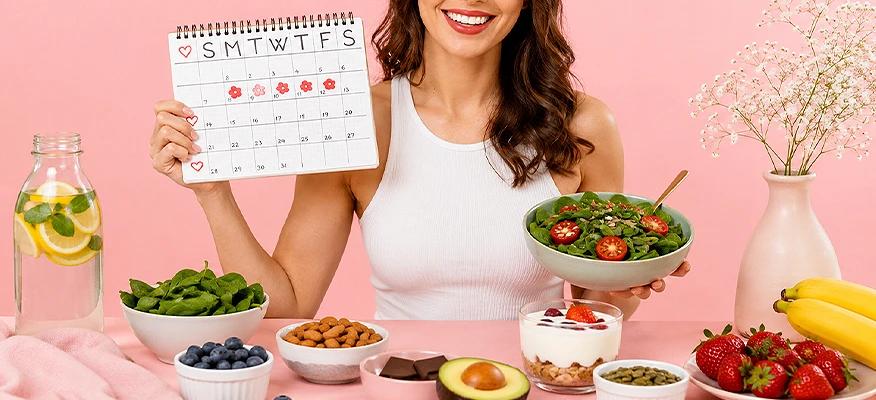
If you've ever found yourself curled up with a heating pad, bargaining with your uterus to just cooperate, welcome to the club nobody asked to join. That familiar ache that arrives with your period doesn't have to be something you simply white-knuckle through every month.
While reaching for painkillers might be your first instinct, what you put on your plate can actually do a lot of the heavy lifting. The right foods that reduce period cramps work like natural allies, quietly helping your body navigate this time with less discomfort and a whole lot more energy.
Quick answer
Foods that reduce period cramps include fatty fish, ginger, dark leafy greens, dark chocolate, lentils, and other nutrient-rich foods. These foods may help by reducing inflammation, inhibiting prostaglandin activity, promoting muscle relaxation, and replenishing nutrients lost during menstruation. Combining anti-inflammatory foods with adequate hydration may help improve cramps, bloating, and fatigue during your period.
Why does diet matter for period pain?
Your menstrual cramps are driven by hormone-like substances called prostaglandins, which your uterus produces to trigger contractions. Think of prostaglandins as your body's way of helping shed the uterine lining, but sometimes they go a bit overboard, causing intense pain and inflammation.
Here's where your diet comes into play. Diets high in heavily processed foods, fried foods, and sugary snacks may increase inflammation, which can make period symptoms feel worse. It's like adding fuel to a fire you're trying to put out.
On the flip side, anti-inflammatory foods for periods work differently. Omega-3 fatty acids from fish and certain seeds compete with those inflammatory compounds, shifting your body toward producing less painful prostaglandins. Research shows that women following anti-inflammatory diets rich in fruits, vegetables, and whole grains experience significantly less menstrual pain.
Your nutrient levels matter too. During your period, you're losing iron through blood loss, and if you're not replenishing it, fatigue and weakness can make everything feel worse. Magnesium deficiency is linked to more intense cramps because this mineral helps your muscles relax. When these nutrients are running low, your body simply can't cope as well with the monthly changes.
A randomized trial in adolescent girls found that those following a low-fat, plant-rich diet experienced shorter, less painful periods than those following typical diets. The difference was significant enough that researchers attributed it to reduced prostaglandin activity and better hormone balance.
What causes period cramps to be worse?
Several factors can turn manageable period discomfort into something that disrupts your entire day:
- High prostaglandin production and inflammation: When your uterus produces excessive amounts of these pain-triggering chemicals, contractions become stronger and more painful. Diets rich in saturated fats, trans fats, and heavily processed oils can feed into this inflammatory cycle.
- Nutritional deficiencies that intensify pain: Iron deficiency from heavy bleeding without adequate replacement leads to anemia, making you feel exhausted and less able to cope with pain. Low magnesium levels reduce your body's natural muscle-relaxing abilities, while inadequate vitamin D and B vitamins have been linked to more severe period symptoms.
- Foods that trigger inflammation during menstruation: High-sugar foods and refined carbohydrates cause blood glucose spikes that increase inflammatory markers throughout your body. Highly processed and fried foods rich in trans fats directly worsen inflammation. Excess red meat provides arachidonic acid that feeds into inflammatory pathways, while high-salt foods contribute to uncomfortable bloating and fluid retention.
- Lifestyle factors: Caffeine can constrict blood vessels and trigger prostaglandin release, while alcohol disturbs hormonal balance and sleep patterns, making pain perception worse. Lack of sleep and stress may also add to discomfort.
The top 12 foods that reduce period cramps fast
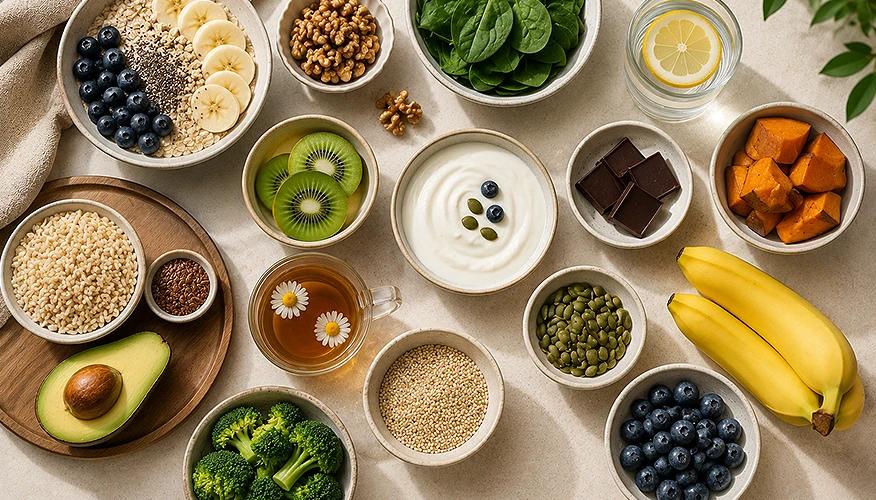
Certain foods may help ease menstrual discomfort by targeting common causes of period pain, including inflammation, muscle contractions, nutrient depletion, and water retention. The foods below are among the most effective options to include in your diet during the days leading up to and during your period.
| Food | Key Nutrient/Compound | Primary Benefit for Cramps |
|---|---|---|
| Ginger | Gingerols and shogaols | May help reduce cramp severity |
| Turmeric | Curcumin | Supports anti-inflammatory processes |
| Spinach | Magnesium and iron | Helps relax muscles and replenish iron |
| Amaranth leaves (or local dark greens) | Magnesium and iron | Supports muscle function and replenishes iron |
| Lentils | Iron and fiber | Helps replace iron lost during menstruation |
| Tofu | Iron and calcium | Supports energy levels and muscle function |
| Dark Chocolate (70%+ cocoa) | Magnesium | May help support muscle relaxation |
| Almonds | Magnesium and healthy fats | Supports muscle and nerve function |
| Pumpkin Seeds | Magnesium and zinc | May help reduce cramp-related discomfort |
| Watermelon | Water and potassium | Supports hydration and reduces bloating |
| Sardines | Omega-3 fatty acids | Helps reduce inflammation and painful prostaglandins |
| Mackerel (or other local oily fish) | Omega-3 fatty acids | Supports lower menstrual pain intensity |
Anti-inflammatory foods
Inflammation plays a major role in menstrual cramps because it contributes to the production of prostaglandins, compounds that trigger uterine contractions. Including anti-inflammatory foods during periods may help reduce the intensity of these contractions and improve overall comfort.
- Ginger contains natural compounds called gingerols and shogaols that may help reduce prostaglandin activity. Several studies have found that ginger can help relieve period pain when consumed regularly during the first few days of menstruation.
- Turmeric contains curcumin, a plant compound known for its anti-inflammatory properties. Pairing turmeric with black pepper may improve curcumin absorption and enhance its potential benefits.
- Spinach and kale provide magnesium along with a range of antioxidants that support healthy inflammatory responses and muscle function.
- Salmon and sardines are rich in omega-3 fatty acids, which help shift the body toward producing fewer inflammatory compounds. Research suggests that women who consume more omega-3s often experience less severe menstrual pain and may rely less on pain medication.
Iron-rich foods to combat fatigue
Menstrual blood loss can reduce iron stores, particularly in women with heavier periods. Low iron levels may contribute to fatigue, weakness, dizziness, and reduced concentration during menstruation.
Lentils, tofu, and spinach are excellent plant-based sources of iron, while animal-based iron sources may also help replenish iron during your period. To improve absorption of plant-based iron, pair these foods with vitamin C-rich options such as tomatoes, citrus fruits, strawberries, or bell peppers.
For example:
- Lentils with tomato-based curry
- Spinach salad with orange segments
- Tofu stir-fry with bell peppers
This simple combination can help your body absorb more iron and support energy levels throughout your cycle.
Magnesium sources for cramp relief
Magnesium for period pain is widely studied because of its role in muscle relaxation. This mineral helps regulate muscle contractions and may reduce the intensity of uterine cramping.
Dark chocolate, almonds, pumpkin seeds, spinach, and kale are all good sources of magnesium. Regular intake may help support normal muscle function and improve overall menstrual comfort.
Choosing a small serving of dark chocolate with a high cocoa content can also satisfy cravings while contributing beneficial magnesium to your diet.
Hydrating and bloating-relief foods
Many women experience bloating and water retention during their period, which can make cramps feel more uncomfortable. Staying hydrated and choosing foods with high water content may help support fluid balance.
Watermelon is rich in water and potassium, helping support hydration and reduce bloating. Other helpful options include cucumber, herbal teas, bananas, and sweet potatoes.
Although it may seem counterintuitive, drinking enough fluids can actually help reduce water retention. Proper hydration supports kidney function and helps your body regulate sodium levels more effectively, making hydrating foods an important part of any plan for what to eat during periods of cramps.
Watch related video:
Can certain foods make period cramps worse?
Unfortunately, some foods can amplify period pain by increasing inflammation or disrupting your body's natural processes:
- Caffeine and prostaglandin increase: Coffee and energy drinks can cause blood vessel constriction and may amplify prostaglandin-related uterine contractions, making cramps more intense for some women.
- High-sodium foods and bloating: Instant noodles, processed meats, and salty snacks cause your body to retain water, leading to uncomfortable bloating and swelling during menstruation.
- Refined sugars and inflammation: Sugary drinks and sweets cause rapid blood sugar spikes that promote inflammatory processes throughout your body, potentially worsening both cramps and mood swings.
- Alcohol and hormonal disruption: Alcohol affects how your liver processes hormones and can disturb estrogen and progesterone balance, while also leading to dehydration that exacerbates headaches and fatigue.
How to combine foods for maximum relief
Strategic meal planning can amplify the benefits of individual foods that reduce period cramps. Here's how to create synergistic combinations:
Sample anti-inflammatory meal plan (1 day):
- Breakfast: Vegetable porridge with spinach and carrots, side of papaya, ginger tea
- Lunch: Brown rice with lentil curry (cooked with turmeric and tomatoes), cucumber salad with lemon, small portion of grilled fish
- Snack: Handful of almonds and pumpkin seeds, small piece of dark chocolate
- Dinner: Baked fish with sweet potato, chamomile tea
Iron + vitamin C pairing examples:
- Lentils with tomato-based sauce and lemon juice
- Spinach salad with orange segments
- Lean meat with bell pepper and citrus dressing
Pre-period preparation (5-7 days before):
Start emphasizing omega-3-rich foods, magnesium sources, and limit processed foods. This gives your body time to build up beneficial nutrients before symptoms begin.
During period management:
Focus on easily digestible meals like soups and stews, continue anti-inflammatory spices, and maintain consistent hydration with herbal teas.
Which foods help with heavy period flow?
Iron replenishment strategies should include both heme iron from lean meats and fish and non-heme iron from legumes and dark leafy greens, always paired with vitamin C sources. Foods rich in vitamin K support normal blood clotting. Dark leafy greens like spinach and kale, along with broccoli and cabbage, provide this essential nutrient.
However, dietary changes alone may not be sufficient for very heavy periods. Warning signs that require medical attention include soaking through pads every 1-2 hours, clots larger than a quarter, or periods lasting more than seven days.
What nutrients should I focus on during my period?
Your period creates specific nutritional demands that, when met, can significantly reduce discomfort:
| Nutrient | Why It Matters | Food Sources |
|---|---|---|
| Iron | Replaces blood loss | Lean meats, dates, lentils, chickpeas, dark leafy greens |
| Magnesium | Supports muscle relaxation | Almonds, pumpkin seeds, whole grains, dark chocolate |
| Omega-3 | Reduces inflammation | Salmon, sardines, flaxseeds, walnuts |
| Calcium | Supports muscle function | Dairy, tofu, fortified plant milks, sesame seeds |
| Vitamin B6 | Supports mood | Bananas, chickpeas, potatoes, fish |
Think of this as your monthly nutritional insurance policy. Consistent intake of these nutrients builds resilience against period symptoms over time.
Does drinking water help period cramps?
Adequate water intake supports circulation and helps reduce the bloating that can make cramps feel worse. It also prevents constipation, a common PMS symptom that adds to pelvic discomfort.
Aim for about 8-10 glasses of water daily during menstruation, adjusting for climate and activity level. Herbal teas like chamomile, peppermint, and ginger count toward your fluid intake while providing additional anti-inflammatory benefits.
When should I start eating these foods to get the best results?
Timing matters when using what to eat during the period for cramps as a management strategy:
- Pre-period preparation (5-7 days before): Begin emphasizing anti-inflammatory foods, increase magnesium-rich options, and reduce processed foods. This preparation phase allows your body to build up beneficial nutrients.
- Day 1-3 focus: Prioritize easily digestible, iron-rich meals and anti-inflammatory spices. Your body is working hard during these days, so gentle, nourishing foods work best.
- Post-period recovery: Continue iron-rich foods to replenish stores and maintain the anti-inflammatory eating pattern you've established.
Consistency across cycles brings the best results. The anti-inflammatory effects of omega-3s and the muscle-relaxing benefits of magnesium build up over time, making each subsequent period potentially more manageable.
When to see a doctor?
Dietary changes may help mild to moderate period discomfort, but severe pain may require medical evaluation. Speak with a healthcare provider if:
- Period pain prevents daily activities
- Bleeding is unusually heavy
- Symptoms suddenly worsen
- Pain continues outside your menstrual period
- Over-the-counter pain relief does not help
Conclusion
Period cramps are a common part of menstruation, but your diet can play an important role in how you experience them. Choosing foods that support your body's nutritional needs during this time may help reduce inflammation, promote muscle relaxation, and replenish nutrients lost through menstrual bleeding. Small changes, such as adding more leafy greens, fatty fish, nuts, seeds, and hydrating foods to your meals, can contribute to better symptom management over time.
The best foods that reduce period cramps work most effectively when part of a consistent, balanced eating pattern rather than as a short-term fix. Prioritizing anti-inflammatory foods, maintaining good hydration, and ensuring adequate intake of iron and magnesium may help make each menstrual cycle more manageable.
While dietary choices can provide meaningful support, persistent or severe menstrual pain should be discussed with a healthcare provider to rule out underlying conditions and determine the most appropriate treatment.
Meet our expert
.webp&w=1920&q=75)
Meet our expert
Dr. Kulyk Alexander Petrovich is a Ukraine-based gynecologist, with extensive experience in women's health. In 1995, he graduated from the Kyiv Medical University, and specialized in gynecology. He then went on to work as a gynecologist in the Institute of Pediatric, Obstetrics and Gynecology in Kyiv, where he worked until the year 2000.


How was the experience with article?
We'd love to know!