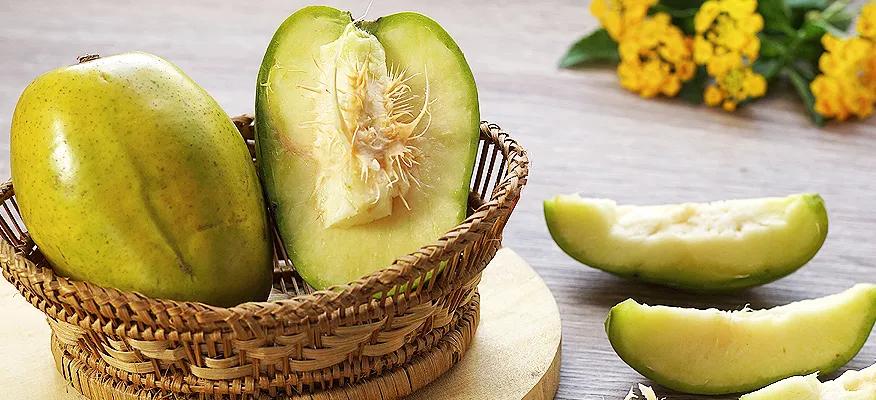
Ambarella fruit, also known as golden apple or jew plum, is a tropical fruit popular in Southeast Asia, the Caribbean, and other tropical regions. It offers several health benefits, including boosting the immune system, improving skin health, and aiding digestion. Rich in vitamin C and antioxidants, ambarella supports overall wellness. These sweet and spicy fruits can be eaten both ripe and unripe. When unripe, they are green, hard, and crispy with a sour taste, while the ripe fruit has a juicy flavor with hints of pineapple and mango.
Ever felt like you've stumbled upon nature's little treasure chest, packed with wonders waiting to be discovered? Let me share with you a secret from the tropics: the ambarella fruit, or as some call it, spondias dulcis.

This golden gem, known by names like buah long long in Malay, kedondong fruit in some regions, and June plum is bursting with vitality and health benefits that can boost your well-being.
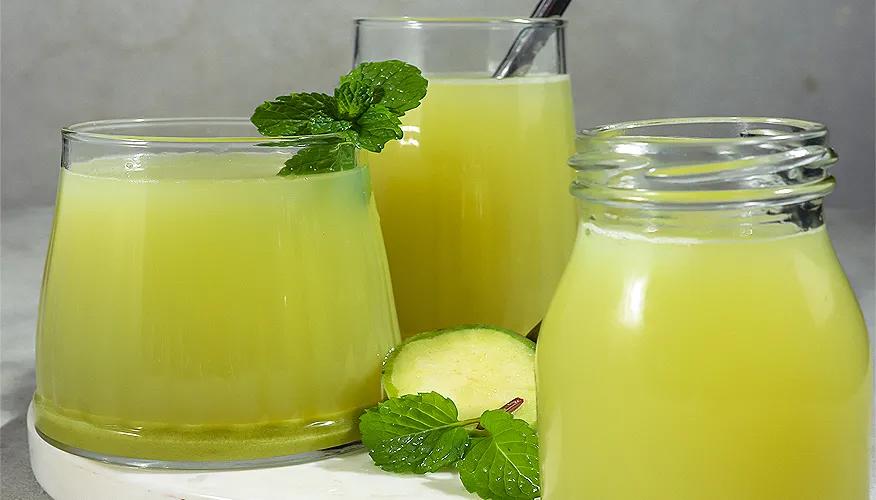
Whether it's ambra juice or simply ambra fruit on your breakfast table, this delightful fruit is more than just a taste sensation—it's a journey to health in every bite. Let's learn more about the amazing ambarella fruit together!
What is Ambarella Fruit?
Ambarella fruit, also known as golden apple, jew plum, great hog plum, or buah kedondong, is a tropical fruit native to Southeast Asia, Africa, the Caribbean, Pacific Islands, and other warm regions. The ambarella tree is especially popular in countries like Sri Lanka, India, Malaysia, Indonesia, Thailand, Jamaica, and Barbados. It not only enhances landscapes with its dense green canopy but also produces highly nutritious, fibrous fruits that are a visual and gustatory delight.
Commonly savored in Southeast Asia and Africa, the ambarella fruit bursts with exotic flavor and is rich in health benefits. The fruit is oval-shaped, varying in size from a small apple to a larger mango. Its smooth skin ranges in color from green to yellow with a slightly waxy texture. When ripe, the flesh turns golden-yellow and becomes juicy with a tangy taste reminiscent of mango, pineapple, and citrus. Ambarella can be eaten both ripe and unripe—unripe fruits are green, firm, and crispy with a sour flavor. Both forms are used in salads, pickles, chutneys, and refreshing juices.
Nutritionally, ambarella is packed with vitamins A and C, offering powerful antioxidants that support a healthy immune system. It also contains dietary fiber that aids digestion and promotes gut health, along with essential minerals such as iron, calcium, and phosphorus. Low in calories and fat, ambarella is a guilt-free, nutrient-dense treat. Its antioxidant-rich nature places it in the glycoside group, contributing/to its anti-inflammatory and antimicrobial benefits, which help reduce inflammation and fight infections.
Beyond the fruit, the ambarella tree offers therapeutic leaves rich in saponins, tannins, and flavonoids, making it a complete health package valued in traditional medicine. The leaves and fruit have been used to alleviate respiratory problems like coughs and sore throats, and to support overall well-being.
In summary, ambarella is not only a delicious tropical fruit with a unique blend of sweet and tangy flavors but also a powerful natural remedy with wide-ranging health benefits, making it a treasured fruit in both culinary and medicinal traditions.
Key features of Ambarella fruit
Here are the key features of ambarella fruit:
- Shape and Size: Oval-shaped, varying from the size of a small apple to a larger mango.
- Skin: Smooth with a slightly waxy texture, colors range from green when unripe to yellow when ripe.
- Flesh: Juicy and golden-yellow when ripe, firm and crispy when unripe.
- Flavor: Sweet, tangy, and spicy with tropical notes resembling mango, pineapple, and citrus.
- Nutritional Content: Rich in vitamins A and C, dietary fiber, antioxidants, calcium, phosphorus, and iron.
- Health Benefits: Supports heart health, boosts immunity, improves digestion, enhances vision, promotes skin health, and aids weight management.
- Traditional Uses: Leaves and bark used in folk medicine for inflammation, respiratory relief, wound care, and oral health.
- Caloric Value: Low in calories and fat, making it a healthy fruit option.
- Common Names: Also called golden apple, jew plum, great hog plum, or buah kedondong.
- Geographical Popularity: Widely grown and enjoyed in tropical regions such as Southeast Asia, the Caribbean, Sri Lanka, India, Malaysia, Indonesia, Thailand, Jamaica, and Barbados.
Ambarella Fruit Nutrition (Golden Apple or Jew Plum)
Ambarella fruit packs a powerful nutritional punch in each serving. This includes:
- 46 Kcal of energy
- 67 mg of phosphorus
- 56 mg of calcium
- 12 g of carbohydrate
- 0.3 mg of iron
- 1 g of protein
- Vitamin A
- Vitamin B
- Vitamin C
With such an impressive nutritional profile, the ambarella fruit is indeed a nutrient-rich powerhouse with a relatively low calorie count.
This makes it a great choice for those who are watching their weight or seeking healthier snack alternatives.
Top Health Benefits of Ambarella Fruit
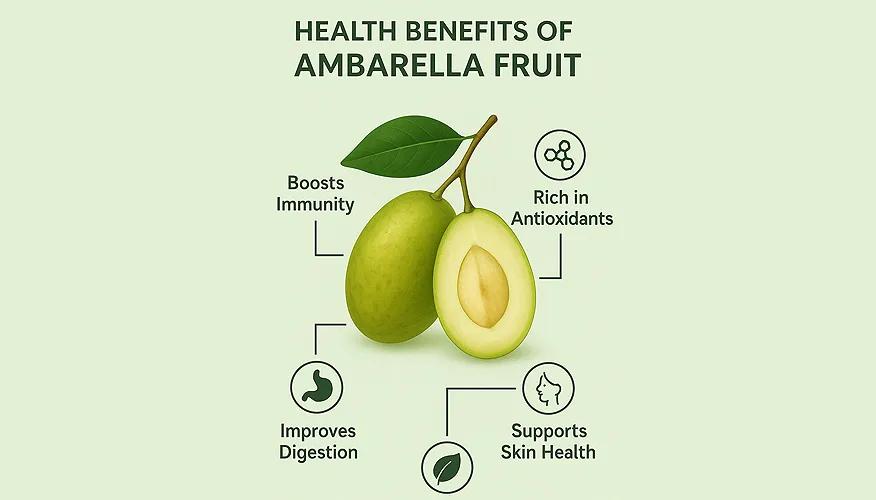
Ambarella fruit is more than just a tropical treat — it’s a powerhouse of nutrients with a wide range of health benefits. Both the fruit and its leaves are rich in natural antioxidants and antimicrobial agents that help protect the body from infections. They also contain compounds used in the treatment of thrombosis and cytotoxic agents known to kill harmful cells, including cancer cells. Ambarella is an excellent source of vitamin C, which supports iron absorption to help fight anemia, protects cells from damage, aids in recovery after strenuous activities, and helps dissolve blood clots that can lead to heart attacks and strokes. Additionally, vitamin C in ambarella stimulates collagen production, which is essential for wound healing and protecting the skin from free radical damage. Traditionally and scientifically valued, ambarella fruit and leaves offer remarkable medicinal properties that support overall health and well-being. Let’s explore the top health benefits of ambarella fruit:
1. Ambarella Enhances Heart Health
Regular consumption of ambarella fruit may help prevent serious heart ailments such as atherosclerosis and myocardial infarction (heart attack). Its high vitamin C content acts as a natural blood thinner, helping dissolve blood clots that could cause heart attacks or strokes. The fruit also helps regulate blood pressure, reducing risks associated with hypertension or hypotension. Additionally, its dietary fiber helps lower cholesterol levels, further supporting heart health.
2. Boosts Immunity
Ambarella is rich in vitamin C and antioxidants like flavonoids and glycosides that help strengthen your immune system. This makes your body more resilient against infections, promotes faster recovery after physical exertion, and contributes to overall wellness.
3. Ambarella Improves Digestive Health
Thanks to its high water and fiber content, ambarella aids digestion and helps prevent constipation. If you suffer from loose stools, the fiber in ambarella helps add bulk to your stool. Additionally, it contains tannins and terpenoids that help manage bloating, indigestion, and flatulence. These compounds also support a healthy gut environment and may reduce symptoms of gastrointestinal inflammation.
4. Promotes Skin Health and Prevents Aging
The fruit’s antioxidants, including vitamin C, stimulate collagen production, helping reduce wrinkles and skin blemishes. This makes ambarella beneficial for maintaining youthful, healthy skin. Its antimicrobial properties also help treat conditions like acne, dryness, and other skin irritations. The antioxidant-rich profile helps prevent premature aging caused by environmental factors like sun exposure and pollution.
5. Ambarella Enhances Vision
Ambarella is a good source of vitamin A, which supports retina health and overall vision. Regular intake may help prevent night blindness and age-related macular degeneration. Traditionally, even a decoction of ambarella leaves is used to treat sore or tired eyes.
6. Ambarella Aids Weight Management
Low in calories and fat, yet high in dietary fiber, ambarella helps you feel full for longer. This makes it a great fruit for those looking to manage weight or reduce appetite naturally.
7. Ambarella Supports Bone and Dental Health
Ambarella contains essential minerals like calcium and phosphorus. These support strong bones, improve mobility, and prevent bone-related issues such as osteoporosis. Calcium also strengthens tooth enamel, helping protect against damage from chewing or grinding.
8. Ambarella Prevents Anemia
Ambarella contains iron, which is essential for red blood cell production. Regular intake can help prevent or manage iron-deficiency anemia, particularly in women and growing children.
9. Ambarella Balances Blood Sugar
For people managing diabetes, ambarella’s fiber and antioxidant content may help regulate blood sugar levels and reduce insulin resistance.
10. Increases Physical Endurance
Ambarella contains natural sugars stored as sucrose, making it a great source of quick energy. This is especially beneficial for athletes or those undergoing endurance training.
11. Ambarella Treats Inflammation and Infections
The bark and leaves of the ambarella tree are traditionally used to treat inflammation-related conditions like dysentery and sore throat. The fruit and leaves have antimicrobial and anti-inflammatory agents that help fight infections and reduce symptoms of internal inflammation.
12. Natural Antioxidant Powerhouse
Ambarella is loaded with antioxidants including glycosides, tannins, saponins, and flavonoids. These compounds help neutralize harmful free radicals in the body, reducing the risk of chronic diseases like cancer and protecting your cells from damage.
13. May Support Liver Health
Ambarella contains bioactive compounds like flavonoids and saponins, which have hepatoprotective (liver-protecting) properties. These compounds may help detoxify the liver, reduce oxidative stress, and promote healthy liver function.
14. Helps Fight Free Radicals
Thanks to its strong antioxidant profile (vitamins C, A, tannins, flavonoids, etc.), ambarella helps neutralize free radicals in the body. This can reduce cellular damage and lower the risk of chronic conditions like cancer, cardiovascular disease, and neurodegenerative disorders.
15. May Promote Mental Wellbeing
The dietary fiber in ambarella not only aids digestion but also contributes to mental health. Research has shown that a fiber-rich diet may help reduce symptoms of depression and anxiety by promoting gut-brain balance.
Traditional Uses of Ambarella Leaves and Bark
In addition to the nutritional and medicinal benefits of the ambarella fruit, its leaves and bark have long been used in traditional medicine across various cultures. These plant parts are valued for their healing properties and are often used in home remedies:
- Treating Inflammation: Decoctions made from ambarella leaves and bark are traditionally used to relieve inflammatory conditions, such as dysentery, sore throat, and swollen gums. Their anti-inflammatory effects are attributed to the presence of tannins, flavonoids, and saponins.
- Respiratory Relief: In some Southeast Asian and Caribbean folk practices, boiled ambarella leaves are consumed or inhaled as steam to ease respiratory issues like cough, asthma, and bronchitis. In traditional medicine, ambarella is used to relieve cough, sore throat, and other minor respiratory problems. Its vitamin C content and anti-inflammatory compounds are believed to soothe the throat and strengthen respiratory immunity.
- Wound Care: Crushed fresh leaves are sometimes applied to minor wounds or skin infections to promote healing and prevent bacterial infection, thanks to their antimicrobial properties.
- Reducing Fever: Traditional healers use ambarella bark extracts as a fever remedy, often given in small doses to help lower body temperature naturally.
- Oral Health: The astringent property of the leaves is believed to strengthen gums and reduce mouth ulcers when used as a gargle or chew.
- Gout Relief: Ambarella is sometimes used in folk medicine to help lower uric acid levels in the body, potentially helping people who suffer from gout. While more clinical studies are needed, its diuretic properties support this claim.
These traditional uses highlight the holistic value of the ambarella tree—not just for its fruit, but also for its therapeutic foliage and bark. However, while many of these practices are backed by anecdotal evidence, more clinical research is needed to confirm their effectiveness.
Ambarella Fruit May Have Anti-Cancer Properties
Ambarella fruit, especially its leaves and bark, contains powerful antioxidants and cytotoxic compounds that may help in fighting harmful cells, including cancer cells. These bioactive compounds—such as flavonoids, tannins, and polyphenols—help neutralize free radicals in the body, which are often responsible for the development of cancer.
Studies suggest that the cytotoxic properties found in ambarella extracts can inhibit the growth of abnormal cells, although more clinical research is needed to confirm its effectiveness in cancer treatment. In traditional medicine, ambarella has been used to support general detoxification and to promote overall cellular health.
Including ambarella fruit in your diet may support the body’s natural defense systems, helping to reduce the risk of chronic diseases, including certain types of cancer, when combined with a healthy lifestyle.
How to eat Ambarella fruit?
Ambarella fruit is a versatile delight that you can enjoy both raw and cooked:
- Raw green fruits are often spruced up with additions like salt, sugar, or chili powder.
- Sliced ambarella can add a refreshing crunch to your salads.
- To prepare it for consumption, remove the seed and cut the fruit into slices or cubes.
How to use Ambarella fruit in recipes?
The culinary versatility of the ambarella fruit is another aspect that makes it a favorite across cultures:
- Flavor your soups, stews, and other dishes with its unique taste
- Make homemade preserves or sauces with a tropical twist
- If you're up for some traditional Samoan or Tongan fare, include ambarella as an ingredient in the refreshing drink known as "otai"
- In Sri Lanka, the fruit is soaked in vinegar with spices and chili to create "acharu" – a tangy pickled dish that serves as a flavorful snack.
Side effects and Precautions of consuming Ambarella fruit
While the health benefits of the ambarella fruit are many, there are some precautions one needs to take:
- Although the fruit has a mild diuretic effect that generally aids in treating hypertension and cardiac diseases, diuretics are not typically recommended during pregnancy.
- As with any food, some individuals may experience allergic reactions to ambarella fruit. It is advisable to start with small quantities if you're trying it for the first time.
How to store Ambarella fruit?
For maintaining the freshness and flavor of ambarella fruit, proper storage is key:
- At room temperature, the fruit will keep up to one week.
- The fruit lasts 2-4 weeks when stored in the refrigerator.
- For longer preservation, ambarella can be pickled or made into jams and preserves.
Conclusion
When it comes to health benefits packed in a tasty package, ambarella fruit stands tall. This tropical delight enhances heart health, boosts immunity, aids digestion, benefits skin and eye health, aids in weight management, and can even help balance blood sugar. Its wide-ranging benefits make it a worthy addition to your diet regimen.
Incorporating this unique fruit into your diet not only offers a distinct flavor profile but also an opportunity to partake in a healthy lifestyle choice. So whether you're savoring the fruit raw or experimenting with it in your recipes, remember that with every bite of ambarella, you're investing in wellness.
Meet our expert

Meet our expert
Song has been practising as a nutritionist with more than 12 years of experience. She
holds a Bachelor of Nutrition & Community Health with Distinction from University
Putra Malaysia and experience in conducting product training, giving health talk to the
public on health-related topic, and providing nutritional consultations to the customers.



How was the experience with article?
We'd love to know!