
Teenagers — powered by snacks, sarcasm, and a questionable sleep schedule! Between long school hours, late-night study sessions, sports, social life, and endless scrolling, their bodies are constantly on the move. Add in the whirlwind of hormonal changes, and it’s no surprise their immune system, energy levels, and even skin often take a hit.
That’s where good nutrition steps in. Among all the nutrients teenagers need, Vitamin C stands out as a true multitasker.
Known for its immune-boosting power, this essential vitamin also helps keep energy levels up, supports faster recovery after physical activity, and plays a big role in maintaining healthy, glowing skin. In short, it’s one vitamin that can help teens feel their best, inside and out.
Let’s explore how Vitamin C for teenagers plays a vital role in their overall well-being.
Why vitamin C is important for teenagers
Vitamin C for teens is a must-have in their daily diet because their bodies are going through rapid growth, hormonal shifts, and increased exposure to infections. The body cannot produce or store Vitamin C (as it is a water-soluble nutrient), hence the teens must get it through food or supplements.
Vitamin C helps in:
- Tissue growth and repair
- Collagen production (great for skin, joints, and bones)
- Strengthening the immune system
- Enhancing iron absorption
- Healing wounds faster
- Reducing oxidative stress from pollution or stress
For teens aged 13 and above, especially those with hectic routines, physical activity, stress, or poor diets, vitamin C for teens becomes crucial.
Signs of vitamin C deficiency in teenagers
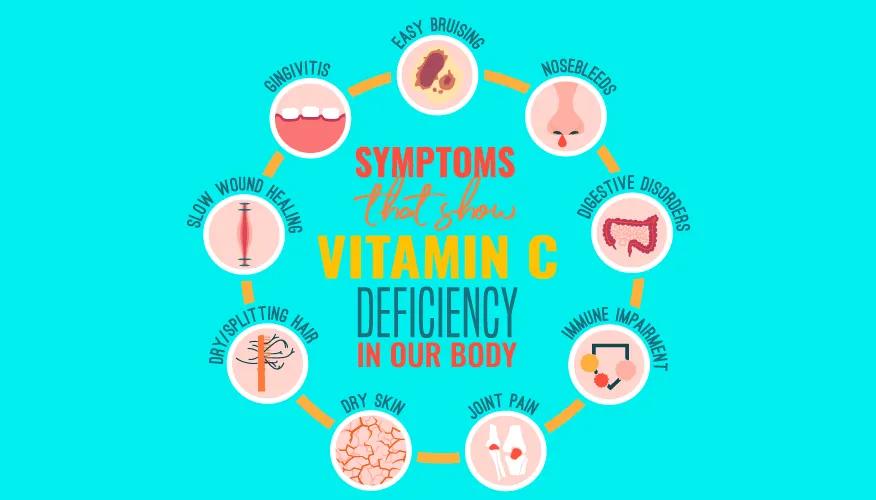
While deficiency is rare in healthy teens, it can still occur in picky eaters or those consuming highly processed diets. The vitamin C deficiency disease, scurvy, if untreated, can be dangerous.
Watch out for these signs:
- Frequent colds and infections
- Constant tiredness or low energy
- Dry, rough skin
- Slow wound healing
- Bleeding gums or swollen joints
- Iron deficiency anemia
- Easy bruising
Parents looking for vitamin C for a 13-year-old should consider both dietary sources and supplementation if these symptoms show up. Eating a diet rich in vitamin C each day is enough to keep body levels full and may help lower the risk of chronic diseases.
Key benefits of Vitamin C for teens
1. Strengthens Immunity
- Teenagers are constantly exposed to germs and various infections at school, during sports, and in social activities.
- Vitamin C helps build a stronger immune response to fight off flu, colds, and infections effectively.
2. Supports Growth and Development
- According to the European Food Safety Authority (EFSA), Vitamin C contributes to the generation of collagen, an insoluble protein fibre that is the primary constituent in connective tissue (skin and tendons) and bone.
- These are crucial for teens during the growth spurts.
3. Enhances Iron Absorption
- Iron deficiency can cause tiredness, lack of concentration, and paler skin than usual.
- A severe iron deficiency, such as iron deficiency anaemia, can have long-term effects on brain development.
- Teen girls, especially during menstruation, are prone to iron deficiency. A study found that giving iron and vitamin C supplements to teenage girls with anemia helped increase their hemoglobin levels and improve red blood cell health. This means vitamin C, when taken with iron, can help reduce anemia and boost blood health in teens.
- Vitamin C improves iron absorption from plant-based foods, reducing the risk of iron deficiency anemia.
4. Supports Skin Health
- Teen skin can be prone to acne and inflammation as they are constantly outdoors and sweating.
- Vitamin C slows early skin ageing, prevents sun damage, and improves the appearance of wrinkles, dark spots, and acne scarring.
- Vitamin C reduces breakouts, supports collagen formation, and promotes clear, glowing skin.
- For topical use, choosing the right serum for a teenager with Vitamin C can also help.
5. Boosts Energy and Reduces Fatigue
- Vitamin C acts as an antioxidant and helps protect the body tissues against the potentially damaging effects of free radicals.
- It contributes to better metabolism, which in turn supports energy production and reduces fatigue.
- Research says, vitamin C deficiency in the brain may cause oxidative stress and neurodegeneration, related to the high oxygen demand of brain structures.
- Researchers investigated the relationship between vitamin C levels in the blood and physical health in the general UK population. The study supports earlier findings that eating lots of fruits and vegetables (which are rich in vitamin C) is linked to better physical health.
- Several recent studies have indicated that intravenous vitamin C led to significant improvements in fatigue, insomnia, loss of appetite, nausea, and pain, and found that not only overall health, but also physical, role, cognitive, emotional, and social functioning were improved.
6. Wound Healing and Recovery
- Whether it’s from sports injuries or acne, Vitamin C supports faster wound healing by aiding tissue repair and regeneration.
- Vitamin C helps your body make collagen, a protein needed to keep these tissues strong and heal wounds.
Best food sources of Vitamin C for teenagers

Fruits and vegetables are the best source of vitamin C. Meet your daily needs by eating a mix of foods like citrus fruits and their juices, bell peppers, kiwifruit, broccoli, strawberries, cantaloupe, baked potatoes, and tomatoes. Some packaged foods and drinks are also fortified with vitamin C, just check the label to see.
Include these top Vitamin C-rich foods in your teen’s meals:
- Oranges, lemons, and limes
- Strawberries and kiwi
- Papaya, pineapple, and mango
- Red and green bell peppers
- Tomatoes and spinach
- Broccoli and kale
- Guava – a super-rich source
Vitamin C is water-soluble. Storing food too long or overcooking can reduce vitamin C. Encourage eating raw or lightly cooked vegetables and fresh fruits for maximum benefits. Steaming or microwaving may lessen cooking losses.
How teens can use Vitamin C in skincare

1. Clean the face well
- Use a face wash that suits your teen’s skin.
- If oily, or acne-prone skin, choose one that controls oil and helps with breakouts.
- If the skin is dry or sensitive, go for a gentle, creamy cleanser.
2. Use a toner or face mist
- This helps add moisture and balance the skin. Pick one based on the skin type.
3. Apply Vitamin C serum
- Apply the specially crafted serum for teenagers on your teen’s face.
- Morning: After toner, apply the serum. Then use a moisturizer and sunscreen.
- Night: After the night cream, apply the serum to lock in the benefits.
4. Don’t forget sunscreen in the morning
- Vitamin C can make the skin sensitive. Teens who are outdoors and active should wear sun protection.
- Vitamin C works even better with SPF to protect your skin and make it glow.
Precautions for using Vitamin C on teenage skin
- For those using Vitamin C serum for teenagers, start with a gentle concentration (around 5-10%) and always patch-test first.
- Choose serums specifically made for sensitive or teen skin to avoid irritation.
- Apply it at night or with sunscreen during the day.
Recommended daily intake of Vitamin C for teenagers
According to the National Institutes of Health (NIH), the average daily recommended amount of vitamin C for teenagers is:
- Teen boys (14–18 years): 75 mg/day
- Teen girls (14–18 years): 65 mg/day
Higher amounts may be needed during illness, intense physical activity, or when recovering from injuries.
Should teenagers take Vitamin C supplements?
Teenagers can take Vitamin C supplements, especially if they are not getting enough from their diet. It’s completely safe and normal to take the best vitamin C for teenagers.
- While most teens can meet their needs through fruits and vegetables, supplements can help fill the gap during growth spurts, poor eating habits, or times of stress, illness, or physical training.
- However, it is best to consult a healthcare professional before starting any supplement to ensure proper dosage and avoid unnecessary intake.
Tips to increase Vitamin C intake in teen diets
Teens may be too busy to eat a detailed meal. Make sure that the food is healthy and stays within the daily calorie needs. Here are simple ways to add more Vitamin C for teens into their daily diet:
- Serve a fruit smoothie at breakfast. You can make smoothies using berries, orange juice, or leafy greens
- Add bell peppers or tomatoes to sandwiches and wraps
- Choose Vitamin C-fortified cereal or juice
- Include fruits as daily snacks (e.g., oranges, kiwi)
- Toss lemon juice over salads with raw greens
Vitamin C for teenagers can be a safe option to ensure that they get the needed daily vitamin C dose. A study found that teens who take daily multivitamins tend to have healthier diets, are more active, and maintain better weight than those who don’t.
Vitamin C and teen athletes

- Teen athletes have higher nutrient demands due to physical exertion.
- Vitamin C helps reduce muscle inflammation, prevent fatigue, and boost recovery post-exercise.
- It also boosts immune defense and keeps the athletes fit.
- A diet rich in fruits and vegetables is the best way to meet these needs, and in some cases, parents may opt for the best Vitamin C for teenagers as supplements for extra support.
Conclusion
Teens are often active, engaged in various activities, due to time constraints, hog on processed foods or eat half meals. If your child has a restricted diet, food allergies, or a medical condition, they might miss out on important nutrients. A doctor or dietitian can help you plan a balanced diet and reduce junk foods to ensure your teen gets the vitamins and minerals they need.
Whether it's for immunity, energy, or glowing skin, Vitamin C for teenagers is an all-in-one nutrient that supports growth and overall health. By incorporating the right foods and choosing the best Vitamin C for teenagers, you can help your teen thrive in this important life stage.
Meet our expert

Meet our expert
Dr Jatin Bhide is an Ayurvedic doctor with over 16 years of enriching experience in Marketing and Strategy across OTC/FMHG, herbal medicine and Nutraceuticals (Europe) industries. He did his Bachelor of Ayurvedic Medicine and Surgery (BAMS) from Mumbai University, before moving on to do a Post Graduate Diploma in Pharmaceuticals and Healthcare Management.



How was the experience with article?
We'd love to know!