
Introduction
Calcium is the most abundant mineral in the body, forming a major part of the structure of bones and teeth. It is essential for maintaining strength, flexibility, and rigidity of tissues, which permits regular physical movement. Additionally, blood coagulation, muscle contraction and dilation, neuronal transmission, hormone release, and dilation of blood vessels - all depend on ionized calcium.
It is estimated that around 98% of the calcium in your body is kept in your teeth and bones.
However, many do not get enough calcium in their regular diets. We will explore various health advantages of calcium in this blog, identify the best foods to eat, and offer easy advice on how to get more of it.
Sources of calcium
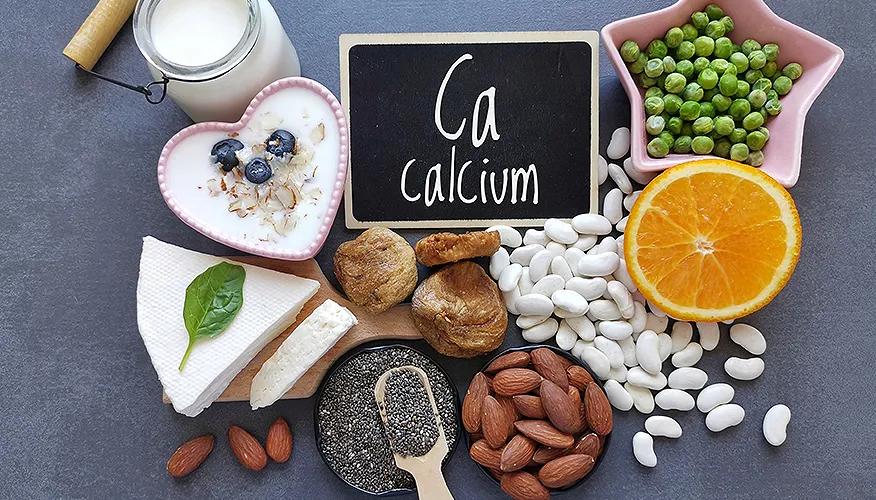
Calcium, a metallic element, is the fifth most prevalent in the Earth's crust, accounting for over 3%. This mineral is an important component of bones, teeth, and shells.
Now, let us look at the sources of calcium in more detail:
Milk, yogurt, and cheese are excellent natural sources of calcium found in dairy products. But for those who prefer non-dairy choices, calcium can also be obtained from vegetables like kale, broccoli, and Chinese cabbage (bok choy).
Here is a more detailed look at calcium-rich foods:
| Food | Milligrams (mg) per serving | Percent DV* |
|---|---|---|
| Soymilk, calcium-fortified – 1 glass | 299 | 23 |
| Orange juice, calcium-fortified - 1 glass | 349 | 27 |
| Tofu made with calcium sulfate - ½ cup*** | 253 | 19 |
| Salmon - 3 ounces | 181 | 14 |
| Milk, whole (3.25% milk fat) - 1 glass** | 276 | 21 |
| Chinese cabbage (bok choy), raw and shredded - 1 cup | 74 | 6 |
*DV = Daily Value.
**Calcium content can vary slightly based on fat content; foods with higher fat content generally have lower calcium levels.
***The calcium content listed is for tofu made with calcium salt. Tofu processed with other salts provides minimal calcium.
Moreover, calcium absorption depends on the type of food. Around 30% of calcium from dairy products and fortified foods is absorbed. However, certain plant compounds can reduce calcium absorption by forming indigestible salts with it.
For instance, only 5% of calcium from spinach is absorbed, while milk has an absorption rate of 27%. Also, the net absorption of calcium is slightly impacted by caffeine and phosphorus intake and more significantly by low vitamin D levels.

Recommended daily intake of calcium
Your daily calcium needs depend on your age and sex. Below are the average recommended amounts in milligrams (mg):
| Life stage | Recommended dietary intake of calcium (mg/day) |
|---|---|
| Birth-6 months | 200 mg |
| 7-12 months infant | 260 mg |
| 1-3 years | 700 mg |
| 4-8 years | 1000 mg |
| 9-13 years | 1300 mg |
| 14-18 years | 300 mg |
| 19-50 years | 1000 mg |
| 51-70 years (men) | 1000 mg |
| 51-70 years (women) | 1200 mg |
| 71 years and older | 1200 mg |
| Pregnant and breastfeeding adults | 1000 mg |
Also, calcium supplements should be taken throughout pregnancy or as advised by a healthcare professional to prevent the risk of pre-eclampsia, a complication marked by high blood pressure and often swelling in the face, hands or legs and protein in the urine.
Health benefits of calcium
Let us unravel some of the key health benefits of calcium:
Bone health
- Calcium is crucial for bone growth because it helps mineralize the bone matrix.
- The amount of calcium deposited in the bones depends on how quickly the bones are growing.
- Getting enough calcium is essential for building bone mass and reaching peak bone mass.
- Also, it has been proven that consuming more calcium during the teenage years is connected to accelerated growth in height.
Diets low in calcium can lead to lower bone mineral density, which can increase the risk of osteoporosis later in life.
Cardiovascular health
- Calcium can bind fatty acids, potentially reducing lipid absorption and lowering the risk of cardiovascular disease.
- Several large observational studies have linked lower calcium intake to higher risks of hypertension, stroke, and atherosclerosis.
- A research study from 14,408 adults with obesity found that those with hypertension had 10% lower calcium intake than those without hypertension, with this association being strongest in women aged 20–44 years.
- Another study of 5,448 adults found that those with the highest calcium intake had a 27% lower risk of atherosclerosis over 10 years than those with the lowest intake.
Muscle function
Calcium is necessary for both muscular contraction and neuronal activity. It primarily serves as a key signal in muscle formation, repair, and function.
Consequently, adequate calcium consumption is critical for reaching peak bone mass and decreasing bone mineral loss, lowering the risk of osteoporosis as we age.
Colon support
- Several studies have looked into whether calcium can help prevent colorectal cancer.
- Calcium consumption has been shown in studies to lower the risk of colon cancer. According to one study, people who consume the most calcium have a 26% lower risk of colon cancer than those who consume the least.
- Another study found that increasing calcium consumption by 300 mg/day lowered the incidence of colorectal cancer by 8%.
Effects of calcium deficiency
- A lack of calcium can weaken bones, causing diseases like osteoporosis, rickets in children, and osteomalacia in adults and children alike.
- Hypocalcemia, or low blood calcium, can result from taking certain medications, having a critical disease, or insufficient amounts of vitamin D or magnesium in the body.
- Muscle spasms, tingling, and numbness are signs of hypocalcemia.
- In rare occasions, severe cases might result in convulsions or a coma, as well as renal damage, brain calcification, mood disorders, cataracts, and heart failure.
Tips to boost calcium intake

Did you know?
Many poor and middle-income nations, especially those in Africa and South Asia, have inadequate intakes of calcium — typical intakes in these regions may be as low as 400 mg/day.
The following are a few of the simplest methods to increase your calcium intake:
- Make use of fortified foods: Make sure to choose calcium-fortified meals and drinks, such as orange juice, cereals, and plant-based milk (like soymilk).
- Eat leafy greens: Include foods high in calcium in your regular salads and smoothies, such as bok choy, kale, and broccoli.
- Try tempeh and tofu: These plant-based protein sources are great additions to your diet because they are frequently fortified with calcium.
Conclusion
Calcium is essential for strong bones and teeth, muscle and nerve functions, and cardiovascular health. Though found in many foods like dairy, fortified products, and certain vegetables, many people do not get enough calcium daily. Ensuring proper calcium intake through diet or supplements, particularly during key life stages, can prevent osteoporosis and improve overall well-being.
Prioritize calcium-rich foods and be mindful of the factors that impact calcium absorption to boost your health. Embrace calcium’s importance to maintain a healthy and active lifestyle. Regularly monitor your calcium intake and consider lifestyle adjustments to meet your nutritional needs. By doing so, you'll be investing in your long-term health and vitality.
Meet our expert

Meet our expert
Dr. Naveeda Adam serves as the Medical Officer of the Gastrology Department at Muhimbili National Hospital in Dar es Salaam, Tanzania.



How was the experience with article?
We'd love to know!