
Ceylon tea is a special tea grown in the highlands of Sri Lanka, known for its unique flavors and high quality. Available as black, green, white, and oolong varieties, Ceylon tea is rich in antioxidants that help protect the body from damage caused by free radicals. Drinking Ceylon tea may support heart health by lowering blood pressure and cholesterol, aid in weight loss by boosting fat burning, and help manage blood sugar levels, making it beneficial for people with type 2 diabetes.
Have you ever found yourself reaching for a comforting cup of tea when you’re not feeling quite right? Between the hustle and bustle of modern life and the unpredictable weather, our immune systems can sometimes take a hit.
When that happens, many of us turn towards Mother Nature's own medicine cabinet for relief. And one natural remedy that often stands out from the crowd is Ceylon tea.
But what makes Ceylon tea so special? Why has it gained such popularity among health-conscious women in urban and semi-urban areas? Before we delve into the specifics, it’s important to understand what Ceylon tea is and why it's so cherished around the world.
Join us as we embark on the journey of understanding Ceylon tea: its nutrition profile, benefits, uses, and potential side effects. In this blog, we will explain all there is to know about this unique beverage and what makes it more than just a soothing cup of tea.
Whether you’re an ardent tea-lover or just starting to explore the world of tea, this blog will surely pique your interest.
So, stay tuned as we step into the story of Ceylon tea - a story that's as robust and full-bodied as the tea itself!
Origins and History of Ceylon Tea
The story of Ceylon tea began in the 19th century in Sri Lanka, then known as Ceylon, a British colony.
The establishment of tea plantations was a response to the failing coffee sector due to the devastation caused by the coffee leaf disease (Hemileia Vastatrix) during the late 1860s.
The initial attempts at tea cultivation started in 1839 at the botanical gardens of Peradeniya.
The botanical garden used tea plants sourced from Assam and Calcutta through the East India Company. The real breakthrough came with Scotsman James Taylor who is credited with setting up the first commercial tea estate in Sri Lanka in 1867 at the Loolecondera estate.
Taylor mastered the 'two leaves and a bud' plucking method, which is considered a fine plucking technique even today.
Commercial production and export of Ceylon tea began in earnest from 1867 onwards. The first official shipment of Ceylon tea was sent to England in 1872, followed by a more significant shipment five years later in 1877.
What is Ceylon Tea?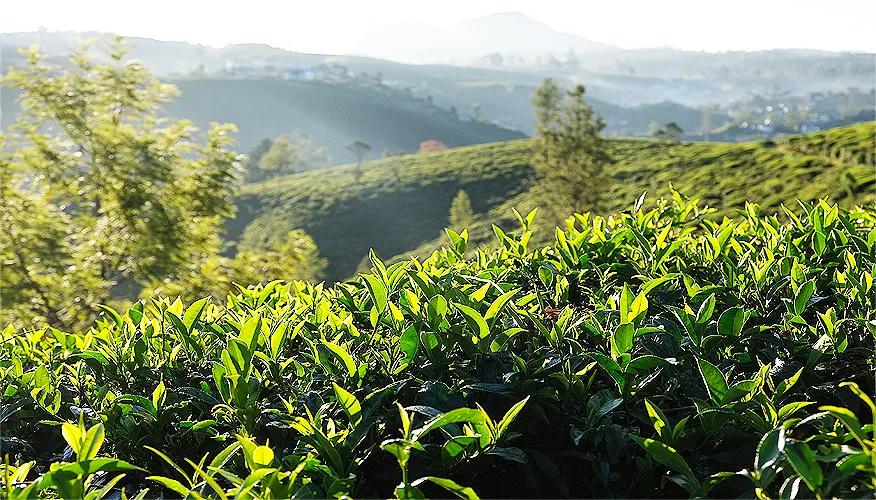
Ceylon tea is a type of black tea that comes from Sri Lanka, which was formerly known as Ceylon. Renowned for its bold, brisk flavor and rich aroma, Ceylon tea is one of the most popular and high-quality teas in the world.
There are different types of Ceylon tea based on where it is grown in Sri Lanka—such as high-grown, mid-grown, and low-grown varieties—each offering distinct taste profiles. While black Ceylon tea is the most common, you can also find green and white versions.
Ceylon tea is made from the leaves of the Camellia sinensis plant, this tea comes in black, green, white, and oolong varieties, each with unique characteristics based on how they’re processed.
What sets Ceylon tea apart is Sri Lanka’s unique geography. The country's diverse climate, altitudes, and fertile soil contribute to the tea’s bold, brisk, and often citrusy flavor profile. Ceylon teas grown in highland regions tend to be more aromatic and delicate, while those from lower elevations are fuller-bodied and stronger.
Produced using traditional methods — including careful plucking, withering, rolling, fermenting, and drying — Ceylon tea retains a high concentration of antioxidants such as myricetin, quercetin, and kaempferol. These compounds may support overall health by combating oxidative stress, aid digestion, boosting heart health, and enhancing immunity.
Renowned as a premium product, Ceylon tea has become synonymous with quality and is enjoyed by tea lovers across the globe for both its taste and potential health benefits.
Types of Ceylon Tea
Ceylon tea comes in various types, each with unique characteristics shaped by processing methods and growing regions:
1. Black tea
- The most popular Ceylon tea, made from aged stems and fermented leaves, often used in blends like Earl Grey.
- Its flavor varies with altitude: high-grown teas are light with a honey-golden liquor, while low-grown teas are richer and stronger, with a burgundy-brown liquor.
- Medium-grown teas offer a balanced, robust profile.
2. Green tea
- Primarily grown in the Uva province, Ceylon green tea is bolder and maltier than Chinese or Japanese green teas.
- The leaves are pan-fried or steamed, resulting in a yellowish-green liquor with nutty, intense flavors.

3. White tea
- Also known as "Silver Tips," this tea is made from the youngest buds, primarily grown in Nuwara Eliya's cool mountains.
- It has a smooth, velvety body with mild sweetness and subtle pine notes, offering a lighter, more refined flavor than other Ceylon teas.
4. Oolong tea
- A less common but distinctive variety, oolong tea lies between black and green tea in oxidation.
- It has a complex, smooth flavor with both floral and fruity notes, providing a nuanced, refreshing experience.
- Each type of Ceylon tea reflects Sri Lanka's diverse climate, offering a wide range of flavors for tea enthusiasts worldwide.
Nutritional Profile of Ceylon Tea
Ceylon tea is naturally low in calories but packed with antioxidants that contribute to its health-boosting reputation. These compounds help protect cells from oxidative damage, which is linked to long-term health concerns like heart disease, diabetes, and certain types of cancer.
One of the standout benefits of Ceylon tea is its rich antioxidant content. It provides potent flavonoids such as myricetin, quercetin, and kaempferol — plant-based compounds known to support immune health, reduce inflammation, and help protect against cellular aging.
In particular, green Ceylon tea contains epigallocatechin gallate (EGCG), a powerful catechin studied for its ability to support cardiovascular health, enhance metabolism, and even inhibit the growth of harmful cells in lab research.
In addition to its antioxidant strength, Ceylon tea contains small but beneficial amounts of essential minerals, including manganese, magnesium, cobalt, and chromium. These trace elements play roles in bone development, enzyme activity, and blood sugar regulation.
While it does contain caffeine — usually between 40–70 mg per cup depending on the type and brewing method — it also provides the amino acid L-theanine, which may promote mental clarity and calmness without the jittery effects of coffee.
Whether enjoyed in black, green, oolong, or white form, Ceylon tea delivers a robust nutritional profile with numerous benefits, making it a smart and refreshing beverage choice.
Nutrient | Amount per 8 oz cup (approx.) |
| Calories | 0-2 |
| Caffeine | 40-70 mg |
| Vitamin C | 0.2-0.5 mg |
| Vitamin E | 0.1-0.2 mg |
| Potassium | 26 mg |
| Manganese | 0.2-0.3 mg |
| Antioxidants | High levels |
| Folate | 0.1-0.2 mg |
| Copper | 0.1-0.2 mg |
Top Health Benefits of Ceylon Tea

Ceylon tea is a flavorful and antioxidant-rich beverage that offers numerous health benefits. Here’s a detailed look at why incorporating Ceylon tea into your daily routine can support your overall wellness:
1. Ceylon Tea and Antioxidant Properties
Ceylon tea is abundant in powerful antioxidants such as polyphenols, catechins, quercetin, myricetin, and kaempferol. These antioxidants help neutralize harmful free radicals in the body, which can reduce oxidative stress and lower the risk of chronic diseases like cancer and heart disease. Green Ceylon tea also contains epigallocatechin-3-gallate (EGCG), a compound noted for its strong health-promoting effects.
2. Ceylon Tea for Weight Loss
Several studies highlight that drinking Ceylon tea may assist with weight management. The bioactive compounds in Ceylon tea, particularly in white and green varieties, have been shown to promote fat breakdown, inhibit fat cell formation, and increase metabolism. Black Ceylon tea may also reduce fat absorption by blocking digestive enzymes, which can help lower calorie intake. Regular consumption, combined with a healthy lifestyle, may lead to reductions in body weight, waist circumference, and fat mass.
3. Ceylon Tea Help to Stabilize Blood Sugar
Ceylon tea may play a supportive role in blood sugar management. Research indicates that drinking black or green Ceylon tea can help lower blood sugar and insulin levels, which is beneficial for both people with normal glucose levels and those with prediabetes. Consistent consumption of Ceylon tea has also been linked with a decreased risk of developing type 2 diabetes.
4. Ceylon Tea for Heart Health
Ceylon tea offers impressive heart-protective benefits thanks to its rich antioxidant content, including flavonoids and polyphenols. These compounds help reduce inflammation, lower LDL (bad) cholesterol, and support healthy blood vessel function. Additionally, Ceylon tea contains a notable amount of potassium—an essential mineral known for its role as a natural vasodilator. Potassium helps relax the walls of blood vessels and arteries, reducing blood pressure and easing the workload on the heart. Starting your day with a cup of Ceylon tea, paired with a potassium-rich fruit like a banana, may contribute to long-term cardiovascular health and a reduced risk of heart disease.
5. Ceylon Tea for Digestive Health
Thanks to its anti-inflammatory and soothing properties, Ceylon tea can help improve digestion. It may relieve bloating, reduce inflammation in the gastrointestinal tract, and protect against harmful bacteria that cause digestive discomfort.
6. Ceylon Tea for Skin Health
Ceylon tea is rich in antioxidants that play a vital role in maintaining youthful, healthy skin. These antioxidants—especially polyphenols—help neutralize oxidative stress, a major factor in skin aging. By protecting skin cells from free radical damage, Ceylon tea helps preserve collagen levels, which are essential for skin elasticity and firmness. This can reduce the appearance of fine lines and wrinkles, keeping the skin smooth and resilient. Additionally, the presence of vitamins B2 and E in Ceylon tea nourishes the skin from within, promoting a radiant complexion and helping reduce blemishes. Regular consumption of Ceylon tea or using it topically as a toner can support overall skin health and slow down visible signs of aging.

7. Ceylon Tea for Kidney Stone Prevention
EGCG, a key antioxidant found in Ceylon tea, may help prevent the formation of kidney stones and support overall kidney health by reducing oxidative stress and inflammation.
8. Ceylon Tea Boosts Immunity
Polyphenols and flavonoids in Ceylon tea strengthen the immune system, enhancing the body’s ability to fight infections and inflammation.
9. Ceylon Tea for Mental Alertness
The moderate caffeine content in Ceylon tea can help improve focus, concentration, and mental alertness without causing jitters, making it a great alternative to coffee.
10. Ceylon Tea for Oral Health
The natural antioxidants and antibacterial properties in Ceylon tea can help reduce the growth of harmful bacteria in the mouth, potentially preventing bad breath, cavities, and gum disease.
11. Ceylon Tea for Bone Health
Some studies suggest that regular tea consumption may support bone density and strength due to its fluoride content and antioxidant effects, which help reduce bone loss.
12. Ceylon Tea for Stress Reduction
L-theanine, an amino acid found in Ceylon tea, promotes relaxation and reduces stress without causing drowsiness, improving mood and mental well-being.
13. Ceylon Tea and Cancer Prevention
Ceylon tea is rich in antioxidants like catechins and polyphenols, which help protect cells from oxidative damage that can lead to cancer. Studies suggest these compounds may inhibit the growth of certain cancer cells and reduce inflammation, lowering the risk of cancers such as breast, lung, and colorectal cancer. While promising, more research is needed to confirm these effects in humans.
14. Ceylon Tea Helps Reduce Cholesterol
Ceylon tea contains antioxidants that may lower LDL (bad) cholesterol and triglyceride levels, promoting healthier blood lipid profiles. Regular consumption can support heart health by reducing the risk of artery blockage and cardiovascular diseases.
15. Ceylon Tea Protects the Brain
Compounds in Ceylon tea have neuroprotective effects that may reduce the risk of cognitive decline and neurodegenerative diseases. Its antioxidants help protect brain cells from damage caused by free radicals and inflammation.
16. Ceylon Tea May Help Prevent Chronic Illness
Ceylon tea is rich in powerful antioxidants such as theaflavins, thearubigins, catechins, and polyphenols, which work together to protect the body from oxidative stress and cellular damage. These compounds neutralize free radicals—unstable molecules that contribute to chronic inflammation and increase the risk of various long-term health conditions. By minimizing oxidative damage, Ceylon tea may support the body’s natural defense systems and enhance immune function. This antioxidant-rich beverage could play a supportive role in reducing the risk of chronic illnesses such as cardiovascular disease, diabetes, and neurodegenerative disorders. Drinking Ceylon tea regularly may be a simple yet effective way to support overall wellness and long-term health.
17. Ceylon Tea Increases Energy Levels Naturally
Ceylon tea contains a moderate amount of caffeine that can help boost alertness, enhance focus, and fight off fatigue—making it an ideal beverage to kickstart your day. Unlike stronger caffeinated drinks that may cause jitters or an energy crash, the caffeine in Ceylon tea is released more gradually, providing sustained energy throughout the day. This makes it an excellent choice for improving cognitive function and maintaining productivity without the side effects often linked to coffee. Drinking 2–3 cups of Ceylon tea across the day may help you stay mentally sharp and energized in a balanced, healthy way.
How to Make Ceylon Tea?
Making Ceylon tea is a simple process:
- Choose your preferred type of Ceylon tea (black, green, white, or oolong).
- Measure one teaspoon of loose-leaf tea or use one tea bag for every 8 oz of water.
- Boil fresh water. For black tea, use boiling water; for green and white, slightly cooler water is ideal.
- Steep the tea leaves for 3-5 minutes, depending on the type and your desired strength.
- Strain the tea and serve hot. You can also chill it for a refreshing glass of iced tea.
Ceylon Black Tea use in Home Remedies
Ceylon black tea is not only enjoyed for its rich flavor but also has several beneficial uses in home remedies:
- Sore throat: The tannins in Ceylon black tea can help reduce inflammation, making it an effective remedy for soothing a sore throat. Mixing the tea with honey further enhances its soothing properties.
- Mild diarrhea: Black tea can help relieve symptoms of mild, nonbacterial diarrhea. Consuming it at the onset of symptoms may help reduce discomfort and restore balance.
- Skin infections: Drinking black tea and applying it directly to the skin may assist in reducing acne and pimples. The caffeine in black tea is believed to help prevent skin infections, promoting clearer skin.
- Hair care: Black tea rinses have been a long-standing beauty remedy, helping to improve hair health. Applying Ceylon black tea to hair can promote growth, enhance color, and add shine, leaving hair looking its best.
Side effects of Ceylon Tea
While generally safe for most people, some side effects are associated with Ceylon tea:
- Caffeine-related issues: Too much caffeine can cause anxiety, irregular heartbeat, and digestive issues in some individuals.
- Liver concerns: Green tea, in particular, may aggravate liver disease. So, it's advisable to consult a doctor if symptoms of liver damage are present.
- Calcium loss: High intake of caffeine can increase calcium excretion, which may be problematic for those with inadequate calcium intake.
Conclusion
From its rich history in Sri Lanka to the many health benefits it offers, Ceylon tea is truly a versatile beverage.
Whether you prefer black, green, white, or oolong, you can enjoy the unique tastes and aromas that each variety brings, while also benefiting from its nutritional value.
So, the next time you're looking for a comforting and healthy drink, consider brewing a cup of Ceylon tea!
Meet our expert

Meet our expert
Reshma Kulkarni-Pathare is a senior Indian media professional since 1999. She has written for over 45 national and international publications, including The Times of India, Femina, and BBC Good Homes.



How was the experience with article?
We'd love to know!