With the daily grind of city life, we often forget to listen to our bodies and the subtle cues they give us about our health.
And before we know it, we are on a roller coaster of stress, fast food, and little to no exercise.
But don’t worry, there’s a simple addition you can make to your diet that can give your health the boost it needs - and that too from your kitchen!
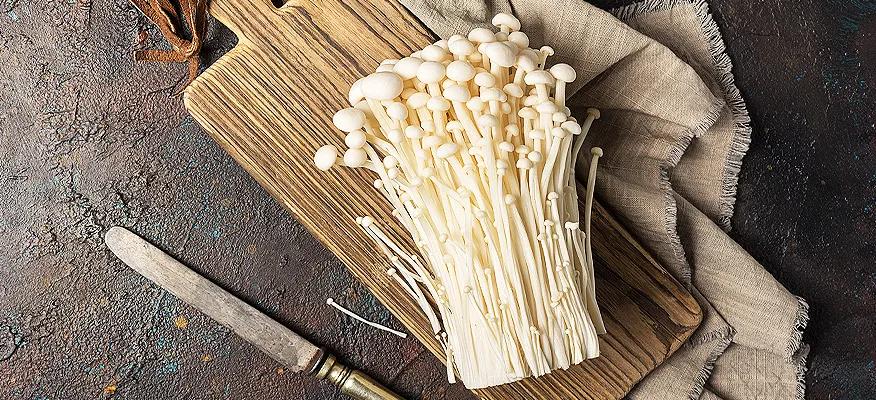
Do you remember those delicate, white mushrooms you saw at the farmer’s market last weekend? Yes, those are Enoki mushrooms!
You will be surprised to know they are not just another ingredient for your favorite Asian soup recipe. They hold a plethora of health benefits which are as fascinating as their unique appearance.
So, ladies, if you are in search of a simple, yet impactful step towards a healthier lifestyle, Enoki mushrooms are definitely worth considering.
Stay tuned as we dive deep into the amazing health benefits of Enoki mushroom and unlock the secret to great health hidden in nature's bounty.
What is Enoki mushroom?
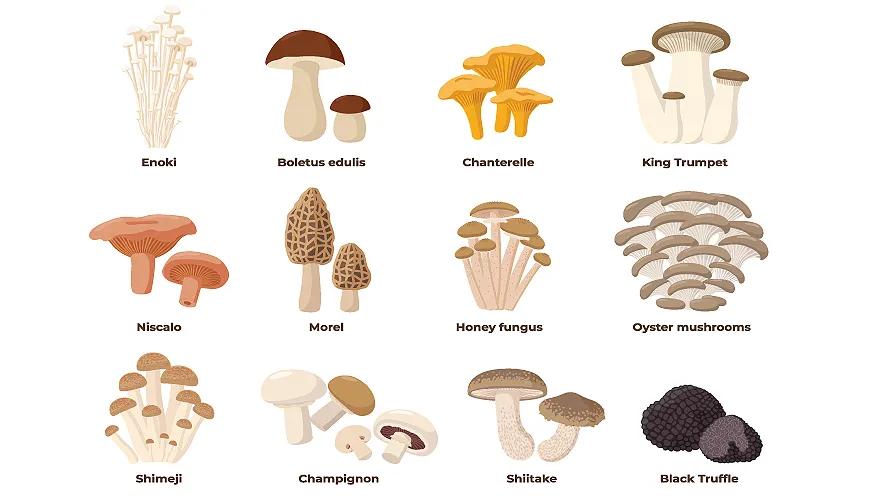
Originating from East Asia, the Enoki mushroom, also referred to as velvet foot or winter mushrooms, is a variety of edible fungus characterized by its small, delicate caps and long, thin stems.
This unique-looking mushroom with a sweet, mild flavor is commonly used in Asian cuisine and is becoming increasingly popular around the world due to its numerous health benefits.
The name Enoki mushroom has its roots in Japanese culture but these delightful mushrooms are also known by several other names such as golden needle mushroom, lily mushroom, winter mushrooms or velvet foot.
It’s not only their unique appearance that sets these mushrooms apart, but also their distinctive taste and texture that adds a special touch to any dish they are used in.
Nutritional profile of Enoki mushroom
| Nutrients | Value per 100g | % Daily Value (DV) |
| Calories | 37 kcal | 2% |
| Protein | 2.7 g | 6% |
| Fat | 0.29 g | 0% |
| Carbohydrates | 7.8 g | 3% |
| Fiber | 2.7 g | 11% |
| Vitamin C | 0 mg | 0% |
| Vitamin B3 (Niacin) | 7 mg | 44% |
| Potassium | 359 mg | 11% |
| Iron | 1.2 mg | 14% |
| Magnesium | 16 mg | 4% |
| Phosphorus | 105 mg | 15% |
| Sodium | 3 mg | 0% |
| Zinc | 0.65 mg | 6% |
| Selenium | 2.2 µg | 4% |
| Vitamin B1 (Thiamine) | 0.23 mg | 19% |
| Vitamin B2 (Riboflavin) | 0.2 mg | 15% |
| Vitamin B5 (Pantothenic acid) | 1.4 mg | 27% |
| Vitamin B6 | 0.1 mg | 8% |
| Folate | 48 µg | 12% |
Are Enoki mushrooms healthy?
Yes, they certainly are!
- Enoki mushrooms bring a plethora of nutritional goodness to your plate. They are packed with vitamins, minerals, fiber, and antioxidants.
- With their low-calorie count and minimal fat and sodium content, they make for a healthy addition to any diet.
- Plus, they come with the added benefit of having no cholesterol.
Top health benefits of Enoki mushroom
There are several key Enoki mushroom health benefits that make this mild-flavored mushroom a superfood:
- Enhances immune function: Enoki mushrooms are rich in beta-glucans and other polysaccharides, compounds known to boost the immune system and enhance its function.
- Reduces inflammation: These mushrooms contain ample amounts of antioxidants like vitamins C and E and phenolic compounds that can neutralize harmful free radicals. This reduces oxidative stress and protects the body's cells from damage, thereby lowering inflammation.
- Promotes gut health: Thanks to their high fiber content, Enoki mushrooms can support digestive health by promoting regular bowel movements and maintaining a balanced gut microbiome.
- Supports heart health: With their high fiber content and rich antioxidant profile, Enoki mushrooms can help lower cholesterol levels and improve blood circulation, thus contributing to heart health.
- Decreases oxidative damage: The antioxidants present in Enoki mushrooms - vitamins C and E, selenium, polysaccharides, and polyphenols – provide protection against oxidative damage. This defense against cell damage helps prevent chronic health conditions like cancer and diabetes.
- Assists in weight management: These mushrooms contain linoleic acid, a compound known to aid in reducing belly fat. Additionally, their low-calorie content makes them a smart choice for weight management.
- Helps regulate blood sugar levels: The dietary fiber found in Enoki mushrooms can aid in blood sugar regulation, making them a beneficial food choice for individuals with diabetes.

How to use Enoki mushrooms?
Enoki mushrooms are versatile and can be used in various dishes including:
- Raw: You can eat enoki mushrooms raw, straight from the package after trimming the roots. Their crunchy texture makes them a great addition to fresh salads, rice bowls, or as a garnish for cold noodle dishes.
- In cooked dishes: Enoki mushrooms are commonly eaten after being cooked. They’re perfect in soups, stir-fries, or as part of hot pots, where they absorb the flavors of the broth or sauce. Their delicate nature allows them to blend seamlessly into both light and hearty dishes.
- In wraps and sushi: Enoki mushrooms can be eaten as part of wraps or sushi rolls. They add a light, crisp element when combined with other fillings like avocado, cucumber, or tofu, making them a tasty and refreshing addition to these dishes.
- Grilled or roasted: When grilled or roasted, enoki mushrooms develop a slightly crispy texture and deeper umami flavor, making them great to eat as a side dish or topping for rice, noodles, or salads.
How to cook Enoki mushrooms?
Enoki mushrooms can be cooked in a variety of ways:
- Stir-frying: Quick sautéing preserves their crunch and flavor.
- Soups: Adding them towards the end of cooking prevents overcooking.
- Salads: They can be used raw or lightly sautéed to maintain their texture.
- Grilling: A quick brush with oil and a brief grilling can enhance their flavor.
How to eat Enoki mushroom?
Enoki mushrooms can be eaten both raw and cooked, depending on your preference. Here’s how to enjoy them:
- Raw in salads: Add fresh enoki mushrooms to salads for a crunchy, refreshing element. Their mild flavor pairs well with light dressings like sesame oil or a soy-based vinaigrette.
- Cooked in stir-fries: After cooking, enoki mushrooms retain their delicate texture and absorb the flavors of the sauce. Stir-fry them with vegetables, tofu, or noodles for a quick, delicious dish.
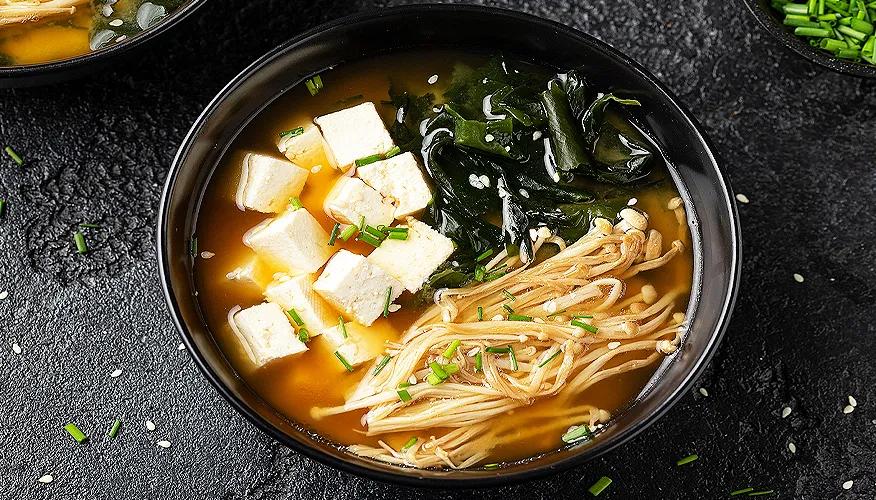
- In soups: Enoki mushrooms are perfect in soups. Add them in the final stage of cooking so they keep some of their texture. They’re ideal for miso soups, vegetable broths, or ramen.
- Grilled or roasted: Grilled or roasted enoki mushrooms develop a slightly crispy texture and a deeper flavor. Enjoy them as a side dish, or add them to rice or noodle bowls.
- In wraps or sushi: Use enoki mushrooms in sushi rolls or fresh spring rolls, paired with ingredients like cucumber, avocado, or tofu. They provide a light, flavorful touch to these dishes.
Potential side effects and precautions
Here are potential side effects and precautions:
- Allergic reactions like rashes, itching, or digestive issues may occur. Seek medical help if symptoms are severe.
- Enoki mushrooms can carry harmful bacteria like Listeria. Store properly and wash thoroughly before cooking.
- Eating large amounts may cause digestive discomfort such as bloating or upset stomach.
- Consult a doctor if you're on immunosuppressants, as mushrooms may affect immune function.
- No evidence suggests enoki mushrooms are unsafe during pregnancy or breastfeeding, but check with your healthcare provider.
- People with mushroom sensitivities should eat cautiously or avoid them.

Conclusion
Enoki mushrooms are a nutritious and versatile ingredient that can provide numerous health benefits when incorporated into your diet.
They are packed with essential nutrients and antioxidants, making them a worthwhile addition to your meals.
However, always remember to cook them properly to avoid any potential health risks. Enjoy the unique flavor and texture of enoki mushrooms while reaping their numerous health benefits.
Meet our expert

Meet our expert
Dr. Burtseva Tamara Viktorivna is a pediatrician by profession based out of Ukraine. In 2004, Dr. Viktorivna graduated from Ukraine's Donetsk Medical University where she specialised in pediatric studies. She then gathered extensive experience on ground until 2011 at city polyclinic No. 1 in Donetsk, where she worked as a pediatrician handling a variety of cases.



How was the experience with article?
We'd love to know!