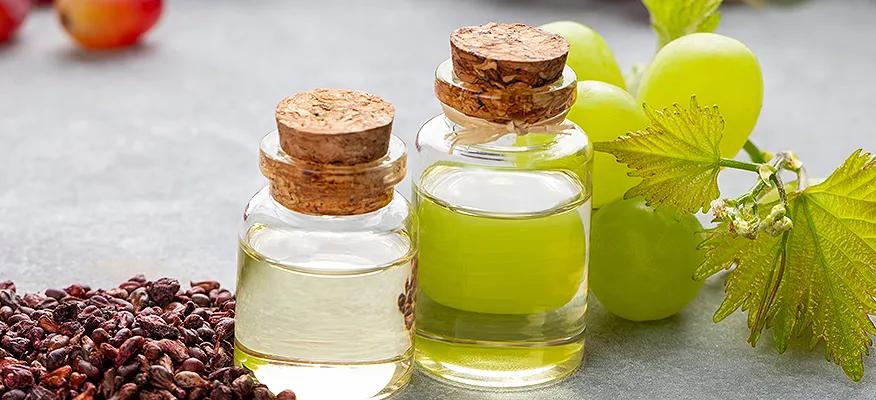
Grapes are abundantly consumed globally. The benefits of grape skin, sap, and leaves in traditional treatment have been known to mankind for ages.
Grapes have been popular as a starting ingredient for wine-making across cultures. However, the pressed oil from grapeseed and grapeseed itself, are little late entrants in the popularity game. Even though research has shown various health benefits of grapeseed, very little is known to the consumers to date.
Let us dig deeper and understand the process of making grapeseed oil, the nutrient content, and the health benefits of grapeseed oil.
Nutrients in grapeseed
- Grape seeds form a reject/by-product of the food industry, especially the winery and grape juice industry.
- They are rich in antioxidants.
- They also contain proteins, fiber, complex carbohydrates, mineral salts, vitamins, unsaturated fats, and polyunsaturated fatty acids.
- The most abundant mineral found in grapeseed is magnesium. Grape seeds are a rich source of vitamin E.
How is grapeseed oil made?
Grapeseed oil is a vegetable oil, a by-product of winemaking.
During wine-making, the grapes are crushed, fermented, and then pressed. The solid remaining after the pressing contains seeds, skin, and pulp.
They are washed and cleaned using screens. This separates seeds from the rest of the solids. Seeds separated, are then dried and pressed for oil extraction.
Health benefits of grapeseed oil
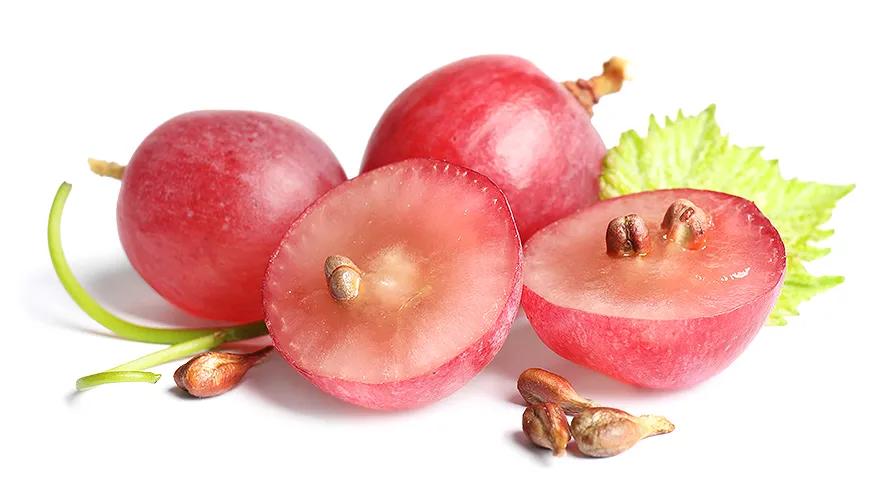
Numerous nutrients found in grapeseed become part of the oil derived from it, making grapeseed oil, an excellent and rich source of these nutrients. Thus, grapeseed oil is healthy.
Following are the few benefits of grapeseed oil:
Protects the cells:
Grapeseed oil is rich in antioxidants such as vitamin E, which helps protect the cells from damage caused by oxidative stress.
Promotes heart health:
Grapeseed oil can lower bad cholesterol (LDL) levels and increase good cholesterol (HDL) levels; unsaturated fats help to maintain healthy cholesterol levels. Maintaining healthy cholesterol levels ensures a healthy heart.
Possesses anti-inflammatory properties:
Grapeseed oil may have anti-inflammatory effects. Hence, its use can be beneficial in reducing inflammation throughout the body.
Offers antimicrobial effects:
Grapeseed oil contains certain compounds, which offer antimicrobial properties. Such compounds may help fight against certain types of bacteria and fungi.
Aids diabetes management:
Some studies have shown that grapeseed oil may help improve insulin sensitivity and regulate blood sugar levels. This is desirable and beneficial for individuals with diabetes and even obesity.
Helps absorption of nutrients:
Grapeseed oil has a high polyunsaturated fat content. It may aid in absorbing fat-soluble vitamins like A, D, E, and K into the body.

Beauty benefits of grapeseed oil
Boosts skin health:
Grapeseed oil has superior moisturizing and emollient properties. It is loaded with vitamin E. Hence, it is often used in skincare products. The oil is very lightweight and easily absorbed by the skin without leaving any oil residue. It is not comedogenic. Hence, it does not clog the skin pores. Hence, it is well-suited to be used in skincare products like ointments and creams.
The oil may help tighten the skin by improving skin elasticity, thereby reducing the appearance of wrinkles. The oil may be applied to the face to help treat acne.
Grapeseed oil benefits those with sensitive and irritated skin, as it helps soothe and reduce inflammation. Additionally, it is lighter than many other oils. Lightweight grapeseed oil is suitable for acne-prone, oily skin.
The grapeseed oil can prevent damage from UV exposure. Hence, its use may even out the skin tone and texture; however, it has not been proven for skin-lightening until now.
Grapeseed oil can also be a carrier with other essential oils for aromatherapy or aromatherapy massage. These essential oils are usually steam-distilled from other botanicals.
Benefits hair care:
The excellent moisturizing properties of the oil can also be leveraged in haircare. When applied topically, grapeseed oil can moisturize the scalp, strengthen hair, and help prevent the formation of split ends.
Grapeseed oil contains linolenic acid. Linolenic acid stimulates hair growth. The oil contains certain flavonoids that may even induce hair growth.
All in all, grapeseed oil can be a useful addition to the haircare routine. You can incorporate it into your routine with caution by ensuring the following:
- Always start with a small amount to avoid overloading.
- Use it on a small patch of your skin, before applying it to a larger area of your body/scalp. This is to check if you have any allergies to it.
- Ensure access to completely natural grapeseed oil without added fragrances or chemicals.
This sets you off to a simple yet effective start. But can you mix the grapeseed oil with other oils for added advantages? Absolutely yes!
Here are a few DIY masks you can try for skin and hair care.

To make your skin extra soft:
Mix grapeseed oil with essential oils, like lavender or juniper. Apply it as a mask on your face and leave it on for 10 minutes and then wash it thoroughly.
To moisturize and hydrate your hair:
Warm up some grapeseed oil with a few drops of lavender or rosemary essential oils. Massage the mixture onto your scalp. Wrap your head in a warm towel for about half an hour and then wash it thoroughly.
Culinary uses of grapeseed oil
- Cold-pressed grapeseed oil without any synthetic products can be used for culinary purposes.
- The oil has a neutral flavor, light scent, and a high smoke point.
- These properties make it a perfect choice for sauteing, stir-frying, and high-heat cooking.
Apart from high-heat cooking, grapeseed oil is also recommended in salad dressings, marinades, and for drizzling over dishes before serving them.
Benefits of grapeseed extract
- Grapeseed extract has a high antioxidant potential.
- Its beneficial effects include protection against oxidative damage in cells, anti-inflammatory effects, prevention of thickening or hardening of arteries due to plaque build-up and protection against some types of cancer in both humans and animal models.
- A study has shown that the regular use of grapeseed extract is associated with a 41% reduced risk of prostate cancer.
- Additionally, grapeseed contains compounds with anti-obesity, anti-diabetic, and eye-protective properties.
- Some compounds may exhibit protection against brain cell damage, and osteoarthritis. Most of the research on grapeseed extract, however, is still ongoing and in its nascent stage.
Conclusion
Grapeseed and the oil extracted from it are treasure troves of health benefits. The oil is packed with vitamin E, antioxidants, and certain fatty acids, which have proven health benefits.
Moderate and balanced use of cold-pressed, all-natural grapeseed oil in the diet and hair and skincare routine can be beneficial. It is still prudent to check with your healthcare provider before use to ascertain if you have any allergy or are allergic to grapes or in case of certain health conditions.
Meet our expert

Meet our expert
A Doctor of Medicine (MD) in Pharmacology., currently based in Mumbai, India, Dr Pramod Mane, comes with an experience of more than 20 years of working in Medical Affairs in the Pharmaceuticals & Nutraceutical Industry. Director of Medical Services at Mega Lifesciences since 2008, Dr Mane has been associated with several MNCs in the areas of Medical Affairs, Medical Services, Medico-marketing, Pharmacovigilance & Clinical trials in his illustrious career.



How was the experience with article?
We'd love to know!