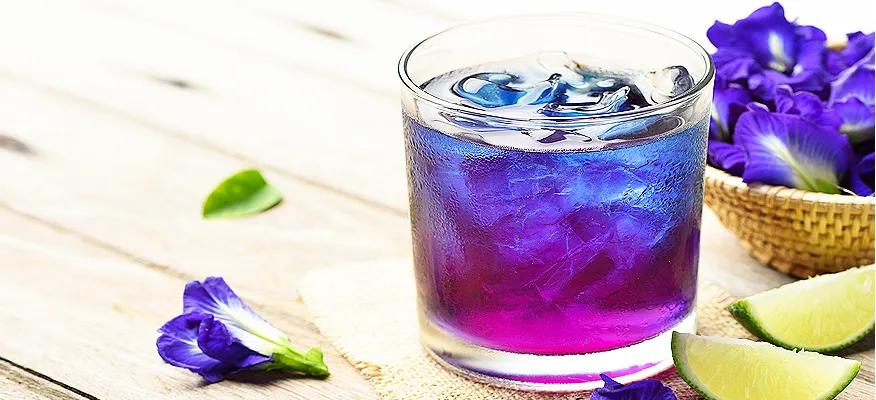
Butterfly pea flower is rich in antioxidants that help fight free radicals and support overall wellness. It may improve brain function, reduce stress, and promote healthy skin. Regular use can also aid digestion and help maintain balanced blood sugar levels.
From ancient herbal remedies in Southeast Asia to homegrown brews in East Africa, nature has always offered powerful solutions to support our well-being.
One such treasure that’s been quietly blooming in backyard gardens and herbal shops alike is the butterfly pea flower.
Known scientifically as Clitoria ternatea, this vibrant blue flower isn’t just eye-catching — it’s a time-tested natural remedy with a range of impressive benefits. You might have spotted it in a calming cup of blue tea in Thailand or heard your grandmother in Uganda talk about its hair-loving properties.
But if you're wondering, “Can something this tiny really make a difference to my health?”—you're about to find out.
From helping your skin glow, to supporting weight management and even giving your hair a natural boost, butterfly pea flower benefits go far beyond the teacup.
What is Butterfly Pea Flower?

Butterfly pea flower, scientifically known as Clitoria ternatea, is a beautiful plant native to tropical equatorial Asia. Renowned for its vibrant blue petals, it's more than just a pretty bloom - it’s also a powerhouse of nutrition and potential health benefits.
The butterfly pea plant is a perennial herb, part of the Fabaceae family. This family also includes other well-known plants like beans, peas, and clovers. The butterfly pea has been an integral part of traditional Asian medicine, especially Ayurveda, for centuries.
Often referred to as 'blue clitoria,' 'butterfly flower,' or 'blue butterfly pea flower,' its unique coloration makes it a popular natural dye in culinary applications across Southeast Asia. The flower's most renowned use, however, is in making the enchanting blue tea.
What does Butterfly Pea Flower Tea taste like?
Butterfly pea flower tea has a mild, earthy flavor with subtle floral notes. It is naturally light and refreshing, making it easy to drink daily. Unlike strong herbal teas, it does not have a bitter taste. Many people enjoy it with lemon, honey, or mint to enhance its flavor and add a refreshing twist.
Nutritional value of Butterfly Pea Flower
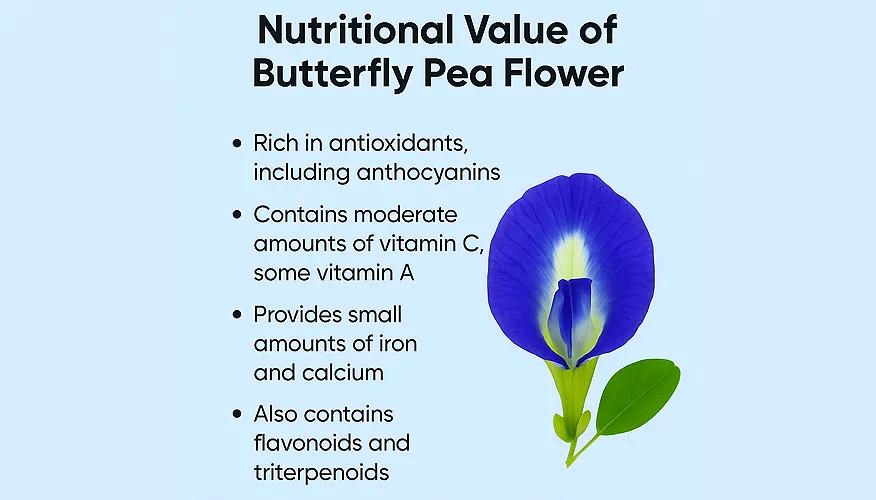
- Butterfly pea flowers are rich in antioxidants, including anthocyanins, flavonoids, and phenolic compounds.
- They contain moderate amounts of vitamin C, some vitamin A in the form of carotenoids like beta-carotene, small amounts of iron, and calcium.
- The flowers also provide minimal protein and a small amount of dietary fiber. Additionally, they contain flavonoids like kaempferol and quercetin, along with triterpenoids.
Top Health Benefits of Butterfly Pea Flower
Butterfly Pea Flower, also known as Clitoria ternatea, is more than just a vibrant blue herb—it’s a powerhouse of natural health benefits. Traditionally used in Ayurvedic and Southeast Asian medicine, Butterfly Pea Flower is gaining global attention for its impressive wellness properties.
From boosting brain function and reducing stress to enhancing skin health and supporting digestion, this herbal flower offers a wide range of benefits backed by both ancient wisdom and modern science.
Here are the top health benefits of Butterfly Pea Flower you should know about:
1. Butterfly Pea Flower Is Rich in Antioxidants
Butterfly pea flower is packed with anthocyanins, the compounds that give it its signature blue color. These antioxidants protect cells from oxidative stress, support skin health, and may slow signs of aging. Daily use can boost immunity and improve overall wellness.
Research suggests that the anthocyanins in butterfly pea flower may help reduce oxidative stress and support overall health.
2. Butterfly Pea Flower Supports Brain and Memory Function
Butterfly pea flower has been traditionally used to enhance mental clarity and cognitive performance. Research suggests it may help improve memory, focus, and overall brain function by supporting acetylcholine activity, a key neurotransmitter involved in learning and information processing. Its natural compounds may also help reduce stress and support a balanced mood, making it beneficial for mental well-being and long-term brain health.
3. Butterfly Pea Flower Helps Reduce Stress and Anxiety
Known for its calming effects, butterfly pea flower tea can help relieve anxiety and promote mental relaxation. It's a natural, caffeine-free way to unwind after a stressful day or before bedtime.
4. Butterfly Pea Flower Has Natural Anti-Inflammatory Properties
Chronic inflammation contributes to many diseases. Butterfly pea flower helps reduce inflammation naturally, making it beneficial for conditions like arthritis, bloating, or general discomfort.
5. Butterfly Pea Flower Improves Skin Health Naturally
Its anti-inflammatory and antioxidant compounds support a clearer, more even-toned complexion. Butterfly pea is also used in natural skincare for its ability to calm redness and promote healthy, glowing skin.

6. Butterfly Pea Flower Promotes Hair Growth and Scalp Health
Flavonoids in butterfly pea flower may stimulate blood flow to the scalp, strengthening hair follicles, and reducing hair thinning. It is often used in herbal hair treatments across Asia.
7. Butterfly Pea Flower May Support Eye Health
Butterfly pea flower is rich in anthocyanins, powerful antioxidants that help improve blood circulation to the eyes and protect retinal health. These compounds may reduce eye strain, support vision clarity, and protect against oxidative damage caused by prolonged screen exposure. Regular consumption may also help maintain overall eye health and reduce the risk of age-related vision issues.
8. Butterfly Pea Flower Aids in Digestion and Detox
Traditionally used as a mild diuretic and digestive aid, butterfly pea flower helps with bloating, flushing toxins, and supporting liver function.
9. Butterfly Pea Flower’s Color-Changing Magic
While not a health benefit, its ability to change from blue to purple when mixed with lemon makes it a fun, visual addition to drinks — perfect for wellness smoothies and herbal teas.
10. Butterfly Pea Flower Helps Regulate Blood Sugar Levels
Butterfly pea flower may support healthy blood sugar levels by helping reduce glucose absorption in the body. Some studies suggest it can lower post-meal blood sugar and insulin spikes, making it beneficial for maintaining stable energy levels. Its antioxidant compounds also help protect cells from oxidative stress, which is often linked to diabetes and metabolic issues.
11. Butterfly Pea Flower Aids in Weight Management
Acting as a natural diuretic and mild laxative, Butterfly Pea Flower supports detoxification, reduces water retention, and may help improve digestion—making it helpful for weight loss efforts.
12. Butterfly Pea Flower Improves Respiratory Health
Traditionally used to relieve coughs and colds, Butterfly Pea Flower may reduce inflammation in the airways, helping manage asthma, bronchitis, and seasonal allergies.
13. Butterfly Pea Flower May Support Cardiovascular Health
Butterfly Pea Flower can help maintain heart health by improving circulation and reducing oxidative damage to blood vessels, potentially supporting healthy blood pressure and cholesterol levels.
14. Butterfly Pea Flower Supports Detox and Liver Health
Butterfly Pea Flower is a natural detoxifier that aids liver function by flushing out toxins and reducing inflammation in liver tissues, promoting better metabolic health.
15. Butterfly Pea Flower May Enhance Mood and Relaxation
Butterfly Pea Flower tea is often used as a calming drink to reduce anxiety and promote restful sleep, thanks to its mild sedative and adaptogenic properties.

Best time to drink butterfly pea flower tea
The best time to drink butterfly pea flower tea depends on your health goals. You can enjoy it in the morning to boost antioxidants and improve focus. Drinking it in the evening can help reduce stress and promote relaxation. Many people also prefer having it after meals to support digestion. Since it is caffeine-free, it can also be consumed before bedtime.
How much butterfly pea flower tea can you drink daily?
Butterfly pea flower tea is generally safe when consumed in moderation. Most people can drink 1 to 2 cups per day, while up to 3 cups may be suitable for some individuals. However, excessive consumption should be avoided. If you are pregnant, breastfeeding, or taking medication, it is best to consult a healthcare professional before regular use.
Uses of butterfly pea flower
Butterfly Pea Flower is a versatile herb used in many traditional and modern applications. Its vivid blue color, rich antioxidant content, and calming properties make it popular in both health and lifestyle products. Here are some of the most common uses of Butterfly Pea Flower:
1. Herbal Tea and Beverages
Butterfly Pea Flower is widely brewed as a caffeine-free herbal tea. It can be served hot or cold and often mixed with lemon or honey. Adding lemon juice changes its color from blue to purple, making it a fun and healthy drink.
2. Natural Food Coloring
Thanks to its vibrant pigment, Butterfly Pea Flower is used as a natural food coloring in smoothies, desserts, rice dishes, and cocktails—without any synthetic additives.
3. Skincare and Beauty Products
The flower’s antioxidant and anti-inflammatory properties make it a popular ingredient in facial masks, creams, and serums designed to brighten skin, calm redness, and improve complexion.
4. Hair Care Products
Butterfly Pea Flower extract is often added to shampoos and hair oils to support healthy hair growth, reduce dandruff, and prevent premature greying.
5. Traditional Medicine
In Ayurveda and traditional Thai medicine, Butterfly Pea Flower is used to improve memory, reduce stress, support digestion, and treat minor respiratory issues.
6. Supplements and Capsules
For those who prefer convenience, Butterfly Pea Flower is available in capsule or powder form to promote overall wellness, including mental clarity and immune support.
Butterfly pea tea vs green tea: which is better?
Both butterfly pea tea and green tea offer health benefits, but they serve different purposes.
- Butterfly pea tea is caffeine-free and ideal for relaxation and stress relief
- Green tea contains caffeine and is better for energy and metabolism
- Both are rich in antioxidants, but butterfly pea tea is known for its calming properties
- Green tea may support weight loss more actively, while butterfly pea tea supports overall wellness
Choosing between the two depends on your lifestyle and health goals.
How to Enjoy Butterfly Pea Flower: The Best Ways to Consume
Butterfly Pea Flower is not only rich in health benefits but also incredibly easy to add to your daily routine. Whether you prefer sipping herbal tea or experimenting in the kitchen, here are some of the best ways to enjoy this vibrant blue flower:
1. Butterfly Pea Flower Tea
The most popular method is brewing the dried flowers into a soothing herbal tea. Just steep 5–6 dried flowers in hot water for 5–10 minutes. Add lemon juice to see the magical color change from blue to purple.
2. Butterfly Pea Iced Drinks and Lattes
You can blend Butterfly Pea Flower tea with honey, coconut milk, or lime for refreshing iced drinks or colorful lattes. It's a healthy alternative to sugary beverages.
3. Smoothies and Detox Waters
Add brewed Butterfly Pea tea to your smoothies or detox water for a nutritional boost and a splash of color. It pairs well with ingredients like cucumber, mint, and citrus fruits.
4. Baking and Cooking
Use Butterfly Pea Flower powder to color rice, noodles, or baked goods naturally. It’s a fun, chemical-free way to make your dishes visually appealing.
5. Capsules or Powder Supplements
For convenience, Butterfly Pea Flower is available in supplement form. These can be added to your routine if you’re looking for a consistent dose of antioxidants and wellness support.
6. Infused Ice Cubes
Freeze the brewed tea into ice cubes and add them to water, lemonade, or cocktails. As they melt, they release beautiful color and subtle flavor.
Side effects and Precautions of Butterfly Pea Flower
Here are a few side effects of consuming butterfly pea flower:
- Mild digestive issues: Overconsumption may cause nausea, stomach pain, or diarrhea, though these effects are rare and not strongly supported by research.
- Allergic reactions: Some individuals may experience itching, swelling, or trouble breathing. Discontinue use and consult a healthcare provider if allergic symptoms occur.
- Pregnancy and breastfeeding: Insufficient research exists on its safety during pregnancy or breastfeeding. It is recommended to avoid it unless advised by a doctor.
- Drug interactions: Butterfly pea flower may interact with medications, especially anticoagulants or other herbs. Consult a healthcare provider if on medication.
- Toxicity from seeds: The seeds contain oils that can cause vomiting or diarrhea if ingested, particularly in children or individuals with weak immunity.
- Excessive consumption: Overconsumption of anthocyanins in the flower may cause adverse reactions. Limit intake to 1–3 cups of tea or 1–2 dried flowers per day.
Here are some precautions to keep in mind when using butterfly pea flower:
- Consume in moderation to avoid side effects.
- Consult a doctor before using if you have serious health conditions like diabetes, Alzheimer’s, or cancer.
- Avoid during pregnancy, menstruation, or before surgery due to potential risks.
- Test for allergic reactions if you have a history of plant-based allergies.
- Keep butterfly pea seeds away from children to prevent accidental ingestion.
- Always consult a healthcare provider before use if pregnant, breastfeeding, taking medications, or dealing with health conditions.
How to make Butterfly Pea Flower Tea?
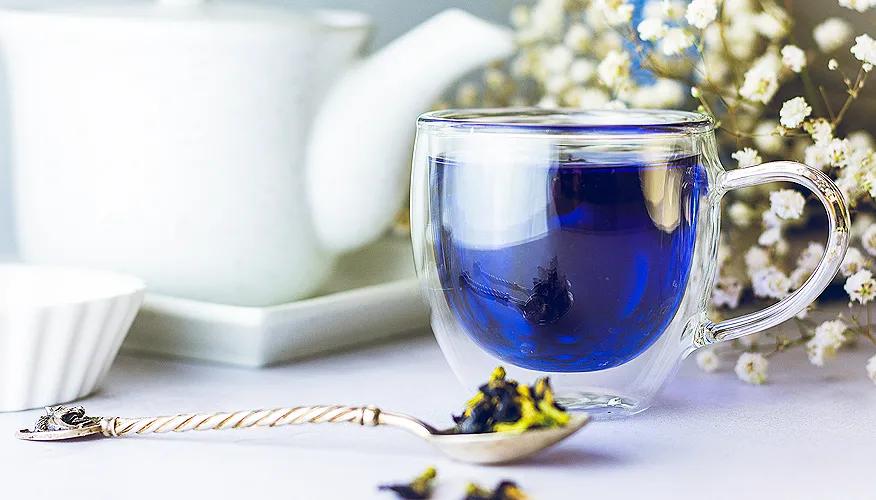
Here’s how to make butterfly pea flower tea:
- Boil water and let it cool slightly to around 200°F (93°C).
- Place 1-2 teaspoons of dried butterfly pea flowers in a teapot or mug.
- Pour the hot water over the flowers.
- Let it steep for 5-10 minutes, depending on how strong you want the color and flavor.
- Strain the tea to remove the flowers.
- Enjoy the vibrant blue tea as is or add a squeeze of lemon or honey for extra flavor.
Who should avoid butterfly pea flower tea?
Although butterfly pea flower tea is generally safe, certain individuals should be cautious. Pregnant and breastfeeding women should avoid it unless advised by a healthcare professional. People taking medications, especially for blood sugar or blood thinning, should consult a doctor before use. Those with plant-based allergies should also test small amounts first to avoid reactions.
Want to enjoy the benefits of butterfly pea flower? Start by adding a cup of this vibrant herbal tea to your daily routine and experience its natural wellness effects.
Conclusion
The butterfly pea flower, with its attractive appearance and multitude of health benefits, makes it a valuable addition to many diets.
Its antioxidant properties and rich traditional medicinal use highlight its potential as a natural remedy. However, more research is needed to fully understand all of its effects and ensure safe consumption.
Remember, as with any health supplement or dietary change, it's crucial to consult with a healthcare professional before incorporating butterfly pea flower into your routine.
This ensures you reap the butterfly pea flower benefits while avoiding any potential side effects.
This ensures you reap the butterfly pea flower benefits while avoiding any potential side effects.
Meet our expert

Meet our expert
Song has been practising as a nutritionist with more than 12 years of experience. She
holds a Bachelor of Nutrition & Community Health with Distinction from University
Putra Malaysia and experience in conducting product training, giving health talk to the
public on health-related topic, and providing nutritional consultations to the customers.



How was the experience with article?
We'd love to know!