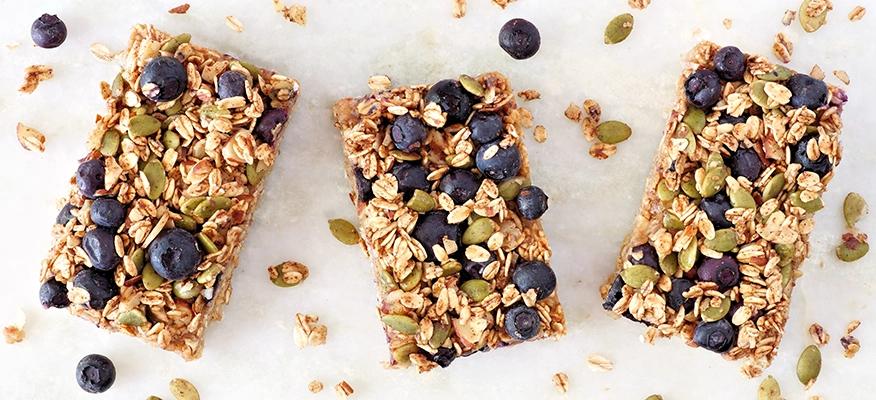
Protein bars have become a go-to snack for health-conscious individuals, offering a convenient way to supplement protein for muscle building, weight loss, or meal replacement. However, not all protein bars are created equal.
While many commercial bars boast high protein, fiber, and essential nutrients, some are laden with added sugars, artificial sweeteners, and unhealthy fats that can diminish their health benefits.
To make informed dietary choices, it’s important to evaluate the ingredients and consider the benefits of homemade protein bars.
In this blog, we’ll explore whether protein bars are truly good for you, identify potential drawbacks, and provide a simple protein bar recipe to create your nutritious bars at home.
Are protein bars good for you?
Are protein bars healthy? Well, the healthiness of protein bars largely depends on their ingredients and nutritional profile.
Many commercial protein bars are high in protein, fiber, and essential vitamins and minerals, making them a convenient option for those needing a quick nutrient boost.
However, some bars contain high levels of added sugars, artificial sweeteners, and unhealthy fats, which can negate their potential benefits.

Do protein bars raise blood sugar?
Protein bars with high sugar content can cause spikes in blood sugar levels, leading to energy crashes and increased hunger.
Conversely, bars low in sugar and high in fiber and protein like homemade protein bars can help stabilize blood sugar levels.
It's crucial to read labels carefully to choose options that won't adversely affect blood glucose.
What ingredients make protein bars unhealthy?
Ingredients that can diminish the health benefits of protein bars include:
- Added sugars: Excessive sugar can lead to weight gain and increased risk of chronic diseases.
- Artificial sweeteners: Some may cause digestive issues and negatively impact gut health.
- Unhealthy fats: Such as palm oil, which is high in saturated fats, raising the risk of high cholesterol and heart disease.
- Artificial additives: Preservatives and colorings that may have adverse health effects.
Are protein bars good for weight loss?
Wondering are protein bars good for weight loss?
Well, protein bars can aid in weight loss by promoting satiety, reducing appetite, and providing a controlled portion size.
However, it's essential to choose bars low in sugar and calories and high in protein and fiber to support weight loss goals effectively.
Why make homemade protein bars? Why not store-bought?
Homemade protein bars offer several advantages over store-bought options, including:
Control over ingredients: Crafting your protein bars allows you to select high-quality, natural ingredients, ensuring the absence of unwanted additives, preservatives, and excessive sugars often found in commercial products.
Customization: Homemade protein bars can be tailored to meet specific dietary needs and taste preferences. Whether you require gluten-free, vegan, or low-carb options, you have the flexibility to adjust recipes accordingly.
Cost-effectiveness: While the initial purchase of ingredients may seem costly, making protein bars at home can be more economical in the long run. Producing bars in batches reduces the cost per unit compared to purchasing individual store-bought bars.
Freshness and quality: Homemade protein bars are free from the preservatives that extend shelf life in commercial products, resulting in fresher and potentially more nutritious snacks.
Avoidance of allergens and unwanted additives: Many manufactured protein bars contain allergens, making them unsafe for those who are sensitive. Additionally, the bars can contain high amounts of sugar, sugar alcohols, and food colors that some may want to avoid.
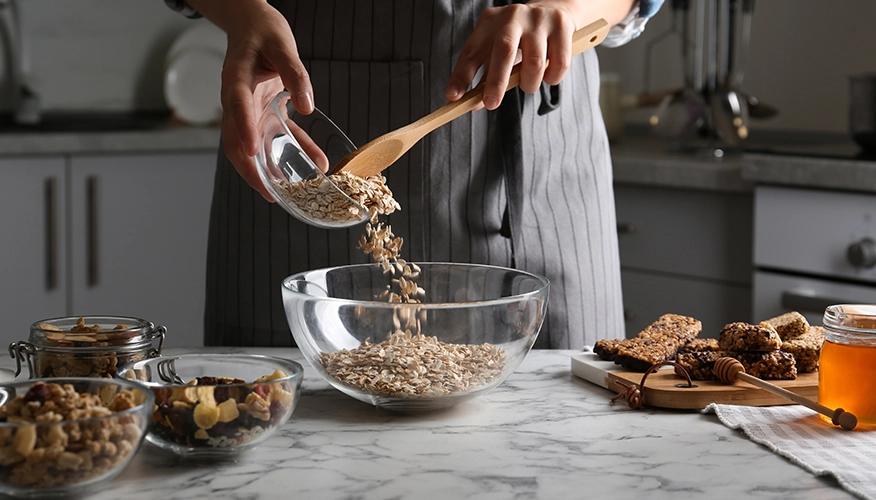
How to make protein bars: basic ingredients
Worried of how to make protein bars? Creating homemade protein bars are easy and typically involves:
- Protein Source: Such as protein powder, nuts, or seeds.
- Binding Agent: Like nut butter or dates to hold the mixture together.
- Carbohydrates: Oats or dried fruits for energy.
- Flavorings: Cocoa powder, vanilla extract, or spices for taste.
Simple protein bar recipe: A step-by-step guide
Here’s a simple step-by-step homemade protein bars recipe you can follow:
Ingredients:
- 1 cup rolled oats
- 1/2 cup protein powder of choice
- 1/2 cup natural peanut butter
- 1/4 cup honey or maple syrup
- 1/4 cup dark chocolate chips (optional)
Instructions:
- Mix Dry Ingredients: Combine oats and protein powder in a bowl.
- Add Wet Ingredients: Stir in peanut butter and honey until well combined.
- Add Chocolate Chips: Fold in dark chocolate chips if using.
- Form Bars: Press the mixture into a lined baking dish, ensuring it's evenly spread.
- Chill: Refrigerate for at least an hour until firm.
- Cut and Store: Cut into bars and store in an airtight container in the fridge.
Low carb protein bars: Recipe variations
Creating low-carb homemade protein bars allows you to enjoy a nutritious snack while adhering to your dietary preferences. Here are some ingredient substitutions and additions to consider:
- Flour Alternatives: Replace traditional oats with almond flour or coconut flour to reduce carbohydrate content. These flours are low in carbs and provide a pleasant texture.
- Natural Sweeteners: Opt for low-carb sweeteners like stevia, erythritol, or monk fruit to add sweetness without increasing blood sugar levels.
- Flavor Enhancers: Incorporate unsweetened shredded coconut, chopped nuts, or seeds to add texture, healthy fats, and additional protein. These ingredients contribute to satiety and flavor.
Sample Low-Carb Protein Bar Recipe:
Ingredients:
- 1 cup almond flour
- 1/2 cup vanilla protein powder
- 1/2 cup natural almond butter
- 1/4 cup sugar-free maple syrup
- 1/4 cup unsweetened shredded coconut
- 1/4 cup chopped walnuts
Instructions:
- Combine dry ingredients: In a bowl, mix almond flour, protein powder, shredded coconut, and chopped walnuts.
- Add wet ingredients: Stir in almond butter and sugar-free maple syrup until a dough forms.
- Form bars: Press the mixture into a lined baking dish, ensuring an even layer.
- Chill: Refrigerate for at least an hour until firm.
- Serve: Cut into bars and enjoy.
Sugar-free and gluten-free protein bar options
For those seeking both sugar free protein bars and gluten free bars, consider the following ingredient choices:
- Sweeteners: Utilize natural, sugar-free alternatives such as monk fruit sweetener or stevia to maintain sweetness without added sugars.
- Flour Choices: Opt for gluten-free flours like almond flour or certified gluten-free oats to ensure the bars are suitable for gluten-sensitive individuals.
- Add-ins: Incorporate dried fruits without added sugars, nuts, seeds, or sugar-free chocolate chips to enhance flavor and nutritional value.
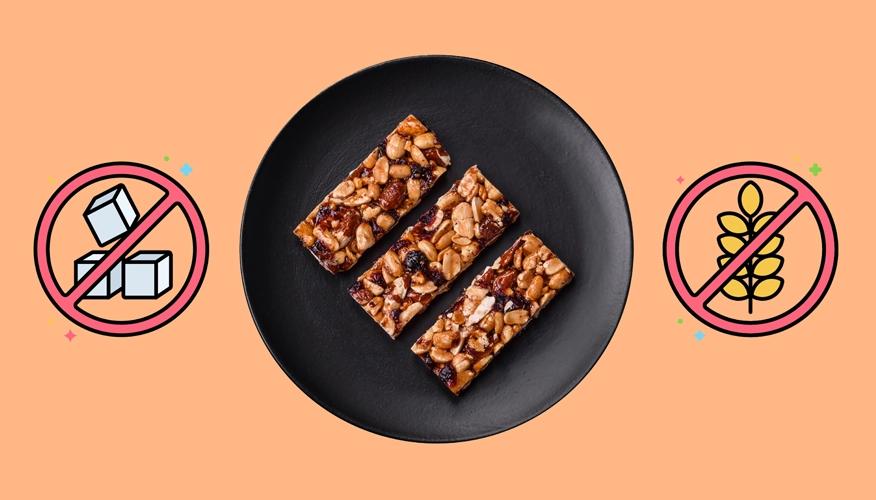
Sample Sugar-Free and Gluten-Free DIY protein bars:
Ingredients:
- 1 cup gluten-free oats
- 1/2 cup chocolate protein powder
- 1/2 cup natural peanut butter
- 1/4 cup sugar-free maple syrup
- 1/4 cup unsweetened almond milk
- 1/4 cup sugar-free chocolate chips
Instructions:
- Mix dry ingredients: Combine gluten-free oats and protein powder in a bowl.
- Add wet ingredients: Stir in peanut butter, sugar-free maple syrup, and almond milk until well combined.
- Fold in chocolate chips: Incorporate sugar-free chocolate chips into the mixture.
- Form bars: Press the mixture into a lined baking dish, creating an even layer.
- Chill: Refrigerate for at least an hour until set.
- Serve: Cut into bars and enjoy.
Customizing your homemade protein bars with these ingredient variations allows you to create snacks that align with your dietary needs and taste preferences, ensuring both health benefits and enjoyment.
Conclusion
Protein bars can be a healthy addition to your diet, provided you make mindful choices about their ingredients and nutritional content.
Commercial options can be convenient, but they often come with hidden sugars, unhealthy fats, and artificial additives. Homemade protein bars stand out as a superior alternative, offering control over ingredients, cost-effectiveness, and customization to suit specific dietary preferences.
By crafting your own, you ensure a wholesome snack that aligns with your health goals and taste preferences.
Whether you’re seeking low-carb, sugar-free, or gluten-free options, the recipes shared here are a great starting point to enjoy the benefits of protein bars without the drawbacks of store-bought versions.
Meet our expert

Meet our expert
Dr. Irina Borisovna Stefanenko, a medical doctor based in Ukraine, graduated from Vinnitsa State Medical University in 1995. Between 1995 and 2000, Dr. Stefanenko pursued postgraduate studies and engaged in scientific activities at Vinnytsa Medical University in Ukraine.


How was the experience with article?
We'd love to know!