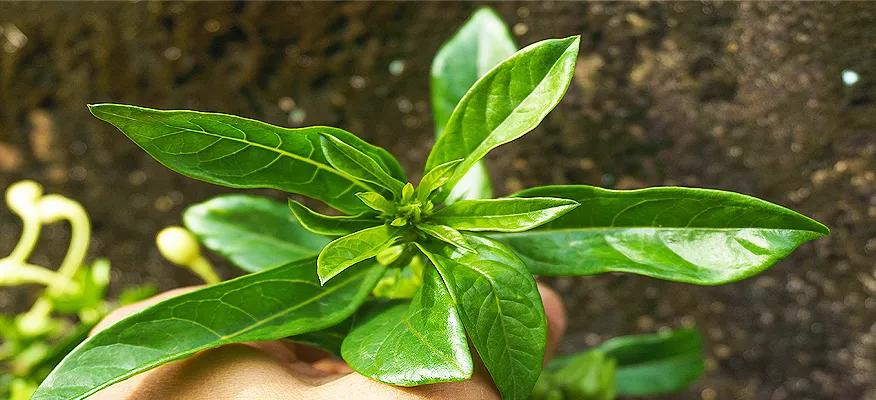
Kacip Fatimah is a traditional herb native to Malaysia, widely used in Southeast Asian medicine. It is traditionally used to maintain a healthy female reproductive system, help tighten and lubricate, and enhance sexual function. Rich in phytoestrogens and isoflavones, Kacip Fatimah may ease menopausal symptoms and improve women’s reproductive health. Studies also show it has anti-cancer, antioxidant, and anti-inflammatory properties, making it valuable for various medical uses.
In this article, we explore the many health benefits of Kacip Fatimah and why it deserves a place in your daily wellness routine.
What is Kacip Fatimah?
Kacip Fatimah (Labisia pumila) is a traditional medicinal herb native to Southeast Asia, especially Malaysia and Indonesia. It has been used for centuries in Malay herbal medicine to support women’s health. The plant typically grows in tropical rainforests and is known for its small, leafy appearance and delicate pink flowers.
The roots, leaves, and stems of Kacip Fatimah are commonly used to prepare herbal remedies. Rich in phytoestrogens, antioxidants, and flavonoids, this plant is best known for its natural ability to balance female hormones, strengthen the reproductive system, and ease menstrual or menopausal symptoms. It is also widely used by women after childbirth to promote postpartum recovery.
In modern times, Kacip Fatimah is available in the form of capsules, teas, powders, and tonics. Scientific research continues to explore its potential in areas like hormone regulation, sexual wellness, and anti-aging.
Overall, Kacip Fatimah is regarded as a female-friendly herbal remedy that supports overall vitality, emotional well-being, and reproductive health naturally.
Labisia pumila, widely known as Kacip Fatimah, is a small, woody plant from the Primulaceae family, native to Southeast Asia—particularly Malaysia. It grows in clusters, often with solitary or few branches, and develops fine, hairy roots. Its oblong leaves, furry underneath, can reach up to 20–40 cm in length.
Kacip Fatimah thrives in moist, loamy soils and prefers shaded environments. There are three main varieties: Labisia pumila var. alata, var. lanceolata, and var. pumila. Locally, it goes by several names, including Selusoh Fatimah, Pokok Ringgang, Rumput Palis, and Tadah Matahari.
Traditionally, women have consumed Kacip Fatimah as a herbal tea or decoction, especially during pregnancy and postpartum recovery. Today, it’s also available in capsules, powders, and tablet form for easier use.
Kacip Fatimah Benefits for Women’s Health
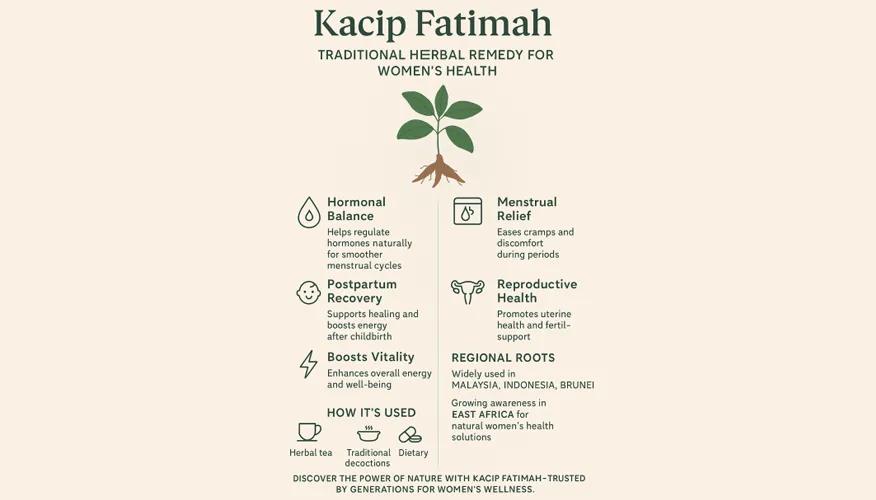
One of the most well-known uses of Kacip Fatimah is for supporting women’s health. It is traditionally used to regulate menstrual cycles, reduce menstrual pain, and improve fertility. The herb contains phytoestrogens—plant compounds that mimic estrogen in the body—which may help balance female hormones. Many women also use Kacip Fatimah during the postpartum period to promote uterine contraction and speed up recovery after childbirth. Here's a more detailed look at the potential benefits of Kacip Fatimah (Labisia pumila):
1. Kacip Fatimah Strengthens and Heals the Vagina
Kacip Fatimah is traditionally used by women in Southeast Asia to tighten and revitalize the vaginal area. It contains natural plant-based estrogens (phytoestrogens) that stimulate collagen production and enhance elasticity in vaginal tissues. This action helps strengthen the vaginal walls, especially beneficial after childbirth or during menopause when estrogen levels decline, leading to looseness or dryness. Regular intake can aid in restoring vaginal health and improving overall comfort.
2. Kacip Fatimah Relieves Vaginal and Abdominal Muscle Strain
Many women experience abdominal and vaginal muscle weakness after childbirth or due to hormonal changes. Kacip Fatimah is known to support the repair of damaged tissues and restore muscle tone in these areas. It promotes elasticity and firmness, which can ease pain and discomfort. Additionally, it naturally boosts testosterone levels in women, enhancing sexual desire and improving overall sexual wellness and satisfaction.
3. Kacip Fatimah Balances Female Hormones
Hormonal imbalances can cause a range of issues, including irregular periods, mood swings, fertility problems, and menopausal symptoms. Kacip Fatimah helps regulate key hormones like estrogen, luteinizing hormone (LH), and follicle-stimulating hormone (FSH). This balance supports regular menstrual cycles, improves ovulation, and reduces hot flashes and night sweats, making it especially helpful for women going through perimenopause or menopause.
4. Kacip Fatimah Eases Menstrual Pain and Discomfort
Kacip Fatimah’s anti-inflammatory properties help soothe common period symptoms such as cramps, bloating, and back pain. By relaxing uterine muscles and promoting healthy blood flow, it reduces menstrual discomfort without the side effects of synthetic pain relievers. This natural approach to menstrual care makes it a preferred option for many women seeking herbal alternatives.
5. Kacip Fatimah Aids in Postpartum Recovery
After childbirth, the body undergoes significant changes. Kacip Fatimah supports this recovery process by helping the uterus contract back to its normal size, toning abdominal muscles, and stabilizing fluctuating hormone levels. This promotes faster healing, improves mood, and helps women regain their strength and vitality more quickly after delivery.
6. Kacip Fatimah Boosts Libido and Sexual Wellness
Hormonal imbalances, stress, and age can reduce libido in women. Kacip Fatimah is known for its aphrodisiac effects, enhancing sexual arousal, lubrication, and overall satisfaction. By boosting estrogen and testosterone levels naturally, it improves sexual function and intimacy, especially for women experiencing a low sex drive due to menopause, stress, or chronic fatigue.
7. Kacip Fatimah Is Rich in Antioxidants
Kacip Fatimah contains a high concentration of antioxidants such as flavonoids and phenolic compounds. These help neutralize free radicals in the body, reducing oxidative stress and cellular damage. Antioxidants are crucial for slowing the aging process, protecting tissues from inflammation, and lowering the risk of chronic diseases such as cancer and diabetes.
8. Anti-Inflammatory Property of Kacip Fatimah
Kacip Fatimah is known for its powerful anti-inflammatory property, which plays a vital role in supporting overall health. Inflammation is the body’s natural defense against injury or infection, but when it becomes chronic, it can contribute to health problems like joint pain, arthritis, and heart disease.
The herb contains active compounds such as flavonoids, phenolic acids, and saponins that help reduce inflammation in the body. These natural agents work by lowering the production of inflammatory markers, helping to ease pain and swelling without the side effects of conventional medications.
Traditionally, Kacip Fatimah has been used to relieve symptoms of muscle aches, menstrual cramps, and other discomforts linked to inflammation. Its regular use may support the body’s healing process, boost immune response, and contribute to long-term wellness.
9. Kacip Fatimah Strengthens the Immune System
Kacip Fatimah has powerful antimicrobial, antibacterial, and anti-inflammatory properties. These strengthen the body’s defense system and help fight off infections—especially urinary tract and vaginal infections. Its immune-enhancing effects also help accelerate wound healing and tissue regeneration, making it valuable for women recovering from illness or surgery.
10. Kacip Fatimah Supports Healthy Cholesterol Levels
Research suggests that Kacip Fatimah may improve lipid profiles by lowering bad cholesterol (LDL) and triglycerides while supporting healthy HDL cholesterol. By improving blood flow and reducing fat buildup in arteries, it supports heart health and reduces the risk of cardiovascular conditions like hypertension, stroke, and atherosclerosis.
11. Reproductive Health Benefits of Kacip Fatimah
Kacip Fatimah is widely known for its positive effects on female reproductive health. Traditionally used in Malay herbal medicine, this plant has long been valued for helping women manage menstrual issues, improve fertility, and support postnatal recovery.
One of the key benefits of Kacip Fatimah is its ability to help regulate menstrual cycles and reduce symptoms such as cramps, bloating, and fatigue. The herb contains natural phytoestrogens—plant-based compounds that mimic estrogen in the body. These compounds may help balance hormones, making it especially beneficial for women experiencing irregular periods or symptoms of hormonal imbalance.
Kacip Fatimah is also commonly used by women after childbirth. It is believed to help tone and strengthen the uterus, speed up recovery, and restore energy levels. In some traditional practices, it is used as part of postnatal care to improve overall reproductive health and well-being.
Additionally, some studies suggest that Kacip Fatimah may enhance fertility by improving hormone levels and reproductive function, although more research is needed to confirm these effects scientifically.
12. Kacip Fatimah for Postmenopausal Symptoms
Kacip Fatimah is increasingly recognized for its potential to ease postmenopausal symptoms in women. As estrogen levels naturally decline after menopause, many women experience a range of uncomfortable symptoms, including hot flashes, night sweats, mood swings, fatigue, and reduced bone density.
This traditional herb contains phytoestrogens—plant-based compounds that mimic the effects of estrogen in the body. These compounds may help restore hormonal balance, offering natural relief from common postmenopausal discomforts. Some studies suggest that Kacip Fatimah can improve mood, boost energy levels, and enhance overall well-being during this transitional phase.
In addition to hormonal support, Kacip Fatimah’s antioxidant and anti-inflammatory properties may protect against age-related health concerns, such as weakened bones and cardiovascular issues. By supporting both physical and emotional health, Kacip Fatimah offers a natural, holistic approach to managing postmenopausal symptoms.
13. Estrogen-like Effects of Kacip Fatimah
One of the most significant properties of Kacip Fatimah is its estrogen-like effects, which contribute to many of its health benefits for women. The herb contains phytoestrogens—plant-derived compounds that mimic the function of estrogen in the human body. These compounds interact with estrogen receptors and can help regulate hormonal activity, especially during times when natural estrogen levels are low.
This effect is particularly useful for women experiencing hormonal imbalances, such as those with irregular menstrual cycles, fertility challenges, or symptoms related to menopause. By mimicking estrogen, Kacip Fatimah may help relieve issues like hot flashes, mood swings, and vaginal dryness commonly seen in postmenopausal women.
Moreover, these estrogen-like properties may also support bone health, maintain skin elasticity, and enhance reproductive function. While not a replacement for hormone therapy, Kacip Fatimah offers a natural alternative that may gently support hormonal balance without synthetic hormones.
14. Kacip Fatimah Supports Mental Health and Mood
The hormonal-balancing effects of Kacip Fatimah also benefit mental well-being. It helps stabilize mood swings, reduces stress and anxiety, and promotes a sense of calm. These effects are particularly helpful for women facing emotional fluctuations related to PMS, perimenopause, or menopause. Some women report better sleep and reduced feelings of depression after using Kacip Fatimah regularly.
15. Kacip Fatimah Improves Skin and Hair Health
Thanks to its antioxidant content, Kacip Fatimah helps reduce skin inflammation, soothe rashes, and prevent acne. It may improve skin elasticity and slow down signs of aging like wrinkles and dryness. When applied topically or consumed, it also benefits the hair by reducing scalp irritation, boosting hair strength, and preventing hair loss related to hormonal imbalance.
16. Kacip Fatimah Supports Digestive Health
Kacip Fatimah has gentle laxative properties and aids digestion by reducing bloating, gas, and indigestion. Its fiber and detoxifying compounds help flush toxins from the digestive tract, support healthy gut flora, and promote regular bowel movements—enhancing overall digestive function and nutrient absorption.
17. Kacip Fatimah Increases Energy and Stamina
Fatigue is a common issue among women due to stress, poor sleep, or hormonal fluctuations. Kacip Fatimah is traditionally used as a natural energy booster. It increases metabolic activity, improves endurance, and combats tiredness without causing jitteriness or dependency—unlike caffeine-based stimulants.
18. Kacip Fatimah Provides Holistic Wellness
Kacip Fatimah is more than a physical remedy—it supports the body, mind, and spirit. It enhances physical strength, balances emotions, supports hormonal health, and promotes vitality. This makes it an ideal choice for women looking to improve overall well-being naturally and sustainably.
19. Kacip Fatimah Holds Deep Cultural Importance
Kacip Fatimah is deeply rooted in Malay tradition, where it is considered a sacred herb for women. It’s used in traditional postnatal care, fertility rituals, and as a general health tonic. This historical and cultural reverence adds to its value and credibility in herbal medicine.
20. Kacip Fatimah Regulates Hormones
Kacip Fatimah is traditionally used to support hormonal balance in women, especially during menstruation, postpartum recovery, and menopause. It helps regulate female hormones like estrogen, which can ease symptoms such as mood swings, fatigue, hot flashes, and irregular periods.
Modern studies back this traditional use, showing that Kacip Fatimah can modulate hormone levels effectively. Research indicates it may reduce luteinizing hormone (LH) and follicle-stimulating hormone (FSH) while increasing estradiol and testosterone levels. These effects are similar to mild estrogen therapy but without the risks associated with synthetic hormones. This makes Kacip Fatimah a promising natural remedy for hormone-related disorders and menopause symptoms.
21. Kacip Fatimah Promotes Detoxification and Gut Health
Detoxifying the body is essential for good health, and Kacip Fatimah supports this by helping remove metabolic waste and toxins. Its phytochemicals enhance liver function, improve digestion, and reduce inflammation in the gastrointestinal tract, helping you feel lighter and more energized.
22. Kacip Fatimah May Help Prevent Chronic Diseases
Due to its antioxidant and anti-inflammatory compounds, Kacip Fatimah may reduce the risk of several chronic diseases, including osteoporosis, heart disease, and type 2 diabetes. Its estrogen-like effects can help maintain bone density and cardiovascular function in postmenopausal women, making it a valuable preventive supplement.
23. Kacip Fatimah Helps Regulate Blood Sugar Levels
Kacip Fatimah has shown potential in helping regulate blood glucose levels, particularly in women with insulin resistance or Type 2 diabetes. The herb's phytoactive compounds may improve insulin sensitivity, allowing better glucose uptake by cells. Some early studies also suggest that Kacip Fatimah may inhibit enzymes involved in carbohydrate breakdown, which helps reduce sugar spikes after meals. This makes it a valuable natural option for managing blood sugar while supporting overall metabolic health.
24. Kacip Fatimah Supports Bone Health
As estrogen levels decline with age or menopause, women become more prone to bone thinning and osteoporosis. Kacip Fatimah contains phytoestrogens that mimic the action of natural estrogen in the body. These compounds help maintain bone mineral density by supporting calcium retention and bone regeneration. This makes Kacip Fatimah a promising natural aid in reducing the risk of bone-related issues, particularly in aging women.
25. Kacip Fatimah Reduces Water Retention
Women often experience bloating and fluid retention before menstruation, during hormonal shifts, or in the postpartum period. Kacip Fatimah acts as a gentle natural diuretic, helping the body eliminate excess fluids without depleting essential minerals. This reduces swelling in the hands, feet, and abdomen while supporting a more balanced internal environment. It’s especially helpful for women looking to manage premenstrual or postpartum discomfort naturally.
26. Kacip Fatimah Enhances Fertility in Women
Fertility depends on healthy hormone levels, regular ovulation, and optimal reproductive tract function. Kacip Fatimah has long been used in traditional medicine to support female fertility. It helps regulate the menstrual cycle, stimulate ovulation, and improve uterine tone. The herb also enhances vaginal lubrication and hormonal harmony, creating a more favorable environment for conception. Women trying to conceive may benefit from this natural fertility booster.
27. Kacip Fatimah Supports Weight Management
By improving metabolism and supporting hormonal balance, Kacip Fatimah may aid in weight control. It enhances fat breakdown and energy conversion while reducing the likelihood of fat accumulation due to estrogen imbalance. Its detoxifying effect also helps cleanse the digestive system, promoting a lighter, more energized body. Although not a standalone weight-loss remedy, it complements a healthy lifestyle and can support women managing hormonal weight gain.
28. Kacip Fatimah May Reduce Risk of UTI (Urinary Tract Infection)
Due to its antimicrobial and anti-inflammatory properties, Kacip Fatimah can support urinary tract health. It helps inhibit the growth of harmful bacteria in the bladder and urinary passage, potentially lowering the risk of recurrent UTIs. In addition, its role in vaginal and reproductive health extends to maintaining the natural flora of the urinary system. Women prone to infections may find it useful as part of their preventive care.
29. Kacip Fatimah Enhances Blood Circulation
Good circulation is key to energy, skin health, and tissue healing. Kacip Fatimah improves blood flow by dilating blood vessels and reducing inflammation. This helps deliver more oxygen and nutrients to tissues while aiding in the removal of waste products. Better circulation not only supports cardiovascular health but also contributes to radiant skin, sharper mental focus, and improved reproductive function. It’s especially beneficial for women experiencing cold hands and feet or low energy.
Nutritional Profile of Kacip Fatimah
- Kacip Fatimah is primarily recognized for its rich phytochemical composition rather than for being a source of macronutrients.
- Nonetheless, its extracts contain up to 85.5% carbohydrates, making them the major macronutrient, while proteins are present in smaller quantities.
- The plant also offers notable micronutrients, especially iron. Trace amounts of essential vitamins such as vitamin C (ascorbic acid) and β-carotene contribute to its antioxidant capacity, supporting cellular protection and immune health.
- Beyond its basic nutritional components, Kacip Fatimah is especially rich in bioactive compounds.
- These include flavonoids like quercetin, kaempferol, rutin, and catechin, which are known for their antioxidant and anti-inflammatory effects.
- Phenolic acids such as gallic acid and protocatechuic acid also contribute to its health-promoting properties.
- Additionally, the presence of anthocyanins, saponins, phytoestrogens, triterpenoids, and alkenyl resorcinols adds further functional value.
- Together, these compounds form a complex phytochemical matrix that enhances the herb's nutritional significance beyond conventional vitamins and minerals.
How to use Kacip Fatimah?
Kacip Fatimah can be consumed in various forms, each offering unique ways to experience its traditional and modern health benefits.
- Herbal tea or drink: Kacip Fatimah is traditionally consumed as a tea by boiling dried leaves or roots. This method is popular for its natural hormone-balancing effects, and many users report benefits such as improved energy and menstrual regulation.
- Capsules and tablets: Standardized Kacip Fatimah extract is commonly found in capsule or tablet form. These are convenient for daily use and support hormonal health, especially in women.
- Powder form: The powdered version can be mixed into smoothies or warm drinks. It offers similar benefits to other forms, supporting overall wellness through its antioxidant and phytoestrogen content.
- Liquid extracts: Tinctures or liquid extracts allow for quick absorption and flexible dosing. They are often used to target specific Kacip Fatimah benefits, such as mood support and energy enhancement.
- Coffee and blends: Kacip Fatimah is also included in herbal coffee blends and paired with manjakani for added benefits. Kacip fatimah coffee benefits include increased stamina, while Kacip Fatimah manjakani benefits support postnatal recovery and feminine wellness.
Recommended form of Kacip Fatimah
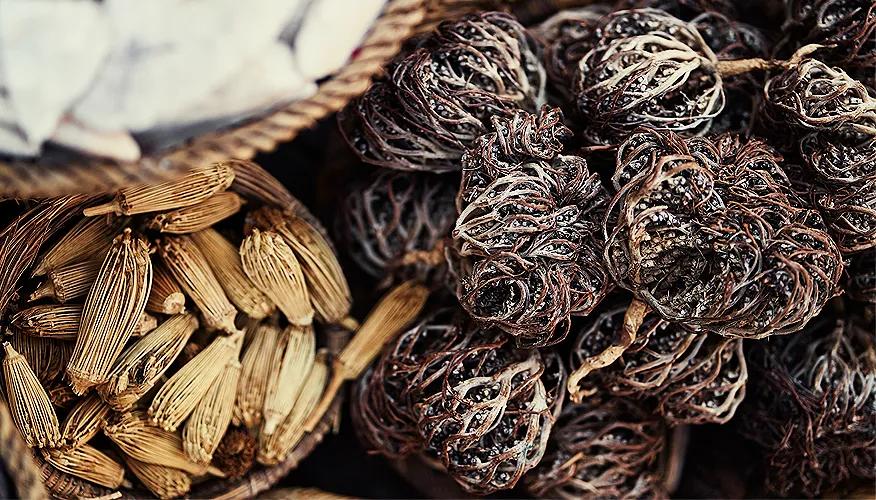
Kacip Fatimah is available in various forms, each offering distinct benefits depending on user preference. The most commonly recommended are:
- Powdered extract: Standardized Kacip Fatimah extract is often produced via water extraction, yielding a 4:1 concentration. This form is stable, easy to dose, and commonly used in supplements and functional foods. It supports core Kacip Fatimah extract benefits like energy enhancement and hormonal balance.
- Capsules and tablets: Capsules and tablets offer convenience and precise dosing, and are widely used in women’s health products as they are approved for adult use, except during pregnancy or breastfeeding. Consistent use may offer Kacip Fatimah benefits such as reduced menopausal discomfort and increased stamina.
- Herbal tea and decoction: Boiling the leaves or roots as a tea remains a popular traditional method. This natural preparation highlights key Kacip Fatimah drink benefits, including menstrual support and postnatal recovery.
How to Use Kacip Fatimah Safely?
While Kacip Fatimah offers many health benefits, it's important to use it safely and responsibly to avoid any potential side effects. This traditional herb is commonly available in several forms, including capsules, teas, powders, and extracts. The right dosage and method of consumption can vary depending on your health needs and individual body response.
- Start with a low dose – especially if you're trying Kacip Fatimah for the first time. Many supplements recommend 200–400 mg per day, but it's best to follow the instructions provided on the product label or consult a qualified healthcare provider.
- Choose high-quality products – Always opt for Kacip Fatimah from trusted, reputable brands. This ensures the product is free from harmful additives or contaminants and contains a safe, standardized amount of active ingredients.
- Avoid during pregnancy – Although it’s traditionally used after childbirth, Kacip Fatimah is not recommended during pregnancy as it may stimulate uterine contractions.
- Consult your doctor – If you have underlying health conditions or are taking medications—especially hormonal therapies—speak to your doctor before using Kacip Fatimah to prevent any potential interactions.
By using the herb mindfully, Kacip Fatimah can be a natural and effective way to support women’s health at different life stages.
Potential Side effects of Kacip Fatimah
While Kacip Fatimah offers numerous health benefits, it’s important to be aware of potential side effects.
- Digestive discomfort: Some users may experience mild stomach discomfort or gastrointestinal issues, especially when first using Kacip Fatimah or taking large amounts. This usually subsides over time.
- Skin irritation: Prolonged skin contact may cause mild irritation in sensitive individuals.
- Headache or dizziness: Rarely, users report headaches or dizziness when introducing Kacip Fatimah into their routine.
- Menstrual irregularity: Some women may experience temporary changes in their menstrual cycle, which typically resolve after a few months of use.
- Estrogen-sensitive conditions: Because Kacip Fatimah has estrogen-like effects, avoid use if you have estrogen-sensitive conditions or are on hormonal therapy.
- Iron supplements: Since the herb contains iron, combining it with iron supplements may cause excess iron intake and related issues.
- Liver and kidney health: High doses or certain extracts have been linked to liver and kidney toxicity in animal studies. Caution is advised with prolonged or high-dose use.
- Allergic reactions: Individuals with allergies to Kacip Fatimah or similar plants should avoid use.
- Medication interactions: Kacip Fatimah may interact with medications, especially those related to cholesterol or hormone regulation. Consult a healthcare provider before use.
Conclusion
Kacip Fatimah is a prominent traditional herb in Southeast Asian medicine, especially valued for its Kacip Fatimah benefits on women's reproductive health. Scientific research validates many of its traditional applications and its long history of use in Malaysia and surrounding regions.
For women in Southeast Asia and East Africa, this herb represents an accessible, natural option for addressing various health concerns. From menstrual issues to menopausal symptoms, Kacip Fatimah's bioactive compounds contribute to its hormonal balance, antioxidant protection, and anti-inflammatory properties. However, like any other natural supplements, it's important to discuss with a healthcare provider before starting a new supplement regimen.
Meet our expert
.webp&w=1920&q=75)
Meet our expert
She holds a Bachelor of Science (Hons) in Dietetics with Nutrition from International Medical University (IMU) and became a registered dietitian in 2025. She is dedicated to providing evidence based and individualized Medical Nutrition Therapy (MNT) to help individuals make informed health decisions.



How was the experience with article?
We'd love to know!