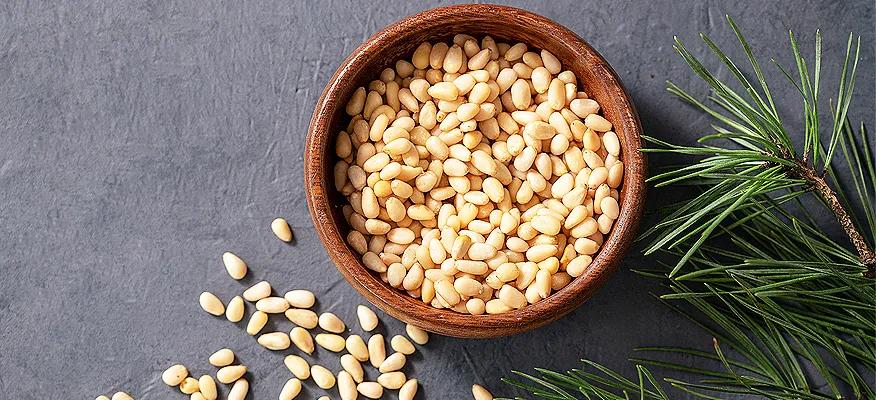
Pine nuts are small edible seeds rich in omega-3 fatty acids, antioxidants, and essential vitamins like A, E, and K. They support brain and heart health, boost energy with protein, iron, and magnesium, and help reduce the risk of diabetes and heart disease. Their antioxidants also promote healthy, youthful skin.
Have you ever had that magical moment when you bite into a crunchy, mouthwatering salad topped with those tiny, delightful nuts and you think, "Wow, what an incredible burst of flavor!"?
If you're wondering what those tiny additions are that make your meal go from good to fantastic, let me introduce you to pine nuts.
Now, don’t be fooled by their small size. These tiny nuggets have a big impact not just on taste but also on health. Pine nuts might be small, but they are mighty when it comes to packing a nutritional punch.
Are you ready for a journey into the world of pine nuts? Let's embark together on this exciting adventure to understand how these small seeds can contribute significantly to your diet and overall health.
Hold on tight as we're about to unleash the power and health benefits of pine nuts. From their unique taste to their surprising health benefits, there’s a lot more to these tiny powerhouses than meets the eye!
What are Pine Nuts?
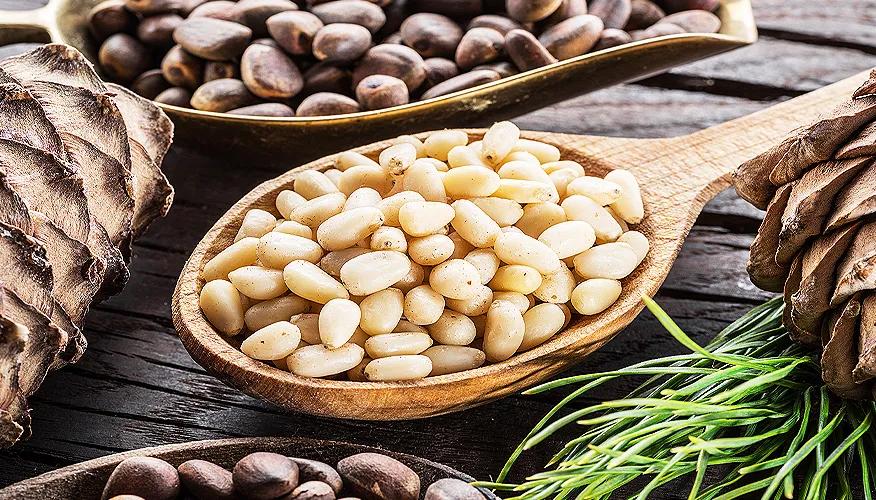
Pine nuts are delightful little nuggets that offer great taste and a multitude of health benefits. But what exactly are pine nuts?
Pine nuts, also known as pine seeds, are the edible seeds of approximately 29 species of pine trees that belong to the family Pinaceae and genus Pinus. Among these, only about 20 species produce seeds large enough to be harvested and traded locally or internationally. Despite being called "nuts," pine nuts are actually seeds—specifically, they are gymnosperms or "naked seeds" because they are not enclosed in a fruit.
These small, ivory-colored seeds are found inside the cones of certain pine trees and are labor-intensive to harvest. Once the cones are collected and dried, the seeds are extracted, shelled, and ready for consumption. Pine nuts are loved for their slightly sweet, buttery flavor and soft texture. They can be eaten raw, roasted, or salted and are a popular ingredient in pesto, salads, pastas, and baked dishes. You may also encounter them as a substitute in recipes calling for nuts, thanks to their unique taste and nutritional profile.
Pine nuts are not only tasty but also incredibly nutritious. They are rich in antioxidants that help combat oxidative stress and reduce inflammation. The healthy monounsaturated fats support heart health and lower bad cholesterol levels. Magnesium in pine nuts promotes better sleep and muscle relaxation, while iron aids in red blood cell production. They help manage appetite by increasing leptin, the hormone responsible for signaling fullness. Pine nuts also contribute to brain health through their vitamin E and zinc content, and their protein supports tissue repair and energy production.
Pine nuts are a nutrient-dense food known to support heart health, brain function, and weight management. Rich in healthy fats and antioxidants, they may help maintain healthy cholesterol levels, reduce hunger, and promote mental clarity. Adding pine nuts to your meals can contribute to overall wellness and a balanced diet.
Are Pine Nuts Good for Your Health?
Yes, pine nuts are highly nutritious and beneficial for your health. They are rich in healthy monounsaturated fats, which support heart health by reducing bad cholesterol levels. These small but powerful nuts are also packed with antioxidants, vitamins, and minerals, including vitamin E, magnesium, and zinc, which contribute to improved brain function, immune support, and energy production. Additionally, pine nuts contain pinolenic acid, which may help suppress appetite and promote weight management. Their anti-inflammatory properties and high antioxidant content also support overall well-being, making them a great addition to a balanced diet.
Why are Pine Nuts Good for You?
Pine nuts are good for you because they are rich in healthy fats, protein, and essential nutrients. They contain monounsaturated fats that support heart health by lowering bad cholesterol levels. These nuts are also packed with antioxidants, vitamin E, and zinc, which help boost the immune system and protect cells from damage. Additionally, pine nuts provide magnesium, which supports brain function, muscle health, and energy production. They also contain pinolenic acid, which may help control appetite and promote weight management. Their anti-inflammatory properties further contribute to overall well-being, making them a nutritious addition to a balanced diet.
Top Health Benefits of Pine Nuts
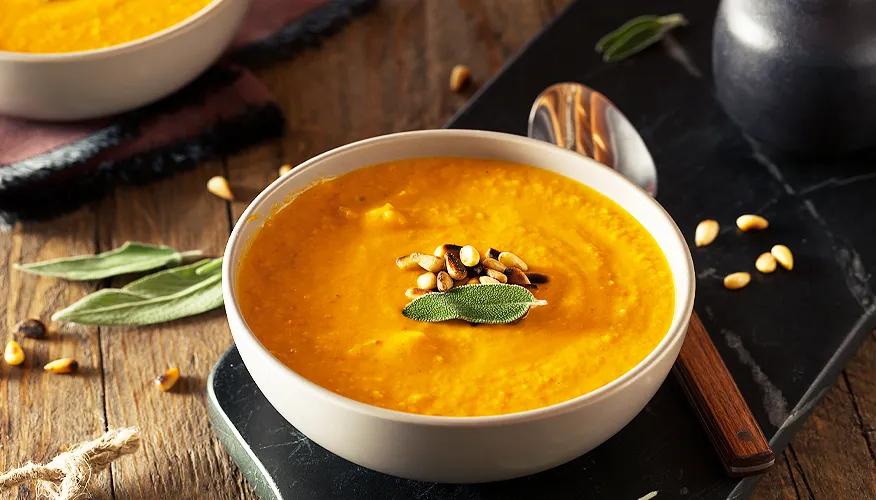
Pine nuts are small but mighty seeds packed with healthy fats, antioxidants, protein, and essential vitamins and minerals. Including them in your diet can offer a wide array of health benefits. Here’s a comprehensive look at the top health benefits of pine nuts:
1. Pine Nuts for Weight Management
Pine nuts are rich in pinolenic acid, an omega-6 fatty acid that stimulates the release of satiety hormones like cholecystokinin (CCK). This helps suppress appetite and reduce cravings. Pinolenic acid, along with healthy fats and fiber, supports better portion control, making pine nuts ideal for those aiming to manage or lose weight.
2. Pine Nuts to boost Energy
Thanks to their high levels of protein, iron, and magnesium, pine nuts are excellent for increasing and sustaining energy levels. Iron supports oxygen delivery throughout the body, while magnesium aids in converting food into energy. This makes pine nuts an ideal energy-boosting snack for active individuals or those combating fatigue.
3. Pine Nuts for Heart Health
Pine nuts are loaded with heart-friendly monounsaturated fats, which help reduce bad cholesterol (LDL) and raise good cholesterol (HDL). They also contain antioxidants and omega-3 fatty acids that help reduce inflammation, prevent blood clots, and may lower the risk of arrhythmias. Regular consumption of pine nuts — at least three servings a week — may reduce the risk of heart failure and atrial fibrillation.
4. Pine Nuts help to manage Diabetes
Pine nuts have a low glycemic index and contain healthy fats, fiber, and magnesium — a combination that helps stabilize blood sugar levels. Magnesium enhances insulin sensitivity, improving glucose uptake and lowering the risk of type 2 diabetes. Including pine nuts in meals or snacks can be beneficial for individuals with diabetes or prediabetes.
5. Pine Nuts Improves Bone Health
Pine nuts provide essential bone-strengthening minerals like calcium, magnesium, phosphorus, and vitamin K. Vitamin K plays a key role in calcium absorption and helps reduce the risk of bone fractures, making pine nuts beneficial for long-term skeletal health.
6. Pine Nuts for Eye Health
Pine nuts contain lutein, zeaxanthin, and vitamin A — all of which support optimal eye function. These antioxidants help protect the eyes from blue light damage, reduce the risk of age-related macular degeneration, and help maintain sharp vision as you age.
7. Pine Nuts to boost Immunity
The immune-boosting power of pine nuts comes from their rich supply of zinc, manganese, and essential vitamins and minerals. These nutrients play a vital role in enhancing immune cell activity, reducing inflammation, and protecting the body against infections and illnesses.

8. Pine Nuts for Brain Health
The omega-3 fatty acids, iron, and magnesium in pine nuts support cognitive function and neurological health. These nutrients aid in memory, focus, and brain cell repair. Antioxidants in pine nuts also reduce inflammation and oxidative stress in brain cells, potentially lowering the risk of Alzheimer’s and other neurodegenerative diseases.
9. Pine Nuts for Anti-Aging Benefits
Loaded with antioxidants like vitamin E, pine nuts help fight free radical damage — one of the leading causes of aging. By reducing oxidative stress, pine nuts support collagen production, skin elasticity, and a radiant complexion. Regular consumption can promote youthful-looking skin and overall longevity.
10. Pine Nuts for Digestive Health
Pine nuts contain dietary fiber, which aids digestion by promoting regular bowel movements and supporting gut health. Fiber also helps balance gut bacteria, contributing to improved immunity and nutrient absorption.
11. Pine Nuts for Reducing Inflammation
Pine nuts have natural anti-inflammatory properties thanks to their antioxidants and omega-3 fatty acids. Regular intake may help reduce chronic inflammation, which is linked to conditions like arthritis, heart disease, and metabolic syndrome.
12. Pine Nuts for Skin Health
Pine nuts are loaded with antioxidants, especially vitamin E, which protects the skin from free radical damage. This helps preserve skin elasticity, reduces signs of aging, and promotes a natural, healthy glow. The anti-inflammatory properties of pine nuts also support clearer, calmer skin.
13. Pine Nuts for Hormonal Balance
Pine nuts contain zinc and magnesium — two minerals that play a key role in hormonal regulation. Zinc supports the production of reproductive hormones, while magnesium can help regulate cortisol (the stress hormone) and improve menstrual health. This makes pine nuts a helpful food for maintaining hormonal balance in both men and women.
14. Pine Nuts for Healthy Metabolism
The combination of B vitamins, magnesium, and protein in pine nuts supports metabolic functions. These nutrients help the body efficiently convert food into energy and maintain muscle mass. A healthy metabolism is essential for weight control, energy levels, and hormone function.
15. Pine Nuts for Muscle Recovery
The protein, magnesium, and potassium in pine nuts make them a good option for post-exercise recovery. Protein supports muscle repair, while magnesium and potassium help prevent cramps and support proper muscle function. Including pine nuts in your diet can be beneficial for athletes and those with physically demanding lifestyles.
16. Pine Nuts for Mood and Mental Wellbeing
Pine nuts may help improve mood due to their content of magnesium, omega-3 fatty acids, and tryptophan (an amino acid that helps produce serotonin — the “feel-good” hormone). Low levels of magnesium and omega-3s have been linked to depression and anxiety, so adding pine nuts to your diet may naturally support emotional wellbeing.
Nutritional Profile of Pine Nuts
Here’s a summary of the nutritional content of pine nuts per 1 oz (approximately 28 grams) serving:
| Nutrient | Amount |
| Protein (g) | 3.28 |
| Total lipid (fat) (g) | 17.29 |
| Carbohydrate (g) | 5.47 |
| Energy (kcal) | 178.32 |
| Fiber, total dietary (g) | 3.03 |
| Calcium (mg) | 2.27 |
| Iron (mg) | 0.87 |
| Magnesium (mg) | 66.34 |
| Phosphorus (mg) | 9.92 |
| Potassium (mg) | 178.04 |
| Sodium (mg) | 20.41 |
| Zinc (mg) | 1.21 |
| Copper (mg) | 0.29 |
| Manganese (mg) | 1.23 |
| Vitamin A (IU) | 8.22 |
| Vitamin C (mg) | 0.57 |
| Thiamin (mg) | 0.35 |
| Riboflavin (mg) | 0.06 |
| Niacin (mg) | 1.24 |
| Pantothenic acid (mg) | 0.06 |
| Vitamin B-6 (mg) | 0.03 |
| Folate, total (mcg) | 16.44 |
| Fatty acids, total saturated (g) | 2.66 |
| Fatty acids, total monounsaturated (g) | 6.5 |
| Fatty acids, total polyunsaturated (g) | 7.28 |
| Cholesterol (mg) | 0 |
As you can see, the nutritional benefits of pine nuts are vast, given their rich array of vitamins, minerals, and healthy fats.
How to Incorporate Pine Nuts into your Diet?
Pine nuts can be used in various ways in your diet due to their versatile taste and texture:
- Grain bowls and pilafs: Enhance the nutritional profile of grain-based dishes by adding pine nuts. They will also provide a delightful crunch.
- Salads and pasta: Add roasted pine nuts to salads and pasta meals for an increased nutritional value and a burst of flavor.
- Baking and cooking: Use pine nuts in baking recipes or incorporate them into cookies, pancakes, desserts, pesto sauce, and other culinary delights.
- Snacks: Enjoy raw or salted pine nuts as a healthy snack on their own or mixed with other nuts.
Side effects of Pine Nuts
While pine nuts offer numerous health benefits, it's also important to be aware of potential side effects:
- Allergic reactions: Pine nuts may trigger allergies in some people, with symptoms like headaches, nausea, vomiting, swelling, and difficulty breathing. Immediate medical attention is required if these symptoms occur.
- Pine mouth syndrome: Some individuals experience a bitter or metallic taste in their mouth 12 to 48 hours after consuming pine nuts, which can last for days or weeks. This is linked to certain species of pine nuts.
- Gastrointestinal issues: Eating too many pine nuts can lead to stomach discomfort, including pain, gas, or diarrhea.
- Weight gain: Due to their high calorie content, consuming pine nuts in large amounts can lead to weight gain.
- Drug interactions: Pine nuts may interact with certain medications, like blood thinners, so it’s important to consult a doctor if you're on medication.

Conclusion
Pine nuts offer a wealth of nutritional benefits, from heart-healthy fats to essential vitamins and minerals.
They can easily be incorporated into a variety of dishes to enhance nutritional value and flavor.
However, as with all foods, it's important to consume them in moderation due to their high calorie content. Be mindful of potential allergic reactions if you are new to consuming pine nuts or have a known food allergy.
Meet our expert

Meet our expert
Dr Adwoa Agyei-Nkansah is a fellow of the West African College of Physicians, a fellow of the Royal College of Physicians, London and a member of the American College of physicians.



How was the experience with article?
We'd love to know!