
Did you ever stop to think how a simple pinch of salt can make your food go from bland to bursting with flavor? We often take this tiny granule for granted, sprinkling it on our meals without a second thought.

But what if we told you that this seemingly insignificant ingredient has the potential for significant health benefits? And no, we’re not just talking about any old table salt. We’re talking about rock salt, a natural and unrefined alternative to the heavily processed version you might be used to.
The beauty of rock salt lies not just in its ability to enhance the taste of our favorite dishes, but also in its numerous health properties. From being a rich source of minerals to offering potential benefits for your skin, the wonders of rock salt are just waiting to be appreciated.
Ready to swap out your regular salt for something more nutritious? Buckle up as we take a journey into the world of rock salt benefits!
What is Rock Salt?
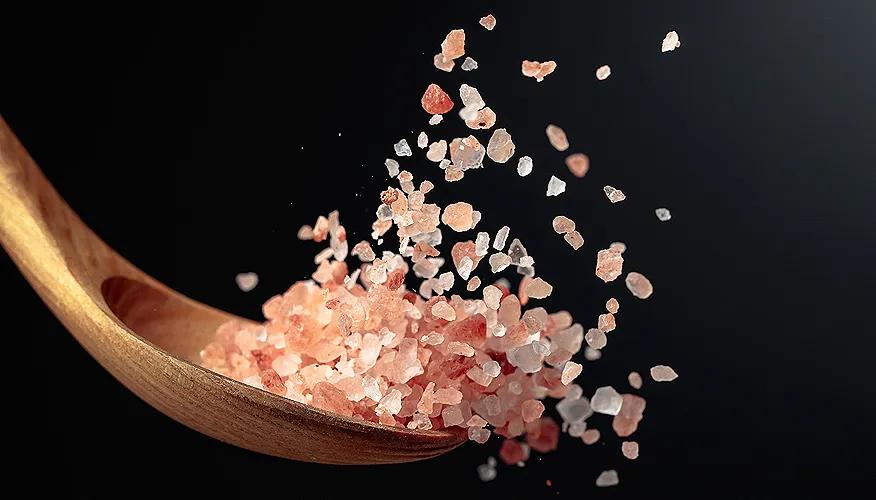
Rock salt, or halite, is a natural salt rock that is a form of sodium chloride (NaCl). This sedimentary rock is formed from the evaporation of ancient seas and is mined from underground deposits all over the world.
This impressive mineral has a rich history spanning thousands of years, with uses varying from food preservation to cooking.
This natural salt rock has a unique appeal to it, mainly due to its earthy taste and the presence of other minerals that add to its overall nutritional profile. These additional minerals give it a unique flavor that is often preferred to the taste of regular table salt.
Types of Rock Salt
The beauty of rock salt comes from its variety. Depending on its origin, color, and mineral content, there are several types you might come across:
1. White rock salt
Mined from underground salt deposits or seawater evaporation, white rock salt is typically refined and free from impurities. It is often used for de-icing roads, cooking, and food preservation.
2. Pink Himalayan rock salt
This salt is mined from ancient sea beds in the Himalayas, rich in minerals like iron oxide, which gives it its pink color. It is used in cooking, as a finishing salt, and for decorative items like salt lamps.
3. Grey rock salt
Harvested from coastal regions in France, grey rock salt retains moisture and is known for its greyish hue. It is often unrefined, containing additional minerals like magnesium and calcium, which enhance its flavor.
4. Blue Persian rock salt
Mined from ancient salt deposits in Iran, blue Persian rock salt is prized for its unique blue color and rich mineral content. It is used in gourmet cooking and often serves as a decorative finishing salt.
5. Black rock salt
Black rock salt is primarily found in the Himalayan region and is known for its dark color and sulfurous, egg-like flavor. It is commonly used in South Asian cuisine, particularly in vegetarian dishes and chutneys.
Nutritional value of Rock Salt
- Rock salt is primarily composed of sodium chloride (98–99%), which helps regulate fluid balance, nerve function, and muscle contractions.
- It also contains trace amounts of minerals like potassium, magnesium, calcium, iron, zinc, and manganese, but in negligible quantities.
- Unlike table salt, rock salt is not iodized, so relying on it may increase the risk of iodine deficiency.
- While it offers a natural alternative, iodine needs should be met through other sources.
Is Rock Salt good for health?
Yes, rock salt can be good for health when used in moderation. It contains essential minerals like calcium, magnesium, and potassium, which may support digestion, improve hydration, and help balance electrolytes. However, it still contains sodium and lacks added iodine, so it should not completely replace iodized table salt in the diet.
Rock salt benefits are twofold. While it is primarily composed of sodium chloride, similar to table salt, it also contains trace amounts of other beneficial minerals.
These minerals can provide subtle health benefits when consumed in moderation.
However, like any salt, excessive consumption can lead to possible health complications due to its high sodium content.
Top Health Benefits of Rock Salt
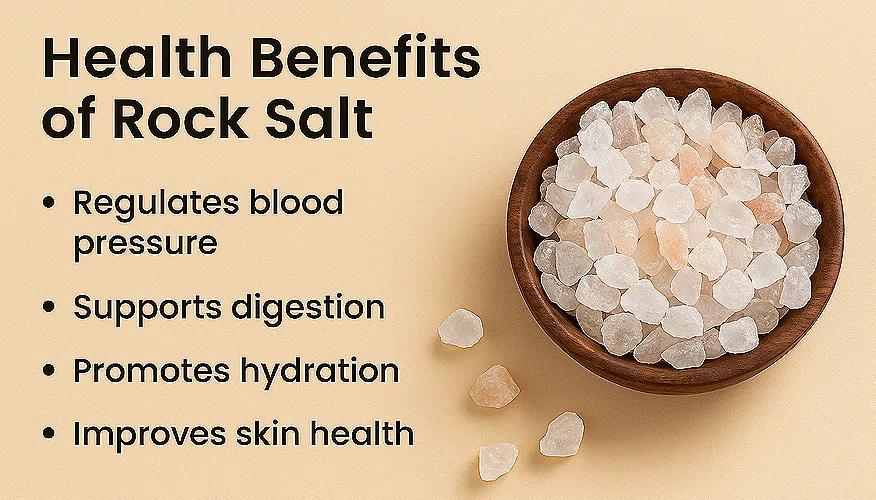
Rock salt, also known as sendha namak or halite, is a natural form of salt primarily composed of sodium chloride. Unlike refined table salt, rock salt is harvested without chemical processing, and it contains trace minerals such as calcium, potassium, and magnesium. Here are some notable health benefits of rock salt:
1. Rock Salt Improves Digestion
Rock salt plays a vital role in promoting healthy digestion. It stimulates the secretion of digestive enzymes and juices, which aid in the efficient breakdown of food. This can help alleviate common digestive issues such as bloating, gas, indigestion, and constipation. Additionally, rock salt supports better absorption of nutrients in the intestines and helps maintain the natural acid-alkaline balance in the stomach. Its mild laxative properties further contribute to regular bowel movements and a healthier gut environment.
2. Rock Salt Reduces Muscle Cramps
Rock salt is rich in essential minerals like potassium, magnesium, and calcium, which are crucial for proper muscle function. These minerals help restore the body’s electrolyte balance, especially after physical exertion, dehydration, or excessive sweating. By replenishing lost electrolytes, rock salt can effectively reduce the occurrence of muscle cramps, spasms, and fatigue. Including rock salt in your diet or using it in a warm bath can relax tense muscles, improve circulation, and promote faster muscle recovery.
3. Rock Salt Enhances Skin Health
When used topically, rock salt works as an exfoliant and detoxifier, promoting clear and radiant skin by reducing inflammation and balancing pH levels.
4. Rock Salt Boosts Metabolism
The minerals in rock salt support cellular metabolism, which may aid in weight management and increasing energy levels.
5. Rock Salt Maintains Electrolyte Balance
It plays a vital role in maintaining the body’s electrolyte balance, which is crucial for proper hydration and muscle function.
6. Rock Salt Relieves Sore Throat
Gargling with a saltwater solution can help soothe a sore throat, thanks to its antibacterial properties.
7. Rock Salt Supports Immune System
The trace minerals, such as zinc and magnesium, found in rock salt help strengthen the immune system.
8. Rock Salt Reduces Stress and Promotes Sleep
Taking a bath with rock salt can relax the nervous system, reducing stress and promoting better sleep.
9. Rock Salt Aids in Hydration
Adding rock salt to water can improve hydration by replenishing electrolytes lost through sweat or dehydration.
10. Rock Salt Regulates Sodium Levels
Rock salt helps regulate sodium levels in the body when used in moderation. Unlike refined table salt, which is heavily processed and stripped of trace minerals, rock salt contains a more natural balance of sodium along with essential minerals like potassium, calcium, and magnesium. This balanced composition supports proper nerve transmission, muscle contraction, and fluid balance without causing a sharp spike in sodium intake. By maintaining healthy sodium levels, rock salt contributes to better cardiovascular health, reduced risk of water retention, and overall electrolyte stability.
11. Rock Salt Supports Respiratory Health
Rock salt is known for its ability to promote better respiratory health. When used in steam inhalation, it helps clear nasal congestion, reduce sinus pressure, and relieve symptoms of asthma and bronchitis. Its natural antibacterial and anti-inflammatory properties can help loosen mucus and soothe irritated airways. Inhaling rock salt steam or using it in salt therapy (halotherapy) sessions can improve breathing, especially for those suffering from allergies, colds, or chronic respiratory conditions. Regular use may enhance lung function and support overall respiratory wellness.

12. Rock Salt Acts as a Natural Detoxifier
Rock salt acts as a gentle yet effective detoxifier for the body. When consumed in moderation or added to warm water, it can help flush out toxins by stimulating digestion and promoting bowel movements. Additionally, rock salt baths aid in drawing out impurities through the skin, cleansing pores and improving circulation. The trace minerals in rock salt, such as magnesium and sulfur, support the body's natural detox processes and help balance pH levels. Whether ingested or used externally, rock salt can enhance detoxification and support a healthier internal environment.
How to Use Rock Salt?
Rock salt, also known as sendha namak or halite, is not just a flavorful addition to meals—it also offers a wide range of health and wellness uses. From enhancing digestion and easing sore throats to improving skin texture and relieving muscle pain, rock salt is a versatile natural remedy. Whether used in your kitchen, skincare routine, or home remedies, learning how to use rock salt effectively can help you make the most of its powerful benefits.
Here are some of the most Effective ways to incorporate Rock Salt into your daily routine.
1. Rock Salt in Cooking
Use rock salt as a healthier seasoning alternative in everyday dishes like soups, curries, salads, and pickles. It enhances flavor and supports digestion.
2. Rock Salt for Digestion
Mix a pinch of rock salt with warm water or lemon juice to ease bloating, acidity, and improve overall digestive health naturally.
3. Rock Salt Gargle for Sore Throat
Dissolve rock salt in warm water and gargle to soothe sore throats, relieve mouth ulcers, and reduce inflammation.
4. Rock Salt as a Natural Exfoliator
Combine rock salt with honey, coconut oil, or yogurt to create a natural face or body scrub that removes dead skin cells and improves skin texture.
5. Rock Salt Bath for Muscle Relaxation
Add rock salt to warm bath water to relax tired muscles, reduce swelling, and detoxify your skin after a long day.
6. Rock Salt Steam Inhalation for Nasal Relief
Inhaling steam from water mixed with rock salt helps clear nasal congestion, relieve sinus pressure, and ease respiratory discomfort.
7. Rock Salt for Oral Health
Mix rock salt with water or use it in DIY toothpaste to support gum health, reduce plaque, and maintain fresh breath.
8. Rock Salt Water for Weight Management
Drinking warm water with a small pinch of rock salt may help with metabolism and digestion, but it should be used in moderation and not long-term.
Side effects of Rock Salt
Despite its potential benefits, rock salt should be consumed responsibly due to potential side effects, including:
- High blood pressure: Excessive intake of rock salt can lead to elevated blood pressure, increasing the risk of cardiovascular diseases like heart attacks, strokes, and heart failure.
- Kidney concerns: High sodium levels can strain kidney function, potentially worsening conditions like chronic kidney disease (CKD).
- Bloating and dehydration:Excessive sodium can cause fluid retention and dehydration, leading to discomfort and other complications.
- Iodine deficiency: Unlike iodized table salt, rock salt lacks iodine, which is crucial for thyroid function. Relying solely on rock salt may lead to iodine deficiency.
- Skin irritation: While not typically associated with dietary consumption, rock salt used as an ice melt can cause skin irritation or "salt burns" if it comes into contact with skin, especially when wet.
- Electrolyte imbalance: While small amounts of rock salt can help maintain electrolyte balance, excessive consumption can disrupt it, leading to muscle cramps or other issues.
- Thyroid issues: For individuals with thyroid conditions, the lack of iodine in rock salt can exacerbate health problems.
- Hypotension risk: Although less common, excessive consumption can also lead to a risk of low blood pressure in some individuals.
Precautions and Considerations
Before incorporating more rock salt into your lifestyle, note these precautions:
- Avoid prolonged skin contact and eye exposure. Wear protective gloves and eyewear when handling rock salt to prevent irritation and dryness.
- Use respiratory protection to avoid inhaling dust, which can irritate the respiratory tract.
- Rock salt reacts with concentrated acids, producing hydrogen chloride, so keep it away from such substances.
- Excessive intake can lead to high blood pressure, bloating, and strain on the kidneys. Consume rock salt in moderation, especially if you have pre-existing health conditions.
- Rock salt lacks iodine, essential for thyroid function. Ensure you consume iodized salt as well to avoid deficiency.
- If allergic to any components of rock salt, use it under medical supervision.
How to Choose Rock Salt?
Choosing and using rock salt can be simple with the following tips:
- Look for rock salt with 90–98% sodium chloride for better quality.
- Choose based on impurities like gypsum or minerals (e.g., pink, white, or brown).
- Opt for rock salt from reputable sources to limit potential impurities.
- Fine grains are best for cooking and seasoning, while coarse grains are ideal for de-icing or therapeutic baths.
- Choose natural rock salt free from synthetic additives if desired.
- Use in moderation as a seasoning or finishing salt.
- Spread evenly on surfaces to melt ice and store in a dry place.
- Dissolve in warm water for relaxation and muscle relief.
Conclusion
In conclusion, while rock salt does offer potential health benefits due to its mineral content, it also comes with some caveats due to its high sodium content.
Like any dietary component, it needs to be used responsibly and in moderation. Always consult with a healthcare provider before making significant changes to your diet or using rock salt for therapeutic purposes.
Meet our expert

Meet our expert
Song has been practising as a nutritionist with more than 12 years of experience. She
holds a Bachelor of Nutrition & Community Health with Distinction from University
Putra Malaysia and experience in conducting product training, giving health talk to the
public on health-related topic, and providing nutritional consultations to the customers.



How was the experience with article?
We'd love to know!