
In the heart of bustling markets, amidst vibrant stalls and a medley of exotic aromas, a curious fruit catches the eye.
With a scaly, reptilian exterior that resembles a snake’s skin, this peculiar fruit is none other than the snake fruit, or salak.
Its startling appearance belies a sweet and tangy treasure within—a nutritional powerhouse waiting to be discovered.
As you navigate the maze of daily wellness choices, have you considered inviting this unique fruit into your life? Let's embark on a flavorful journey to uncover the top snake fruit benefits that could enhance your well-being.
What is Snake Fruit?
Snake fruit, also called salak, is a tropical fruit known for its unique reddish-brown scaly skin that closely resembles the texture of snake scales—hence the name. It comes from a species of palm tree in the Arecaceae family, with the scientific name Salacca zalacca. This fruit is native to Indonesia, particularly the islands of Java and Sumatra, and is now grown in various parts of Southeast Asia and beyond.
Snake fruit is also known by several other names including salak, edible salacca, salak palm, snake palm, and snake-skinned fruit. It is an evergreen, spiny fruit that grows in clusters at the base of the palm tree. Its popularity has led to cultivation not only in Bali, Lombok, Timor, Malaysia, Maluku, and the Philippines, but also in places like New Guinea, Australia, China, Surinam, Spain, and the Fiji Islands. The native land of snake fruit is Indonesia, specifically the islands of Java and Sumatra. However, it has now spread its roots to other parts of Southeast Asia as well. The tropical climate suits the growth of Salacca zalacca palm, the parent plant of snake fruit. The fruit is hand-harvested in clusters from the base of the plant.
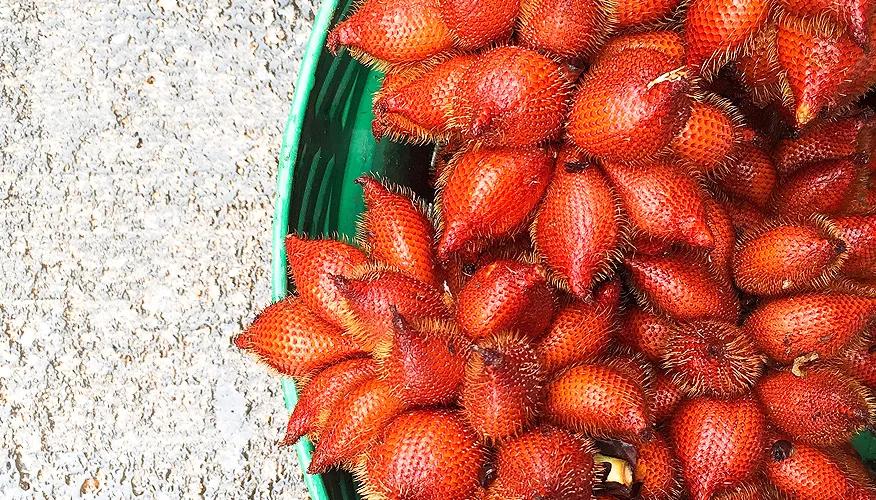
This small fruit is about the size of a fig and has a rough, scaly exterior with tiny spikes and a pointed tip. When peeled, it reveals three lobes of firm, juicy flesh, typically white or yellow, resembling garlic cloves. Each lobe contains a flat, inedible brown seed. The taste of snake fruit is incredibly unique—a blend of sweetness, tanginess, and crispness, often described as a mix of apple, banana, and pineapple with a hint of citrus tang.
Although the word “snake” is usually associated with negative meanings, in this case, it simply refers to the fruit’s scale-like skin. Its distinctive appearance draws attention, but it's the delightful flavor and numerous health benefits that make it a sought-after treat in many parts of the world.
With rising interest in exotic and nutritious fruits, snake fruit is becoming more widely recognized for its taste and health value. As its availability spreads, many are discovering this odd-looking yet delicious fruit and adding it to their diets.
Nutritional profile of Snake Fruit
The following table presents the nutritional composition of the food item per 100 grams of its edible portion (with 93% edible weight):
| Nutrient | Amount |
| Water | 78.0 g |
| Energy | 77 kcal |
| Protein | 0.4 g |
| Carbohydrate | 20.9 g |
| Calcium | 28 mg |
| Phosphorus | 18 mg |
| Iron | 4.2 mg |
| Vitamin C | 2 mg |
Salak is mildly acidic in nature and packed with essential nutrients, vitamins, and minerals. It provides a good amount of iron, vitamin B2, vitamin C, calcium, phosphorus, carbohydrates, and dietary fiber. Remarkably, salak contains five times more beta-carotene than fruits like watermelon, mango, and guava, making it an impressive source of this antioxidant. In addition to these nutrients, snake fruit also contains phenolic compounds, flavonoids, and monoterpenoids. These components possess antioxidant properties and offer potential health benefits.
Health Benefits of Snake Fruit
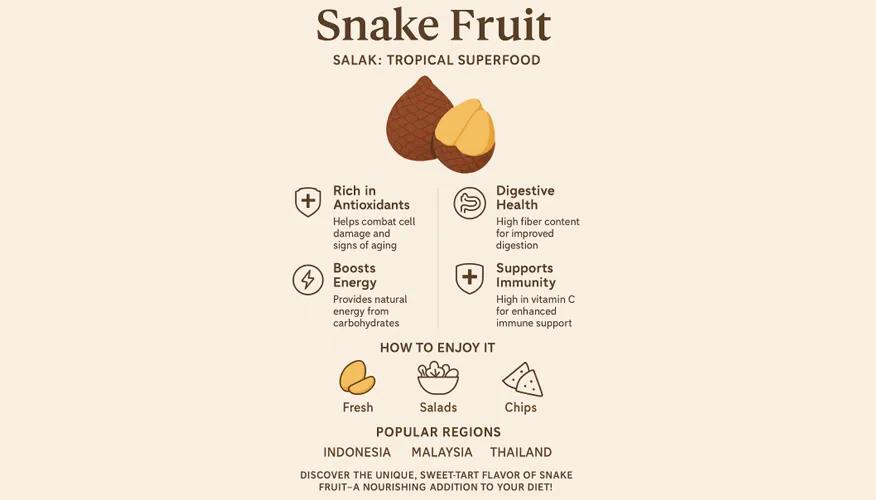
Snake fruit (salak) is packed with essential nutrients and offers a wide range of health benefits:
- Rich in antioxidants: Snake fruit is a potent source of antioxidants, including polyphenols, beta-carotene, and vitamin C. These compounds work to neutralize free radicals in the body, helping to reduce inflammation and lower the risk of chronic diseases such as heart disease and certain cancers.
- Supports eye health: Loaded with beta-carotene and vitamin A, snake fruit contributes to maintaining healthy vision. These nutrients are essential for eye function and may help protect against age-related issues like cataracts and macular degeneration.
- Boosts immunity: The high vitamin C content in snake fruit helps strengthen the immune system, enhancing the body’s natural defenses against infections and contributing to overall wellness and vitality.
- Improves memory and cognition: Often referred to as the "memory fruit," snake fruit contains potassium, pectin, and beta-carotene—all known to support brain health. These nutrients help improve blood circulation to the brain, boost memory and focus, and may protect against cognitive decline.
- Aids digestion: Snake fruit is rich in dietary fiber, which promotes a healthy digestive system. It supports regular bowel movements and can help alleviate common issues like constipation, bloating, and cramps.
- Supports weight management: With its high fiber content, snake fruit helps increase feelings of fullness, which may prevent overeating. This makes it a smart snack choice for those looking to manage their weight in a healthy, satisfying way.
- Regulates blood sugar: Emerging research suggests that snake fruit may help regulate blood sugar levels and improve lipid profiles. This makes it a potentially beneficial fruit for individuals managing diabetes or those at risk.
- Promotes heart health: Potassium found in snake fruit plays a key role in regulating blood pressure. It helps relax blood vessels, improve circulation, and reduce the strain on the cardiovascular system.
- Provides an energy boost: Snake fruit contains natural carbohydrates that provide a quick and sustained energy boost. It supports metabolism and can help maintain stamina throughout the day, making it an excellent snack for active lifestyles.
How to eat Snake Fruit?
- Snake fruit is typically enjoyed fresh as a snack.
- To eat it, you would pinch the tip to break open the scaly skin, peel it off, and then separate the segments.
- Remember to discard the inedible seeds before consuming. The flesh of snake fruit can be enjoyed on its own or incorporated into fruit salads and desserts for an exotic twist.
Uses of snake fruit
Besides being enjoyed fresh, snake fruit can be used in the following ways:
- Blended into smoothies or juices for a tropical twist.
- Used in pies, tarts, puddings, ice creams, sorbets, and as a topping for yogurt or oatmeal.
- Mixed into fruit salsas or cooked into chutneys and relishes.
- Added to muffins, cakes, and breads for a fruity flavor.
- Cooked with sugar to make sweet spreads, jams, or compotes for toast, pancakes, or desserts.
- Can be candied, pickled, dried into chips, or canned for extended shelf life.
- Used to make refreshing drinks, cocktails, or mocktails, by blending or juicing the flesh.
Snake Fruit recipes
There are several ways you can enjoy snake fruit:
- Fresh snake fruit salad: Combine peeled, sliced snake fruit with pineapple, cucumber, and a tangy lime dressing.
- Snake fruit chips: Thinly slice the flesh and dehydrate or bake it for a crunchy snack.
- Snake fruit compote: Cook the snake fruit with sugar and spices to make a unique dessert topping.
- Pickled snake fruit: For a tangy pickle, marinate peeled snake fruit in a mixture of vinegar, sugar, and salt.
Potential side effects and precautions
- Consumption of snake fruit is generally deemed safe when consumed in moderation.
- However, due to its high fiber content, overconsumption may lead to digestive discomfort or constipation, especially for individuals unaccustomed to a high-fiber diet.
- Always ensure to remove the inedible seeds before consumption. For those with known allergies to fruits in the palm family, caution is advised.
How to store snake fruit?
- Snake fruit should be stored in a cool, dry place away from direct sunlight for optimal freshness. For extended shelf life, refrigeration is recommended.
- It's best to avoid storing the fruit in damp conditions as moisture can facilitate spoilage.
- Ideally, snake fruit should be consumed within a few days after purchase to enjoy the optimal taste and texture.
Conclusion
With its striking appearance, unique taste, and impressive nutritional profile, snake fruit is a must-try for those seeking to explore the world of exotic fruits. Native to Indonesia, this fruit's appealing crunchy texture and sweet-tangy flavor make it a favorite among locals and tourists alike.
Snake fruit benefits range from supporting digestion and promoting bone health to potentially aiding in weight management, making it a valuable addition to your diet. Enjoy snake fruit fresh for a quick snack or incorporate it into your culinary creations for an exciting twist. As with all things, moderation is key: enjoy the flavors and benefits of snake fruit, but be mindful not to overdo it.
Meet our expert

Meet our expert
Ng Juby is a Registered Nutritionist under the Allied Health Professional Act 774, holding
a Bachelor of Science (Hons) in Nutrition with Wellness from UCSI University.



How was the experience with article?
We'd love to know!