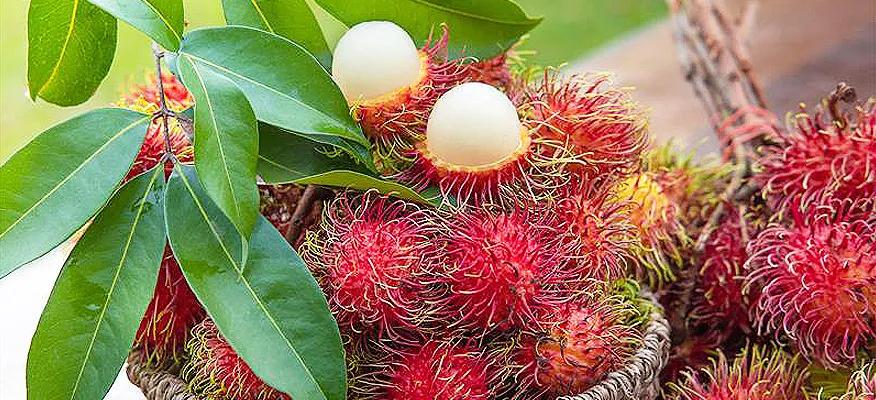
If you’ve grown up in Southeast Asia, chances are you’ve peeled open a rambutan or two —maybe even straight from the tree. That spiky red skin might look wild, but inside is a soft, juicy fruit that’s as familiar as it is refreshing. It’s one of those things we eat without thinking twice.
But here’s the fun part: rambutan isn’t just tasty — it’s doing good things for your body too. From keeping your immune system in check to helping your digestion, there’s more to this tropical treat than meets the eye.
This small, tropical fruit may resemble an alien artifact due to its unique appearance with hairy-looking spikes. Still, it is packed with surprising health benefits. From catering to your skin's needs to supporting your journey through pregnancy, rambutan health benefits are numerous.
We're going to get the lowdown on everything from the benefits of eating rambutan and rambutan seed benefits to how this exotic fruit can potentially enhance your overall well-being.
What is rambutan?
Rambutan is a popular tropical fruit native to Southeast Asia. This member of the Sapindaceae family grows on evergreen trees and is most recognizable by its unique appearance. The rambutan fruit is small, usually oval to round, featuring a leathery, hairy skin that ranges in color from vibrant red to yellow.
When you open this hairy exterior, you're greeted with a translucent, sweet, slightly tart flesh that encases a single seed.
In terms of taste, it is often compared to lychees and grapes due to its juicy sweetness and slight acidity. Rambutan has an enchanting flavor profile that is enjoyed fresh and incorporated into various dishes across cultures, enriching your food journey with its distinctive taste and rambutan benefits.
Nutritional profile of rambutan
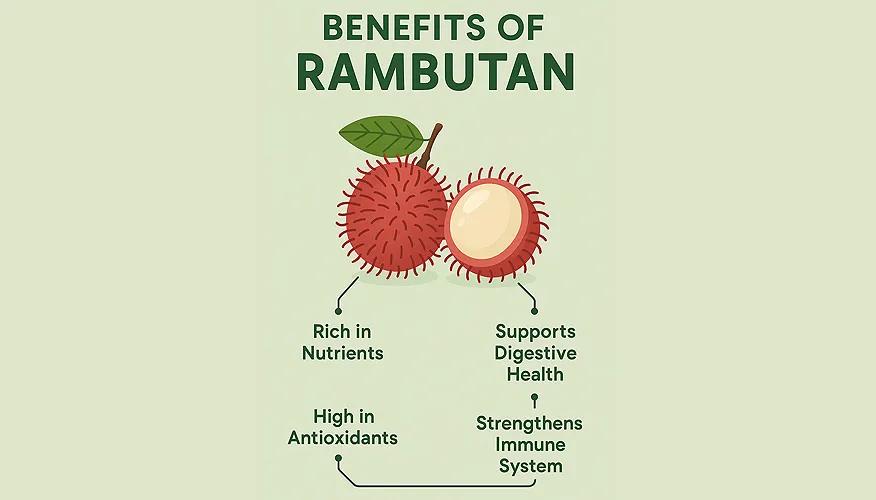
Rambutan boasts a rich nutritional profile that packs a punch in every bite.
Here's the nutrient content you can expect from 100 g of rambutan canned in syrup:
| Nutrient | Content |
|---|---|
| Calories | 82 kcal |
| Carbohydrates | 20.9 g |
| Protein | 0.65 g |
| Fiber | 0.21 g |
| Vitamin C | 4.9 mg |
| Calcium | 22 mg |
| Iron | 0.35 mg |
| Magnesium | 7 mg |
| Potassium | 42 mg |
| Sodium | 11 mg |
As you can see, rambutans are rich in water and carbohydrates, making them a hydrating snack. They contain negligible amounts of fat but are high in fiber and vitamin C.
Health benefits of rambutan
Now that we understand the rambutan nutritional profile, let's discuss the array of rambutan benefits for health:
- Digestive health: Rambutan is a good source of dietary fiber, which promotes healthy digestion by regulating bowel movements and preventing constipation. The fiber helps bulk up stools and supports a healthy gut microbiome, which is key for effective digestion.
- Immune system support: Packed with vitamin C, rambutan boosts immune function by stimulating white blood cell production. This vitamin also serves as a strong antioxidant, defending the body against infections and reducing oxidative stress.
- Weight management: Low in calories but high in water content, rambutan is a filling fruit that can help control hunger. The fiber slows down digestion, making you feel fuller for longer and potentially aiding in weight management by curbing overeating.
- Heart health: Rambutan is rich in potassium, which plays a key role in regulating blood pressure and improving circulation. Additionally, its fiber content may help lower cholesterol levels, supporting overall cardiovascular health.
- Antioxidant properties: Rambutan contains antioxidants, such as vitamin C, which help protect the body from oxidative stress. These compounds neutralize free radicals, potentially reducing the risk of chronic diseases like cancer and promoting long-term health.
- Skin health: Thanks to its high vitamin C and antioxidant content, rambutan can promote healthy, hydrated skin. It may improve skin elasticity and help reduce visible signs of aging, such as fine lines and wrinkles.
- Bone health: Rambutan provides important minerals like calcium, phosphorus, and iron, all of which are essential for maintaining strong bones and supporting overall skeletal health.
How to eat rambutan?
Eating rambutan is easy and enjoyable. Here's how to do it:
- Select a ripe rambutan: Look for fruits that are red, orange, or yellow in color, which indicates ripeness. Avoid green ones, as they are still unripe and not sweet.
- Cut the skin: Use a small knife to make a slit in the skin. Hold the fruit on a flat surface to ensure a clean cut.
- Open the fruit: Once you've cut the skin, gently pull it apart to reveal the juicy flesh inside.
- Squeeze to pop out the flesh: Alternatively, you can squeeze the rambutan gently to pop the flesh out of the skin.
- Remove the seed: The flesh contains a seed in the center, which is not edible. Be careful not to bite into it.
Enjoy: The sweet, juicy flesh can be enjoyed fresh as a snack, or you can add it to fruit salads, smoothies, or desserts.
Rambutan recipes
Rambutan recipes
Here are a few delicious and refreshing rambutan recipes to try:
- Rambutan smoothie: Blend rambutan, coconut water or milk, and banana for a creamy, refreshing smoothie. Add honey or ice for extra sweetness or chill.
- Rambutan salad: Combine rambutan with mixed greens, cucumber, and a light vinaigrette for a fresh and tropical salad. Add mint for an extra burst of flavor.
- Rambutan sorbet: Puree rambutan with sugar and a splash of lime juice, then freeze to create a delicious, tangy sorbet. Perfect for a cool, fruity dessert.
- Rambutan jam: Cook rambutan with sugar and lemon juice to make a sweet homemade jam. Spread it on toast or use as a topping for desserts.
- Rambutan fruit cup: Toss rambutan with other fresh fruits like pineapple, mango, and papaya for a tropical fruit cup. Perfect as a snack or light dessert.
Potential risks
While rambutan offers many health benefits, there are also potential risks associated with its consumption.
- Overconsumption of fiber: Eating too much rambutan can lead to digestive issues like bloating and discomfort. Moderation is key.
- Impact on medical conditions: Rambutan contains potassium, which may pose risks for people with kidney disease. Consult a doctor if necessary.
- Medication interactions: Rambutan may interact with medications that affect blood sugar or blood pressure. Monitor intake and seek medical advice.
- Toxicity in unripe fruits: Unripe rambutan can have compounds that may cause mild toxicity. Always eat ripe fruit to avoid this risk.
Potential side effects and precautions
Although adverse reactions to rambutan are rare, there are few side effects you should be aware of:
- Allergic reactions: Some individuals may be allergic to rambutan, experiencing symptoms such as itching, hives, or difficulty breathing. Those with known allergies should avoid the fruit altogether.
- Gastrointestinal issues: Consuming too much rambutan can lead to digestive discomfort, such as bloating, gas, or constipation, due to its high fiber content. Overeating may also trigger acid reflux or exacerbate stomach ulcers.
- Blood sugar levels: Rambutan has a moderate glycemic index, and overripe fruit contains higher sugar levels, which may be a concern for individuals with diabetes or those managing their blood sugar.
- Toxicity of skin and seeds: The skin and seeds of rambutan may contain harmful compounds, including narcotic properties in the seeds when consumed raw. It's safest to avoid eating the seeds or skin unless they are properly prepared.
Here are some precautions to consider when consuming rambutan:
- Moderation: To avoid gastrointestinal discomfort and blood sugar spikes, limit rambutan consumption to around 100 grams or less.
- Avoid non-edible parts: The skin and seeds of rambutan should not be eaten due to their potential toxicity. Only the flesh is safe to consume.
- Monitor for allergies: If trying rambutan for the first time, proceed with caution and watch for any signs of an allergic reaction.
Conclusion
In conclusion, rambutan is a nutritious tropical fruit that offers several health benefits, including improved digestion, antioxidant protection, bone health support, and potential aid in weight management.
Its unique taste and texture make it a versatile ingredient in various dishes, enriching your diet while also nourishing your body.
However, like any food item, it's important to consume rambutan in moderation and be aware of potential risks like allergic reactions or seed toxicity.
By doing so, you can safely enjoy the delightful taste and health benefits of rambutan fruits.
Meet our expert
.webp&w=1920&q=75)
Meet our expert
She holds a Bachelor of Science (Hons) in Dietetics with Nutrition from International Medical University (IMU) and became a registered dietitian in 2025. She is dedicated to providing evidence based and individualized Medical Nutrition Therapy (MNT) to help individuals make informed health decisions.



How was the experience with article?
We'd love to know!