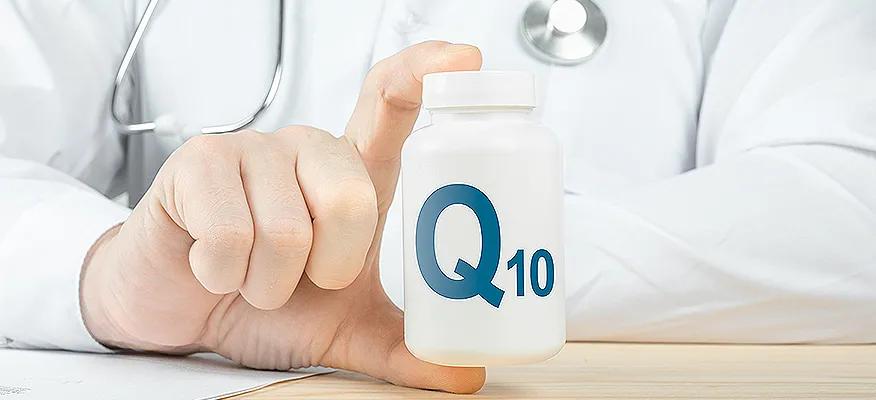
Oxygen is essential for producing energy in our cells, keeping our bodies functioning smoothly. However, this process can also create ROS, which are harmful byproducts. These molecules can damage DNA, proteins, and lipids, leading to oxidative stress.
While small amounts of ROS are normal and even necessary for cell signaling, too much can disrupt cellular balance and contribute to various diseases such as neurodegenerative diseases, cancer, diabetes, and inflammatory bowel disease. This is where antioxidants come into play—they neutralize ROS and help protect our cells from damage.
CoQ10 is one such essential ingredient. It is well-known for its strong antioxidant qualities and capacity to generate energy within our cells. It also contributes significantly to the prevention of several health problems.
In this blog, we will look at what CoQ10 is, how it works, what it is used for, what foods contain it, daily intake requirements, safety concerns, and how supplements can assist to meet the body's demand for CoQ10.

Coenzyme Q10: Definition
Let us start with the basics:
CoQ10, also known as ubiquinone, is a fat-soluble, vitamin-like molecule that is naturally present in the cellular membranes throughout our bodies. CoQ10 was first discovered by scientist Frederick Crane in 1957. It is named so because it is a type of 'coenzyme’ with a chemical structure that includes 10 isoprenoid units (smaller building blocks made up of carbon and hydrogen atoms). This special molecule is present in the membranes of our cells, particularly in the energy-producing parts known as mitochondria. It comes in two forms: Ubiquinone (oxidized) and Ubiquinol (reduced).
Mechanism of action
How CoQ10 supports your cells:
Energy production: CoQ10 is essential for producing energy in your cells. It helps transfer electrons in the mitochondria to create Adenosine Triphosphate (ATP), which powers your cells.
Reduces ROS: CoQ10 helps minimize harmful ROS by transferring electrons between key parts of the respiratory chain and being a part of the structures that reduce ROS production.
Cellular stabilization: CoQ10 supports the stabilization of important functions of the cell membrane. It helps regulate calcium channels, manages metabolism, aids cell signaling, and supports cell growth by controlling key redox intermediates like NADPH.
CoQ10 may enhance the production of essential antioxidants like superoxide dismutase, which helps reduce oxidative stress in blood vessels, particularly in individuals with high blood pressure. It also lowers lipid peroxidation (oxidative degradation of lipids) by reducing harmful oxidative compounds. Additionally, CoQ10 supports better blood flow and protects blood vessels by maintaining levels of nitric oxide.
Pharmacokinetics of CoQ10
Absorption: CoQ10 is fat-soluble and absorbed slowly, but absorption improves with fatty meals. Solubilized forms enhance bioavailability, with peak plasma levels typically reached within 5.8 to 8.1 hours.
Distribution: CoQ10 is absorbed from the small intestine and carried in the bloodstream within lipoproteins (VLDL, LDL, HDL). It is taken up by various tissues, especially the heart, liver, kidneys, and muscles.
Metabolism: CoQ10 is converted to its active form, ubiquinol, in the body. Ubiquinol makes up about 95% of the circulating CoQ10.
Elimination: CoQ10 is mainly eliminated through bile and feces, with a small amount excreted in urine.
Uses of CoQ10
Let us explore what CoQ10 is used for. Its diverse cellular properties suggest potential benefits for treating various conditions that may improve with mitochondrial and antioxidant support.
Neurologic and metabolic indications
Parkinson’s disease: Studies have shown that patients with Parkinson's disease, who took 1,200 mg of CoQ10 daily for 9 months experienced improvements. Specifically, this dosage is linked to up to 44% less decline in daily functioning and overall activities.
Mitochondrial encephalomyopathies: CoQ10 has shown promising results in easing symptoms related to certain mitochondrial disorders.
Migraine: Research indicates that taking CoQ10 daily can lower both the frequency and duration of migraine attacks. About 47.6% of people taking CoQ10 have experienced a significant reduction in headache frequency, with a decrease of 50% or more.
Cardiovascular indications:
oQ10 offers benefits for cardiac function in patients with various cardiovascular conditions, such as heart attacks, valvular heart disease, ischemic cardiomyopathy, and more.
Hypertension:
CoQ10 can be used as a standard treatment or additional therapy alongside antihypertensive medications to help reduce blood pressure.
Diabetes:
CoQ10 may aid in improving control of blood sugar by decreasing oxidative stress and supporting overall metabolic function.
Exercise performance:
CoQ10 has been shown to enhance physical performance. In one study, 94% of athletes did experience an improvement in performance and faster recovery times with CoQ10 supplementation.
Safety of CoQ10
Now that we know what CoQ10 is and how it works, let us examine whether it is safe or not.
CoQ10 is considered safe when used as a dietary supplement. While most people take between 100 to 200 mg daily, even higher doses of up to 1,200 mg are unlikely to cause harm. Preclinical studies have shown that ubiquinol, a form of CoQ10, is safe in rats at doses between 300 and 600 mg per kg of body weight.
For people, the typical daily dose ranges from 100 to 300 mg. With a daily dose of 300 mg (about 5 mg per kg of body weight), there is a large safety margin — 60 to 120 times higher than the levels shown to be safe in studies. This indicates that using ubiquinol over the long term is safe for most people.
Contraindications:
- Patients undergoing chemotherapy: Avoid CoQ10 due to limited data on interactions with chemotherapy drugs.
- Diabetes: Use with caution as CoQ10 may lower fasting blood glucose levels.
- Allergies: Avoid, if you have a known hypersensitivity to CoQ10 or any of its ingredients. Some supplements may contain silicon dioxide, which could cause allergic reactions.
Natural ways to increase CoQ10
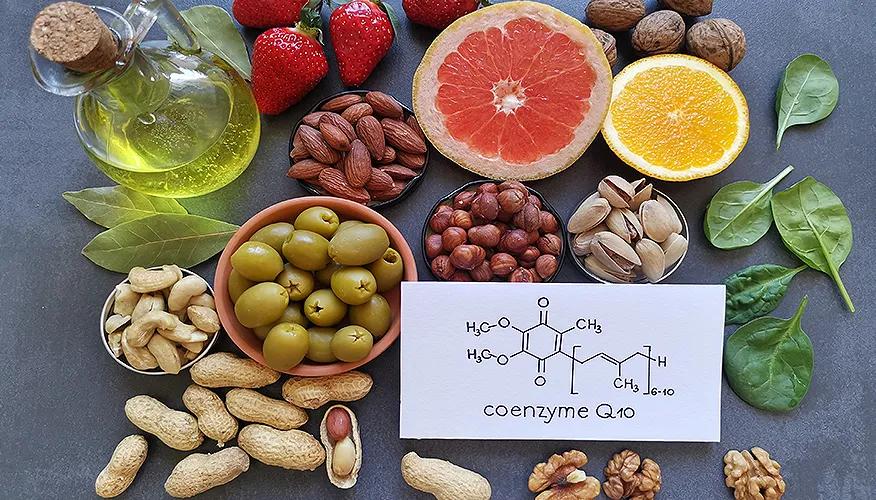
CoQ10 is a substance found in human tissue that can be obtained through diet, supplements, or naturally produced by the body.
Best source: Meats, fatty fish such as salmon and tuna, and eggs. Smaller amounts: Whole grains, soybeans, nuts, and vegetables like spinach and broccoli.
For better absorption, it is best to take CoQ10 with a fatty meal, as it is absorbed in the small intestine. Its absorption is influenced by what you eat and drink.
Proper intake of CoQ10
CoQ10 is available in various forms, including tablets, capsules, soft gels, and liquid formulations. To enhance absorption, it is recommended to take CoQ10 with meals. These supplements range from 30 to 600 mg per unit and are easily accessible over the counter.
For different diseases, the recommended dosages of CoQ10 vary:
- Mitochondrial cytopathies: The dosage starts at 150 mg daily or 2 mg per kg of body weight per day, with some patients requiring gradual increases up to 3,000 mg daily.
- Parkinson’s disease: The typical dosage ranges from 300 to 1,200 mg daily, divided into four doses.
- Cardiovascular conditions: Generally, 50 to 200 mg daily is recommended.
- Diabetes: The suggested dosage is between 100 to 200 mg per day.
It is important to consult a doctor before starting CoQ10, especially if you are taking other medications.
CoQ10 supplements
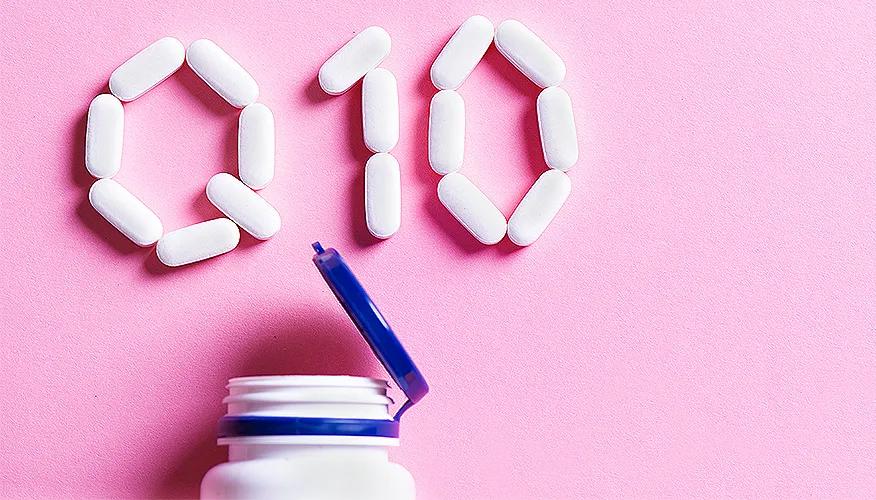
CoQ10 is found in some foods and available as a dietary supplement. It is easy to get over the counter and often suggested by both primary care doctors and specialists. Most people tolerate CoQ10 well, but some might experience mild and rare side effects like an upset stomach, nausea, vomiting, or diarrhea.
Conclusion
CoQ10 is an essential antioxidant present in the body that plays a key role in energy production and helps regulate oxidative stress. By neutralizing harmful ROS, CoQ10 supports cellular health and contributes to the management of various conditions like diabetes, heart disease, and neurological disorders.
Understanding its benefits, proper dosage, and natural sources can help you make the most of this powerful nutrient. For many, incorporating CoQ10 through diet or supplements can enhance overall well-being and support specific health needs.
Meet our expert

Meet our expert
Deborah Onoja, a dedicated Registered Nutritionist-Dietitian, holds a Bachelor's degree in Nutrition & Dietetics from the Federal University of Agriculture, Abeokuta. She furthered her expertise with a Master's degree in Clinical Nutrition and Diet Therapy from the University of Ibadan.



How was the experience with article?
We'd love to know!