
Vitamin C is essential for your baby’s immune system, iron absorption, and healthy tissue growth. Babies need 40 mg per day from birth to 6 months and 50 mg per day from 7 to 12 months. Most infants get enough vitamin C from breast milk or formula, and supplements are rarely necessary unless advised by a pediatrician.
As your baby begins solid foods, fruits and vegetables like guava, strawberries, bell peppers, and broccoli can naturally meet daily requirements. Understanding how much vitamin C your baby needs — and whether supplementation is required — can help you make safe and informed feeding decisions.
In this article, we explore why vitamin C matters for babies and the easiest, most natural ways to include it in your little one’s diet.
What Is Vitamin C?
Vitamin C (also called ascorbic acid) is a water-soluble vitamin that supports:
- Immune system function
- Iron absorption
- Healthy skin and tissue repair
- Brain development
- Wound healing
Since the body cannot produce vitamin C on its own, babies must get it through breast milk, formula, or food.
Is Vitamin C good for Babies?
Yes, vitamin C is good for babies because it supports their immune system, helps the body absorb iron, and promotes healthy growth and tissue repair. Most babies get enough vitamin C from breast milk, formula, and fruits once they start solids, so supplements are usually not needed unless recommended by a doctor.
Why is Vitamin C Important for Babies?
Vitamin C is one of the most essential nutrients during infancy because it supports rapid growth, immune development, and overall cellular protection. Since babies cannot produce vitamin C on their own, they must obtain it through breast milk, fortified formula, or complementary foods. Adequate intake during the first year of life helps build a strong foundation for healthy physical and cognitive development.
1. Strengthens the Immune System
A baby’s immune system is still developing, making them more vulnerable to infections. Vitamin C supports immune health by enhancing the function of white blood cells, particularly neutrophils, which act as the body’s first line of defense. It also helps reduce oxidative stress during illness and supports faster recovery from minor infections and wounds. This immune support is especially important during the first year, when babies are frequently exposed to new bacteria and viruses.
2. Essential for Collagen Formation and Growth
Vitamin C is crucial for the production of collagen, the most abundant structural protein in the body. Collagen forms the foundation of skin, blood vessels, bones, cartilage, gums, and teeth. Because infants grow rapidly, they require strong connective tissues to support expanding bones and developing organs. Adequate vitamin C ensures proper tissue repair, healthy skin integrity, and effective wound healing during this critical growth phase.
3. Improves Iron Absorption and Prevents Anemia
As babies begin eating solid foods around six months of age, iron becomes a key nutrient for brain and blood development. Vitamin C significantly enhances the absorption of non-heme iron, which is primarily found in plant-based foods. This function is especially important for babies consuming vegetarian or low-meat diets. By improving iron absorption, vitamin C helps reduce the risk of iron deficiency anemia, which can negatively impact growth, immunity, and cognitive development.
4. Provides Powerful Antioxidant Protection
Infants experience high metabolic activity as their organs and tissues develop. This process naturally produces free radicals, which can damage cells if not neutralized. Vitamin C acts as a potent antioxidant, protecting rapidly developing cells from oxidative stress. This cellular protection supports long-term health and helps maintain the integrity of vital organs during early development.
5. Supports Healthy Brain Development
Vitamin C plays an indirect but important role in brain development. It contributes to the synthesis of neurotransmitters, which are essential for nerve signaling and cognitive function. Additionally, by improving iron absorption and protecting brain cells from oxidative damage, vitamin C supports healthy neurological growth during infancy, a period when the brain develops rapidly.
6. Prevents Vitamin C Deficiency
Although rare today, severe vitamin C deficiency can lead to Scurvy, a condition that may cause irritability, swollen or bleeding gums, poor wound healing, weak bones, and delayed growth in infants. Ensuring adequate vitamin C intake through breast milk, formula, or appropriate complementary foods helps prevent such complications and supports overall healthy development.
How much Vitamin C do babies need? (Recommended Daily Allowance)
The required amount of vitamin C for babies depends on their age, but the numbers presented here are based on Adequate Intake (AI) guidelines, since there is not enough data to form a full Recommended Dietary Allowance (RDA) for infants.
For babies from birth to 6 months, 40 milligrams of vitamin C per day is considered adequate, while between 7 and 12 months, the requirement increases to 50 milligrams per day. After that, toddlers aged 1 to 3 years only need about 15 milligrams daily.
The vitamin C needs for a 1-month-old baby are usually met through breast milk or formula. For the former, the mother must consume enough vitamin C herself, about 120 milligrams daily, to ensure the milk contains sufficient amounts of the same.
| Age | Daily Vitamin C Requirement |
| 0–6 months | 40 mg |
| 7–12 months | 50 mg |
| 1–3 years | 15 mg |
Do Breastfed Babies Need Vitamin C Supplements?
Generally, no.
Breast milk naturally contains vitamin C. If the mother eats a balanced diet rich in fruits and vegetables, her milk usually provides enough vitamin C for the baby.
However, supplementation may be considered if:
- The mother has severe nutritional deficiency
- The baby has certain medical conditions
- A pediatrician recommends it
Always consult a pediatrician before giving supplements.
Do Formula-Fed Babies Need Vitamin C?
In most cases, no — formula-fed babies do not need extra vitamin C supplements.
Why Not?
Infant formulas are specially designed to meet a baby’s nutritional needs. They are fortified with essential vitamins and minerals, including vitamin C, in amounts that match recommended daily requirements.
Vitamin C is added to formula to:
- Support immune system development
- Help with iron absorption
- Promote healthy skin and tissue growth
- Prevent vitamin C deficiency (scurvy)
If your baby is drinking the recommended amount of formula daily, they are typically getting enough vitamin C.
Best Food Sources of Vitamin C for babies
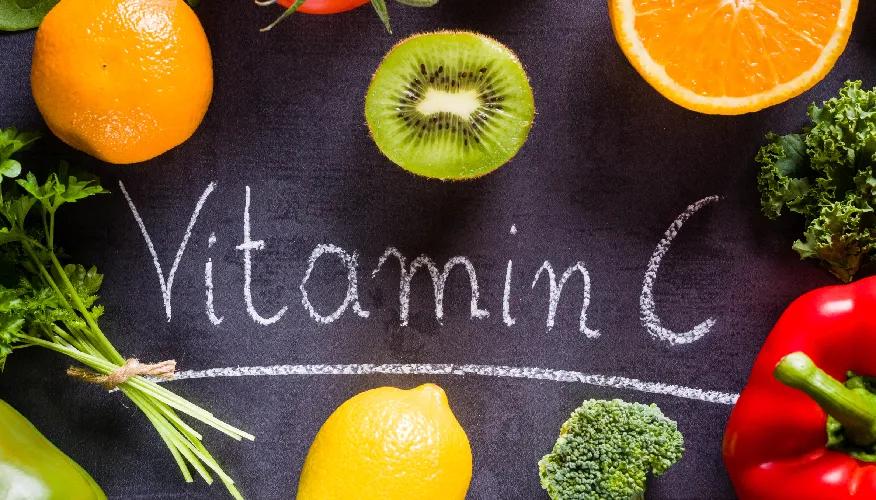
You can begin introducing vitamin C–rich foods once your baby starts solid foods, usually around 6 months of age. According to the American Academy of Pediatrics, this is the ideal time to expand your baby’s diet with nutrient-dense fruits and vegetables.
While breast milk or formula continues to provide vitamin C during the first year, adding whole foods helps support:
- Strong immunity
- Healthy skin and tissue repair
- Better iron absorption
- Overall growth and development
For babies 7–12 months old, the recommended intake is about 50 mg per day, which is easily achieved through a balanced diet.
Vitamin C–Rich Fruits for Babies
These fruits are naturally sweet, easy to mash, and baby-friendly:
- Guava – One guava contains over 125 mg of vitamin C, more than double a baby’s daily requirement.
- Kiwi – A small serving provides a powerful vitamin C boost.
- Oranges and Tangerines – Juicy and rich in immune-supporting nutrients.
- Strawberries – Around 40 mg per serving and easy to mash.
- Papaya – Gentle on digestion and vitamin C rich.
- Mango – Provides moderate vitamin C and is easy to puree.
- Melons – Offer a mild but helpful vitamin C contribution.
Vitamin C–Rich Vegetables for Babies
Vegetables are equally important sources:
- Red bell peppers – Among the richest sources of vitamin C.
- Broccoli (cooked) – Provides vitamin C along with fiber.
- Cauliflower – Mild flavor and good nutrient content.
- Green bell peppers – Another strong plant-based source.
- Sweet potatoes and Tomatoes – Offer additional vitamin C along with antioxidants.
Light steaming helps preserve vitamin C better than prolonged boiling.
Practical Tips for Parents
- Start with soft, mashed, or pureed textures.
- Introduce one new food at a time.
- Pair vitamin C–rich foods with iron-rich foods (like lentils or spinach) to enhance iron absorption.
- Be patient — babies may need multiple exposures before accepting new flavors.
Every baby develops at their own pace, and it’s normal if they don’t immediately accept new foods. With consistent exposure and variety, meeting vitamin C needs becomes simple and natural.
Related: Everything You Need To Know About Solid Foods For Newborns
When can babies have Vitamin C-rich foods?
- Once babies begin solids, usually near the 6-month mark, you can start offering them fruits and vegetables that are rich in vitamin C.
- Begin with smooth purees like mango or broccoli, then move to mashed textures by 8 months, and finger foods like kiwi slices or cooked bell peppers by 10 months.
- Introduce new foods one at a time to watch for allergies. Citrus fruits can be added cautiously later, as they may irritate sensitive tummies.
Signs of Vitamin C deficiency in babies
With modern food practices, vitamin C deficiency is uncommon in babies unless they have very limited eating habits or medical conditions that affect absorption. Regardless, here are a few signs of vitamin C deficiency in babies:
- Prolonged lack of vitamin C may cause scurvy and issues like bleeding or inflamed gums.
- Pale skin and slower-than-normal wound healing.
- Babies with vitamin C deficiency may become unusually irritable or fussy.
- A poor appetite and low energy levels.
- Tiny red spots called petechiae can show up on the skin.
Do babies need Vitamin C supplements?
Most healthy babies don’t need vitamin C supplements. Breast milk and formula provide sufficient amounts, and once solids are introduced, a variety of fruits and vegetables can cover the rest.
- For infants who consume less than 500 milliliters of formula per day and are not receiving enough nutrients from other sources, supplements might be a viable option.
- Beginning at six months, this may occasionally be the case with mixed-fed infants.
- Additionally, you might think about supplementing if your infant has a medical issue that prevents them from absorbing vitamin C.*
According to pediatric guidelines, healthy full-term infants who consume adequate breast milk or formula do not require additional vitamin C supplementation. Supplements should only be used if recommended by a qualified pediatrician, particularly in cases of medical conditions or limited dietary intake.
Is too much Vitamin C harmful for babies?
Since vitamin C dissolves in water, excess amounts are often eliminated by the body through urine. Extremely high vitamin C dosage for a child, however, may result in symptoms such as cramping in the stomach, nausea, vomiting, and diarrhea.
For toddlers aged 1 to 3 years, the maximum safe intake is set at 400 milligrams per day. For children between 4 and 8 years, the limit increases to 650 milligrams.
Easy Vitamin C Meal Ideas for Babies (6+ Months)
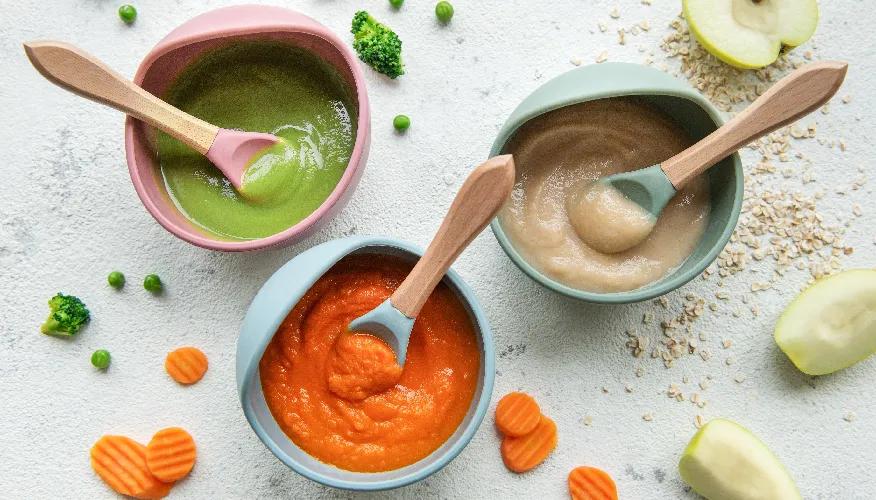
- Mango mash – Mash ripe mango and serve plain.
- Strawberry banana mash – Mash together for a sweet vitamin C boost.
- Broccoli puree – Steam until soft and blend.
- Tomato lentil mash – Cook lentils with tomato (helps iron absorption).
- Orange pulp (no juice bottle) – Mash and serve with a spoon.
- Kiwi yogurt (9+ months) – Mix mashed kiwi with plain yogurt.
- Soft red bell pepper pieces (10+ months) – Steam and serve as finger food.
Tip: Pair vitamin C foods with iron-rich foods (like lentils or iron-fortified cereal) to improve iron absorption.
Related:The Ultimate Guide To Feeding Your Baby: How Often Is Enough?
When Should You Consult a Pediatrician?
- If baby refuses food for several days
- Persistent diarrhea after supplements
- Signs of scurvy (bleeding gums, irritability)
- Medical conditions affecting absorption
- Premature babies with feeding issues
Conclusion
From immune strength to brain development, your baby’s growth depends on key nutrients working together, and vitamin C is among the most important ones.
Although deficiency is rare, it can appear quickly if intake drops for just a few weeks. Most babies easily meet their needs through breast milk, formula, and eventually a varied diet. Parents can support this by serving fresh or lightly cooked fruits and vegetables with meals.
With thoughtful planning and age-appropriate textures, supplements are rarely needed. Still, in certain cases, a pediatrician may recommend one. Supporting your baby’s health can be simple, flavorful, and deeply rewarding.
Meet our expert

Meet our expert
Dr. Burtseva Tamara Viktorivna is a pediatrician by profession based out of Ukraine. In 2004, Dr. Viktorivna graduated from Ukraine's Donetsk Medical University where she specialised in pediatric studies. She then gathered extensive experience on ground until 2011 at city polyclinic No. 1 in Donetsk, where she worked as a pediatrician handling a variety of cases.



How was the experience with article?
We'd love to know!