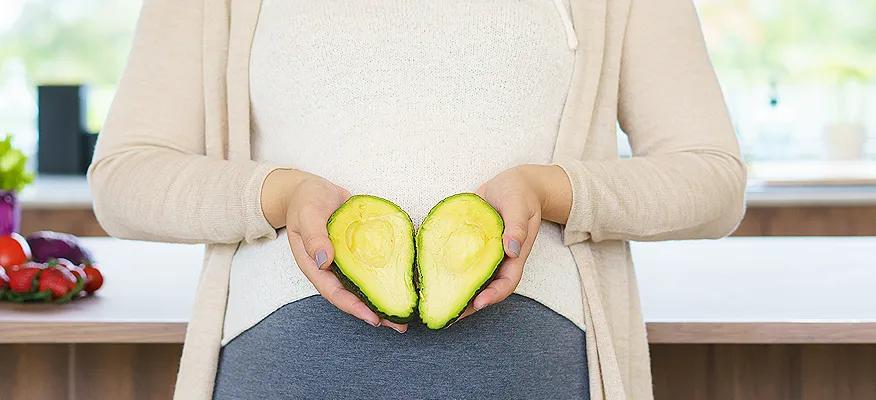
Pregnancy brings a whole new awareness to what you eat, and with so much advice out there, it’s normal to question what’s truly good for you and your baby!
When it comes to avocado in pregnancy, the good news is that this creamy fruit is one of the most nourishing foods you can enjoy throughout your pregnancy. Safe and versatile, avocados can be easily incorporated into a balanced prenatal diet.
Whether you're in your first trimester or preparing for delivery, adding avocados to your meals is a smart and nourishing choice.
Is avocado safe during pregnancy?
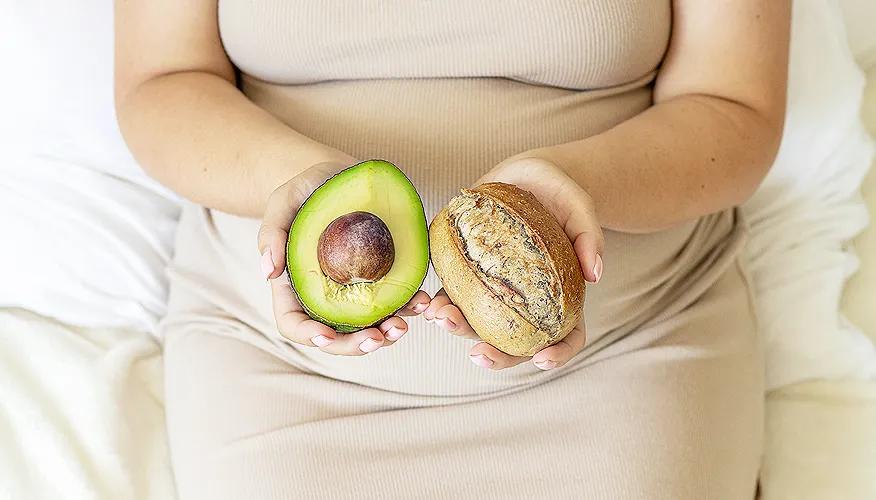
If you’re wondering whether avocado is safe to eat while pregnant, the answer is a clear yes. Avocado is safe to eat during pregnancy when consumed as part of a balanced diet and handled correctly to prevent foodborne illnesses.
Unlike many foods that come with pregnancy warnings, avocados contain no harmful compounds and have been safely enjoyed by expectant mothers for generations, especially in regions like Southeast Asia and East Africa where they’re a dietary staple.
In fact, healthcare professionals frequently recommend including avocado in a well-rounded pregnancy diet to support both the mother and baby.
Nutritional value of avocado
Avocados offer a wealth of essential vitamins and minerals that are especially beneficial during pregnancy. A single medium avocado (approximately 150 grams) provides:
| Nutrient | Amount | Pregnancy Benefit |
| Folate | 14% of the daily requirement | Neural tube development |
| Fiber | 7 g (25% daily intake) | Digestive health |
| Potassium | High levels | Blood pressure regulation |
| Vitamin C | Significant amount | Immune support |
| Healthy fats | Monounsaturated | Brain development |
| Magnesium | Good source | Muscle and nerve function |
What makes avocados unique is their perfect combination of healthy monounsaturated fats alongside essential vitamins and minerals. Additionally, the high fiber content makes them an excellent addition to your daily diet—particularly beneficial if you are dealing with the common issue of constipation during pregnancy.
Health benefits of eating avocado during pregnancy
The benefits of avocado during pregnancy extend far beyond basic nutrition. Here's how it supports both you and your growing baby:
- For baby and expectant mother: Avocados support fetal development by providing folate, healthy fats, and calcium, which are essential for your baby’s brain, spine, and bone growth. For the expectant mother, potassium and magnesium help maintain healthy blood pressure and reduce the risk of pregnancy-related complications.
- Supports digestive health: If you've experienced the uncomfortable issue of pregnancy constipation, you'll appreciate avocado's high fiber content. It helps ease constipation and promotes a healthy digestive system.
- Enhances nutrient absorption: The healthy fats in avocado improve the body’s ability to absorb fat-soluble vitamins (A, D, E, and K), supporting overall health for both mother and baby.
- Boosts energy and reduces inflammation: Avocado’s combination of fiber and healthy fats helps maintain stable energy levels and provides natural anti-inflammatory compounds that support overall well-being. Unlike sugary snacks that cause energy spikes, avocados provide steady, sustained energy.
How to eat avocado safely during pregnancy
Safety doesn't have to be complicated when it comes to enjoying avocados during pregnancy. Following these simple guidelines ensures you get all the avocado benefits for pregnancy without any unnecessary risks.
Preparation tips
- Choose ripe avocados that yield slightly to pressure but aren't overly soft.
- Wash the outer skin thoroughly before cutting; bacteria on the surface can transfer to the avocado flesh.
- Remove any brown or damaged portions.
Consumption tips
- Start with smaller portions if you're new to eating avocados.
- Drink plenty of water to help with fiber digestion.
- Balance with other foods throughout the day.
Storage tips
- Store avocados at room temperature until ripe.
- To keep them fresh and prevent browning, sprinkle some lemon juice on cut avocado surfaces and store them in airtight containers in the refrigerator.
- Consume within 1-2 days of cutting to prevent spoilage.
Best ways to eat avocado during pregnancy
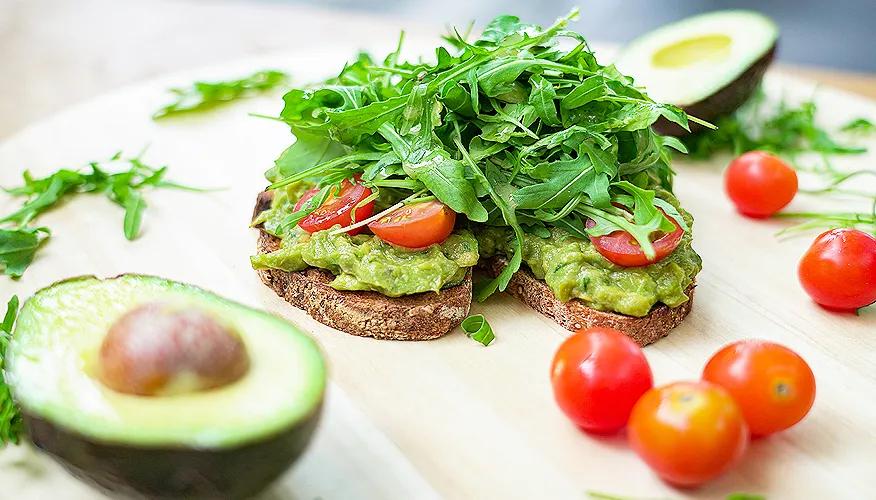
Craving avocado in pregnancy is actually your body's way of asking for the nutrients it needs.
Here are some delicious and nutritious ways to satisfy those cravings:
Quick and easy options
- Mashed on whole-grain toast with a sprinkle of salt and pepper.
- Sliced and added to sandwiches or wraps.
- Diced into salads with legumes or cooked vegetables.
Blended creations
- Added to smoothies with local fruits like mango or banana.
- Blended into creamy soups for extra richness.
- Mixed into yogurt for a protein-packed snack.
Cultural preparations
Many Asian and African cuisines incorporate avocado into both sweet and savory dishes, from avocado smoothies with condensed milk to flavorful avocado curries. This versatility means you’ll never run out of options and can easily tailor avocados to your cultural tastes and personal food preferences.
How much avocado can you eat during pregnancy?
- When it comes to portion sizes, moderation is the key. There are no specific international guidelines for maximum daily avocado intake during pregnancy, but most evidence suggests that consuming up to half or one medium avocado per day is safe as part of a balanced diet.
- This amount provides beneficial nutrients without excessive calorie or fat intake. Remember, while the fats in avocados are healthy, they're still calorie-dense, about 150-200 calories per half avocado.
- Consider your overall daily calorie needs and how avocado fits into your complete nutritional picture. If you're having avocado toast for breakfast, you might skip the extra olive oil in your lunch salad to balance your fat intake throughout the day.
Can you eat an avocado every day while pregnant?
Eating avocado daily is generally considered safe for most pregnant women, provided it's part of an overall healthy and varied diet. Here are some points to keep in mind:
- Eating avocado daily is like adding a natural supplement to your diet, delivering consistent nutrition to support your pregnancy journey.
- Variety is the key. While avocados are highly nutritious, they shouldn’t dominate your diet. Pair them with a mix of proteins, whole grains, fruits, and vegetables to ensure a well-rounded nutrient intake.
- Consult your healthcare provider if you have allergies, sensitivities, or medical conditions to ensure daily avocado consumption is appropriate for your individual needs.
Are there any side effects of avocado in pregnancy?
For most pregnant women, avocados are exceptionally well-tolerated with minimal side effects. However, being informed of potential issues helps you make the best choices:
- Digestive sensitivity: Some women may experience mild bloating if they're not used to high-fiber foods.
- Caloric considerations: Overconsumption could add excessive calories, though this is uncommon with moderate intake.
- Individual sensitivities: Avocado sensitivities are uncommon but can occur, especially in individuals with latex allergies. This is due to a condition known as latex-fruit syndrome, which may cause mild oral allergy symptoms like itching or tingling in the lips, mouth, or throat.
Avocado and gestational diabetes
If you're concerned about gestational diabetes or already managing it, avocados can actually be helpful. Their low glycemic index and high fiber content make them blood sugar-friendly. Here's how avocados may prove beneficial for your blood sugar levels:
- Low glycemic index: Won't cause rapid blood sugar spikes.
- High fiber content: Slows sugar absorption and promotes steady glucose levels.
- Healthy fats: Help stabilize energy and prevent insulin spikes.
- Protein content: Contributes to balanced meals that support stable blood sugar.
Thanks to their fiber and healthy fats, avocados help you feel full and satisfied—naturally curbing the urge to overeat. This can be especially helpful in managing gestational diabetes, as steady blood sugar levels and portion control are crucial to keeping your sugar levels in check.
Can avocados help with a baby's development?
The connection between maternal nutrition and fetal development is profound, and avocados offer several key nutrients that directly support your baby's growth.
- Neural tube development: Avocado's folate content directly supports your baby's neural tube development during the critical first trimester, helping prevent birth defects such as spina bifida. While folate supplements are typically recommended, getting additional folate from food sources like avocados is beneficial.
- Brain and nervous system formation: The healthy fats found in avocados are essential for your baby’s brain and nervous system formation. These fats contribute to the formation of cell membranes and support the rapid growth and complex development of neural tissues throughout pregnancy.
- Cellular growth support: Vitamin E and other micronutrients in avocados support healthy cell growth throughout your baby's development, contributing to overall fetal health and proper organ formation.
Avocado oil during pregnancy
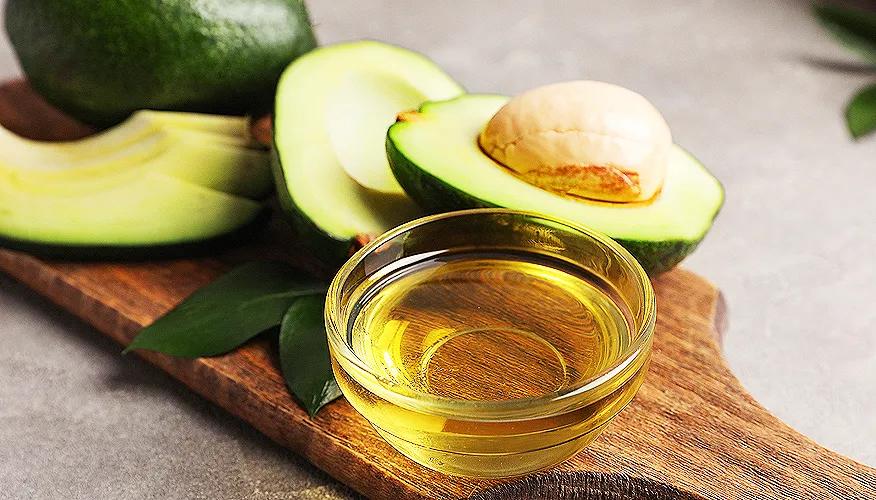
Cold-pressed avocado oil is a nutritious way to enjoy avocado benefits during pregnancy. Rich in monounsaturated fats and vitamin E, it’s ideal for salad dressings, light sautéing, or finishing dishes—supporting your pregnancy nutrition with healthy, versatile cooking options. Here are some key benefits of incorporating avocado oil into your pregnancy diet:
- Rich in heart-healthy monounsaturated fats.
- Contains vitamin E for cellular protection.
- High smoke point makes it suitable for various cooking methods.
- Neutral flavor that works in many dishes.
While avocado oil is safe for most pregnant women when used in moderation, it lacks the fiber and some micronutrients found in whole avocados. Use it as a complement to, not a replacement for, whole avocados in your diet.
Conclusion
Avocado in pregnancy isn’t just safe—it’s one of the most nourishing choices you can make for both yourself and your growing baby. Whether you enjoy half an avocado on toast for breakfast or blend it into a smoothie as a snack, you’re fueling your body with essential nutrients in their most natural and bioavailable form. Packed with healthy fats, fiber, vitamins, and minerals, avocados truly stand out as a pregnancy superfood that easily complements any diet or cultural cuisine.
It's important to remember that a healthy pregnancy diet is all about balance and variety. While avocados offer remarkable benefits, they are most effective when enjoyed as part of a diverse, nutrient-rich diet filled with fruits, vegetables, proteins, and whole grains. Always discuss significant dietary changes with your healthcare provider to ensure they align with your specific health circumstances and pregnancy journey.
How was the experience with article?
We'd love to know!