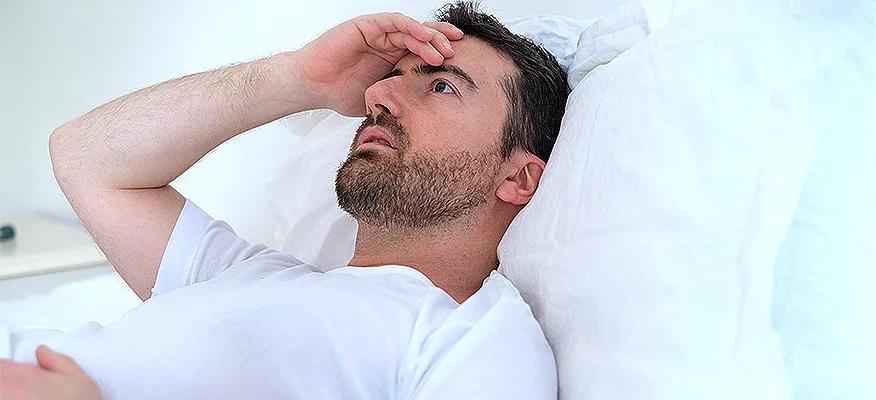
Yawn! Is that your third coffee of the day? Often, we find ourselves racing against the clock, juggling numerous tasks and responsibilities.
Whether it's meeting deadlines at work, taking care of our family, or maintaining a social life, something always seems to fall by the wayside. And unfortunately, that something is usually sleep. But did you know skimping on your zzz’s could lead to more than just an extra cup of joe in the morning?
As it turns out, lack of sleep may have deeper health implications than just feeling tired all day. From headaches to heart concerns, the effects of poor sleep quality might surprise you.
Specifically, we're going to discuss one issue many people don't often associate with sleep - high blood pressure.
Get ready to understand how skipping those precious hours of shut-eye could potentially impact your blood pressure. We will debunk some myths and share simple strategies for managing sleep disorders and maintaining good health.
How sleep affects blood pressure
When it comes to the role sleep plays in blood pressure regulation, we must first understand what happens in our bodies during sleep.

The role of sleep in regulating blood pressure
- During sleep, blood pressure naturally drops, a process known as nocturnal dipping. This reduction provides the cardiovascular system with a much-needed period of rest.
- The deepest stages of sleep, particularly slow-wave sleep, are crucial for this process, as they allow the heart and blood vessels to recover from the stress of the day.
- Growth hormones released during deep sleep help heal damaged blood vessels and reduce inflammation. This promotes better overall heart function.
- The autonomic nervous system (ANS), which regulates involuntary functions like heart rate and blood pressure, becomes more relaxed during sleep.
- As the ANS calms down, heart rate and blood pressure naturally decrease.
Impact of sleep deprivation on the cardiovascular system
- Lack of sleep triggers an overactive sympathetic nervous system, which increases heart rate and raises blood pressure.
- Sleep deprivation activates the body’s stress response, causing blood pressure to remain elevated throughout the day.
- Sleep deprivation interferes with the body’s circadian rhythms, which regulate various physiological functions, including blood pressure.
- Chronic sleep deprivation contributes to several harmful cardiovascular effects. It increases inflammation in the body, raises cortisol (the stress hormone), and impairs blood vessel function, all of which can contribute to the development of hypertension and other heart-related problems.
- Over time, these factors significantly raise the risk of heart disease and stroke.
Lack of sleep and high blood pressure
Many wonder, "Can lack of sleep cause high blood pressure?" Indeed it can!
Numerous studies have established a clear link between poor sleep and cardiovascular issues, including high blood pressure.
Scientific evidence
- Several studies have painted a clear picture of how sleep deprivation can contribute to elevated blood pressure.
- There is evidence suggesting that adults who regularly get seven to eight hours of quality sleep have lower rates of hypertension and obesity compared to those who don't sleep enough or who have poor sleep quality.
- Both short-term and long-term sleep deprivation have been linked to an increased risk of hypertension.
- Chronic sleep deprivation, in particular, has been associated with numerous heart problems, including high blood pressure, high cholesterol, heart attack, and stroke.
Mechanisms behind the link
- The link between lack of sleep and high blood pressure is not random. Sleep deprivation impacts stress hormones like cortisol and adrenaline, leading to high blood pressure.
- These hormones cause an increase in blood pressure, heart rate, blood sugar levels, and cholesterol.
- Moreover, poor sleep quality, as seen in disorders like sleep apnea and insomnia, is associated with a higher risk of high blood pressure. For example, persistent insomnia increases the risk of cardiovascular disease and stroke by 45% and 54%, respectively.

Sleep duration and its impact on blood pressure
Getting the right amount of sleep is important for regulating blood pressure. However, how much is enough? And what happens when you sleep too much?
How much sleep is needed for healthy blood pressure?
- Sleeping the right amount is a critical part of maintaining optimal health. Most adults should aim for at least seven hours of sleep each night.
- It has been observed that sleeping less than seven hours per night is associated with higher rates of hypertension and obesity.
Sleep quality vs. sleep quantity
- While getting enough sleep is crucial, the quality of your sleep is just as important.
- Deep, uninterrupted sleep allows your heart and blood vessels time to repair and restore themselves.
- Poor sleep quality or fragmented sleep can negate the benefits of adequate sleep duration.
Other health risks associated with sleep deprivation
Not getting enough sleep does more harm than just making you feel tired. Chronic sleep deprivation can lead to several health issues, including weight gain, diabetes, and negative mental health impacts.
Increased risk of cardiovascular disease
Chronic sleep deprivation doesn't just lead to high blood pressure - it's also associated with increased risks of heart disease, heart attacks, and stroke.
Weight gain and diabetes
Moreover, lack of sleep can lead to weight gain and a higher risk of developing insulin resistance and diabetes - all conditions that contribute to high blood pressure.
Mental health impacts
If physical risks aren't enough, lose sleep consistently, and you may also end up worsening stress, anxiety, and mood disorders. This further increases your blood pressure and can lead to other mental health issues such as anxiety, depression, and irritability.
Tips to improve sleep and prevent high blood pressure
Prevention is better than cure! Here are some tips to help you maintain healthy sleep habits and keep blood pressure at bay.

Sleep hygiene
- Improving your sleep hygiene is an excellent way to ensure better sleep quality.
- This entails creating a consistent sleep schedule and a sleep-friendly environment while avoiding stimulating activities before bedtime.
Managing sleep disorders
- If you suspect you have a sleep disorder like insomnia or sleep apnea, don't hesitate to seek medical advice.
- Management of these conditions can go a long way in improving your sleep quality.
Stress management
Incorporating stress-reducing activities such as meditation, yoga, and deep breathing exercises into your routine can be helpful in managing stress hormones that affect blood pressure.
Healthy lifestyle choices
Making healthy lifestyle choices such as maintaining a balanced diet, exercising regularly, and avoiding stimulants like caffeine and alcohol close to bedtime can contribute significantly to better sleep quality and overall health.
Conclusion
In conclusion, the answer to "Can lack of sleep cause high blood pressure?" is a resounding yes.
Sleep plays a vital role in regulating your heart health, and chronic sleep deprivation can disrupt this delicate balance, leading to increased blood pressure over time. Prioritizing quality sleep isn’t just about feeling rested; it’s a critical step in protecting your cardiovascular health.
So, make sleep a non-negotiable part of your routine—it’s one of the simplest yet most powerful ways to keep your blood pressure in check and your heart healthy. By adopting good sleep hygiene practices, managing sleep disorders, practicing stress management techniques, and making healthy lifestyle choices, we can reduce the risk of high blood pressure and associated health risks.
Meet our expert

Meet our expert
Dr. Lynda Odoh-Anikwe, holding a Bachelor of Medicine and Bachelor of Surgery (M.B.B.S) degree, she pursued her Master of Public Health (MPH) at the University of Manchester. Actively engaged in advancing preventive healthcare, she is a member of the Society of Lifestyle Medicine Nigeria. Dr. Odoh-Anikwe aims to attain certification as a Lifestyle Medicine Physician from the International Board of Lifestyle Medicine by the final quarter of 2022.



How was the experience with article?
We'd love to know!