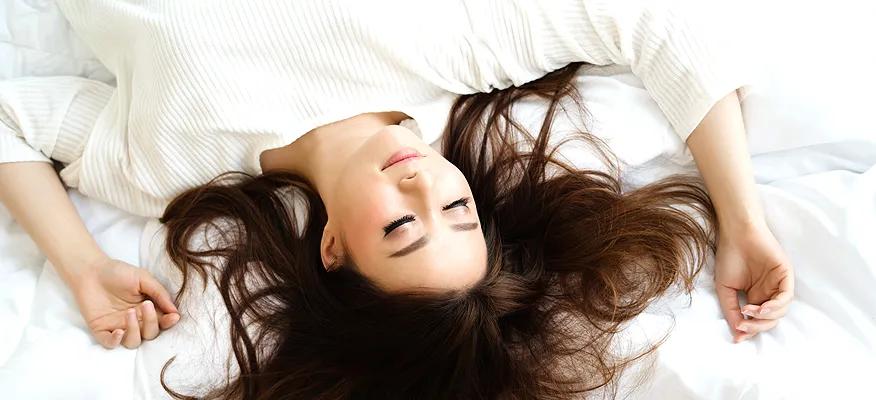
Pillow-Free Zone: What Science Says About Sleeping Without a Pillow

Pillow or No Pillow?

Key takeaways

  • Sleeping without a pillow can have benefits for certain individuals, but it may not be suitable for everyone.
  • Sleeping without a pillow can promote proper spinal alignment and alleviate neck and back pain.
  • It may improve blood circulation and reduce the risk of developing wrinkles and skin issues.
  • However, sleeping without a pillow may not be recommended for individuals with certain medical conditions or specific sleep preferences.
  • Experimenting with different pillow types and positions can help find the best sleep setup for your individual needs.

Have you ever wondered if it is good to sleep without a pillow? Well, pillowless sleep is a sleep position where individuals rest without using a pillow under their heads. It may seem unconventional, but there are both benefits and drawbacks to this sleeping style.

When it comes to sleep, there is no one-size-fits-all approach. What works for one person may not work for another.

So, let’s dive into the world of sleeping without a pillow and see if it could be a game-changer for your slumber.

GHBY Program
GHBY Program

Benefits of sleeping without a pillow

Sleeping without a pillow may seem unconventional, but it has several benefits for your overall well-being.

Let’s explore some of the benefits of ditching the pillow and embracing a more natural sleeping position.

1. Improved spinal alignment

  • When you sleep without a pillow, your spine is allowed to align more naturally.
  • This can help alleviate any strain or tension on your neck and back, promoting better posture and reducing the risk of developing chronic pain conditions.

2. Better circulation

  • By sleeping on a bed without pillows, you allow for improved blood flow throughout your body.
  • Pillows can sometimes restrict blood circulation, especially if they are too high or firm. With unrestricted blood flow, your muscles receive optimal oxygen and nutrients, enhancing their recovery and relaxation during sleep.

3. Reduced risk of wrinkles

  • Believe it or not, sleeping without a pillow can help prevent the formation of wrinkles. When you sleep on your side with a pillow, your face is pressed against the surface, which can cause friction and creasing of the skin over time.
  • By sleeping without a pillow or using a low-profile pillow, you minimize this contact and reduce the likelihood of developing sleep lines and wrinkles.

4. Improved breathing

  • Another benefit of sleeping without a pillow is improved breathing. Elevating your head with a pillow can sometimes compress your airways, making it harder to breathe freely.
  • By sleeping without a pillow or using a thin one, you maintain a more open airway passage, allowing for easier breathing throughout the night.

5. Natural head positioning

  • Sleeping without a pillow allows your head to rest in a more natural position. This can help reduce strain on your neck muscles and joints, preventing stiffness and discomfort that may arise from an unnatural sleeping posture.
  • A study found that sleeping without a pillow led to less neck pain and better sleep quality for participants.

Drawbacks of sleeping without a pillow
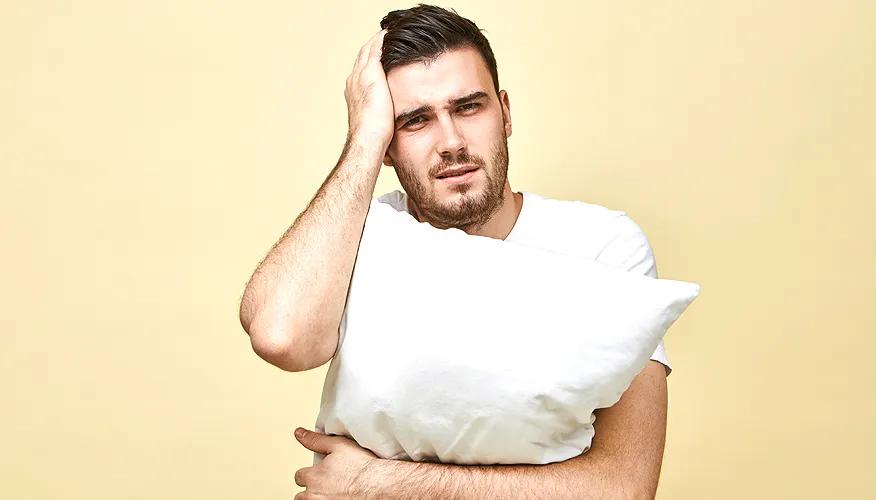
Drawbacks of sleeping without a pillow

When it comes to getting a good night’s sleep, many factors come into play. One element that often gets overlooked is the role of pillows in promoting optimal sleep.

While some people may prefer the feeling of sleeping without a pillow, there are several drawbacks to consider.

Let’s explore some of these drawbacks in more detail:

1. Snoring and sleep apnea

  • For individuals who snore or have sleep apnea, sleeping without a pillow may worsen these conditions.
  • Pillows can help elevate the head slightly, which promotes better airflow through the nasal passages and reduces snoring and breathing interruptions during sleep.
  • Without this elevation, snoring and sleep apnea symptoms may become more pronounced.

2. Pressure points

  • Sleeping without a pillow can lead to increased pressure on certain areas of the body, such as the shoulders, hips, and head. This lack of support may cause discomfort and contribute to the development of pressure points, leading to pain and stiffness.
  • Individuals who are prone to joint issues or sensitive areas may find that using a pillow helps distribute weight more evenly and reduces the risk of waking up with sore spots.

3. Comfort preference

  • Lastly, comfort preference is an essential aspect to consider when deciding whether to sleep on a bed without pillows.
  • Some individuals find that sleeping without a pillow allows them to adopt a more natural sleeping position, while others may feel discomfort or uneasiness without the support and cushioning provided by a pillow.
  • It ultimately comes down to personal preference and what feels most comfortable for you.

How to start sleeping without a pillow?
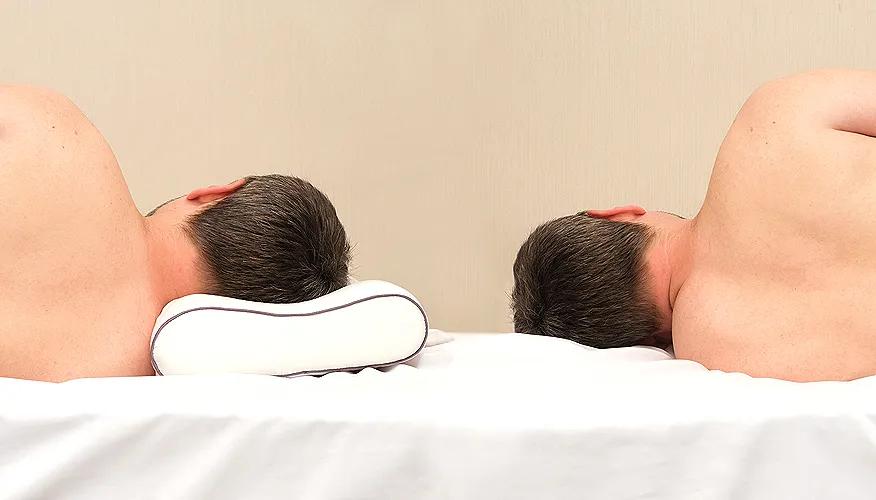
How to start sleeping without a pillow?

While many people swear by using a pillow, some wonder if sleeping without one could be beneficial.

If you’re considering giving up your pillow and exploring this alternative way of sleeping, here are some tips on how to start sleeping without a pillow:

1. Gradual transition

  • If you’ve been using a pillow for years, abruptly giving it up might not be the best idea. Your body needs time to adjust to this change.
  • Start by gradually reducing the height of your pillow or switching to a thinner one.
  • This will allow your neck and spine to slowly adapt to the new sleeping position.

2. Experiment with different positions

  • Sleeping without a pillow doesn't mean you have to sleep completely flat on your back.  
  • You can experiment with different sleeping positions to find what works best for you.
  • Try sleeping on your side or stomach with a small rolled-up towel or blanket under your neck for minimal support.
  • This can help maintain the natural alignment of your spine while providing some comfort.

3. Support for other body parts

  • When you sleep without a pillow, it’s important to ensure that other parts of your body receive adequate support.
  • Place a pillow or folded blanket under your knees if you’re sleeping on your back, or between your knees if you’re sleeping on your side.
  • This helps relieve pressure on your lower back and promotes better spinal alignment.
Valian X
Valian X

4. Consider your mattress

  • The type of mattress you have can also affect how comfortable it is to sleep without a pillow.
  • If you have a firm mattress, it may provide enough support for your body even without a pillow.
  • However, if you have a softer mattress, you might need additional support from pillows or cushions placed strategically under different body parts.

5. Listen to your body

  • Pay attention to how your body feels when you sleep without a pillow.
  • If you experience any discomfort or pain, it may be an indication that you need some form of support.
  • Trust your instincts and make adjustments accordingly.

Conclusion

In the journey of exploring the pros and cons of sleeping without a pillow, we’ve unveiled a myriad of insights. From enhancing spinal alignment to potential drawbacks like snoring, each aspect plays a role in your sleep quality. As you contemplate this personal choice, remember that comfort is subjective.

Whether you’re leaning towards pillowless slumber or embracing your favorite pillow, the key is to find what suits you. Experiment, listen to your body, and make changes gradually.

Your sleep experience is unique, and understanding the balance between comfort and support is the ultimate path to restful nights and refreshed mornings. Sweet dreams!

Meet our expert

Dr. Naveeda Adam

Dr. Naveeda Adam

Medical Officer

Tanzania

Dr. Naveeda Adam

Meet our expert

Dr. Naveeda Adam serves as the Medical Officer of the Gastrology Department at Muhimbili National Hospital in Dar es Salaam, Tanzania.

Rate our article

We'd love to know!

  • 6
  • 7
  • 76
  • 128

How was the experience with article?

We'd love to know!

Related articles

See All

Frequently asked questions

It is not universally better to sleep without a pillow, as the benefits or drawbacks depend largely on your sleeping position, body type, and health conditions. For some people, especially stomach sleepers, sleeping without a pillow can reduce neck strain and allow the spine to rest in a more natural alignment. However, for back and side sleepers, skipping a pillow often leads to poor posture, spinal misalignment, and added pressure on the neck and shoulders. Ultimately, whether sleeping pillow-free is better comes down to your personal comfort, sleep quality, and whether your body feels more rested with or without one.

The benefits of sleeping without a pillow include improved spinal alignment, better circulation, reduced facial wrinkles, and potentially easier breathing. Without a pillow pushing the head forward or sideways, the neck and spine can stay in a more natural position, which may reduce stiffness and tension. Blood flow can also improve when there is no added pressure around the neck or shoulders from a thick pillow. In addition, since your face does not press into fabric, sleeping without a pillow can help reduce skin creases and friction that contribute to wrinkles and acne. For some people, especially stomach sleepers, the absence of a pillow may even make breathing easier by preventing airway compression.

The drawbacks of sleeping without a pillow can be significant for many people. Back and side sleepers often struggle with poor spinal support without a pillow, leading to neck and back pain over time. Pillows help elevate the head slightly, which improves airflow and reduces the risk of snoring or worsening sleep apnea. Without a pillow, there is also a higher chance of developing pressure points in the shoulders, hips, or head, especially on softer mattresses. Many people may also find it simply uncomfortable to sleep without the cushioning and support a pillow provides, which can negatively affect sleep quality.

Stomach sleepers benefit the most from sleeping without a pillow because using one usually forces the neck into an awkward upward angle that can strain muscles and joints. People who experience frequent skin creases or breakouts from pillow friction may also notice improvements when skipping a pillow. Additionally, individuals with naturally firm, supportive mattresses may find that their body feels better aligned without the need for extra cushioning under the head. However, it’s important to note that not everyone will benefit equally, and some may still require minimal support like a thin pillow or rolled towel.

Sleeping on your stomach is best suited for going without a pillow, as this position keeps the spine in a more natural alignment without forcing the head into an unnatural angle. For back sleepers, sleeping pillow-free can sometimes be beneficial if the mattress provides excellent support, but many still need at least a thin pillow to prevent neck strain. Side sleeping, on the other hand, is generally not recommended without a pillow because it creates a large gap between the head and the mattress, which can twist the spine and cause discomfort.

Yes, sleeping without a pillow is often bad for back and side sleepers. Back sleepers typically need a pillow to keep their head slightly elevated and aligned with the natural curve of the spine. Without it, the head may tilt backward, straining the neck. Side sleepers experience even more issues without a pillow, as the head naturally falls toward the mattress, causing spinal misalignment and pressure on the shoulders. For these sleep positions, a supportive pillow is generally recommended to prevent long-term pain and discomfort.

Yes, sleeping without a pillow can help reduce wrinkles and acne because your face is not pressed against fabric for hours each night. When using a pillow, especially while side or stomach sleeping, friction between the skin and pillowcase can create creases that eventually turn into fine lines and wrinkles. Pillowcases also collect oil, sweat, and bacteria, which can transfer to the skin and contribute to acne breakouts. Sleeping pillow-free reduces these risks by minimizing contact, though overall skin care and cleanliness are equally important.

Going pillow-less may improve breathing for some people, particularly stomach sleepers, by preventing airway compression. However, for back sleepers and individuals with snoring or sleep apnea, pillows are actually helpful because they elevate the head and keep the airway open. Without a pillow, the tongue and soft tissues may fall back into the throat, increasing snoring and breathing difficulties. Therefore, whether pillow-less sleeping improves or worsens breathing depends heavily on your sleeping position and health conditions.

To transition to sleeping without a pillow, it’s best to start gradually. Begin by using a thinner pillow or a folded towel instead of suddenly eliminating head support. This allows your neck and spine time to adjust without causing strain. Experiment with different sleeping positions to see what feels most natural—stomach sleepers may adapt faster, while back and side sleepers should be cautious. Supporting other body parts, such as placing a pillow under your knees (for back sleepers) or between your knees (for side sleepers), can also make the transition more comfortable.

Yes, certain medical conditions make sleeping without a pillow inappropriate. People with sleep apnea, acid reflux (GERD), or chronic neck and back pain usually require head elevation for safe and comfortable sleep. A pillow helps open airways in sleep apnea, prevents acid from flowing back into the esophagus in GERD, and supports spinal alignment for those with musculoskeletal issues. In such cases, going pillow-free may worsen symptoms rather than provide benefits.

Yes, mattress type plays a major role in whether sleeping without a pillow feels comfortable. A firm, supportive mattress can help maintain proper spinal alignment and reduce the need for extra head support. Softer mattresses, however, cause the body to sink unevenly, which can create awkward angles and make pillow-free sleep uncomfortable. If you plan to try sleeping without a pillow, having a mattress that evenly supports your body is essential to avoid neck and back pain.

Yes, sleeping without a pillow can improve circulation by preventing unnatural bends in the neck that may restrict blood flow. High or firm pillows sometimes compress blood vessels and muscles, reducing oxygen delivery and increasing stiffness. Without a pillow, the head and neck can rest more naturally, encouraging smoother blood flow and reducing the risk of waking up with numbness or tension. However, this benefit is more noticeable for stomach sleepers than for back or side sleepers.

The adjustment period for sleeping without a pillow varies from person to person. Some adapt within a few nights, while others may take several weeks for their muscles and spine to feel comfortable. The key is to transition slowly, listen to your body, and make adjustments based on your comfort level. If pain or stiffness persists after a few weeks, it may be a sign that pillow-free sleep is not suitable for you.

No, sleeping without a pillow is generally not safe for people with sleep apnea or GERD. For sleep apnea patients, pillows help elevate the head and keep the airway open, reducing breathing pauses and snoring. In GERD, a slightly elevated sleeping position prevents stomach acid from rising into the throat, which reduces nighttime reflux. Sleeping flat without a pillow may worsen both conditions and negatively impact sleep quality.

Yes, sleeping without a pillow can reduce allergen exposure because pillows often harbor dust mites, pet dander, sweat, and bacteria that contribute to allergies. By eliminating the pillow, you reduce one of the main surfaces that collect allergens in your bed. However, this does not completely eliminate the risk, as mattresses, blankets, and sheets can still hold allergens. Regular cleaning, hypoallergenic covers, and proper ventilation are also important for maintaining a healthy sleep environment.

Please choose the language: