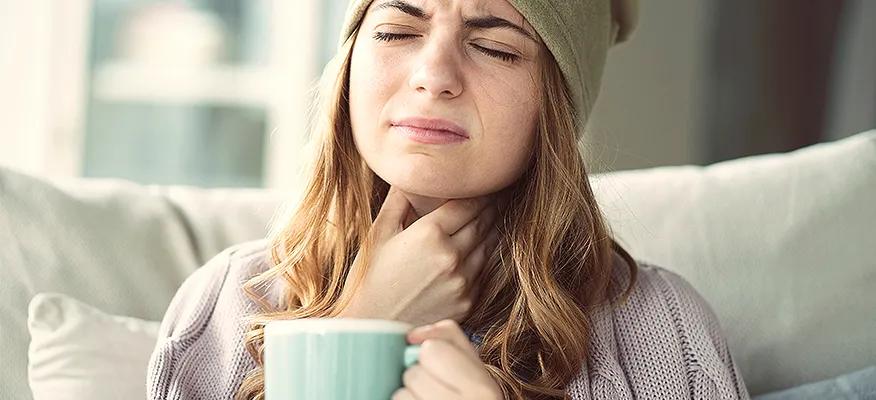
พบี๊พ บี๊พบี๊พ บี๊พบี๊พ! นาฬิกาปลุกของคุณส่งเสียงหึ่งเพื่อปลุกคุณให้ตื่น และเริ่มวันใหม่ของคุณ เช่นเดียวกับคนส่วนใหญ่ คุณอาจต้องการกาแฟยามเช้าของคุณเพื่อให้คุณตื่น ในฤดูหนาว คุณอาจมีอาการหวัดและไอ
แต่คุณสงสัยหรือไม่ว่า “กาแฟไม่ดีต่อการไอและการเป็นหวัดจริงไหม”
โรคหวัด ซึ่งจำแนกลักษณะได้จากการติดเชื้อเล็กน้อยในจมูกและลำคอ เกิดจากไวรัสมากกว่า 200 ชนิด ไรโนไรัส (Rhinovirus) มีสัดส่วนราว 10 ถึง 40 เปอร์เซ็นต์ในการเป็นสาเหตุของโรคหวัด นอกจากนี้ โคโรนาไวรัสและไวรัสซิงซิเชียลในระบบทางเดินหายใจ (RSV) ยังเป็นไวรัสที่ทำให้เกิดโรคหวัดอยู่บ่อยครั้งอีกด้วย
อาการไอเป็นอาการที่พบได้บ่อยของโรคหวัด ผู้เชี่ยวชาญบางคนแนะนำให้หลีกเลี่ยงกาแฟในช่วงที่เป็นหวัด มาดูกันว่ากาแฟไม่ดีต่ออาการไอและการเป็นหวัดจริงหรือไม่
กาแฟชนิดใดที่ไม่ดีต่อการไอและการเป็นหวัด
ในการพยายามตอบคำถามนี้ ก่อนอื่นคุณต้องเข้าใจว่ากาแฟไม่ดีต่ออาการไอและหวัดตั้งแต่แรกหรือไม่!
การเจ็บป่วยเล็กน้อย เช่น ไข้หวัดธรรมดา เกิดขึ้นได้บ่อยครั้งและอาจทำให้ถ่วงรั้งการทำงานของคนๆ หนึ่งให้ลดลง โรคหวัดอาจทำให้คุณลางานได้
กาแฟไม่ดีสำหรับการเป็นหวัดหรือไม่
- ความตื่นตัวลดลงและความเร็วในการคิดวิเคราะห์ของจิตใจแย่ลงจนเมื่อเกี่ยวข้องกับโรคหวัดธรรมดา ผลของการเป็นหวัดจะลดลงอย่างมากจากการบริโภคกาแฟที่มีคาเฟอีนผสมตามการศึกษาบางอย่าง
- กาแฟทั้งที่มีคาเฟอีนและกาแฟที่ไม่มีคาเฟอีนได้รับการพิสูจน์แล้วว่า ช่วยเพิ่มความตื่นตัวและการทำงานของผู้ที่เป็นหวัดหรือไม่
- นอกจากนี้ กาแฟร้อนยังช่วยบรรเทาอาการเป็นหวัดในท้องถิ่นที่มีอากาศหนาวเย็น เนื่องจากการกระตุ้นเส้นประสาททางประสาทสัมผัสเพิ่มขึ้น
ดังนั้น จึงอาจกล่าวได้ว่ากาแฟร้อนๆ ที่มีคาเฟอีนช่วยบรรเทาผลกระทบของโรคหวัดได้ และไม่เลวสำหรับโรคหวัดหากคุณต้องการหลีกเลี่ยงการพลาดงานสำคัญ
กาแฟไม่ดีสำหรับอาการไอหรือไม่
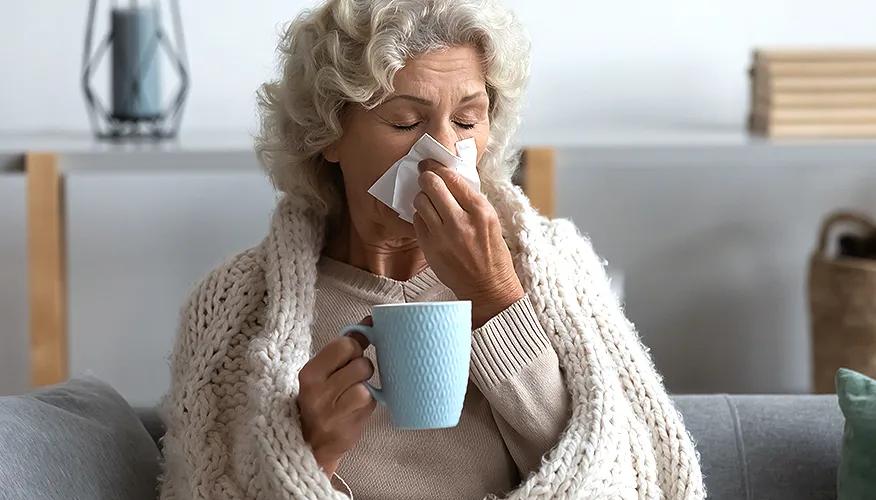
อาการไอมักพบได้ในโรคหวัดและโรคทางเดินหายใจอื่นๆ อาการไอหลังติดเชื้อแบบถาวร (PPC) เป็นอาการไอที่ยังคงมีอยู่เป็นเวลามากกว่าสามสัปดาห์หลังจากการติดเชื้อในระบบทางเดินหายใจเนื่องมาจากเป็นโรคหวัดธรรมดาหรือติดเชื้อไวรัสอื่นๆ
องค์การอนามัยโลก (WHO) แนะนำให้ใช้น้ำผึ้งในการรักษาอาการไอ อาการหวัด และการติดเชื้อทางเดินหายใจส่วนบน (URTI) เนื่องจากช่วยบรรเทาการระคายเคืองในลำคอ
การศึกษาประเมินผลของการผสมน้ำผึ้งและกาแฟในการรักษาผู้ป่วย PPC การศึกษานี้พบว่าการผสมระหว่างน้ำผึ้งและกาแฟสามารถรักษา PPC ได้อย่างมีประสิทธิภาพในเวลาอันสั้น ดังนั้น หากคุณต้องการรู้สึกดีขึ้นในขณะที่มีอาการไอ กาแฟผสมน้ำผึ้งหวานอาจเป็นเครื่องดื่มในอุดมคติของคุณ
โกโก้ ชา เครื่องดื่มโคล่า และกาแฟล้วนมีคาเฟอีน คาเฟอีนมีฤทธิ์ต้านการอักเสบและกระตุ้นระบบประสาทส่วนกลาง (CNS) เมทิลแซนทีน ซึ่งรวมถึงคาเฟอีนและธีโอฟิลลีน จัดเป็นยาขยายหลอดลมที่ช่วยให้การหายใจปลอดโปร่งขึ้น กาแฟดีต่อการเป็นหวัดและอาการไอหรือไม่
พบว่ากาแฟร้อนช่วยบรรเทาผลกระทบของโรคหวัดได้ เช่น ความตื่นตัวที่ลดลง และการทำงานที่ช้าทางด้านความคิด อย่างไรก็ตาม อาจจะไม่ดีสำหรับการไอเมื่อใช้เพียงอย่างเดียว บทความนี้กล่าวถึงสาเหตุที่กาแฟไม่ดีต่อการไอ
ทำไมกาแฟถึงไม่ดีต่ออาการไอและการเป็นหวัด
เมื่อคุณมีอาการไอและเป็นหวัด อาจทำให้คุณทุกข์ระทนได้ การทำงานเล็กๆ น้อยๆ ในชีวิตประจำวันอาจดูเหมือนการปีนภูเขาสูงชัน การพักผ่อนและการนอนหลับเป็นวิธีที่ดีในการช่วยให้ตัวเองฟื้นตัวจากอาการไอและการเป็นหวัด
- เนื่องจากกาแฟทั้งที่มีคาเฟอีนและที่ไม่มีคาเฟอีนสามารถเพิ่มความตื่นตัวได้ จึงอาจทำให้คุณไม่สามารถพักผ่อนและทำการนอนหลับอย่างเพียงพอ
- แม้ว่าคาเฟอีนจะมีข้อดีบางอย่าง เช่น ฤทธิ์ต้านการอักเสบ แต่ก็อาจทำให้คอแห้ง เนื่องจากเกิดอาการไอได้ คำตอบนี้ว่า "คาเฟอีนไม่ดีต่ออาการไอหรือไม่"
- การไอเป็นเวลานานอาจเกิดจากโรคกรดไหลย้อนในกระเพาะอาหาร (GORD) ซึ่งมีลักษณะเป็นกรดในกระเพาะอาหารรั่วไหลเข้าไปในลำคอและก่อให้เกิดการระคายเคือง
- การจำกัดปริมาณเครื่องดื่มที่มีคาเฟอีนไว้ที่หนึ่งหรือสองแก้วต่อวันอาจช่วยเรื่องกรดไหลย้อนได้
กาแฟสามารถทำให้ไอได้หรือไม่ ใช่ ในระดับหนึ่ง
ชา กาแฟ และน้ำอัดลมล้วนมีคาเฟอีน คาเฟอีนและแอลกอฮอล์ทำให้คุณขาดน้ำ ซึ่งเป็นอันตรายเมื่อพยายามรักษาโรคหวัด อาจทำให้เมือกข้นขึ้น และทำให้อาการไอแย่ลง
กาแฟเปรียบเทียบกับเครื่องดื่มอื่นๆ ที่มีผลกระทบต่ออาการไอหรือการเป็นหวัดอย่างไร
เครื่องดื่มร้อนสามารถช่วยให้ผู้ป่วยโรคหวัดธรรมดารู้สึกดีขึ้นได้โดยการกระตุ้นเส้นประสาทรับรส การศึกษาพบว่าเครื่องดื่มที่มีคาเฟอีนร้อนดีกว่าเครื่องดื่มร้อนอื่นๆ ในการทำเช่นนี้ ชาและโคล่ามีคาเฟอีนและอาจก่อให้เกิดประโยชน์ที่คล้ายคลึงกันเมื่อทานเป็นเครื่องดื่มร้อน
เท่าที่มีอาการไอ การติดเครื่องดื่มที่มีคาเฟอีน 1 หรือ 2 ถ้วย เช่น ชาหรือกาแฟ อาจเป็นสิ่งที่ดีสำหรับการไอ หากคุณสงสัยว่า "ฉันสามารถดื่มกาแฟระหว่างมีอาการไอได้หรือไม่" คุณมีคำตอบของคุณแล้ว!
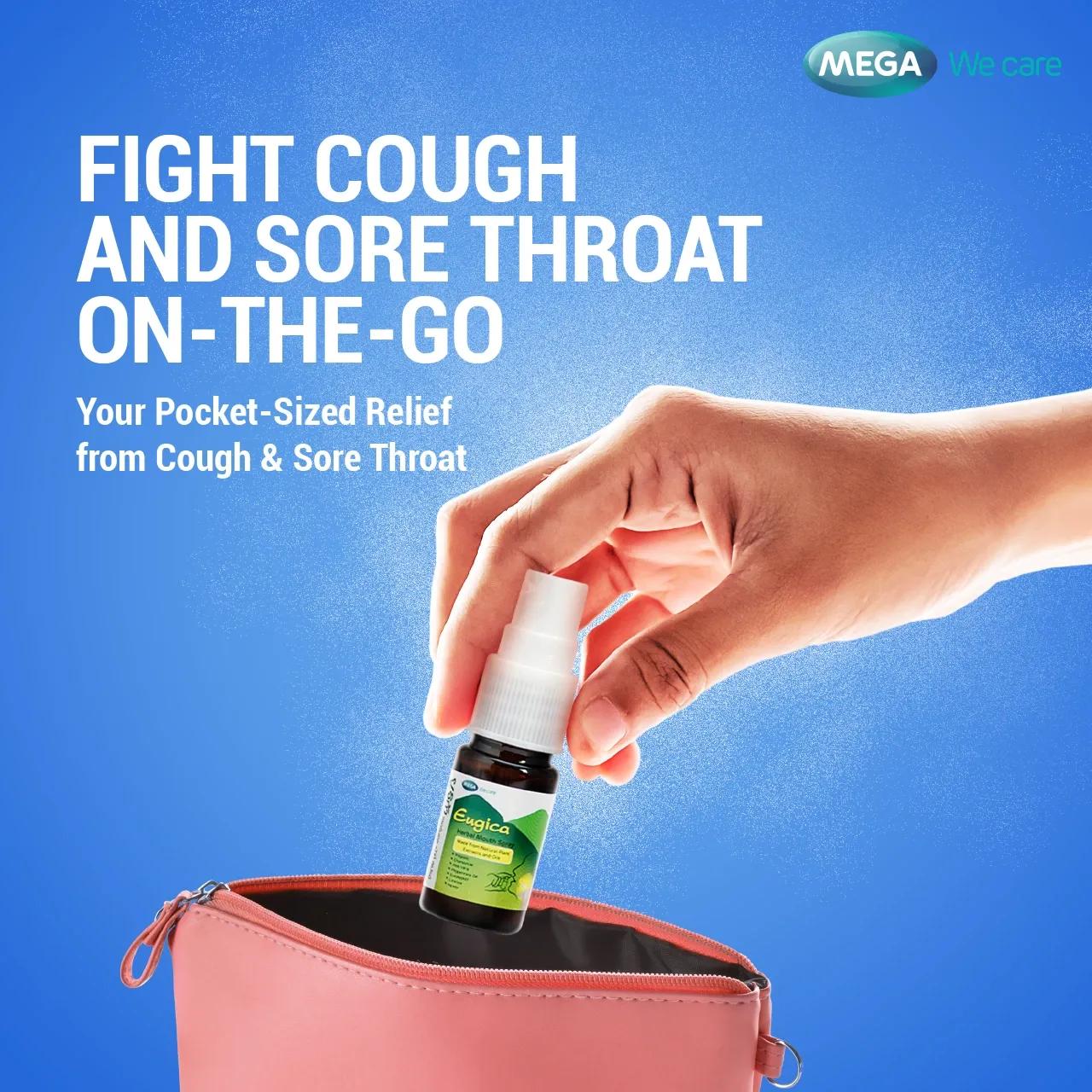
ตัวเลือกการรักษาถ้าเราดื่มกาแฟในช่วงที่มีอากาศหนาวเย็นและเป็นหวัด
กาแฟได้รับการพิสูจน์แล้วว่าช่วยให้คุณรู้สึกดีขึ้นในอากาศเย็นโดยการเพิ่มความตื่นตัวและกระตุ้นเส้นประสาทรับความรู้สึก ดังนั้นจึงไม่จำเป็นต้องรักษา
ในกรณีที่คุณไม่รู้สึกดีขึ้นหรือรู้สึกแย่ลงหลังจากดื่มกาแฟในอากาศเย็น ให้ปรึกษากับผู้ให้บริการด้านการดูแลสุขภาพของคุณ
การเยียวยาที่บ้าน
- การดื่มกาแฟในช่วงไออาจทำให้อาการแย่ลงเนื่องจากมีโอกาสเกิดกรดไหลย้อนและเมือกข้นขึ้น ทางที่ดีควรจำกัดการบริโภคกาแฟไว้ที่ 2 ถ้วย และดื่มน้ำและของเหลวอื่นๆ ให้ชุ่มชื้น
- การดื่มของเหลวให้เพียงพอจะช่วยป้องกันไม่ให้เยื่อบุคอและจมูกแห้ง ทำให้เมือกเปียกและขจัดสิ่งแปลกปลอมออกจากจมูกได้ง่าย
- มีการส่งเสริมการรักษาโรคหวัดตามธรรมชาติมากมาย เช่น เอ็กไคนาเซีย, ยูคาลิปตัส, กระเทียม, น้ำผึ้ง, มะนาว, เมนทอล, สังกะสี และวิตามิน C
การเยียวยาทางการแพทย์
การใช้ยาที่จำหน่ายหน้าเคาน์เตอร์สามารถบรรเทาได้ชั่วคราว แต่คุณควรทานตามคำแนะนำของแพทย์เท่านั้น ยาลดจมูก ยาแก้แพ้ หรือทั้งสองอย่างรวมกันสามารถใช้เพื่อบรรเทาอาการคัดจมูก ไอ และน้ำมูก
ทางที่ดีควรพูดคุยกับผู้ให้บริการด้านการดูแลสุขภาพของคุณเพื่อขอคำแนะนำทางการแพทย์ทุกประเภท
ทางเลือกสำหรับกาแฟเมื่อคุณมีอาการไอและเป็นหวัด

นี่คือทางเลือกบางอย่างสำหรับกาแฟที่คุณสามารถลองในการจัดการกับไอและการเป็นหวัดได้:
- ชามัทฉะ: ชามัทฉะทำจากใบของต้น Camellia sinensis อุดมไปด้วยสารต้านอนุมูลอิสระ และสามารถเพิ่มความจำและประสิทธิภาพการรับรู้ในขณะที่ลดความเครียดและความวิตกกังวล
- นมทองคำ: นมทองคำเป็นเครื่องดื่มแบบดั้งเดิมของอินเดียที่มีขมิ้น ซึ่งมีฤทธิ์ต้านการอักเสบ เคอร์คูมิน สารสกัดที่พบในขมิ้น อาจช่วยปรับปรุงความจำและการทำงานของสมองได้
- น้ำมะนาว: น้ำมะนาวเป็นตัวเลือกที่สดชื่นและให้ความชุ่มชื้นที่อุดมไปด้วยกรดซิตริก, วิตามิน C และโพลีฟีนอล มีประโยชน์ต่อสุขภาพต่างๆ รวมถึงการลดระดับคอเลสเตอรอลและdkiบรรเทาความเมื่อยล้า
ทางเลือกเหล่านี้สามารถให้ความสะดวกสบายและสนับสนุนสุขภาพของคุณในขณะที่คุณฟื้นตัวจากอาการไอและการเป็นหวัด
ข้อสรุป
เกือบทุกคนจะเป็นหวัดในบางจุด มักจะตามด้วยอาการไอ เมื่อคุณรู้สึกว่าอยู่ในสภาพอากาศเย็น คุณอาจเอื้อมหยิบกาแฟถ้วยปกติของคุณ แต่คุณรู้หรือไม่ว่าแม้ว่ากาแฟจะช่วยในอาการหวัดได้ แต่ก็อาจทำให้อาการไอแย่ลงเพราะทำให้คุณขาดน้ำ
กาแฟสามารถบรรเทาอาการหวัดได้ แต่อาจเพิ่มอาการไอเนื่องจากคุณสมบัติในการทำให้ขาดน้ำ การจำกัดการบริโภคกาแฟได้สูงสุด 2 ถ้วยต่อวันจะไม่เป็นอันตรายต่ออาการไอและหวัด ตอนนี้ ได้คำตอบชัดเจนแล้วว่า "กาแฟไม่ดีต่ออาการไอและการเป็นหวัดหรือไม่"
คุณยังสามารถลองใช้ทางเลือกอื่นๆ แทนกาแฟ เช่น ชามัทฉะ นมทองคำ และน้ำมะนาว ในระหว่างที่คุณมีอาการไอและเป็นหวัด ดื่มน้ำและดูแลสุขภาพด้วยนะ!
Meet our expert

Meet our expert
Blessing Ifunanya Maduelosi, a resident of Port Harcourt, Rivers State, Nigeria, is a committed healthcare professional with a profound passion for pharmacy. She has earned her Bachelor of Pharmacy degree (BPharm), solidifying her expertise in the field. Blessing's unwavering dedication to serving her community exemplifies her commitment to improving healthcare outcomes and ensuring the wellbeing of her fellow citizens.


How was the experience with article?
We'd love to know!