
Have you ever been jolted awake in the middle of the night by a sudden, painful cramp in your leg? Or perhaps you've been in the throes of an intense workout when an unexpected muscle cramp has forced you to hit the pause button. Either way, you know that muscle cramps can be not just inconvenient, but downright disruptive to your daily routine.
Muscle cramps are common and often occur when we least expect them. They can result from various factors such as intense exercise, dehydration, or even certain deficiencies in our diet.
But what if we told you there was a quick and easy way to relieve these uncomfortable episodes?
In this blog post, we’ll delve into the power of magnesium for muscle cramps. We'll shed light on how this essential mineral plays a crucial role in our overall muscle health and how it can potentially offer you some much-needed relief.
So, tighten your seatbelts and brace yourself for an enlightening journey through the world of magnesium and muscle health! Let's dive in!
What causes muscle cramps?

Muscle cramps are intense involuntary contractions in our muscles that can cause significant discomfort.
While muscle cramps can be caused by a variety of factors, there are three primary culprits.
- Dehydration and electrolyte imbalance: The intricate dance of muscle contraction and relaxation requires hydration and a delicate balance of electrolytes. When dehydration occurs, or when essential minerals like sodium, potassium, and magnesium are imbalanced, muscle function may be disrupted, leading to muscle cramps.
- Overuse or strain of muscles: Excessive use of muscles, particularly during strenuous exercise or activity in a hot environment, can also lead to muscle cramps. This happens as a result of muscle fatigue and inadequate recovery time between physical activities.
- Deficiency in essential minerals Like magnesium: Our body requires certain essential minerals for proper functioning - magnesium being one of them. A deficiency in magnesium can disrupt normal muscle function, leading to muscle cramps.
The role of magnesium in muscle function
- Magnesium is often overlooked, but it's vital for many bodily processes including the functions related to our muscles.
- Magnesium aids in the regulation of neurotransmitters that send signals throughout our body, including those that trigger muscle contraction and relaxation.
- When there's a deficiency in magnesium, muscles may contract involuntarily – which we experience as cramps.
- Beyond muscle function, magnesium helps maintain balance among other electrolytes in our body and supports nerve function.
- It plays a crucial role in the transmission of nerve impulses which is vital for proper muscle function. A deficiency can lead to nerve irritability and muscle spasms.
- While some studies suggest that magnesium may not provide clinically significant benefits for muscle cramps in older adults, anecdotal evidence and some research indicate that it can help alleviate muscle cramps, particularly those associated with pregnancy.

Best sources of magnesium
Maintaining a healthy magnesium level in the body is easier than you might think. There are several accessible sources of magnesium that can be included in your daily diet.
- Dietary sources: Foods rich in magnesium include leafy greens (like spinach and kale), nuts and seeds (such as almonds and sunflower seeds), whole grains, and legumes.
- Supplemental sources: For those who struggle to get enough dietary magnesium, supplements can be a helpful boost. Magnesium supplements come in various forms such as tablets or powders.
- Topical applications: Apart from oral intake, topical applications such as magnesium oil or lotions can be used to address muscle cramps. Applied directly on the skin, these products are absorbed into the body, providing quick relief.
Tips for quick relief using magnesium
If you're looking for quick relief from painful muscle cramps, here are some key ways to use magnesium for immediate impact:
- Dietary adjustments: Incorporate magnesium-rich foods into your meals to help prevent muscle cramps. Eating a balanced diet that includes leafy greens, nuts, seeds, whole grains, and legumes is a great start.
- Topical application: If you're currently experiencing muscle cramps, applying magnesium oil directly onto the affected area can provide quick relief. This aids in relaxation and eases the pain associated with muscle cramping.
- Magnesium supplements: When taking magnesium supplements, it’s important to adhere to dosage recommendations. Typically, 200-400 mg of magnesium per day is suggested but consulting with a healthcare provider before starting any new supplement regimen is advisable.
- Magnesium baths: A therapeutic Epsom salt bath can provide quick absorption of magnesium through the skin. Epsom salt, rich in magnesium sulfate, helps relax muscles and alleviate cramp symptoms.
Additional lifestyle tips to prevent muscle cramps
Apart from magnesium, there are additional lifestyle factors you can consider to prevent muscle cramps:
- Stay hydrated: Drinking sufficient water throughout the day is crucial. Avoiding dehydrating beverages like caffeine and alcohol, especially after exercise, can help maintain this balance.
- Regular exercise: Regular stretching can minimize the likelihood of muscle cramps. Light exercises such as riding a stationary bicycle can also help relieve spasms and prevent nighttime cramps.
- Adequate sleep and stress management: Quality sleep and managing stress effectively are important for overall muscle health. Stress can contribute to muscle tension, which may lead to cramps.
Safety and precautions
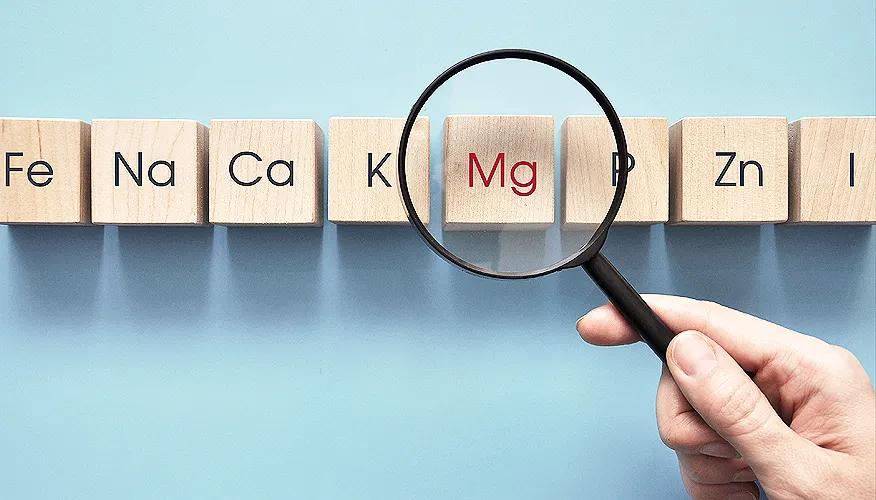
While using magnesium for muscle cramps can be beneficial, certain precautions need to be taken.
If muscle cramps are severe, persistent, or frequent, it’s important to consult a doctor.
Underlying medical conditions such as nerve disorders, diabetes, or thyroid diseases may need to be addressed.
Side effects of excess magnesium intake
While magnesium is vital for health, excessive intake can lead to several side effects. Overuse, especially from supplements, can cause:
- Diarrhea: One of the most common side effects of excess magnesium intake. Magnesium has a laxative effect, and large doses can lead to dehydration and electrolyte imbalance.
- Abdominal pain: High doses can irritate the stomach and cause discomfort or cramps.
- Nausea and vomiting: High magnesium levels can cause gastrointestinal distress, including nausea and vomiting.
- Heart issues: In severe cases, excessive magnesium intake can affect heart function. Symptoms may include low blood pressure (hypotension), irregular heart rhythms (arrhythmias), and even heart failure in extreme cases.
- Respiratory problems: Extremely high magnesium levels can affect breathing by causing muscle paralysis or slowing down the respiratory system.
- Kidney problems: People with pre-existing kidney conditions may not be able to properly excrete excess magnesium, leading to dangerous levels in the body.
Safe usage for different age groups and conditions
Magnesium supplements should only be used in children under medical supervision. The recommended daily intake varies by age:
1.Infants and children:
- 0-6 months: 30 mg
- 7-12 months: 75 mg
- 1-3 years: 80 mg
- 4-8 years: 130 mg
- 9-13 years: 240 mg
Excessive magnesium intake in children can lead to serious health issues like diarrhea and dehydration.
2.Pregnant women:
Magnesium is essential during pregnancy, but supplementation should be done under medical supervision. The recommended intake is generally 350–400 mg per day, depending on the trimester.
Excess magnesium intake during pregnancy can have adverse effects, so any supplementation should be carefully monitored by a healthcare provider.
3.Older adults:
Older adults may be at higher risk of magnesium deficiency due to factors like poor dietary intake and kidney function decline. Magnesium supplementation can be helpful, but it should be approached cautiously. Doses should not exceed the recommended daily intake (around 310–420 mg for adults, depending on age and gender), and individuals with kidney issues should avoid supplements without doctor approval.

Conclusion
Magnesium plays a crucial role in maintaining normal muscle function. It not only contributes to muscle contraction and relaxation but also assists in maintaining electrolyte balance and proper nerve function—making magnesium an effective remedy for muscle cramps.
Whether through dietary sources, supplements or topical applications like magnesium oil for muscle cramps, this mineral offers multiple ways to prevent and relieve cramping. Remember though, while it can offer quick relief from discomfort, appropriate usage is key to avoiding potential side effects.
Enjoying a diet rich in magnesium-rich foods and maintaining healthy lifestyle habits can go a long way in preventing muscle cramps and ensuring optimal health. Always consult with your healthcare provider before beginning any new supplement regimen or making significant changes to your diet.
Meet our expert

Meet our expert
Reshma Kulkarni-Pathare is a senior Indian media professional since 1999. She has written for over 45 national and international publications, including The Times of India, Femina, and BBC Good Homes.



How was the experience with article?
We'd love to know!