
For centuries, people equated health with the absence of disease, and if you weren’t sick, you were “healthy.” Today, that definition feels painfully narrow. The idea of wellbeing, since the last few decades, has grown into something much larger, going beyond avoiding illness to building a life where your physical, mental, emotional, social, and even spiritual needs are met.
The World Health Organization now defines healthy wellbeing as a “positive state experienced by individuals and societies” that connects quality of life with the ability to live with meaning and purpose. This definition reflects the truth you already sense, which is that it is not enough to live longer; you want to live better. Saying that, let’s understand the importance of wellbeing and how to achieve it:
Understanding wellbeing
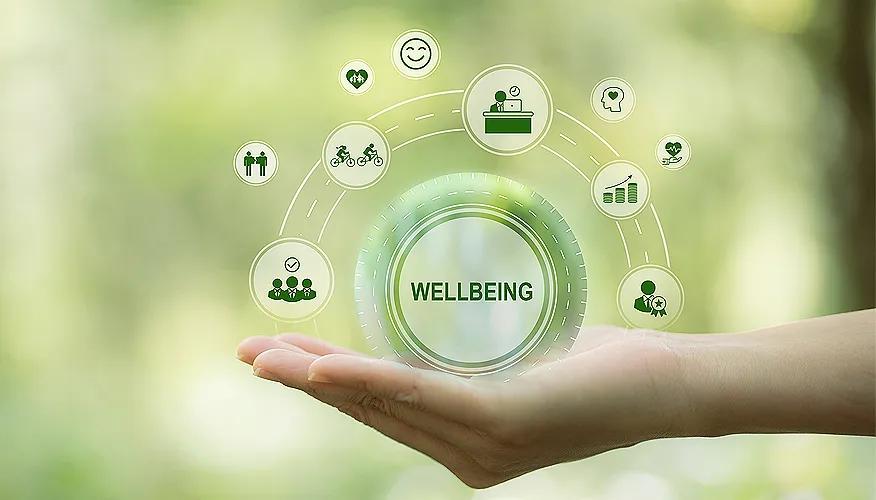
Researchers often split wellbeing into two primary components. One is subjective wellbeing, which is how you feel about your life. Do you feel satisfied, purposeful, and fulfilled?
The other is objective wellbeing, which is the measurable side. It includes your health, income, education, and safety. Together, these two sides create a more profound persona for yourself and your healthcare providers.
Psychologists also argue that wellbeing cannot be reduced to fleeting happiness, but it encompasses your ability to adapt to stress, recover from setbacks, and maintain a positive outlook instead. More about avoiding hardship, it’s about having the resilience to move through it.
Difference between healthy wellbeing, wellness, and health
Although we use wellbeing, wellness, and health as if they mean the same thing, technically, they all have distinct characteristics and meanings.
Health, in its classic sense, refers to physical functioning and freedom from disease. Wellness is the active pursuit of adopting better habits, such as exercise, sleep, and a balanced diet. It is the set of things you do.
Wellbeing takes the broadest view, encompassing your sense of life satisfaction, your purpose, and how you function in all dimensions of living. Wellness is a part of wellbeing, while health is only one part of the larger picture.
Types of wellbeing
Here are the types of wellbeing recognized by healthcare professionals:
Physical Wellbeing
Physical wellbeing includes eating nutritious food, sleeping enough, and moving your body. Regular exercise releases endorphins and lowers stress hormones, which is why even a brisk 30-minute walk can brighten your mood. Strong physical health supports your immune system and even speeds recovery when you do get sick.
Mental Wellbeing
Going beyond brain health, mental wellbeing includes resilience, optimism, and your ability to cope with everyday stress. According to the WHO, good mental wellbeing means you can work productively, contribute to your community, and use your abilities to their fullest. In practice, this can be as simple as learning stress management techniques or practicing gratitude.
Emotional Wellbeing
Being able to recognize emotions, express them in healthy ways, and bounce back from disappointments are all parts of emotional wellbeing. If you experience strong emotional wellbeing, you handle feelings better, manage stress more efficiently, nurture healthier relationships, and maintain stronger self-esteem.
Social Wellbeing
Humans are wired for connection, and studies consistently show that those among us who develop strong social ties live longer and even recover faster from illness. Social wellbeing comes from maintaining close relationships and contributing to something larger than yourself, like a society.
Digital Wellbeing
The rise of smartphones and social media created an entirely new dimension of wellbeing. Digital wellbeing is about balancing your relationship with technology, devoid of too much screen time, focus, and sleep, and accepting healthy digital habits to improve productivity and connection. While it may be perceived as cutting technology out, it is more about ensuring it supports your life instead of controlling it.
Environmental Wellbeing
Your surroundings matter more than you think. People who live near green spaces report lower stress and better overall health. Environmental wellbeing is about living in safe, clean, and supportive environments, while also recognizing your role in protecting the planet.
Spiritual Wellbeing
Finally, spiritual wellbeing is about finding meaning within yourself. For some of us, this comes through religion, while for others, nature or personal philosophy could be a source of it. However, whatever the source, spiritual wellbeing often helps people handle uncertainty and reduce anxiety.
Importance and benefits of wellbeing

As mentioned, the benefits of wellbeing ripple through every aspect of your life. On the individual level, demographics with higher wellbeing report stronger immune function and longer life expectancies.
Mentally well people further show lower rates of anxiety and depression. Emotionally, they recover faster from stress and build more fulfilling relationships.
At the societal level, the impact is equally or even more staggering. Although mental health conditions alone drain about one trillion dollars in lost productivity every year, organizations that invest in wellbeing see major productivity and ultimately financial gains.
According to WHO data, prioritizing employee wellbeing can boost productivity by one-fifth and reduce healthcare costs by a quarter over five years. Some companies even report an eightfold return on investment through reduced absenteeism and turnover, a direct result of emotional wellbeing.
Furthermore, when governments and businesses treat wellbeing as an economic priority, entire communities thrive through stronger livelihoods, correlating with greater crisis resilience and healthier economies.
How to improve wellbeing

Evidence shows that improving wellbeing does not demand sweeping lifestyle changes; just small, consistent steps.
- For starters, even five minutes of daily mindfulness and meditation reduces stress and anxiety, while 150 minutes of weekly physical activity boosts mood and sharpens focus.
- WHO suggests this minimum amount of moderate exercise each week to maybe not maximize, but optimize the benefits of wellbeing.
- Plus, social connection remains one of the strongest predictors of wellbeing, which means reaching out to friends or volunteering has measurable benefits.
Conclusion
Your wellbeing depends on a set of personal, social, and environmental factors, where even genetics can play a role in how vulnerable you are to stress and anxiety. Personal habits like diet, exercise, and sleep also matter as much as social support networks do to shape how you experience life.
As mentioned, economic stability also contributes to our overall perspective on life and general wellbeing. Those who can’t afford better housing and live in poverty-stricken areas face higher risks of deficient wellbeing due to stress associated with mostly unsafe housing and limited healthcare access. Wellbeing is not a destination waiting at the end of a long road. It is an ongoing process.
Meet our expert

Meet our expert
Chai Jie Qi is a passionate nutritionist and fitness professional with a strong background in healthcare, wellness, and fitness. With over five years of experience in the healthcare industry and a journey in fitness and wellness since 2015, Chai is dedicated to helping individuals achieve their health goals through a well-rounded approach.


How was the experience with article?
We'd love to know!