
Key takeaways
- Walking daily lowers blood sugar and improves insulin sensitivity.
- Even short walks after meals reduce blood sugar spikes.
- Walking is safe, easy, requires no equipment, and is suitable for all fitness levels.
- Maintaining healthy blood sugar through walking supports heart health and diabetes management.
- People with high blood sugar should monitor their glucose and follow safety precautions when exercising.
When it comes to managing blood sugar, most people immediately think of food or medication. But there’s one simple, often overlooked habit that can make a huge difference — walking.
It doesn’t require a gym membership, fancy shoes, or strict routine. All you need is a pair of comfortable slippers or sandals and a bit of commitment. A daily walk, whether it’s a slow stroll after dinner, a morning lap around the neighborhood, or just choosing to take the stairs, can do wonders for your blood sugar levels.

Science backs this up. Regular walking helps your body use insulin more effectively, lowers post-meal sugar spikes, and even supports better digestion and heart health. It’s one of the easiest ways to keep your energy steady, manage weight, and reduce the risk of type 2 diabetes complications — without making drastic lifestyle changes.
In this article, we’ll explore the many daily walking blood sugar benefits, and how making walking a habit can help you feel better, move better, and live healthier.
Walking your way to better blood sugar

Among the simplest yet most effective forms of physical activities, each additional 1000 steps per day while walking is associated with a 15% lower mortality.
As the greatest stretch of benefits is usually seen among otherwise less active individuals, this low-impact activity promotes better health and quality of life without causing significant wear and tear on the joints.
While walking 30 minutes a day reduces the risk of coronary heart disease by 19%, its positive effects aren’t limited to cardiovascular developments. Regular walking has a profound influence on the management and even reversal of diabetes in the majority of populations with both types of diabetes.

Does walking lower blood sugar immediately?
Despite promises and false pretences, no food can do what a simple, brief walk can do for you: lower your blood sugar immediately. While caution must be practised, walking is among the safest forms of exercise that can lower your blood sugar symptoms.
In a study of people with type 2 diabetes, just 30 minutes of walking led to an average drop in blood glucose of about 40 mg/dL, while sitting idle for the same time had no effect at all. Even a brisk 15-minute walk post-meal can drop blood sugar by 20-40 mg/dL within half an hour.
It’s completely understandable if walking for 15 minutes isn’t possible due to health conditions, even a shorter walk can be beneficial. In fact, one study found that just five minutes of walking after a meal significantly reduced blood sugar spikes, helping to keep levels more stable and gradual.
But why is walking or exercise so effective?
Can exercise lower blood sugar? The science explained
The science behind high blood sugar or glucose is that they aren’t being utilised by your body effectively. Due to a lack of insulin or resistance to it, your cells are refusing to let the freely flowing glucose in, causing the levels to rise in your blood.
However, can exercise lower blood sugar?
Here’s where exercise steps in as a powerful tool. When you move, your muscles contract and act like a sponge, soaking up glucose from your bloodstream, even if insulin isn’t working well.
This is possible because exercise triggers special transporters (GLUT4) to pull glucose into muscle cells, lowering blood sugar on the spot. Depending on the type, a single session of moderate exercise can boost muscle glucose uptake by at least 40%. However, before you walk, let’s understand what the healthy fasting blood sugar levels are:
Fasting, normal, and healthy blood sugar levels: What you need to know
Here is a quick table for you to refer to:
| Condition/Timing | Blood Sugar (mg/dL) | Blood Sugar (mmol/L) |
|---|---|---|
| Normal (8+ hours fasting) | 70–100 | 3.9–5.6 |
| Normal (post-meal 2 hours) | <140 | <7.8 |
| Prediabetes (fasting) | 100–125 | 5.6–6.9 |
| Diabetes (fasting) | >126 | >7.0 |
| Diabetes target (fasting) | 80–130 | 4.4–7.2 |
| Diabetes target (post-meal) | <180 | <10.0 |
Related: Avoid These 5 Common Mistakes When Using a Glucometer
Other exercises to lower blood sugar levels: Why walking stands out
Some of us don’t find walking as amusing as, say, cycling, swimming, strength training, maybe dancing, and perhaps yoga as well. Regardless, each of these exercises can boost insulin sensitivity and help your muscles soak up more glucose, with studies showing that regular activity can reduce HbA1c by about 0.5%.
But walking stands out for its simplicity, low barrier of entry. Unlike some high-intensity workouts, walking is gentle on your joints and easy to stick with, making it ideal for all ages and fitness levels.
Plus, you don’t need special equipment or a gym to get started. Just a comfortable pair of shoes and a willingness to take those first steps would do. That’s why experts consistently recommend walking as the go-to exercise for better blood sugar control.
Lose weight walking: The added benefit for blood sugar control
Research shows that walking for an hour a day, combined with a calorie-controlled or DASH diet, can help you lose around 0.5–2 pounds (0.2–0.9 kg) per week. Even a modest weight loss of 5–10 pounds (2–5 kg) can significantly improve insulin sensitivity and lower fasting blood sugar.
The American Diabetes Association recommends aiming for at least 5% of your body weight lost to see real benefits in blood sugar control.
Exercising with high blood sugar: safety and precautions
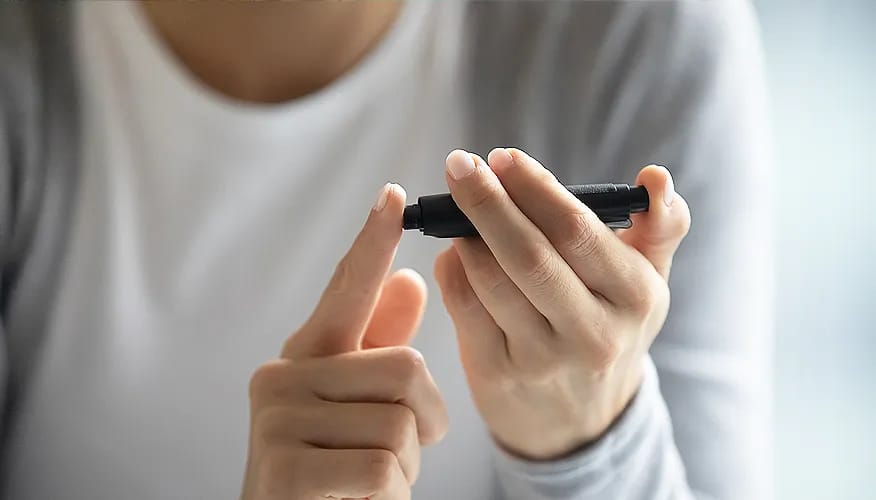
While it’s typically safe and encouraged to exercise if you have diabetes and high blood sugar, certain scenarios demand awareness and caution when exercising with high blood sugar:
Before exercise
- Check your fasting blood sugar levels; the safe range for exercise is 100–250 mg/dL.
- If your blood sugar is over 250 mg/dL, test for ketones.
- Do not exercise if ketones are present. Ketone urine tests are available.
- Drink water before and during exercise to stay hydrated.
During exercise
- Monitor your blood sugar every 30 to 60 minutes during long or intense sessions.
- Stop exercising if you feel dizzy, confused, or overly tired.
- Keep a fast-acting carbohydrate with you in case of low blood sugar.
- Wear a medical ID and consider exercising with someone who knows you have diabetes.
After exercise
- Check your blood sugar after finishing your workout.
- Eat a small carbohydrate snack if you’re showing low blood sugar symptoms.
- Continue monitoring for delayed hypoglycemia for several hours afterwards.
Conclusion
The daily walking blood sugar benefits go beyond just managing glucose levels—they contribute to better heart health, improved circulation, reduced stress, and overall wellbeing. For anyone living with diabetes or at risk of developing it, walking offers one of the safest and most effective lifestyle changes you can make. No gym, no equipment—just a commitment to moving your body regularly.
Remember, it’s not about speed or distance at the start. It’s about creating a habit that fits into your daily life and sticking with it. Even short walks after meals can help control post-meal sugar spikes and support long-term diabetes management. Over time, these small efforts add up, leading to better blood sugar control, improved energy, and a healthier, more balanced life.
So don’t underestimate the power of simple movement. Start where you are, go at your pace, and let the daily walking blood sugar benefits work for you. Your future self will thank you.
How was the experience with the article?
We'd love to know