
Key takeaways
- Diabetes management focuses on controlling blood sugar levels with medications, insulin therapy, and lifestyle changes.
- Conversely, diabetes reversal tries to maintain healthy blood sugar levels without medications, often through significant lifestyle modifications like weight loss, diet changes, and exercise.
- Reversal is a possibility for some individuals, particularly for early-stage type 2 diabetes ones, but you need to give consistent commitment.
- Strategies such as calorie restriction, low-carb diets, and intensive exercise are actually science-proven as they can improve insulin sensitivity.
- The decision between reversal and management is mostly subjective in nature, depending on age, health condition, and willingness to make severe changes in lifestyle.
For years, the message around Type 2 diabetes was simple: manage it for life. But today, science offers a more hopeful perspective — reversal is possible for many people.
When it comes to diabetes management and reversal, the two paths may sound similar — but they’re fundamentally different in both approach and outcome.
Managing diabetes often means keeping blood sugar levels under control with medications, diet adjustments, and regular monitoring.
Reversing diabetes, on the other hand, focuses on reducing insulin resistance and restoring normal blood sugar levels—often to the point where medication is no longer needed.
Today, research shows that for many people with Type 2 diabetes, reversal is possible through targeted lifestyle changes. Understanding the difference between diabetes management and reversal can help you choose the right path — not just to control the condition, but to work toward lasting, root-level change.
Both paths involve daily choices, but the mindset, goals, and outcomes are different. Understanding this difference can empower you to make decisions that don’t just control diabetes — but help you take your health back.
Why understanding the difference matters
If you don't work on the directions first, you might miss the destination. That's what happens when people treat diabetes management and reversal like interchangeable routes. They might share a few tools, but they don't share the same goal. One maintains. The other transforms.
The strategies, timelines, and outcomes don't line up — and neither should your expectations.
Understanding the difference between diabetes management and reversal at the outset is less about medical terms and more about choosing the kind of effort that matches your vision for long-term health. Choosing the right path is essential for staying motivated and achieving the most sustainable results in managing or reversing diabetes.
What is diabetes management?
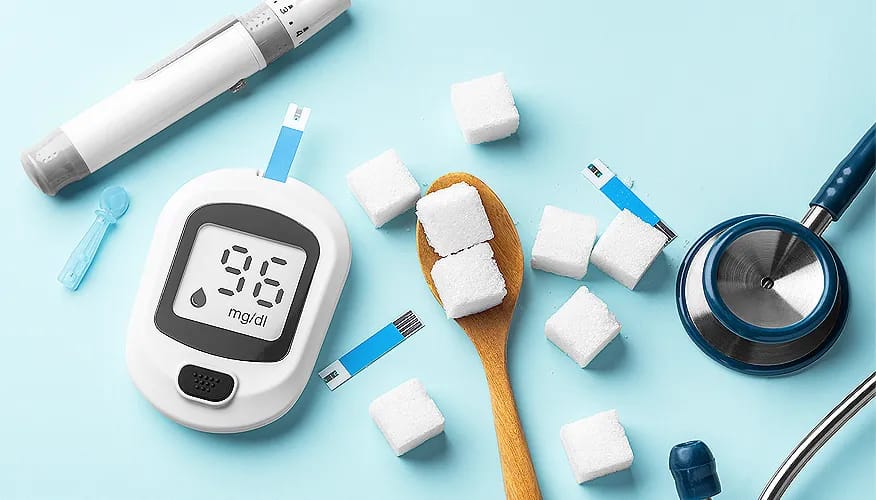
Diabetes management and reversal are two topics that need to be understood individually.
The former focuses on controlling symptoms and maintaining healthy blood glucose levels.
This approach doesn't aim to "cure" the condition but to keep it under control with lifestyle changes, medications, or insulin therapy.
The diabetes ABC'S need to be taken care of:
| Letter | Focus | What It Means | Recommended Action |
|---|---|---|---|
| A | A1C Test | Average blood sugar over 3 months. | Keep A1C below 7% (ask your provider) |
| B | Blood Pressure | High BP can harm organs. | The goal is usually below 130/80 mm Hg |
| C | Cholesterol | Unhealthy levels can cause heart issues. | Keep levels healthy; may need medication. |
| S | Stop Smoking | Smoking worsens blood vessel health. | Quit smoking/vaping; get support if needed. |
Read more: The Vital Role of Diabetes Education in Diabetes Management!
H2: What is diabetes reversal?
Contrarily, diabetes reversal is about remission. It occurs when healthy sugar levels are maintained in the body without the need for blood sugar-lowering medications. Reversal means bringing healthy blood glucose levels back into range through comprehensive lifestyle changes.
It's important to note that not everyone will achieve full reversal, but many can significantly reduce their reliance on medication, sometimes eliminating it altogether.
Key differences between managing and reversing diabetes
The distinction between diabetes management and reversal is monumental. Let us understand it here:
| Aspect | Managing Diabetes | Reversing Diabetes |
|---|---|---|
| Goal | To control sugar levels and prevent complications at large. | To achieve healthy sugar levels without medications. |
| Approach | It involves medication, diet, exercise, and monitoring. | Aim for intensive lifestyle change, especially weight loss. |
| Sustainability | One can manage diabetes lifelong and subtly adapt themselves to it. | It requires consistent, ongoing commitment on your end, as it is not a permanent solution. |
| Applicability | Type 1 & Type 2 | Mostly early-stage Type 2 |
| Outcome | Symptom control | Possible remission |
How to reverse type 2 diabetes: What science says
You might be wondering: how to reverse type 2 diabetes according to actual research? Or, in fact, is it possible? Recent studies from renowned institutions show that diabetes reversal is possible through:
- Significant weight loss – Often, a 10-15 kg loss can make a dramatic difference.
- Calorie restriction – Low-calorie diets (800-1000 kcal/day) can improve insulin sensitivity.
- Low-carb or ketogenic diets – These reduce the body's reliance on insulin.
- Intermittent fasting – Such periodic fasting can help reset insulin response in some individuals.
- Intensive exercise regimens – Help the body use insulin more effectively.
Consistency is key. If you're serious about learning to act on reversal and not just type 2 diabetes management, speak with a medical professional before starting any drastic changes.
What foods can reverse diabetes?
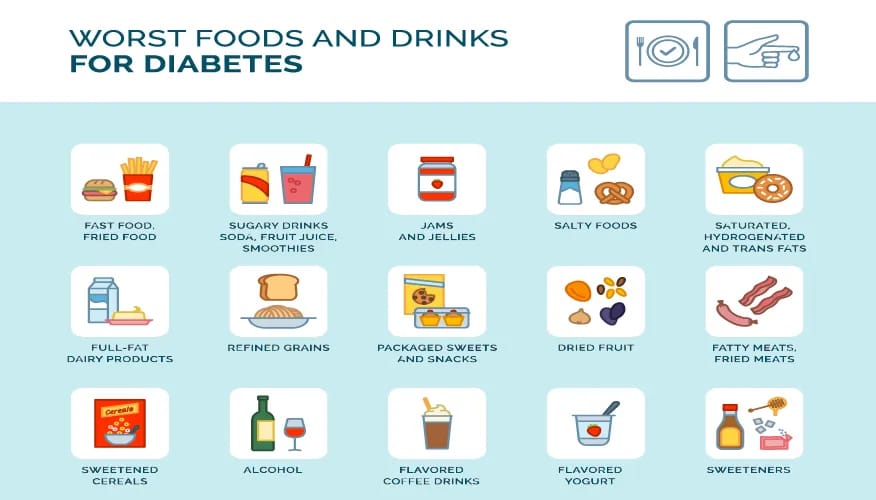
When it comes to diabetes management and reversal, food plays a critical role. Certain foods don’t just help control blood sugar — they actively support your body in reducing insulin resistance, improving metabolic health, and promoting weight loss, which are key to reversing Type 2 diabetes.
So, what should you eat if you’re aiming for diabetes reversal? The focus should be on nutrient-dense, whole foods that balance blood sugar, reduce inflammation, and nourish your body at a cellular level. Below is a breakdown of specific food categories and examples, along with their key nutritional benefits to support your journey toward better health.
| Category | Food Type | Key Nutritional Benefits |
|---|---|---|
| Non-Starchy Vegetables | Dark Green Leafy Vegetables | Helps with vitamins A, C, K, folate, iron, calcium, potassium |
| Avocado | High in fat-soluble vitamins; promotes satiety | |
| Protein Foods | Beans, Dried Peas, & Legumes | Plant-based protein, providing folate, potassium, iron, zinc |
| Nuts | Healthy fats, fiber, magnesium, some omega-3s | |
| Carbohydrate Foods | Berries | Provides your body antioxidants, fiber, vitamins C and K, manganese, potassium |
| Citrus Fruits | High in vitamin C, fiber, folate, potassium | |
| Whole Grains | Enriched with B vitamins, magnesium, iron, manganese | |
| Yogurt | Has carbohydrates; choose low-fat, low-sugar options |
Monitoring progress: Normal blood sugar levels and healthy ranges
Diabetes management and reversal involve keeping track of blood sugar levels. There are many options for tests; opt for the one your healthcare provider recommends. The ranges are:
| Test | Diabetes | Prediabetes | Normal |
|---|---|---|---|
| A1C Test | ≥ 6.5% (on two tests) | 5.7%–6.4% | < 5.7% |
| Random Blood Sugar | ≥ 200 mg/dL (11.1 mmol/L) | — | — |
| Fasting Blood Sugar | ≥ 126 mg/dL (7 mmol/L, measured on two separate tests) | 100–125 mg/dL (5.6–6.9 mmol/L) | < 100 mg/dL (5.6 mmol/L) |
| Glucose Tolerance | ≥ 200 mg/dL (11.1 mmol/L after 2 hrs) | 140–199 mg/dL (7.8–11.0 mmol/L after 2 hrs) | < 140 mg/dL (7.8 mmol/L, after 2 hrs) |
Read more: Medical Devices For Diabetes, Where to Start
Choosing the right approach: Management or reversal?
Having to choose between diabetes management and reversal isn't always a binary decision. Factors like how long you've had diabetes, your weight, age, motivation, and other health conditions all play a role.
Ask yourself:
- Am I mentally prepared to change my lifestyle majorly? More like upside-down?
- Do I want to reduce or eliminate my medication?
- What does my doctor recommend based on my current condition?
For some, type 2 diabetes management is the best path—especially if other health conditions are involved. For others, focusing on how to reverse type 2 diabetes can be life-changing.
In either case, knowing what foods can reverse diabetes and tracking the glucose levels using the various tests, as mentioned before, is surely beneficial for you!

Conclusion
Diabetes management and reversal may use some of the same tools, but they lead to very different outcomes. Management focuses on keeping blood sugar stable, while reversal aims to reduce or even remove the need for medication through deeper lifestyle changes.
You're still here, so clearly you're thinking: what's next? You've got diabetes management, and then there's diabetes reversal. But it's not just black and white. What if instead of looking at it like a “one-or-the-other” thing, you tried blending both?
A little bit of diabetes management for balance, with some how to reverse type 2 diabetes tactics sprinkled in. Take a deeper look at what foods can reverse diabetes, and who knows, you might find you're in control more than you think. Every choice, big or small, is one step toward taking back control.
How was the experience with the article?
We'd love to know