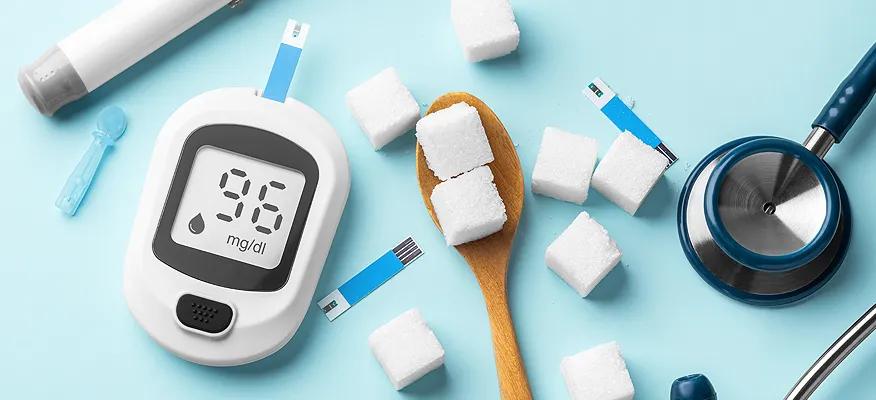
‘Uh-oh! Did I just feel a little extra thirsty than usual? And why does this frequent urge to urinate show up uninvited?’
It’s odd how seemingly regular symptoms can make us raise an eyebrow in concern. At times, these small, almost unnoticeable changes in our body could be signaling something far more significant than we might anticipate. One such sneaky culprit that often slips under our radar is diabetes.
Diabetes is chronic health condition, and there are two primary types of diabetes: Type 1 and 2. Type 1 is an autoimmune condition whereas type 2 is a metabolic disorder. With over 500 million people in the world suffering from this condition, it requires our immediate attention.
But have you ever wondered why despite all your efforts towards maintaining a healthy lifestyle, diabetes somehow manages to cross your path? Or perhaps, you're here seeking some light on how to reverse diabetes? Did you know that when diabetes reversal is talked about its only type 2 diabetes that can be reversed?
Whichever it may be, buckle up because we are embarking on a journey to unravel the mystery behind diabetes. We will walk you through some simple, yet effective ways to put diabetes in reverse gear!
Understanding type 2 diabetes
What is type 2 diabetes?
Let’s address the elephant in the room: Type 2 diabetes.
This is a health condition that occurs when your body either resists the effects of insulin — a hormone that regulates the movement of sugar into your cells — or doesn’t produce enough insulin to maintain a normal glucose level. It is more common in adults and can lead to long-term health complications if not managed effectively.
Causes and risk factors
The development of type 2 diabetes is influenced by several factors. A few major ones include:
- Genetics: A family history of diabetes can significantly increase your risk.
- Obesity: Being overweight, especially if excess fat is distributed around the abdomen, greatly increases your likelihood of developing type 2 diabetes.
- Sedentary lifestyle: A lack of physical activity contributes to weight gain and obesity, exacerbating the risk of diabetes.
- Ethnicity: Certain ethnic populations, such as individuals of Hispanic, African American, Native American, or Asian descent, are at higher risk for developing type 2 diabetes.
How diabetes affects the body
To understand how diabetes affects the body you need to familiarize yourself with the concept of insulin resistance and long term effects of high blood sugar levels:
- Insulin resistance: In type 2 diabetes, your body's cells don't respond effectively to insulin. This resistance means glucose can't enter your cells as efficiently, leading to an increase in blood sugar levels.
- Blood sugar levels: Persistently high blood sugar levels pose severe health risks. Over time, they can lead to complications like heart disease, stroke, kidney damage, eye problems, nerve damage, and skin conditions.

Can diabetes be reversed?
When we talk about how to reverse diabetes, we mean restoring your blood sugar levels to normal range without the need for medication. This does not mean that diabetes is cured; instead, it’s in a state of remission.
Now, if you are wondering, ‘Ok, so how long does it take to reverse type 2 diabetes?’ It’s simple; to achieve this you require long-term commitment to lifestyle changes and ongoing care.
Clinical studies supporting diabetes reversal
Several clinical studies suggest that type 2 diabetes can be reversed. Research by the National Diabetes Prevention Program in the US has shown that making modest lifestyle changes, such as improving diet and exercising regularly, reduced the risk of developing type 2 diabetes by 58% over three years.
Another study by the Diabetes Remission Clinical Trial (DiRECT) elucidated that about half of the participants achieved and maintained diabetes remission after losing weight.
Key strategies to reverse diabetes
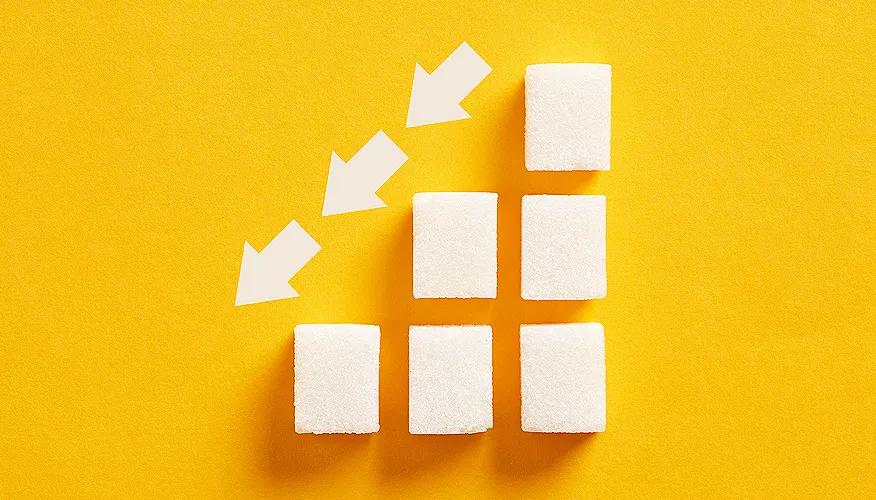
Dietary changes
A healthy diet is crucial to managing blood sugar levels and potentially reversing diabetes. Here are some dietary strategies you could consider:
- Importance of a low-carb, high-fiber diet: To help manage your blood sugar levels, eat fewer carbs and more fiber-rich foods. This can slow the absorption of sugar into your bloodstream and prevent insulin spikes.
- Focus on consuming whole foods: Whole foods such as non-starchy vegetables, fruits, lean proteins, and healthy fats should make up the majority of your meals. Consumption of whole foods causes fewer insulin spikes
- Specific diets: Certain diets like the Mediterranean, DASH, and Low-Carb diets are known for their heart health benefits and effectiveness in managing blood sugar levels.
Exercise and physical activity
Regular physical activity can help reverse insulin resistance and manage your blood sugar levels. Here's what you should know:
- Benefits of regular exercise: Regular physical activity can boost your body's sensitivity to insulin and help manage your weight.
- Recommended activities: Activities like aerobic exercises (walking, cycling, and swimming), strength training exercises, and high-intensity interval training (HIIT) are beneficial in maintaining steady blood sugar levels. These activities also help reduce abdominal fat, which significantly lowers the risk of developing type 2 diabetes.
- How much exercise is needed: The American Diabetes Association recommends at least 150 minutes of moderate-intensity aerobic activity per week or 75 minutes of vigorous intensity activity to help manage type 2 diabetes more effectively.
Weight management
Effective weight management is a critical part of reversing diabetes. Losing even a small amount of weight can help reduce insulin resistance.
- Role of weight loss: Weight loss helps improve insulin resistance and lower blood sugar levels.
- Safe and sustainable weight loss strategies: Aim for slow, steady weight loss by creating a calorie deficit through a combination of eating less and moving more.
Stress Management
Chronic stress can lead to elevated blood sugar levels. Therefore, managing stress is crucial when trying to reverse diabetes.
- Impact of stress on blood sugar levels: Stress hormones such as cortisol can increase your blood sugar levels. Over time, this can contribute to insulin resistance.
- Techniques for reducing stress: Practices such as mindfulness, yoga, deep breathing exercises, and other relaxation techniques can help manage stress. Having stress levels under control not only has a positive impact on diabetes but also on mental health.

Sleep and its importance
When learning how to reverse diabetes, don't overlook the importance of proper sleep. This is another key aspect of managing and reversing diabetes so let's have a look at how sleep impacts diabetes:
- How poor sleep affects insulin sensitivity: Lack of restful sleep can reduce insulin sensitivity and lead to higher blood sugar levels.
- Tips for improving sleep quality: Establish a regular sleep schedule, create a quiet and dark sleep environment, avoid electronics at least an hour before bedtime, and resist large meals close to bedtime.
Role of medical intervention
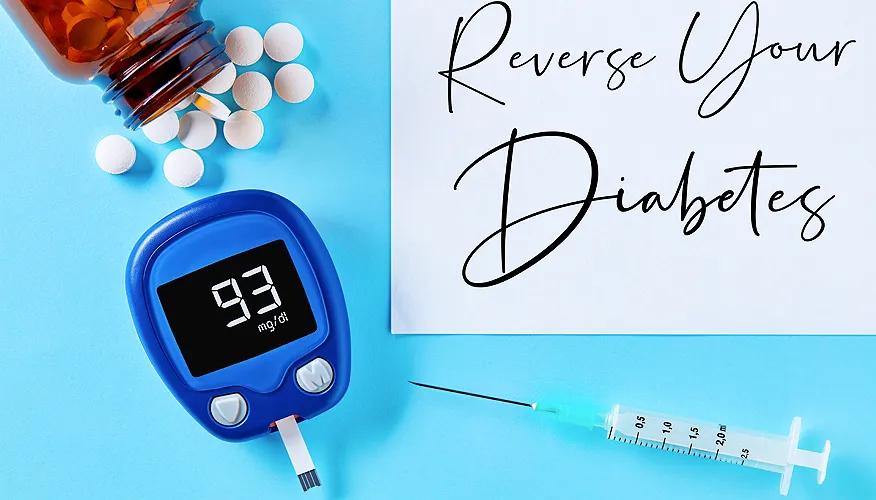
While lifestyle changes are central to diabetes reversal, medical intervention should not be overlooked.
- Medications: Certain medications, such as metformin or Sodium-glucose cotransporter-2 (SGLT2) inhibitors, can help improve insulin sensitivity and aid in weight loss.
- Bariatric surgery: In severe cases of obesity, bariatric surgery may be considered. This type of surgery can lead to significant weight loss and improve or even reverse type 2 diabetes.
- Regular Monitoring: Regular monitoring of your blood sugar levels and periodic check-ups with your doctor are essential for effective long-term management.
Long-term maintenance
To sustain diabetes reversal, you have to continue the healthy lifestyle changes you’ve made.
Regular physical activity, maintaining a healthy diet, managing stress levels, getting good quality sleep — all these factors play a crucial role in keeping your blood sugar levels in check in the long run.
It’s also important to get regular check-ups to monitor your blood glucose levels and other health parameters as recommended by your doctor. This stage is often referred to as the ‘partial remission phase diabetes’, where diligent maintenance is key.
The list of to-dos might seem never ending but are you willing to take a chance with your health? Didn't think so! Remember, when the going gets tough, the tough get going. With this determination, you should march on your diabetes reversal journey.
Common myths and misconceptions
Diabetes reversal is not a cure. If you return to old habits after achieving normal blood glucose levels, your diabetes will likely return.
Diabetes reversal is about managing your diabetes so well that you no longer require medication.
If you've heard people saying that losing weight quickly or taking more medication can lead to faster diabetes reversal, then it’s time we burst your bubble. The goal should be sustainable lifestyle changes that can be maintained in the long term.
The list of to-dos and not to-dos might seem never ending but are you willing to take a chance with your health?
Didn’t think so! Remember, when the going gets tough, the tough get going. With this determination, you should march on your "how to reverse diabetes" journey.
Conclusion
While there’s no outright cure for diabetes, it’s possible to reverse its effects by adopting healthier habits around food, physical activity, weight management, stress management, and sleep. Regular monitoring and consulting with your doctor will ensure you stay on track. It may seem daunting, but every small step brings you closer to reversing your diabetes and leading a healthier life.
Meet our expert

Meet our expert
Dr Adwoa Agyei-Nkansah is a fellow of the West African College of Physicians, a fellow of the Royal College of Physicians, London and a member of the American College of physicians.



How was the experience with article?
We'd love to know!