
Quick answer: Yes, people with diabetes can eat pineapple in moderation. A ¾-cup serving (about 120 g) of fresh pineapple has roughly 15 g of carbs, a medium glycemic index (about 51–66), and a low glycemic load (about 7). Eat it fresh, stick to one serving, and pair it with protein or healthy fat. Avoid pineapple in syrup, sweetened dried pineapple, and large glasses of juice.
Pineapple’s tropical flavour is hard to resist—it adds a fun twist to even the simplest meals.
But if you have diabetes, you may have asked yourself, Is pineapple good for diabetics? The good news? Yes, pineapple can be included in a diabetic diet in moderation.
You don’t have to avoid it completely. It’s all about balance, portion size, and understanding what works best for your body.
Pineapple and diabetes
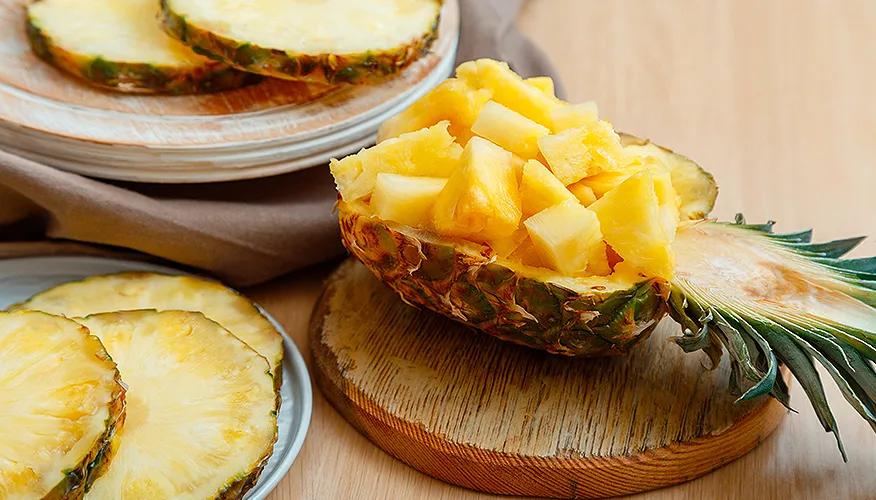
When you are living with diabetes, every food choice matters. Pineapple sits in an interesting space; it is packed with nutrients your body needs, but it also contains natural sugars that can affect your blood glucose levels.
The good news is that pineapple and diabetes can coexist peacefully with the right approach. This tropical fruit is naturally rich in vitamins, minerals, fiber, and antioxidants. However, like all fruits, it contains carbohydrates in the form of natural sugars that your body converts to glucose.
The key isn't to avoid pineapple entirely; it's about understanding how it fits into your overall
diabetes management plan. International guidelines, including those from the American Diabetes Association, actually encourage eating a variety of fruits as part of a balanced diet for people with diabetes. The secret lies in choosing the proper portions and pairing them wisely.
Nutritional value of pineapple
Let us break down what you are getting when you enjoy a serving of fresh pineapple. In a 100-gram portion (about one cup of chunks), you'll find:
| Nutrient | Amount |
| Calories | 50 kcal |
| Carbohydrates | 13 g |
| Natural sugars | 10 g |
| Fiber | 1.4 g |
| Protein | 0.5 g |
| Vitamin C | 47.8 mg (over 50% of your daily needs) |
| Manganese | Approx 43% of your daily needs |
Pineapple for diabetes management becomes more appealing when you see these numbers.
Yes, there are carbohydrates, but you're also getting immune-boosting vitamin C, metabolism-supporting manganese, and heart-healthy potassium. The fiber content, while modest, still helps slow down sugar absorption in your system. This nutritional profile means you're not just consuming "empty" sugars; you are getting genuine nutritional value that supports your body's various functions.
Pineapples and sugar
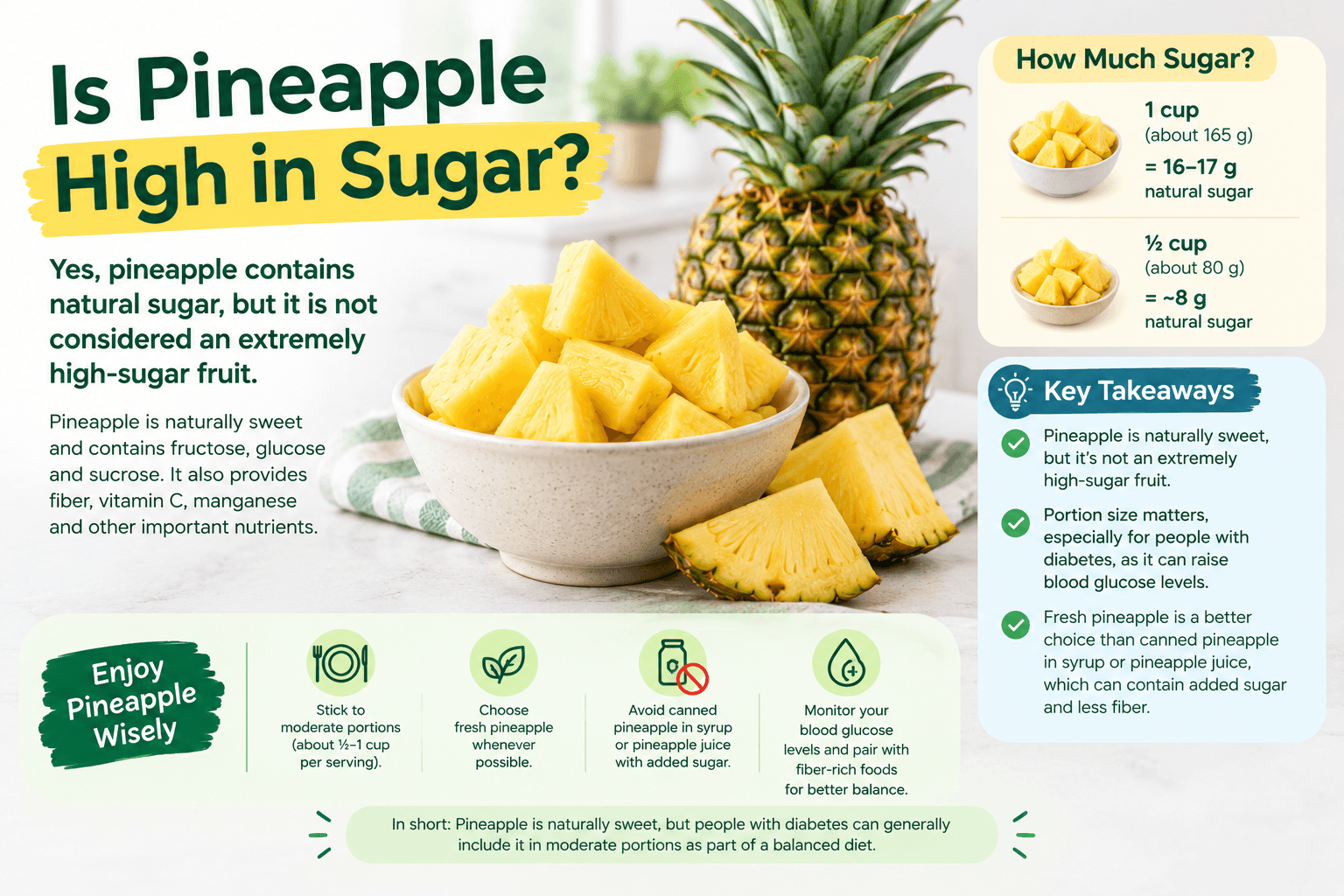
Let's address the elephant in the room: pineapple's sugar content.
- Most of those 13 g of carbohydrates come from natural sugars—mainly sucrose, glucose, and fructose. For someone managing diabetes, this means pineapple will impact their blood glucose levels.
- With about 10 g of sugar per 100 g serving, the sugar content in pineapple is higher than that in many other fruits. To put this in perspective, the same amount of strawberries contains about 4.9 g of sugar, whereas grapes contain around 16 g.
- But not all sugars are created equal. The natural sugars in pineapple come packaged with fiber, vitamins, and antioxidants that your body can use. This is very different from added sugars in processed foods.
- The fiber in pineapple, even though not very high, works like a natural speed bump for sugar absorption. It slows down how quickly those sugars enter your bloodstream, helping to prevent dramatic blood sugar swings.
Is pineapple high in sugar? Compared to some other fruits, yes—it's on the higher end. But compared to processed desserts or sugary snacks, it's still a much more nutritious choice that provides vitamins and minerals alongside those natural sugars.
The key is treating pineapple as you would any carbohydrate source in your diabetes management plan; count it, time it, and pair it wisely.
Glycemic index (GI) of pineapple
Understanding the pineapple glycemic index helps you make informed decisions about when and how to enjoy this fruit.
The GI measures how quickly foods raise your blood sugar on a scale of 0 to 100.
Pineapple GI typically falls in the medium range:
- Raw, fresh pineapple: 51-66 (medium GI)
- Some varieties: Can be as high as 82 (high GI)
- Pineapple juice: Higher GI than whole fruit
This medium-to-high GI means pineapple can cause a noticeable increase in blood glucose, especially if eaten alone or in large quantities.
However, the GI can vary based on the variety of pineapple and how ripe it is—less ripe pineapples generally have a lower GI. The practical takeaway? Pineapple GI numbers suggest this fruit is best enjoyed in smaller portions and ideally paired with protein or healthy fats to slow absorption.
Can diabetics eat pineapple?
To the question, "Can diabetics eat pineapple safely?", the straightforward answer is yes, but with some important guidelines.
The American Diabetes Association encourages including fruits in a diabetic diet, and pineapple can certainly be part of that approach. Here's what makes the difference:
- Fresh vs. processed: Choose fresh pineapple over canned (especially those packed in syrup) or juice
- Portion awareness: Stick to recommended serving sizes
- Meal timing: Consider when you eat pineapple in relation to your medications and other foods
- Individual monitoring: Track how your body responds to different amounts
Pineapple for Type 2, Type 1, Prediabetes, and Gestational diabetes
- Type 2 diabetes: One ¾-cup serving with a meal is generally fine. Count it as one carbohydrate serving (about 15 g).
- Type 1 diabetes: Count the carbs and adjust insulin as your care team advises. Pineapple's relatively quick sugars can also help raise low blood sugar, but follow your hypo-treatment plan.
- Prediabetes: Fresh pineapple in normal portions fits well in a prediabetes diet. Focus on overall carb intake, weight, and activity.
- Gestational diabetes: Smaller portions (about ½ cup) paired with protein are usually better tolerated. Check with your doctor or dietitian, as targets during pregnancy are stricter.
Is pineapple good for diabetics?
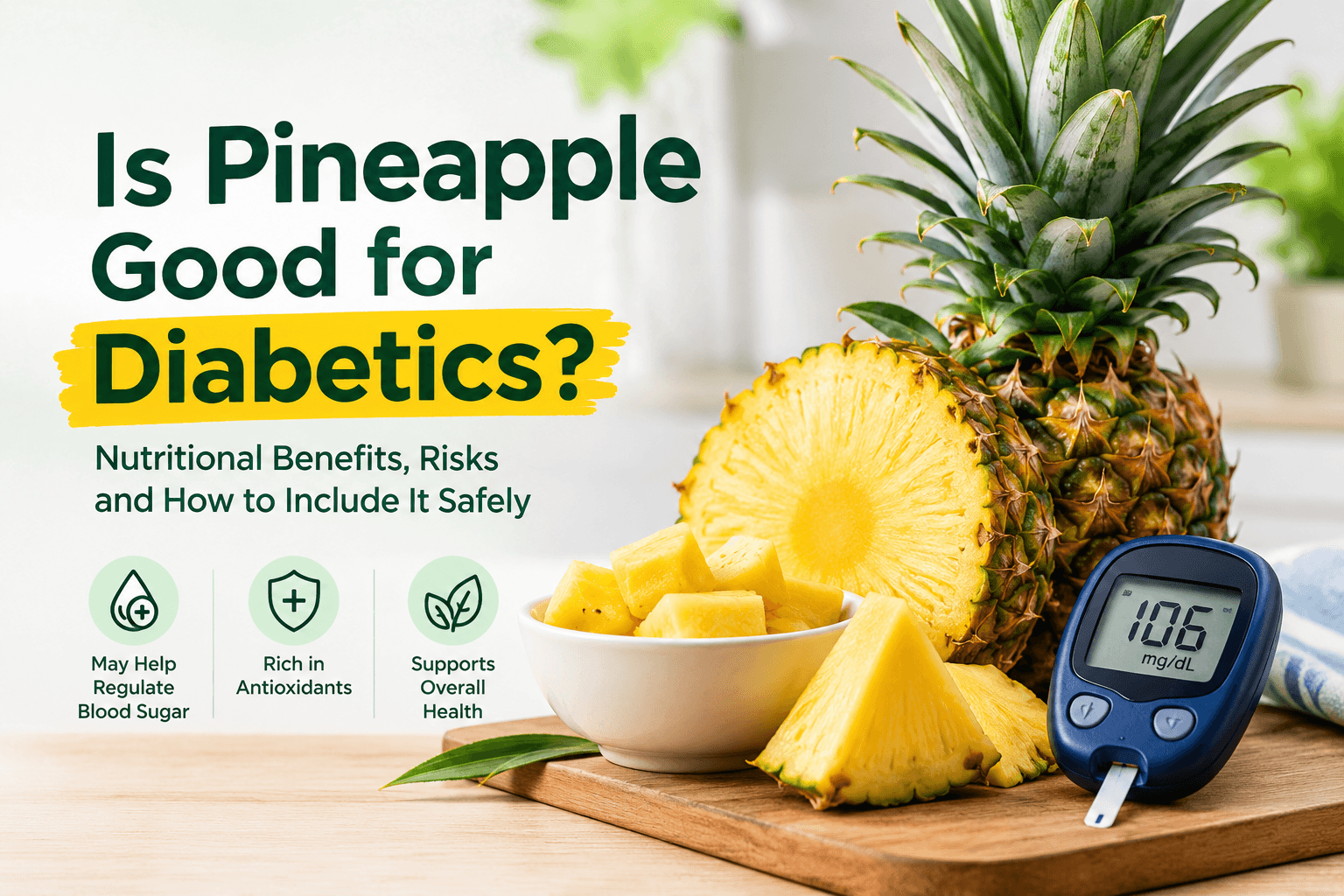
Now for the core question: Is pineapple good for diabetic patients? The answer is nuanced but generally positive when consumed mindfully. Here's the balanced view:
- Provides essential vitamins and antioxidants
- Contains fiber that helps moderate blood sugar response
- Offers nutrients that support immune function and wound healing
- Can satisfy sweet cravings in a more nutritious way than processed desserts
However, here are a few important considerations to keep in mind when including pineapples in a diabetes-friendly diet:
- Portion control is needed as it is a medium-to-high GI fruit
- Natural sugars will affect blood glucose levels
- Individual responses can vary significantly
Is pineapple good for type 2 diabetes specifically? People with type 2 diabetes can often include moderate amounts of pineapple in their diet, especially when paired with other foods that help stabilize blood sugar.
Is pineapple bad for diabetics?
Pineapple isn't bad for diabetics, but how you eat it can be. It becomes a problem when:
- You eat a whole bowl (2+ cups, 40+ g carbs) in one sitting
- You drink it as juice or smoothies
- You choose canned-in-syrup or sweetened dried pineapple
- You eat it alone on an empty stomach when your glucose is already high
- It appears in high-carb dishes like pineapple fried rice or sweet-and-sour sauces
Keep to one serving of fresh fruit, eaten with a meal or with protein, and pineapple fits well in a diabetes-friendly diet.
Health benefits of pineapple for diabetics
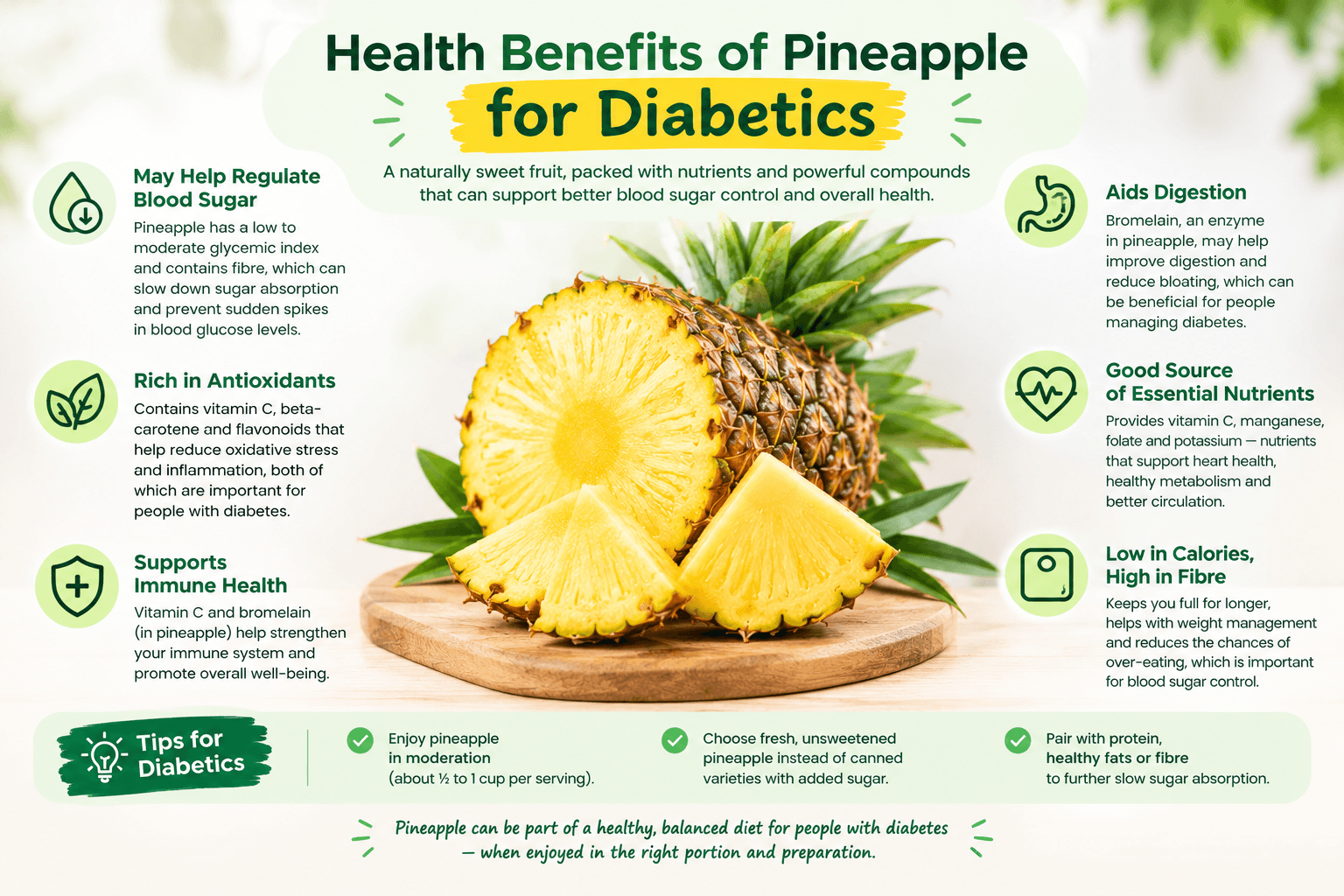
Beyond just managing blood sugar, there are several pineapple health benefits patients with diabetes can appreciate:
Supports the immune system
With over half of your daily vitamin C needs in just one cup, pineapple supports your immune system. This is particularly valuable for people with diabetes, who may be more susceptible to infections. In urban environments where you're exposed to more germs and stress, you’re better able to fight off those seasonal colds or infections that can sometimes hit harder if you’re managing diabetes.
Anti-inflammatory properties
Pineapple contains antioxidants that help reduce inflammation in your body. As diabetes can increase inflammation throughout your body, anything that helps reduce this inflammation supports your overall health. This can mean better joint comfort, improved circulation, and potentially lower risk of diabetes-related complications.
Digestive health
Pineapple contains both fiber and bromelain, a unique enzyme that helps break down proteins and supports healthy digestion. The fiber helps slow sugar absorption, which is exactly what you want when managing blood glucose. Good digestion means your body can absorb nutrients more effectively, which can help keep your energy steady and your blood sugar more predictable. Plus, a happy gut often makes for a happier you.
Supports heart health
Pineapple also gives you a healthy dose of potassium, which helps keep your heart in good shape. Potassium works a bit like a natural balancer, helping your blood vessels relax and reducing the risk of hypertension. As diabetes can raise the risk of heart disease, every little bit of heart-friendly nutrition counts.
How Much Pineapple Can a Person With Diabetes Eat?
There is no single portion that is suitable for everyone with diabetes because carbohydrate needs and blood glucose responses vary. A practical approach is to have a small portion of fresh pineapple, such as about ½ cup (around 80–100 g), and account for it as part of the meal's carbohydrate intake.
Eating pineapple alongside a source of protein, healthy fat, or other high-fiber foods may help make the meal more balanced. People taking diabetes medication or insulin should follow the carbohydrate and meal-planning advice provided by their healthcare professional.
Tips for eating pineapple safely with diabetes
Making pineapple for diabetes work in your daily routine requires some practical strategies:
- Portion control is key: Stick to about ½ cup of fresh pineapple (roughly 80 g) per serving. This gives you the taste and nutrients without overwhelming your system with sugar.
- Smart pairing: Never eat pineapple alone. Pair it with protein or healthy fats like a small handful of nuts, Greek yogurt, or even a few slices of cheese. This combination slows sugar absorption significantly.
- Choose fresh over processed: Fresh pineapple beats pineapple juice every time. Juice concentrates the sugars and removes the fiber, creating a much higher glycemic impact.
- Timing matters: Consider eating pineapple as part of a meal rather than as a standalone snack. The other foods in your meal will help buffer the sugar impact.
How to eat pineapple safely with diabetes
Let's get practical about incorporating pineapple into your diabetes-friendly meal plan.
The plate method with pineapple
When including pineapple in meals, use the diabetes plate method:
- Fill half your plate with non-starchy vegetables
- One quarter with lean protein
- One quarter with carbohydrates (this is where your pineapple fits)
Carbohydrate counting approach
If you count carbs, remember that 100 grams of pineapple contains about 13 grams of carbohydrates. Factor this into your daily carb budget and adjust other starchy foods accordingly.
Monitor and adjust
Check your blood sugar 1-2 hours after eating pineapple to understand personal responses. Keep notes about portion sizes and blood glucose reactions. Adjust serving sizes based on your individual tolerance.
Smart substitutions
If a recipe calls for dried pineapple or pineapple juice, use fresh pineapple instead and reduce other sweet ingredients accordingly.
Risks and considerations
While pineapple can be part of a healthy diabetic diet, there are some important considerations:
Blood sugar variability
Is pineapple bad for diabetics? Not necessarily, but it can cause blood sugar spikes if you overeat or consume it at the wrong time. Individual responses vary significantly based on factors like:
- Your current blood sugar levels
- What medications you are taking
- What other foods you eat with the pineapple
- Your activity level
Variety differences
Some pineapple varieties have higher sugar content and GI values than others. If you notice significant blood sugar responses, try different varieties or adjust portion sizes.
Medication interactions
While rare, pineapple can potentially interact with certain medications. If you are on blood thinners or other medications, discuss fruit intake with your doctor.
Digestive Sensitivity
Some people experience digestive upset from pineapple's natural enzymes, especially when eating large amounts on an empty stomach. If you're not used to eating much fiber, increasing your pineapple intake suddenly might cause digestive discomfort. Start small and gradually increase.
Conclusion
So, is pineapple good for diabetics? The answer is a qualified yes when enjoyed mindfully and in moderation. This tropical fruit can absolutely find a place in your diabetes management plan, offering valuable nutrients and natural sweetness while supporting your overall health goals.
The key is approaching pineapple with the same thoughtful strategy you bring to all your food choices. Monitor your portions, pair them wisely with other foods, and pay attention to how your body responds. Pineapple and diabetes can coexist successfully when you stay informed and make conscious choices.
Meet our expert

Meet our expert
Rama Manikumar is a seasoned nutritionist and lifestyle consultant with over two decades of experience in the health industry. With a Bachelor's degree in Biology and specialized training in Nutrition & Dietetics from Pennsylvania State University, USA, Rama brings a wealth of knowledge and expertise to her practice.


How was the experience with article?
We'd love to know!