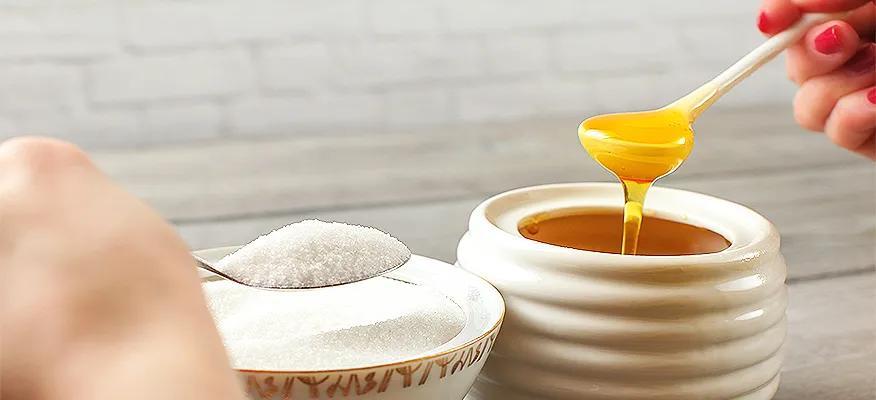
When you’re living with diabetes, even the simplest of cravings can feel like a tug of war between desire and discipline. Something as small as a spoonful of sweetness suddenly comes with questions, calculations, and second thoughts.
You have probably found yourself standing in the kitchen, holding that jar of golden honey, wondering if this "natural" sweetener might be a safer choice than regular sugar.
The question "Is honey good for diabetics?" isn't just about satisfying your sweet tooth—it's about making informed choices that support your health journey without sacrificing the small pleasures that make life enjoyable.
It’s a question many people with diabetes ask, not just to satisfy their sweet tooth, but to find a balance between enjoying food and staying true to their health goals. Because let’s be honest —managing diabetes isn’t only about numbers and test strips; it’s also about holding on to the small pleasures that make everyday life feel fuller and more joyful.
So, is honey really a safer, healthier alternative to sugar for someone managing diabetes? Or is it just another sweet disguise?
What is honey?
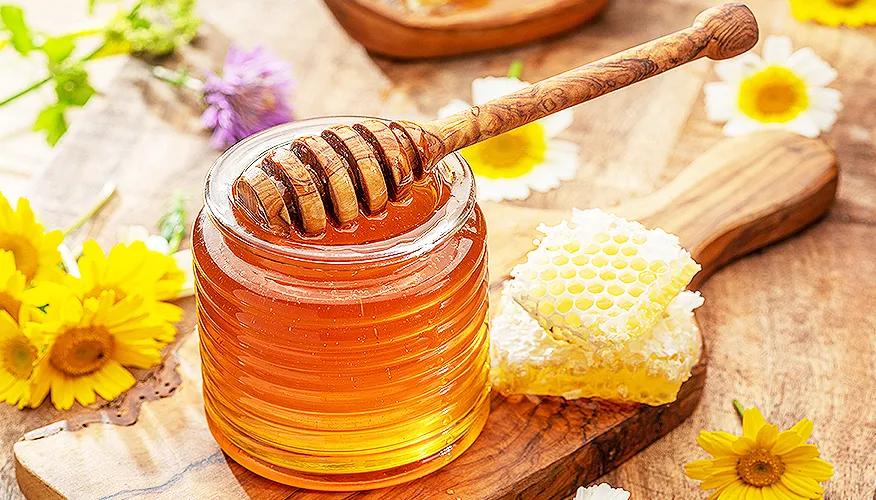
Honey is far more than just a sweet treat that your grandmother kept in the pantry. This golden liquid is a complex natural sweetener created by honeybees from flower nectar, and it has been cherished across cultures for thousands of years.
At its core, honey is primarily made up of carbohydrates, with fructose and glucose being the main players. But unlike the refined sugar in your bowl, honey comes with a supporting cast of vitamins, minerals, enzymes, and antioxidants that give it its distinctive flavor and potential health properties.
What makes honey particularly interesting is how its composition varies. The wildflower honey from your local farmer's market will taste and look different from manuka honey from New Zealand or the acacia honey popular in Mediterranean regions.
This variation happens because bees create honey from different floral sources, giving each type its unique flavor profile and nutrient content.
Nutritional value of honey
Understanding what's actually in that spoonful of honey can help you make better decisions about whether it fits into your diabetic meal plan.
Here's what you'll find in one tablespoon of honey:
- Calories: 64 (slightly higher than table sugar's 49 calories)
- Carbohydrates: 17 grams (all from sugars)
- Fructose: About 6.4 grams
- Glucose: About 5.3 grams
- Trace nutrients: Small amounts of B vitamins and minerals
The higher calorie content might seem concerning, but honey is actually sweeter than table sugar, meaning you might use less to achieve the same level of sweetness.
What sets honey apart nutritionally is the presence of antioxidants, particularly in darker varieties. These compounds may offer some health benefits, though they do not change honey's fundamental impact on blood sugar.
How honey affects blood sugar
This is where things get interesting for anyone wondering, "Does honey raise blood sugar?" The short answer is yes, but the story is more nuanced than you might expect.
Honey has a glycemic index (GI) of around 50, which puts it in the moderate category. To put this in perspective, table sugar has a GI of 65-80, meaning honey raises blood glucose more slowly than regular sugar, but it still raises it significantly.
When you eat honey, your body processes it differently from table sugar because of its unique fructose-to-glucose ratio. Some studies suggest that honey may cause a less dramatic spike in blood sugar compared to the same amount of pure glucose or regular sugar. However, this doesn't mean honey is "safe" for diabetics.
The key point: Whether you're dealing with type 1 or type 2 diabetes, honey will still impact your blood glucose levels. The "slower" rise doesn't eliminate the rise altogether, and regular consumption can still affect your HbA1c levels, an important long-term marker of blood sugar control.
Therefore, while honey might be gentler on your blood sugar in the short term, consistent use can still worsen your overall diabetes control over time.
Comparison: honey vs. table sugar
Let’s break down how honey stacks up against regular table sugar, so you can see exactly what you're working with:
| Aspect | Honey | Table Sugar (Sucrose) |
| Main sugars | Fructose (38%), Glucose (31%) | Glucose and fructose (50/50 split) |
| Glycemic Index | ~50 | ~65-80 |
| Calories per tablespoon | 64 | 49 |
| Nutrients | Trace vitamins, minerals, and antioxidants | Essentially none |
| Sweetness level | Sweeter than sugar | Standard sweetness |
| Blood sugar impact | Raises blood sugar more slowly | Rapid blood sugar spike |
Is honey safe for diabetics?
The million-dollar question is "Is honey good for diabetics?" The answer depends on several factors unique to your situation.
For people with well-controlled diabetes, small amounts of honey might be acceptable as part of a carefully planned meal. Some clinical studies have shown that honey can occasionally improve certain metabolic markers, including cholesterol. However, these same studies have often revealed increases in HbA1c levels when honey was consumed regularly.
The safety of honey for diabetics depends on:
- How well your diabetes is currently controlled
- The portion size you're considering
- Your overall daily carbohydrate intake
- How your individual body responds to honey
Most diabetes experts recommend treating honey like any other added sugar, something to limit or avoid to minimize blood sugar fluctuations. If you do choose to include honey, it needs to be counted as part of your total daily carbohydrate allowance, not as an “extra.”
How does honey compare to other sweeteners?
When you're looking for ways to satisfy your sweet tooth while managing diabetes, it helps to understand all your options.
- Artificial sweeteners like stevia, sucralose, and aspartame generally don't raise blood sugar at all, making them preferable for strict blood sugar control. These can be particularly helpful if you're trying to reduce your overall carbohydrate intake.
- Natural alternatives like agave nectar might sound healthier, but they're actually higher in fructose than honey and can impact liver health with excessive consumption. Coconut sugar, date syrup, and jaggery all have similar or even higher impacts on blood sugar compared to honey.
- Sugar alcohols like xylitol and erythritol have minimal impact on blood glucose but can cause digestive issues for some people, especially when consumed in larger amounts.
Is honey a good substitute for sugar?
From a culinary standpoint, honey can definitely serve as a substitute for sugar in recipes and beverages. Its higher sweetness means you'll typically use about 3/4 the amount of honey compared to sugar, and you might need to adjust liquid ingredients in baking recipes.
But as a diabetes management strategy? Honey for diabetics isn't significantly better than sugar. While you might get trace amounts of antioxidants and minerals, these don't offset honey's impact on blood glucose.
If you're going to use honey as a sugar substitute, remember that you're essentially swapping one form of sugar for another, not eliminating sugar's effects on your blood sugar levels.
Top 9 Health Benefits of Honey for Diabetics
Despite the cautions, some research has identified potential benefits of honey consumption for people with diabetes, though these should be viewed with perspective.
1. Lower Glycemic Index than Sugar
Honey has a glycemic index (GI) ranging from 35–55, compared to table sugar, which has a GI of around 60–65. The lower GI means honey is absorbed more slowly into the bloodstream, causing a slower and steadier rise in blood sugar. For diabetics, this can help prevent sharp spikes in glucose levels, making it easier to maintain better overall blood sugar control. However, the effect depends on the type and amount of honey consumed.
2. Antioxidant Properties
Raw honey contains antioxidants like flavonoids, phenolic acids, and enzymes. These antioxidants neutralize free radicals, which are unstable molecules that can damage cells and tissues. For diabetics, oxidative stress is a major concern, as it contributes to heart disease, kidney problems, and nerve damage. By including small amounts of honey, it may help reduce oxidative damage, supporting better long-term health.
3. Anti-inflammatory Effects
Some studies suggest that honey can reduce markers of inflammation. Chronic inflammation is a major concern for diabetics, as it can worsen insulin resistance and increase the risk of cardiovascular disease. The natural compounds in honey may help moderate inflammatory responses, supporting overall metabolic and cardiovascular health.
4. Improves Heart Health / Cholesterol Improvements
Honey has been shown to reduce LDL (“bad”) cholesterol and triglycerides while increasing HDL (“good”) cholesterol. This effect is due to both antioxidants and bioactive compounds in honey that prevent LDL oxidation — a key factor in atherosclerosis. Certain research also shows that honey consumption might improve overall cholesterol profiles, which is particularly beneficial for diabetics at higher risk of heart disease.
5. Enhances Wound Healing
Honey is naturally antibacterial and anti-inflammatory, making it useful for healing diabetic wounds and ulcers. Medical-grade honey, like Manuka honey, is used in clinical settings because it can:
- Kill bacteria and prevent infections
- Reduce inflammation
- Promote tissue repair
This is particularly important for diabetics, as slow-healing wounds can lead to serious complications, including infections or even amputations if untreated.
6. Modest Metabolic Benefits
Some studies in people with type 2 diabetes show that honey consumption in moderation may improve metabolic markers, including:
- Slight reductions in body weight
- Improved insulin sensitivity
- Better overall metabolic control
While these benefits are modest, they suggest honey may support long-term metabolic health when used responsibly.
7. Natural Energy Source
Honey is made of glucose and fructose, providing steady, natural energy. Unlike refined sugar, which causes a rapid spike and crash in blood glucose, honey’s sugars are absorbed gradually. This helps diabetics maintain more stable energy levels without extreme blood sugar fluctuations.
8. Supports Gut Health
Raw honey contains prebiotics, which are compounds that feed beneficial gut bacteria. A healthy gut microbiome is linked to improved digestion, better immune function, and enhanced blood sugar regulation. Studies suggest that a balanced gut flora can reduce inflammation and improve insulin sensitivity, which is important for managing diabetes effectively.
9. May Help Manage Blood Lipids
Apart from improving heart health, honey may regulate lipid metabolism, helping to reduce triglycerides and total cholesterol. Elevated lipid levels are common in diabetics and can increase the risk of heart attack, stroke, and metabolic syndrome. The natural sugars and antioxidants in honey can support better lipid profiles, improving overall metabolic health when consumed in moderation.
However, these benefits are generally small and not consistent across all studies. More importantly, they don't outweigh honey's primary effect on blood glucose levels. Think of these as potential bonuses, not reasons to add honey to your diet if you're managing diabetes.
Risks of consuming honey with diabetes
Understanding the risks helps you make informed decisions about whether honey is bad for diabetics in your specific situation.
Primary risks include:
- Immediate blood sugar spikes: Honey is concentrated sugar and can cause sharp increases in blood glucose, especially if consumed in larger amounts or on an empty stomach.
- Long-term control issues: Regular honey consumption may increase your HbA1c levels, potentially leading to diabetes complications over time.
- Calorie overload: Honey is calorie-dense, which can interfere with weight management, a crucial aspect of diabetes control.
- False security: The "natural" label might lead to overconsumption, thinking it's safer than it actually is.
Special considerations:
- Raw honey may pose infection risks for people with compromised immune systems, though this is rare
- Can honey cause diabetes in non-diabetics? While honey alone doesn't cause diabetes, regular consumption of high amounts of any sugar can contribute to weight gain and insulin resistance over time
Related:Home Remedies For Lowering Blood Sugar Levels
How to include honey in a diabetic diet

If you decide to include honey in your meal plan, smart strategies can help minimize its impact on your blood sugar.
- Portion Control: Limit yourself to less than 1 teaspoon per day, and only as an occasional replacement for other sugars
- Carb Counting: Always include honey's carbohydrates in your daily total—don't treat it as ‘free’
- Choose Quality: Opt for raw, unprocessed honey when possible, as it retains more beneficial compounds
- Monitor Response: Check your blood sugar before and after consuming honey to understand your individual response
- Never Go Solo: Don't use honey as an addition to your current sugar intake—it must replace other sweeteners
- Pair it Wisely: Combine honey with protein, healthy fats, or high-fiber foods to slow glucose absorption
Practical tip: If you're using honey in tea or on yogurt, measure it rather than drizzling freely. That small act of measuring helps you stay mindful of portions and carbohydrate counting.
Best types of honey for diabetics
Many people wonder if certain types of honey are better choices for blood sugar management. The honest answer is that raw honey for diabetics isn't significantly different from processed honey when it comes to glucose impact. Different honey types and their considerations:
- Raw, Unprocessed Honey: Retains more antioxidants and enzymes compared to highly processed versions.
- Darker Varieties: Forest honey, wildflower honey, and other dark varieties generally contain more antioxidants than lighter ones.
- Local Options: Whether you're in Mumbai or Nairobi, locally sourced honey might offer unique antioxidant profiles, though the sugar content remains similar across regions.
The bottom line: Choose honey based on taste preference rather than expecting significant differences in blood sugar impact. All types of honey will affect your glucose levels similarly.
Alternatives to honey for diabetics
When you're craving sweetness but want to protect your blood sugar, several alternatives can satisfy that sweet tooth more safely.
- Stevia: Your top choice—natural, zero calories, doesn't affect blood sugar
- Erythritol: Sugar alcohol with minimal blood sugar impact and fewer digestive side effects than other sugar alcohols
- Monk fruit sweetener: Natural, zero calories, very sweet, so you need very little
- Small amounts of artificial sweeteners: When used moderately, they can satisfy sweet cravings without blood sugar spikes
What to avoid as "healthy" alternatives:
- Date syrup, coconut sugar, and agave nectar all impact blood sugar similarly to honey
- Honey and diabetes type 2 management means being wary of any "natural" sweetener that's still high in simple sugars
Should diabetics eat honey?
After weighing all the evidence, most diabetes experts recommend caution with honey consumption. The question, "Is honey good for type 2 diabetics?" doesn't have a simple yes or no answer—it depends on your individual circumstances.
Consider avoiding or strictly limiting honey if you:
- Have poorly controlled diabetes
- Are at high risk for diabetes complications
- Struggle with portion control around sweet foods
- Are trying to lose weight
- Have frequent blood sugar spikes
Small amounts might be acceptable if you:
- Have well-controlled diabetes with stable HbA1c levels
- Can accurately count carbohydrates and adjust medications accordingly
- Have tested your individual response to honey
- Use it occasionally rather than daily
Conclusion
So, is honey good for diabetics? The answer is nuanced. While honey has a slightly lower glycemic index than table sugar and contains trace nutrients, it still significantly raises blood sugar levels and should be used with extreme caution by people with diabetes.
The key is understanding that honey, despite being natural, functions like sugar in your body. If you choose to include it, treat it as you would any other added sugar—count the carbohydrates, use tiny portions, and monitor your blood glucose response.
For most people managing diabetes, focusing on whole foods and using non-nutritive sweeteners when needed offers better blood sugar control than trying to make honey work as a "healthier" sugar alternative. Your health journey deserves choices that truly support your wellbeing, not just ones that feel like they should be better.
Meet our expert

Meet our expert
Reshma Kulkarni-Pathare is a senior Indian media professional since 1999. She has written for over 45 national and international publications, including The Times of India, Femina, and BBC Good Homes.


How was the experience with article?
We'd love to know!